

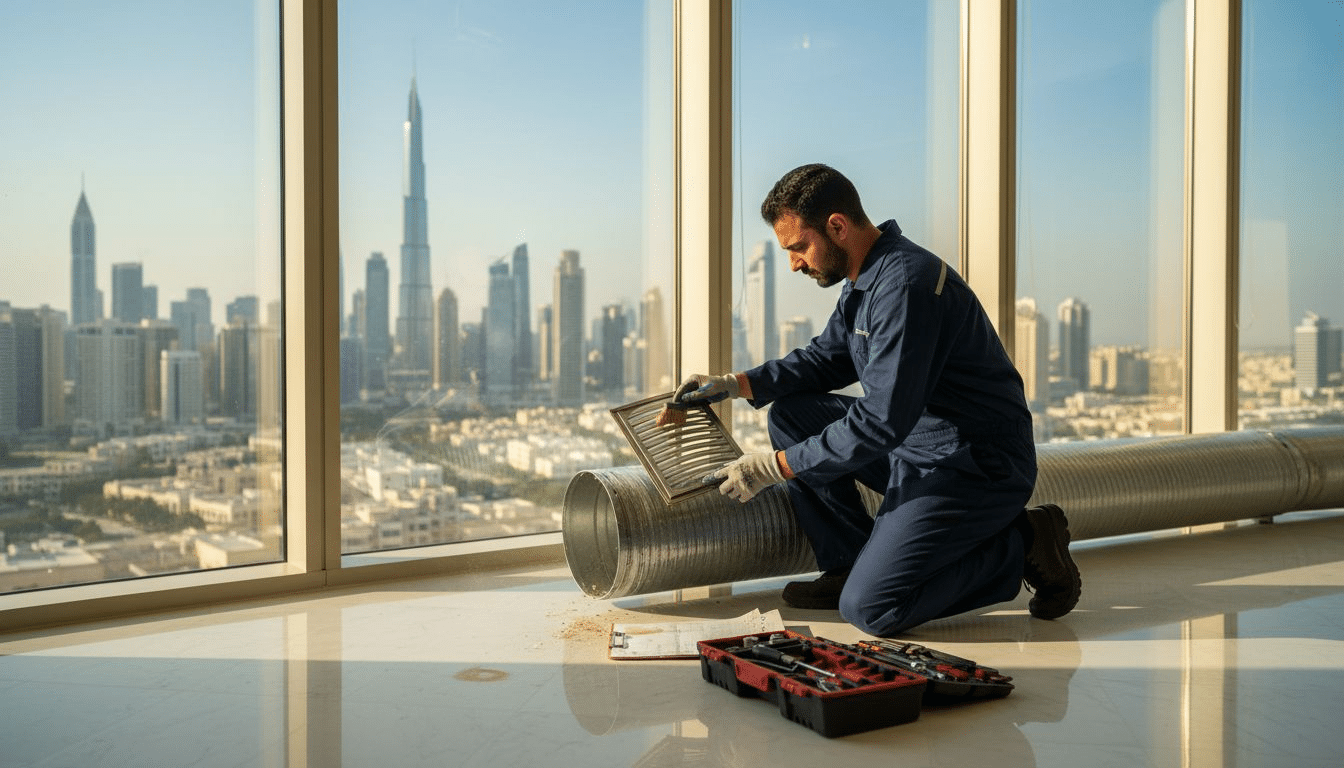
HVAC Cleaning Terminology: Clarity for Healthier Air
Most American property owners would be surprised to learn that poor HVAC cleaning can allow up to 30 percent more pollutants to circulate indoors. In Dubai’s high-end homes and offices, clean air is linked closely to comfort and well-being. Knowing the right HVAC cleaning terminology helps you make informed maintenance decisions, prevent misunderstandings with professionals, and protect your investment from hidden risks to air quality.
Table of Contents
Contents
- 1 Table of Contents
- 2 Key Takeaways
- 3 Defining HVAC Cleaning Terminology and Concepts
- 4 Major Types of HVAC Contaminants Explained
- 5 Essential Terms for Deep Cleaning Processes
- 6 Key Safety, Certification, and Compliance Jargon
- 7 Common Misconceptions and Industry Pitfalls
- 8 Achieve Truly Healthier Air with Expert HVAC Cleaning Solutions
- 9 Frequently Asked Questions
- 10 Recommended
- Defining HVAC Cleaning Terminology and Concepts
- Major Types of HVAC Contaminants Explained
- Essential Terms for Deep Cleaning Processes
- Key Safety, Certification, and Compliance Jargon
- Common Misconceptions and Industry Pitfalls
Key Takeaways
| Point | Details |
|---|---|
| Importance of HVAC Cleaning | Regular HVAC cleaning is essential for maintaining indoor air quality, particularly in humid environments like Dubai. Schedule professional cleaning every 12-18 months to prevent contaminant buildup. |
| Types of HVAC Contaminants | Contaminants include biological pollutants, particulate matter, and chemical compounds, all of which can negatively impact health and system performance. Understanding their sources helps in effective remediation. |
| Advanced Cleaning Techniques | Professional deep cleaning involves methods like HEPA filtration and sanitization to comprehensively remove contaminants, ensuring long-term air quality improvement. |
| Safety and Compliance | Understanding HVAC safety, certification standards, and environmental compliance is crucial for ensuring effective service and protecting residents’ health. Always seek documented proof of service provider certifications. |
Defining HVAC Cleaning Terminology and Concepts
Understanding HVAC cleaning terminology is crucial for maintaining healthy indoor air quality in Dubai’s luxury residential and commercial spaces. At its core, HVAC cleaning refers to the systematic process of removing contaminants, dust, and microbial growth from heating, ventilation, and air conditioning systems. These intricate networks of components work together to regulate temperature, humidity, and air circulation, making their maintenance critical for respiratory health.
HVAC systems comprise several key components that require specialized cleaning approaches. Air handling units (AHUs) are central to this process, acting as the respiratory system of any building. These units include critical elements such as cooling coils, drain pans, air filters, and ductwork. Each component demands unique cleaning techniques to prevent microbial contamination and ensure optimal system performance. The Environmental Protection Agency guidelines suggest specific cleaning frequencies based on environmental conditions, usage patterns, and potential contaminant exposure.
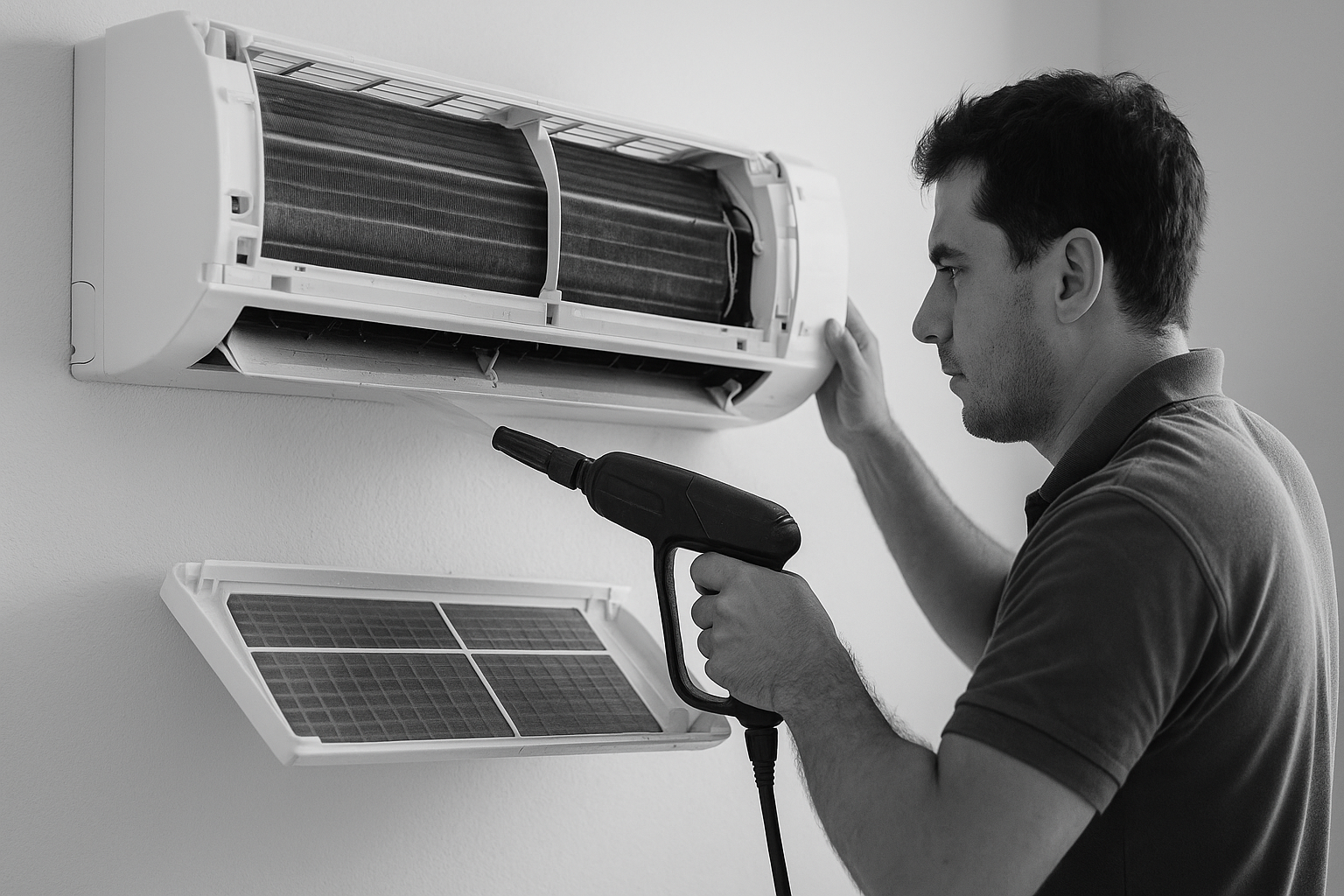
Professional HVAC cleaning involves several sophisticated techniques beyond simple surface cleaning. Biofilm removal targets microscopic bacterial colonies that can accumulate on internal surfaces, while microbial disinfection uses hospital-grade sanitizers to eliminate potential health risks. Technicians like those at SaniAC by Saniservice employ advanced methods such as high-pressure air washing, chemical treatment, and specialized antimicrobial coatings to ensure comprehensive system hygiene.
Pro Tip – HVAC Maintenance Strategy: Schedule professional HVAC cleaning every 12-18 months, or more frequently in high-humidity environments like Dubai, to prevent microbial growth and maintain optimal indoor air quality.
Major Types of HVAC Contaminants Explained
HVAC systems in Dubai’s humid environment are particularly vulnerable to a diverse range of contaminants that can compromise indoor air quality and system performance. Biological contaminants represent the most significant threat to healthy indoor environments, with potential health implications for residents of luxury villas and commercial spaces.
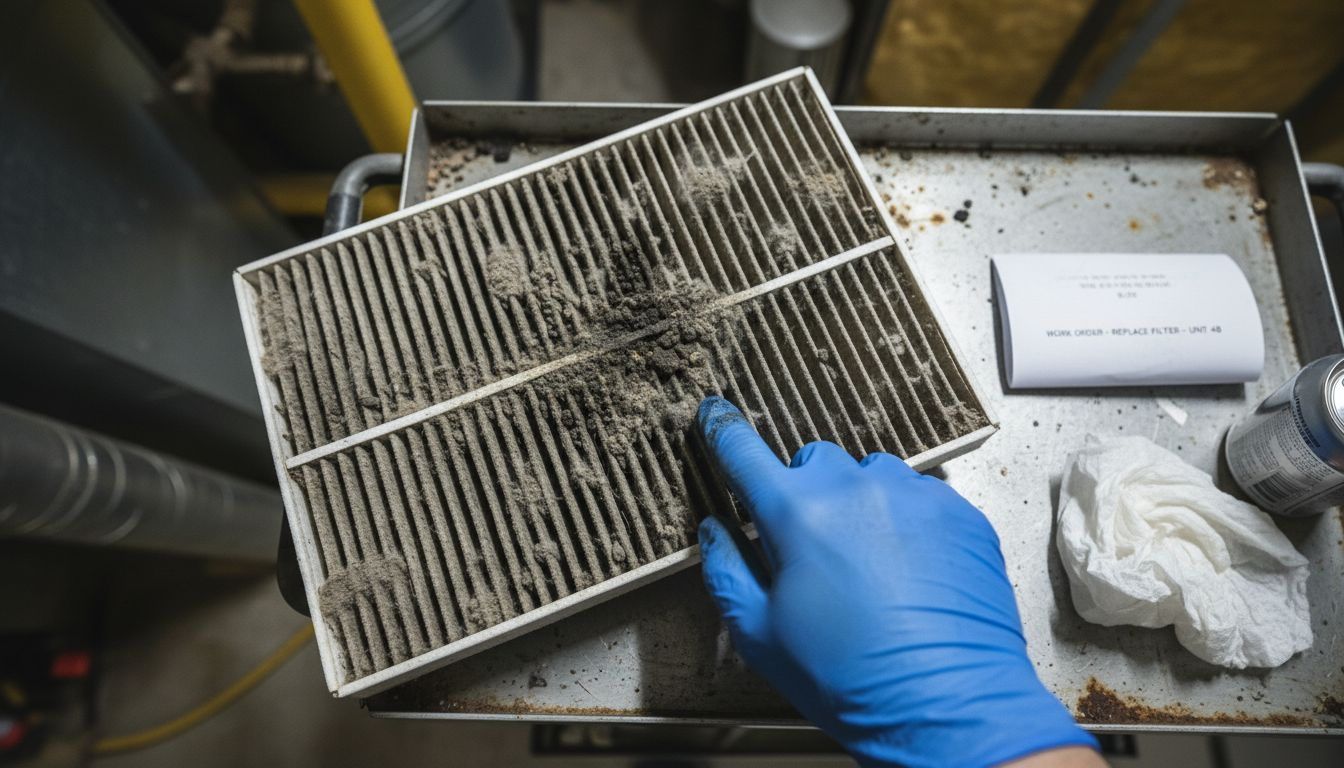
The primary categories of HVAC contaminants include biological pollutants, particulate matter, and chemical compounds. Biological contaminants encompass microorganisms like mold, bacteria, viruses, dust mites, and fungal spores that thrive in humid conditions. These microbes can rapidly multiply in dark, moist environments such as drain pans, cooling coils, and air ducts. Particulate matter includes dust, pollen, pet dander, and microscopic debris that accumulate within HVAC system components, reducing system efficiency and air quality.
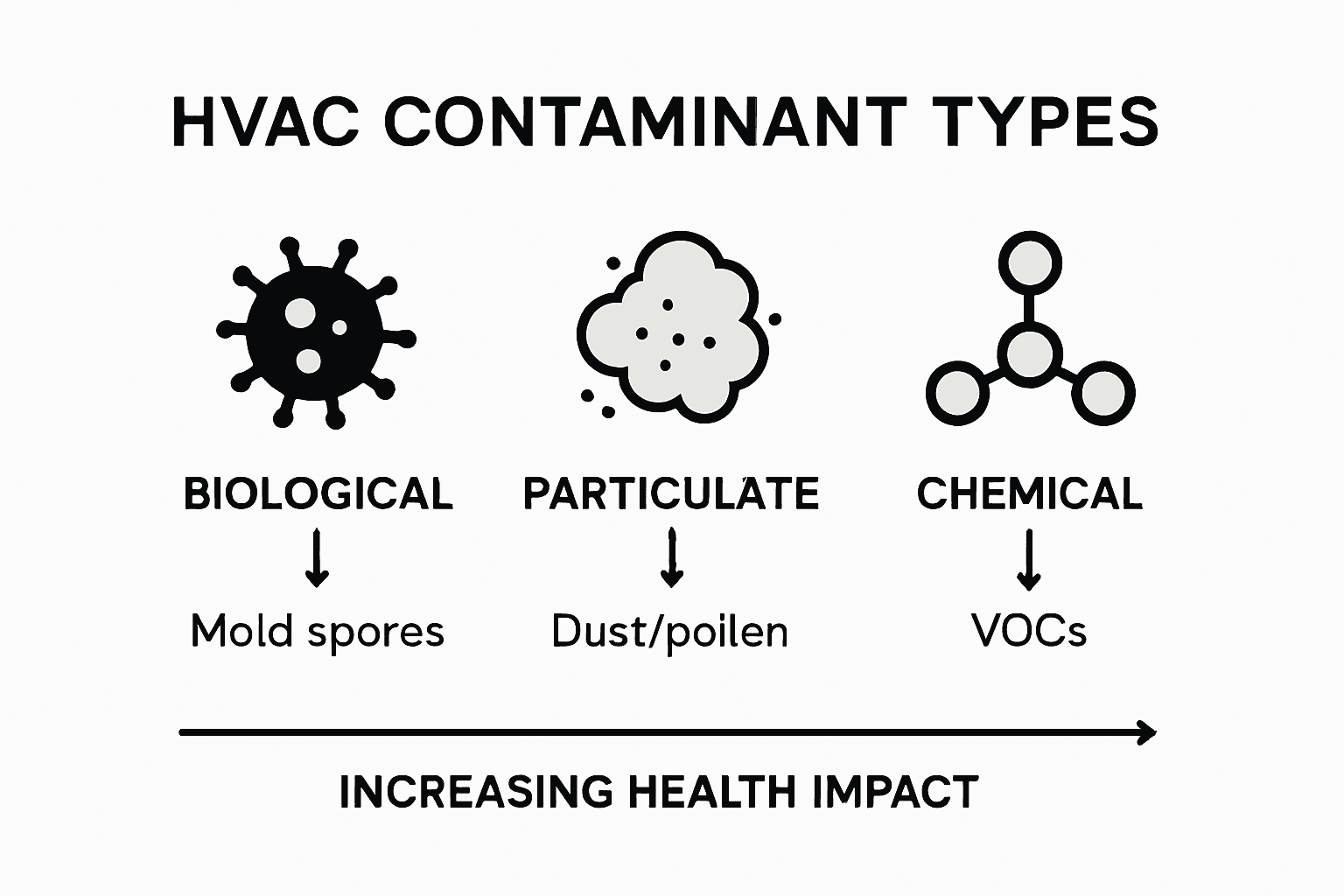
Chemical contaminants pose another significant risk, originating from volatile organic compounds (VOCs) released by building materials, cleaning products, furnishings, and outdoor pollution. These compounds can circulate through HVAC systems, introducing potential respiratory irritants and long-term health risks. Advanced diagnostic techniques used by SaniAC by Saniservice can detect and measure these contaminants, providing comprehensive insights into indoor air composition and potential health hazards.
Here is a comparison of common HVAC contaminants, their origins, and health impacts:
| Contaminant Type | Primary Source | Potential Health Impact |
|---|---|---|
| Biological | Mold, bacteria, viruses | Allergies, infections |
| Particulate | Dust, pollen, dander | Asthma, respiratory issues |
| Chemical | VOCs, cleaners, materials | Headaches, long-term illness |
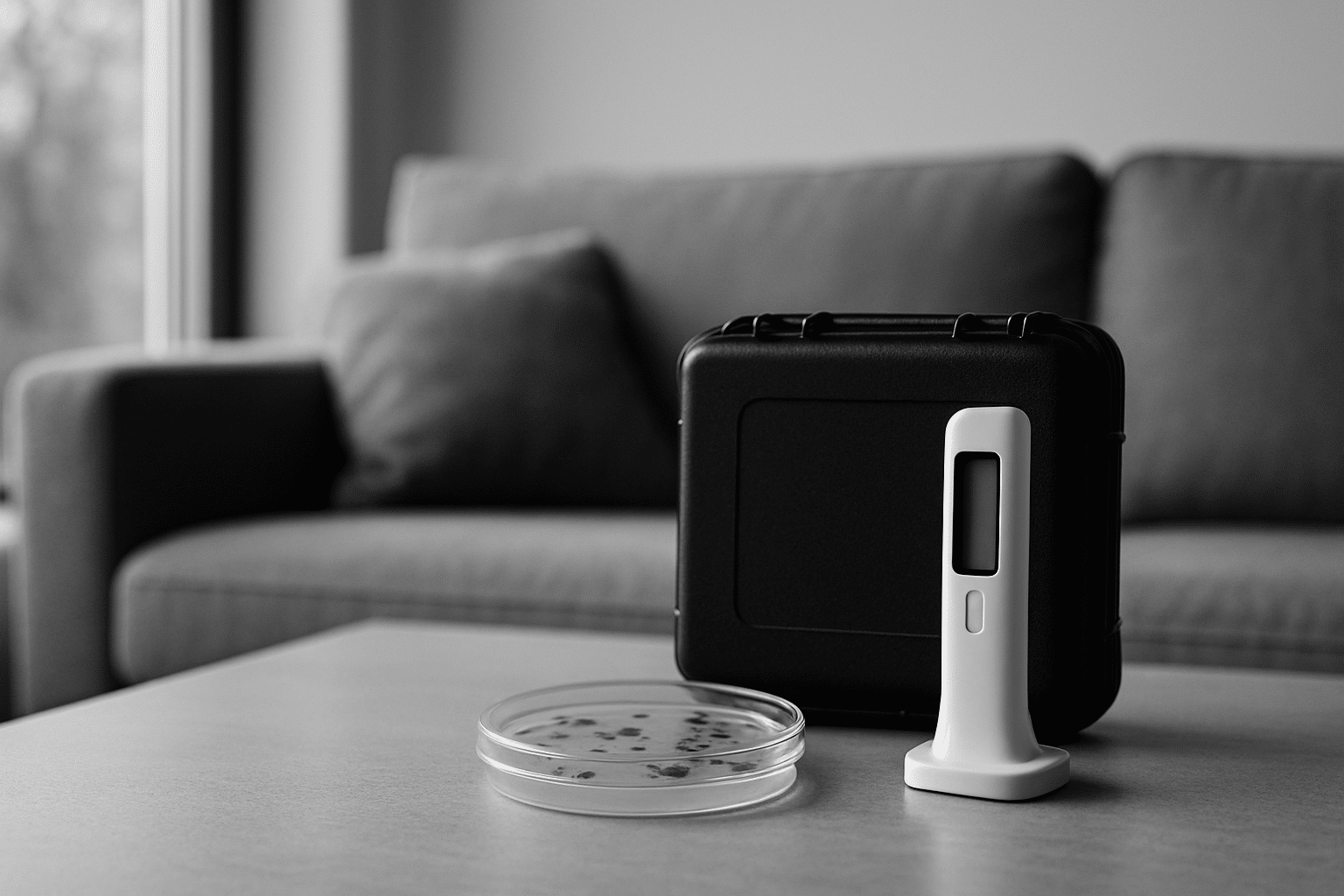
Pro Tip – Contamination Detection: Conduct professional HVAC air quality testing annually, especially in high-humidity regions like Dubai, to identify and mitigate potential contaminant buildup before it becomes a significant health risk.
Essential Terms for Deep Cleaning Processes
Professional HVAC deep cleaning involves a complex array of specialized techniques and terminologies that go far beyond standard maintenance. Comprehensive air duct inspection protocols form the foundational first step in understanding the intricate process of system sanitization, particularly in Dubai’s challenging humidity environments.
Key terminology in deep cleaning processes includes mechanical agitation, source removal, and sanitization. Mechanical agitation refers to the physical dislodging of accumulated contaminants using specialized brushes, compressed air tools, and high-powered vacuum systems designed to break up stubborn debris within HVAC components. Source removal involves the complete extraction of dislodged contaminants, ensuring that particles are not simply redistributed throughout the system. Sanitization represents the critical final stage, where hospital-grade antimicrobial treatments eliminate remaining microorganisms and prevent future microbial growth.
Advanced deep cleaning techniques also encompass negative air pressure methods, HEPA filtration, and biofilm disruption. Technicians at SaniAC by Saniservice utilize sophisticated diagnostic tools to map contamination patterns, identify potential microbial colonies, and develop targeted cleaning strategies. These methods go beyond surface-level cleaning, addressing the root causes of indoor air quality degradation by systematically removing biological and chemical contaminants from every accessible component of the HVAC system.
This table summarizes advanced HVAC deep cleaning technologies and their benefits:
| Technology | Description | Key Benefit |
|---|---|---|
| HEPA Filtration | Captures micro particles during cleaning | Enhances air purity |
| Negative Air Pressure | Isolates contaminants during extraction | Prevents recontamination |
| Biofilm Disruption | Breaks down bacterial biofilms | Reduces microbial growth |
Pro Tip – Cleaning Process Understanding: Request a detailed pre and post-cleaning diagnostic report from your HVAC technician, which should include visual documentation and microscopic analysis of contaminant removal to ensure comprehensive system sanitization.
Key Safety, Certification, and Compliance Jargon
Navigating the complex landscape of HVAC safety and compliance requires understanding a specialized set of technical and regulatory terminologies crucial for maintaining high-performance indoor environments. Regulatory standards for refrigerant handling and environmental impact represent a critical component of professional HVAC management, particularly in environmentally sensitive regions like the United Arab Emirates.
Key compliance terminology includes certification standards, environmental compliance, and safety protocols. Certification standards like NADCA (National Air Duct Cleaning Association) and ISO accreditations provide benchmarks for professional competence and service quality. Environmental compliance focuses on regulations surrounding refrigerant management, emissions control, and sustainable practices. Safety protocols encompass comprehensive guidelines for technician training, equipment handling, and risk mitigation strategies that protect both personnel and building occupants.
Professional HVAC service providers like SaniAC by Saniservice must navigate complex regulatory frameworks that include international standards such as ISO 9001, 14001, and 45001. These certifications demonstrate a commitment to quality management, environmental responsibility, and occupational health and safety. Advanced compliance terminology also includes concepts like refrigerant recovery, emissions tracking, and sustainable refrigeration practices, which are increasingly important in addressing global environmental challenges and local regulatory requirements.
Pro Tip – Compliance Verification: Always request documented evidence of a service provider’s professional certifications and compliance credentials before engaging their HVAC cleaning and maintenance services.
Common Misconceptions and Industry Pitfalls
Misconceptions about HVAC cleaning can lead to expensive and potentially harmful interventions, particularly in complex environments like Dubai’s luxury residential and commercial spaces. Homeowners and property managers often fall prey to oversimplified narratives about system maintenance, which can result in ineffective or even counterproductive cleaning approaches.
One prevalent misconception is the belief that more frequent cleaning automatically ensures better air quality. In reality, unnecessary interventions can potentially damage HVAC components or redistribute contaminants. Unnecessary cleaning can introduce more problems than solutions, potentially damaging delicate system components or creating microscopic abrasions that accelerate wear. Another critical misunderstanding involves assuming all HVAC service providers possess equal expertise. Professional standards vary significantly, and not all technicians understand the nuanced requirements of sophisticated systems found in high-end Dubai properties.
Specialized diagnostic techniques are crucial in separating legitimate maintenance needs from unnecessary interventions. Technicians at SaniAC by Saniservice employ advanced microscopic analysis and environmental testing to determine actual contamination levels, moving beyond generic cleaning protocols. False positives in contamination assessment can lead to unnecessary expenses, while false negatives might allow dangerous microbial growth to continue unabated. Understanding these subtle distinctions requires scientific precision and comprehensive system knowledge that goes far beyond surface-level cleaning techniques.
Pro Tip – Expert Verification: Always request detailed pre-cleaning diagnostic reports that provide empirical evidence of contamination levels before authorizing any HVAC cleaning service.
Achieve Truly Healthier Air with Expert HVAC Cleaning Solutions
Understanding the complex terminology and challenges of HVAC cleaning is the first step toward safeguarding your indoor air quality and health. This article highlights crucial concepts like microbial disinfection, biofilm removal, and the importance of professional diagnostic testing to prevent costly mistakes and protect your home or commercial space from harmful contaminants. If you want to address these specific pain points with proven science-backed strategies, Saniservice offers unmatched expertise that transforms HVAC maintenance into a comprehensive health solution.
Discover why precision matters You deserve more than surface-level cleaning when it comes to your air conditioning system. Our NADCA-certified technicians meticulously dismantle and deep-clean every AC component using hospital-grade, chemical-free biosanitisers engineered to eliminate mold, bacteria, and allergens with lasting results. Backed by a multidisciplinary team and in-house microbiology lab, Saniservice delivers measurable improvement in indoor air quality, system efficiency, and safety for Dubai’s demanding environments.
Ready to protect your family or clients with professional HVAC care that goes beyond buzzwords? Explore real outcomes in our Case Studies – Saniservice AC Cleaning and learn about tailored solutions in our AC Cleaning & Maintenance – Saniservice AC Cleaning. Take control of your indoor environment today by visiting Saniservice and scheduling your expert assessment for cleaner, healthier air now.
Frequently Asked Questions
What is HVAC cleaning?
HVAC cleaning refers to the systematic process of removing contaminants, dust, and microbial growth from heating, ventilation, and air conditioning systems to maintain healthy indoor air quality.
Why is it important to clean HVAC systems?
Cleaning HVAC systems helps prevent the buildup of harmful contaminants such as mold, bacteria, and particulate matter, which can negatively impact respiratory health and system efficiency.
How often should HVAC cleaning be performed?
It is recommended to schedule professional HVAC cleaning every 12-18 months, or more frequently in high-humidity environments, to maintain optimal indoor air quality and prevent microbial growth.
What are biological and chemical contaminants in HVAC systems?
Biological contaminants include microorganisms like mold and bacteria, while chemical contaminants consist of volatile organic compounds (VOCs) from building materials and cleaning products that can pose health risks when circulated through the HVAC system.


Leave a Reply