7 Mold Prevention Tips for Healthier Dubai Villas
Most luxury villa owners in Dubai overlook a critical fact: more than 45 percent of American homes suffer mold issues linked to hidden moisture. In a climate as humid as the United Arab Emirates, unchecked water problems can rapidly threaten both air quality and property value. Mold prevention tips protecting your high end villa means staying one step ahead with proactive strategies that address leaks, humidity, and ventilation from the ground up.
Table of Contents
Contents
- 1 Table of Contents
- 2 Quick Summary
- 3 1. Regularly Inspect for Moisture and Leaks
- 4 2. Maintain Proper Ventilation Throughout the Villa
- 5 3. Control Indoor Humidity Levels Effectively
- 6 4. Invest in Professional AC Cleaning and Disinfection
- 7 5. Promptly Address Water Damage and Spills
- 8 6. Use Mold-Resistant Materials in Key Areas
- 9 7. Schedule Routine Mold Assessments by Experts
- 10 Protect Your Dubai Villa from Mold with Expert AC Cleaning Solutions
- 11 Frequently Asked Questions
- 11.0.1 How can I prevent moisture buildup in my Dubai villa?
- 11.0.2 What steps should I take to ensure proper ventilation in my villa?
- 11.0.3 How can I control indoor humidity levels effectively?
- 11.0.4 Why is professional AC cleaning important for mold prevention?
- 11.0.5 What materials should I use to reduce mold risk in key areas of my villa?
- 11.0.6 How often should I schedule professional mold assessments?
- 12 Recommended
- 1. Regularly Inspect For Moisture And Leaks
- 2. Maintain Proper Ventilation Throughout The Villa
- 3. Control Indoor Humidity Levels Effectively
- 4. Invest In Professional AC Cleaning And Disinfection
- 5. Promptly Address Water Damage And Spills
- 6. Use Mold-Resistant Materials In Key Areas
- 7. Schedule Routine Mold Assessments By Experts
Quick Summary
| Takeaway | Explanation |
|---|---|
| 1. Inspect Regularly for Moisture | Consistent inspections prevent mold by identifying hidden moisture sources quickly in your villa. |
| 2. Maintain Proper Ventilation | Effective air circulation reduces humidity and discourages mold growth, especially in damp areas like kitchens and bathrooms. |
| 3. Control Indoor Humidity Levels | Keep humidity between 30-50% using dehumidifiers and hygrometers to prevent mold establishment in your villa. |
| 4. Address Water Damage Quickly | Immediate response to spills and leaks is crucial; act within 24-48 hours to prevent mold growth from excess moisture. |
| 5. Invest in Professional Assessments | Schedule routine mold inspections to identify hidden risks and receive targeted recommendations for mold prevention tailored to your villa. |
1. Regularly Inspect for Moisture and Leaks
Moisture control is the first line of defense against mold growth in Dubai villas. Consistent and thorough inspections can prevent costly damage and protect your indoor air quality.
In the humid climate of the United Arab Emirates, water can accumulate quickly in hidden areas, creating ideal conditions for mold proliferation. Moisture sources must be identified rapidly to stop potential growth before it becomes a significant problem.
Focus on critical areas prone to moisture buildup such as bathrooms, kitchens, air conditioning units, window frames, and wall intersections. Check for subtle signs like water stains, discoloration, peeling paint, or a musty odor that might indicate underlying moisture issues.
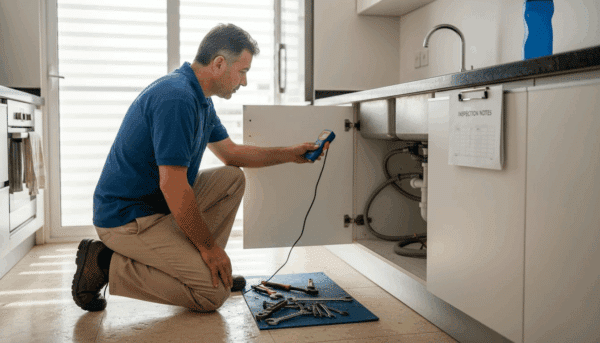
Pay special attention to areas around plumbing fixtures, beneath sinks, behind appliances, and near exterior walls. These locations are most susceptible to water intrusion and can harbor mold growth without immediate detection.
Utilize a moisture meter for precise measurements in suspected damp areas. This tool helps identify moisture levels even when visual signs are not apparent, allowing you to address potential problems before they escalate.
If you discover any leaks, address them immediately. The US Environmental Protection Agency recommends drying water damaged areas within 24 to 48 hours to prevent mold establishment.
Pro tip: Schedule quarterly professional inspections with HVAC specialists who can detect hidden moisture problems in your villa’s air conditioning system and structural components.
2. Maintain Proper Ventilation Throughout the Villa
Effective ventilation is your first line of defense against mold growth in Dubai’s humid environment. Proper air circulation helps control moisture levels and creates an inhospitable environment for mold spores.
The American Society of Heating, Refrigerating and Air Conditioning Engineers (ASHRAE) emphasizes the critical role of indoor air circulation and humidity control in preventing mold proliferation. In Dubai villas, where temperatures and humidity can fluctuate dramatically, strategic ventilation becomes even more important.
Start by ensuring all rooms have adequate air movement. Open windows during cooler hours, use ceiling fans, and run exhaust fans in moisture prone areas like bathrooms and kitchens. The Environmental Protection Agency recommends focusing on spaces where moisture typically accumulates to prevent mold establishment.
Consider installing whole house ventilation systems that continuously exchange indoor and outdoor air. These systems help remove humid air and replace it with drier, fresher air, significantly reducing the potential for mold growth. In Dubai’s climate, such systems are not just a luxury but a necessity for maintaining healthy indoor environments.
Pay special attention to areas with limited natural airflow such as closets, storage rooms, and basement spaces. Use dehumidifiers in these zones and consider installing small fans to promote air circulation.
Pro tip: Invest in humidity meters to monitor indoor moisture levels and aim to maintain humidity between 30 and 50 percent to create an environment that discourages mold growth.
3. Control Indoor Humidity Levels Effectively
Managing indoor humidity is crucial for preventing mold growth in Dubai’s challenging climate. Understanding and controlling moisture levels can protect your villa from potential health hazards and structural damage.
The American Society of Heating, Refrigerating and Air Conditioning Engineers (ASHRAE) recommends maintaining humidity between 30 and 50 percent to effectively inhibit mold development. In Dubai, where high temperatures and humidity are constant challenges, this becomes even more critical.
Invest in high quality dehumidifiers strategically placed in moisture prone areas such as bathrooms, kitchens, laundry rooms, and storage spaces. These devices actively remove excess moisture from the air, creating an environment that discourages mold growth.
Modern air conditioning systems play a significant role in humidity control. Ensure your AC units are properly sized for your villa and regularly maintained. The Environmental Protection Agency suggests using air conditioners with built in dehumidification features to keep indoor moisture levels consistently low.
Monitor humidity levels using digital hygrometers placed in different rooms. These affordable devices provide real time readings, allowing you to take immediate action if humidity approaches dangerous levels. Look for models that provide alerts when humidity exceeds recommended thresholds.
Pro tip: Consider using silica gel packets in closed spaces like wardrobes and storage areas to absorb additional moisture and protect clothing and documents from humidity damage.
4. Invest in Professional AC Cleaning and Disinfection
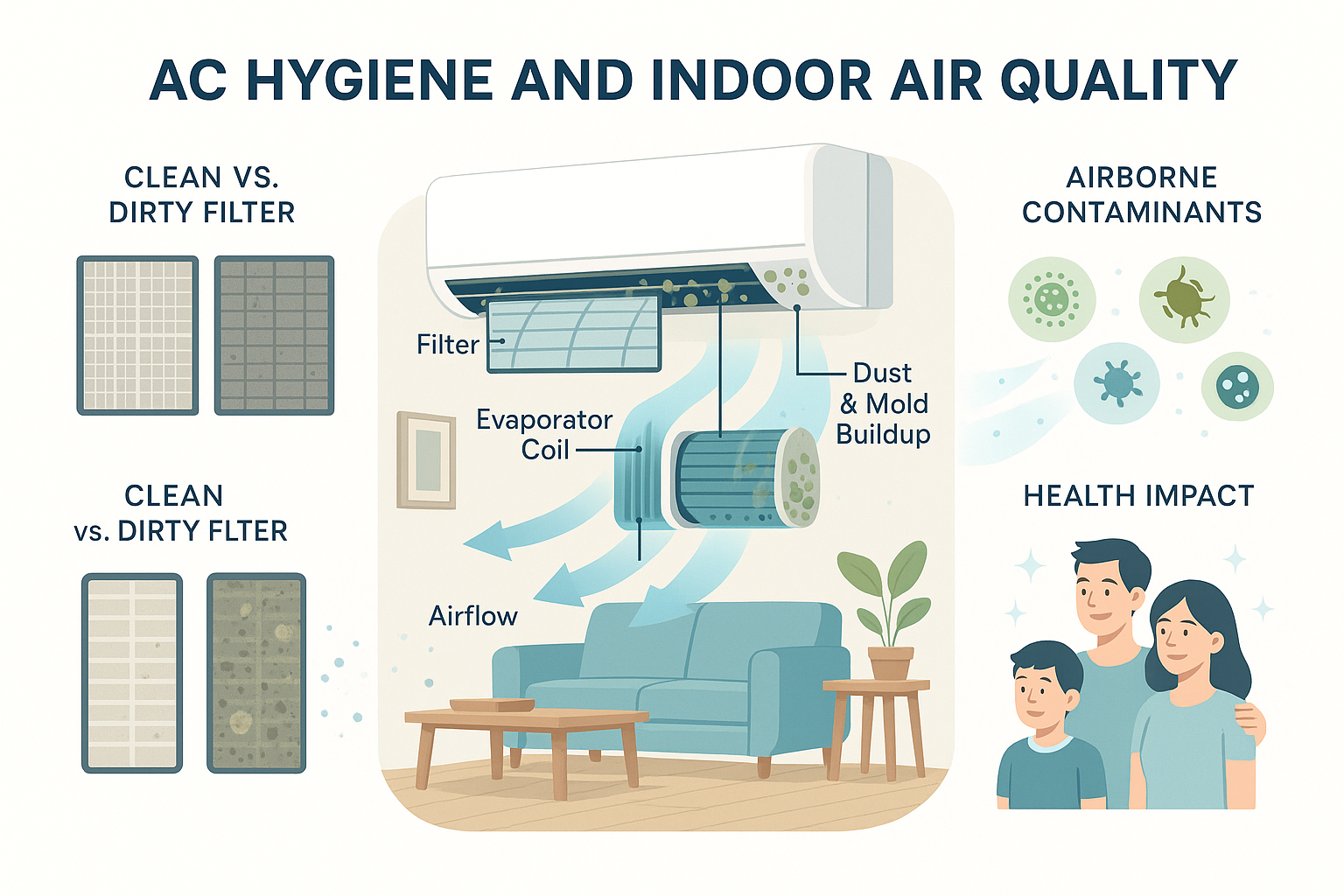
Your air conditioning system is more than just a cooling mechanism its a potential breeding ground for mold and bacteria. Professional AC cleaning and disinfection are critical steps in maintaining a healthy indoor environment in Dubai’s challenging climate.
The Dubai Municipality clearly emphasizes the importance of HVAC system maintenance and disinfection to prevent mold growth and ensure indoor air quality. Professional cleaning goes beyond surface level cleaning and addresses hidden microbiological threats within your AC system.
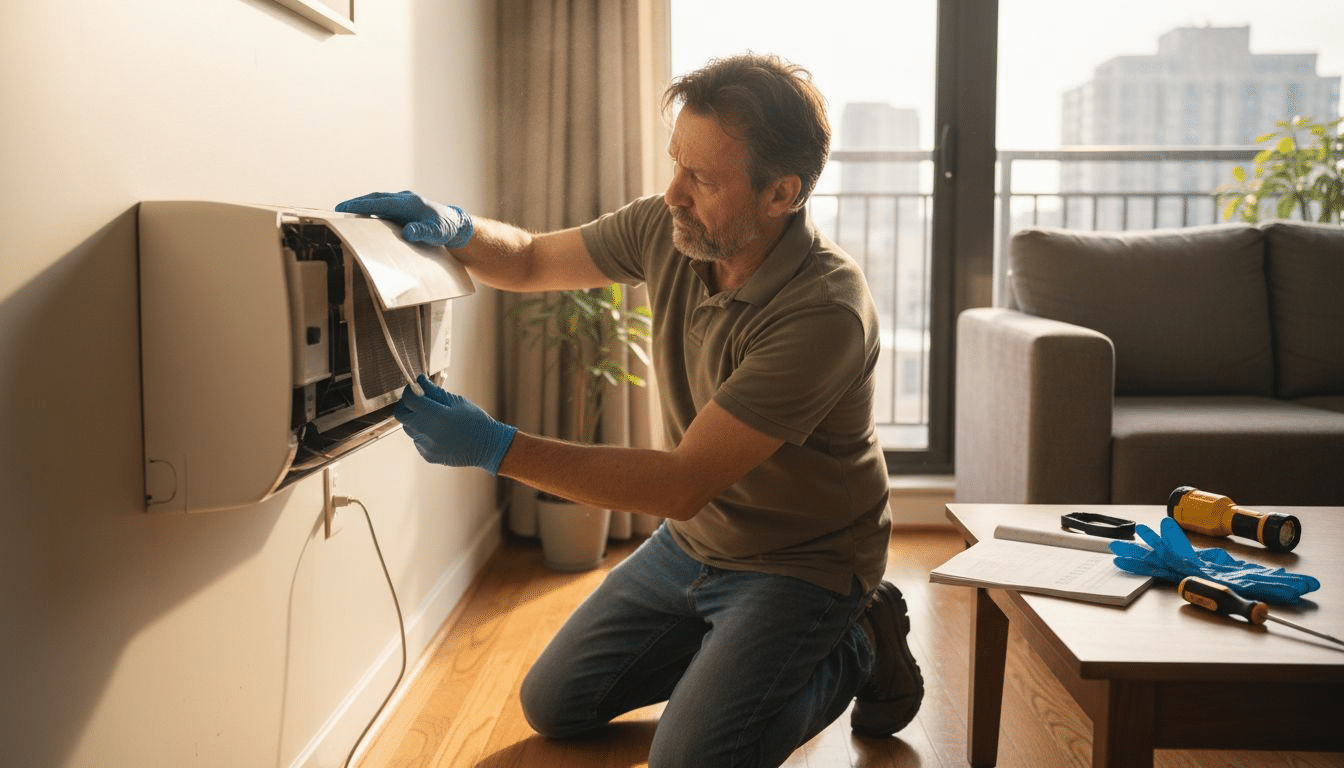
Air conditioning units in Dubai are particularly vulnerable to mold growth due to constant high humidity and temperature fluctuations. Professional technicians use specialized equipment to thoroughly clean and disinfect all components including cooling coils, condensate drain lines, air ducts, and internal surfaces where moisture can accumulate.
The Environmental Protection Agency recommends regular professional inspections because HVAC systems can harbor significant mold colonies if left unchecked. These hidden mold reservoirs can continuously release spores into your living space, potentially causing respiratory issues and allergic reactions.
When selecting a professional AC cleaning service, look for certifications from recognized bodies like NADCA (National Air Duct Cleaners Association) and companies with in house microbiology laboratories. Ensure they use hospital grade biosanitizers that eliminate mold without introducing harmful chemicals.
Pro tip: Schedule professional AC cleaning and disinfection at least twice a year in Dubai preferably before the peak summer and winter seasons to maintain optimal indoor air quality and system performance.
5. Promptly Address Water Damage and Spills
In Dubai’s humid environment, water damage can quickly escalate into a serious mold problem if not addressed immediately. Every minute counts when unexpected moisture appears in your villa.
The Centers for Disease Control provides critical guidance about addressing water damage rapidly, emphasizing the crucial 24 to 48 hour window for preventing mold establishment. Water can seep into porous materials like drywall, carpets, and wooden surfaces, creating an ideal breeding ground for mold spores.
Immediate action requires a systematic approach. Start by stopping the water source and removing standing water using wet vacuums or towels. Completely dry affected areas using fans, dehumidifiers, and open windows to enhance air circulation.
For larger water damage events, consider professional water extraction services that have specialized equipment to remove moisture from deep within building materials. Pay extra attention to hidden areas like wall cavities, under flooring, and behind furniture where moisture can remain undetected.
Document the water damage and its mitigation process. Take photographs for insurance purposes and track the drying progress. In some cases, materials like carpets or insulation might need complete replacement if thorough drying is not possible.
Pro tip: Keep a dedicated emergency water damage kit in your villa with towels, fans, plastic sheeting, and moisture absorbing materials to enable rapid response during unexpected water incidents.
6. Use Mold-Resistant Materials in Key Areas
Strategic material selection can be a powerful defense against mold growth in Dubai’s challenging humid environment. Choosing the right materials for moisture prone areas can significantly reduce your villa’s vulnerability to mold infestations.
The Environmental Protection Agency recommends selecting mold resistant building materials for areas with high potential for moisture exposure. In Dubai villas, this strategy is especially crucial given the persistent high humidity and temperature conditions.
Focus on key areas such as bathrooms, kitchens, laundry rooms, and areas near air conditioning units. Use mold resistant drywall, which contains fiberglass instead of paper facing, making it more difficult for mold to penetrate and grow. Select paint with antimicrobial additives specifically designed to inhibit mold and mildew development.
Consider using materials like ceramic tiles, porcelain, glass, and sealed concrete in wet areas. These surfaces are less porous and do not retain moisture, making them naturally resistant to mold growth. For flooring, choose materials like luxury vinyl tiles or sealed stone that can withstand humidity and are easy to clean.
When renovating or building, request mold resistant insulation materials and sealants. Some modern building materials are engineered with built in antimicrobial properties that provide an additional layer of protection against potential mold growth.
Pro tip: Always verify the moisture resistance rating of building materials and request professional consultation to ensure you select the most appropriate options for Dubai’s specific climate conditions.
7. Schedule Routine Mold Assessments by Experts
Preventing mold is more complex than simple surface cleaning, especially in Dubai’s challenging climate. Professional mold assessments provide a critical defense against hidden environmental threats.
The Centers for Disease Control emphasizes the importance of professional mold testing and risk evaluation to identify potential health risks before they become serious problems. Expert assessments go far beyond what untrained eyes can detect.
These comprehensive evaluations typically involve advanced moisture mapping, thermal imaging, air quality testing, and microscopic analysis of potential contamination sites. Trained professionals use specialized equipment to detect moisture levels within walls, under flooring, and in air conditioning systems where mold can grow unnoticed.
Schedule these professional assessments at least twice annually in Dubai, ideally before the peak summer and winter seasons when humidity levels fluctuate dramatically. Experts can identify potential risk areas, recommend targeted interventions, and help you develop a proactive mold prevention strategy specific to your villa.
Qualified assessors will provide a detailed report documenting potential moisture sources, hidden mold colonies, and specific recommendations for remediation and future prevention. They can also help you understand the unique environmental challenges your villa faces.
Pro tip: When selecting a mold assessment professional, verify their certifications, request sample reports, and ensure they have specific experience working in Dubai’s unique climate and building environments.
Below is a comprehensive table summarizing the key strategies for mold prevention discussed throughout the article.
| Strategy | Implementation | Benefits |
|---|---|---|
| Regular moisture inspections | Examine areas prone to moisture, such as bathrooms and kitchens. Use a moisture meter to quantify levels. Address any leaks promptly. | Prevent mold growth and maintain healthy indoor air quality. |
| Maintain proper ventilation | Ensure air circulation using fans, exhaust systems, and whole-house ventilation solutions. Focus on moisture-prone areas. | Reduces moisture accumulation and discourages mold proliferation. |
| Control humidity levels | Use dehumidifiers and air conditioners with humidity management features. Monitor with hygrometers. Maintain indoor humidity between 30-50%. | Protects the villa from humidity-induced mold and enhances comfort. |
| Professional AC cleaning | Schedule biannual HVAC inspections and cleaning using certified professionals. Prioritize hospital-grade biosanitizers. | Prevents mold and bacteria buildup within air conditioning systems. |
| Immediate water damage response | Use vacuums, towels, and fans to dry areas within 24-48 hours. Replace irreparable materials. | Minimizes mold growth risk and reduces structural damage. |
| Use mold-resistant materials | Install moisture-resistant building materials like fiberglass drywall in susceptible areas. | Enhances durability and reduces mold vulnerability. |
| Conduct professional assessments | Schedule at least biannual expert evaluations for mold risks and moisture mapping. | Offers detailed insights into villa-specific mold risks for effective prevention. |
Protect Your Dubai Villa from Mold with Expert AC Cleaning Solutions
Living in Dubai means facing unique challenges like high humidity that encourage mold growth in your villa. This article highlights the importance of moisture control, proper ventilation, and regular AC maintenance to keep your home healthy. Mold in air conditioning systems can silently affect your indoor air quality and lead to costly damage if left untreated. You deserve the peace of mind knowing your villa’s air is clean and safe.
At Saniservice, we specialize in professional air conditioning cleaning and disinfection designed specifically for Dubai’s climate and buildings. Our NADCA-certified technicians use hospital-grade, chemical-free biosanitisers to eliminate mold, bacteria, and allergens from every AC component. Backed by our in-house microbiology laboratory and expert Indoor Sciences team, we bring science-backed precision to your villa’s indoor hygiene.
Don’t wait for mold issues to escalate. Discover how our expert services have transformed the indoor air quality for other homeowners in our Case Studies – Saniservice AC Cleaning. Take control of your villa’s health today by visiting Saniservice and schedule your professional AC cleaning to create a safer, fresher living environment.
Frequently Asked Questions
How can I prevent moisture buildup in my Dubai villa?
To prevent moisture buildup, regularly inspect areas prone to dampness such as bathrooms and kitchens. Take immediate action to fix any leaks or water damage you find to keep mold growth at bay.
What steps should I take to ensure proper ventilation in my villa?
Ensure proper ventilation by opening windows during cooler hours, using exhaust fans in bathrooms and kitchens, and installing whole-house ventilation systems. Strive for consistent air circulation, especially in areas with limited airflow, to reduce humidity and mold risk.
How can I control indoor humidity levels effectively?
To control indoor humidity, use high-quality dehumidifiers in moisture-prone areas like bathrooms and basements. Aim to maintain humidity levels between 30% and 50% by monitoring with hygrometers, which can provide alerts when adjustments are needed.
Why is professional AC cleaning important for mold prevention?
Professional AC cleaning is essential as air conditioning systems can harbor mold due to high humidity levels. Schedule cleaning at least twice a year to remove any mold growth and maintain a healthy indoor environment.
What materials should I use to reduce mold risk in key areas of my villa?
Use mold-resistant materials such as specialized drywall and antimicrobial paint in moisture-prone areas like bathrooms and kitchens. Consider installing less porous flooring solutions, which can significantly decrease the likelihood of mold growth in your villa.
How often should I schedule professional mold assessments?
Schedule professional mold assessments at least twice a year, especially before peak humidity seasons. These evaluations help identify potential mold risks, allowing you to take proactive measures to protect your villa.
Recommended
- 9 Critical Health Risks of Poor Indoor Air Quality Dubai Residents Must Know – Saniservice AC Cleaning
- 10 Key Insights on Indoor Air Quality Testing Dubai for Healthier Homes – Saniservice AC Cleaning
- 10 Must-Know Indoor Air Quality Improvement Solutions for Healthier Homes in Dubai – Saniservice AC Cleaning
- 10 Critical Insights About Indoor Air Quality Testing Kits Dubai: FAQ and Trusted Support for Air Conditioning Issues – Saniservice AC Cleaning