Why AC Hygiene Matters For Homes And Health
Why AC hygiene matters for homes becomes especially important in Dubai’s long, intense summers, where keeping indoor air fresh and healthy is just as crucial as staying cool. Many luxury villa owners assume that a simple filter change is enough, but true AC hygiene goes far beyond surface maintenance. Neglected internal ductwork, hidden moisture, and buildup inside the system can allow mold, dust, and contaminants to grow—quietly impacting energy efficiency and your family’s well-being. A complete, science-based AC hygiene approach helps protect indoor air quality, enhance comfort, and maximize your system’s long-term performance.
Table of Contents
Contents
- 1 Table of Contents
- 2 Key Takeaways
- 3 AC Hygiene Defined and Common Misconceptions
- 4 How Dirty AC Systems Impact Indoor Air Quality
- 5 Types of Contaminants in Home AC Units
- 6 Energy Efficiency and Cost Savings Explained
- 7 Health Risks Linked to Poor AC Maintenance
- 8 Best Practices for Safe, Effective AC Cleaning
- 9 Protect Your Home and Health with Expert AC Hygiene from Saniservice
- 10 Frequently Asked Questions
- 11 Recommended
- AC Hygiene Defined And Common Misconceptions
- How Dirty AC Systems Impact Indoor Air Quality
- Types Of Contaminants In Home AC Units
- Energy Efficiency And Cost Savings Explained
- Health Risks Linked To Poor AC Maintenance
- Best Practices For Safe, Effective AC Cleaning
Key Takeaways
| Point | Details |
|---|---|
| Understanding AC Hygiene | AC hygiene is a comprehensive approach focused on preventing microbial growth and improving indoor air quality, requiring more than surface cleaning. |
| Impact of Poor Maintenance | Dirty AC systems compromise indoor air quality, leading to respiratory issues and increased health risks, especially for vulnerable populations. |
| Contaminant Awareness | AC units accumulate various contaminants, including particulate matter and biological aerosols, that pose significant health threats. |
| Professional Maintenance Benefits | Regular professional maintenance enhances system efficiency, reduces energy costs, and minimizes health hazards related to poor air quality. |
AC Hygiene Defined and Common Misconceptions
Air conditioning hygiene extends far beyond simple surface cleaning. At its core, AC hygiene represents a comprehensive approach to maintaining indoor air quality, preventing microbial growth, and ensuring optimal system performance. Unlike popular misconceptions, this process involves more than just wiping visible surfaces.
In the context of Dubai’s unique climate, AC hygiene requires a sophisticated understanding of microbial ecosystems. Complex microbial interactions within HVAC systems demonstrate that indiscriminate sanitization can be counterproductive. The goal is not total sterilization, but creating an environment that minimizes harmful microorganisms while preserving beneficial microbial balance.
Common misconceptions about AC hygiene often stem from oversimplified understanding. Many residents believe that occasional filter replacement or superficial cleaning constitutes comprehensive maintenance. However, true AC hygiene involves systematic inspection, deep cleaning of internal components, drainage system maintenance, and addressing potential moisture accumulation zones. SaniAC by Saniservice recognizes that each AC system represents a complex microenvironment requiring specialized scientific approaches.
Pro tip: Schedule professional AC hygiene assessments at least twice annually to prevent potential microbial buildup and maintain optimal indoor air quality.
How Dirty AC Systems Impact Indoor Air Quality
In Dubai’s intense climate, air conditioning systems are not just comfort devices but critical health infrastructure. Dirty AC units dramatically compromise indoor air quality, transforming what should be a safe environment into a potential health hazard. These systems can become breeding grounds for multiple contaminants that continuously circulate through living spaces.
The accumulation of dust, mold spores, bacteria, and volatile organic compounds (VOCs) within unmaintained AC systems represents a significant environmental health risk. When air conditioning units are not professionally cleaned, they essentially become sophisticated pollution distribution networks. Particulate matter, allergens, and microscopic biological agents get trapped in filters, ductwork, and internal components, then repeatedly dispersed throughout homes and offices.
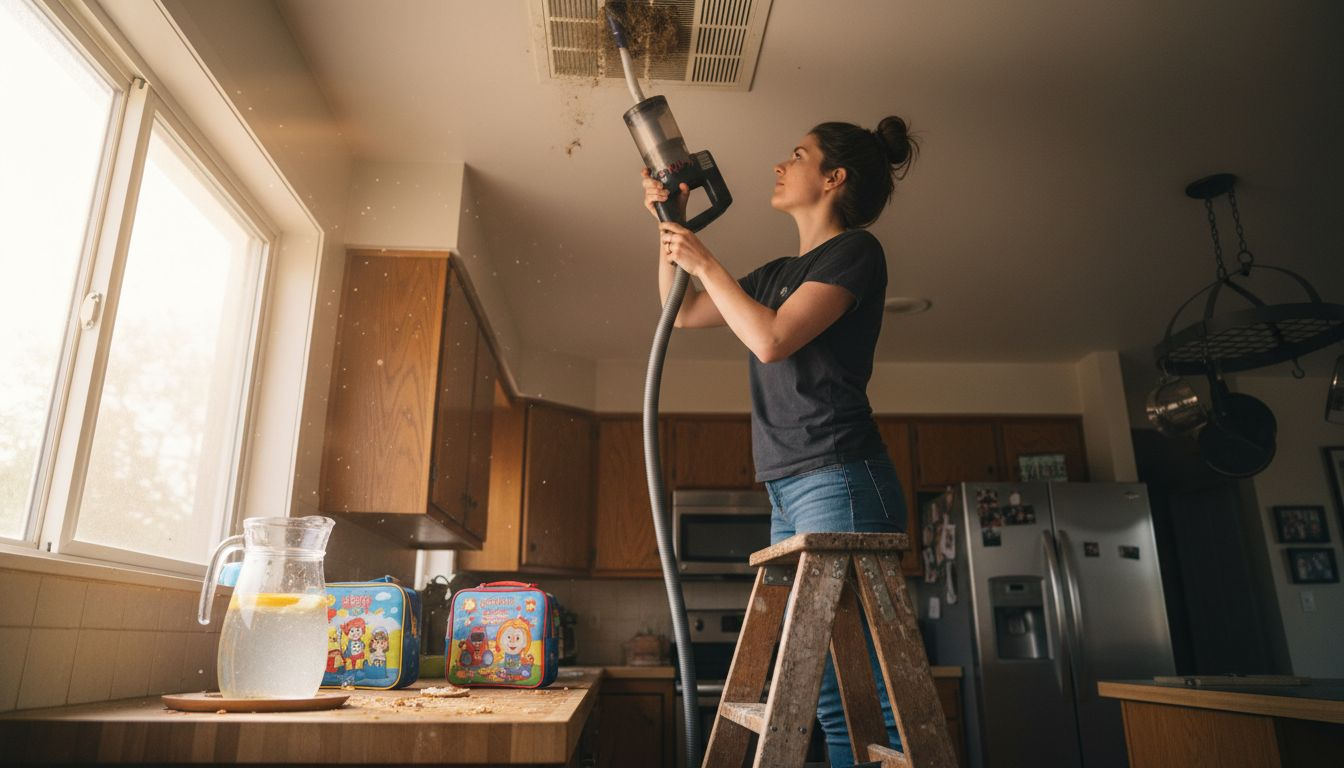
Poor AC maintenance directly impacts respiratory health, especially in vulnerable populations like children, elderly residents, and individuals with pre-existing conditions. Ineffective ventilation caused by contaminated systems reduces air exchange rates, allowing pollutants to concentrate and potentially trigger allergic reactions, asthma attacks, and other respiratory complications. The UAE’s high humidity further exacerbates these risks by creating ideal conditions for microbial growth.
Pro tip: Invest in professional AC cleaning services at least twice annually to prevent potential health risks and maintain optimal indoor air quality.
Types of Contaminants in Home AC Units
Diverse indoor air contaminants accumulate within home AC systems, creating complex environmental health challenges for Dubai residents. The harsh desert climate and high-density urban environments amplify the risk of contamination, transforming air conditioning units into potential sources of indoor pollution rather than protective barriers against external environmental stressors.
These contaminants can be categorized into several critical groups. Particulate matter includes microscopic solid and liquid particles ranging from PM2.5 to PM10, which can penetrate deep into respiratory systems. Biological aerosols represent another significant category, encompassing mold spores, bacteria, pollen, and animal dander. Volatile organic compounds (VOCs) from building materials, furniture, cleaning products, and outdoor pollution also infiltrate AC systems, creating a complex mixture of potentially harmful substances.
Unique to Dubai’s environment, AC units face additional contamination challenges due to extreme temperatures, high humidity, and dense urban construction. Indoor air pollutants pose significant health risks including respiratory complications, allergic reactions, and potential long-term health impacts. Carbon monoxide, nitrogen dioxide, and other gaseous pollutants can also become trapped within poorly maintained AC systems, circulating repeatedly through living spaces and potentially causing chronic health issues.
Here’s a summary of common contaminants found in home AC units and their potential health effects:
| Contaminant Type | Common Sources | Potential Health Effects |
|---|---|---|
| Particulate Matter | Dust, soil, construction | Irritation, asthma, allergies |
| Biological Aerosols | Mold, bacteria, pollen | Respiratory infections, allergies |
| Volatile Organic Compounds | Furniture, cleaning agents | Headaches, fatigue, nausea |
| Gaseous Pollutants | Cooking, outdoor air, cars | Cognitive impact, chronic illness |
Pro tip: Use high-quality HEPA filters and schedule professional AC cleaning every six months to minimize contaminant buildup and protect your indoor air quality.
Energy Efficiency and Cost Savings Explained
Energy efficiency in HVAC systems transforms cooling performance by minimizing wasted resources and reducing utility expenses for Dubai homeowners. In the UAE’s extreme climate, where air conditioning represents a substantial portion of household energy consumption, understanding the relationship between system maintenance and operational costs becomes critical for financial and environmental sustainability.
Properly maintained air conditioning units operate with significantly improved performance metrics. Efficiency improvements involve strategic interventions such as sealing potential air leaks, ensuring proper insulation, and maintaining clean internal components. These techniques reduce the energy required to cool spaces, directly translating to lower electricity bills and extended equipment lifespan. Professional cleaning removes accumulated debris that forces AC systems to work harder, consuming more electricity and generating unnecessary strain on mechanical components.
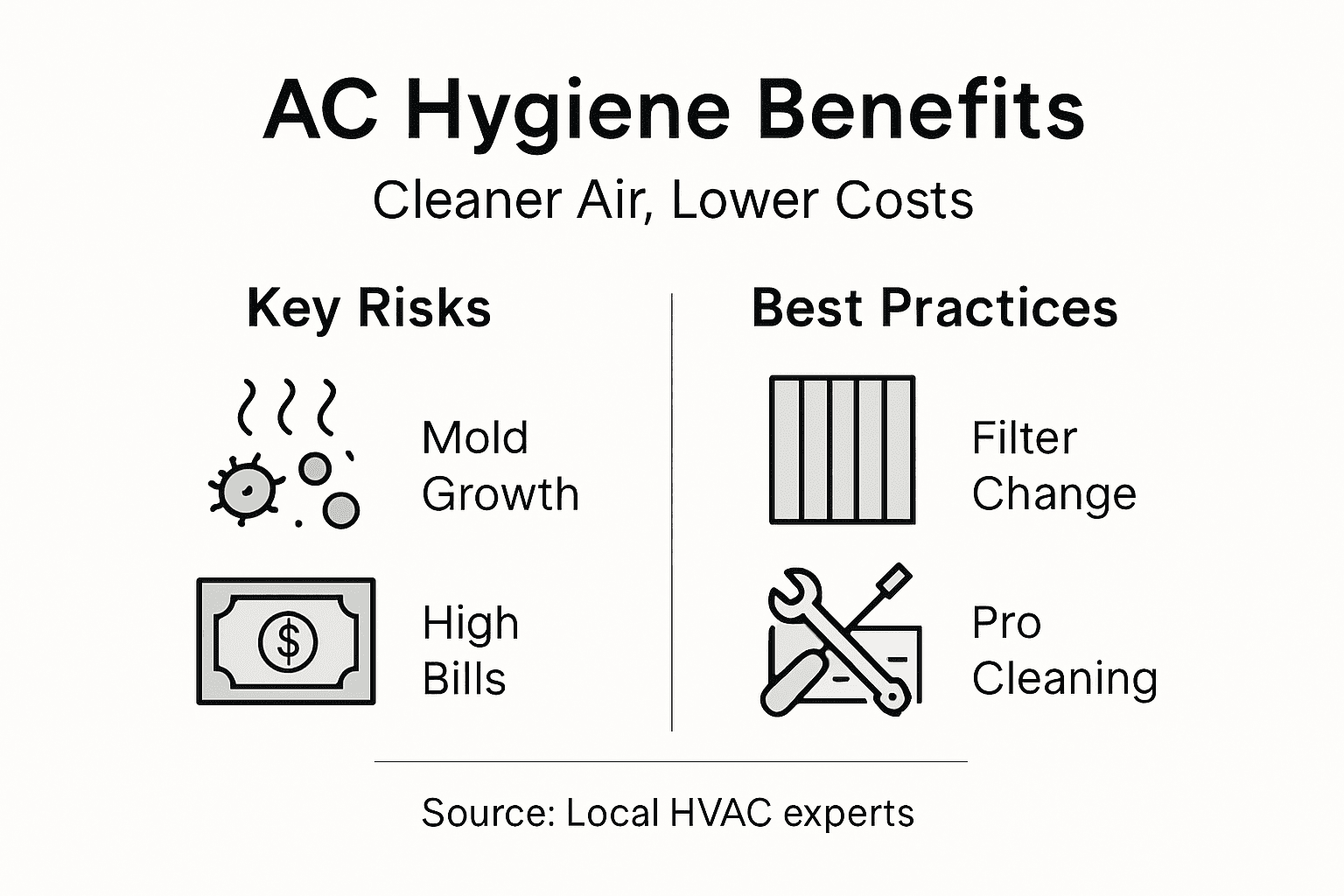
Beyond immediate financial benefits, energy conservation strategies offer comprehensive advantages for both residential and environmental systems. Reduced energy consumption means lower carbon emissions, decreased strain on regional power infrastructure, and contribution to sustainable development goals. In Dubai’s context, where environmental consciousness is increasingly prioritized, efficient AC systems represent a tangible method of supporting broader ecological objectives while maintaining optimal indoor comfort.
Pro tip: Schedule professional AC maintenance twice annually to optimize system efficiency and potentially reduce cooling costs by up to 15 percent.
The table below compares the benefits of regular AC maintenance versus neglect:
| Aspect | Regular Maintenance | Neglect/Missed Maintenance |
|---|---|---|
| Air Quality | Consistently high | Pollution and allergen build-up |
| Energy Efficiency | Lower energy usage | Increased power consumption |
| Equipment Lifespan | Extended operational years | Early system failures |
| Health Impact | Fewer respiratory symptoms | Higher illness and irritation risk |
Health Risks Linked to Poor AC Maintenance
Poor AC maintenance creates significant indoor health hazards for Dubai residents, transforming air conditioning systems from comfort devices into potential sources of respiratory and neurological challenges. In the UAE’s unique climate, where air conditioning operates almost continuously, understanding these risks becomes paramount for protecting family health and well-being.
The accumulation of biological contaminants within unmaintained AC systems can trigger a range of serious health complications. Respiratory vulnerabilities emerge as primary concerns, with mold spores, dust mites, and bacterial colonies proliferating in poorly maintained units. These microorganisms circulate through indoor spaces, potentially causing or exacerbating conditions like asthma, chronic bronchitis, and allergic reactions. Prolonged exposure can lead to decreased lung function, increased susceptibility to respiratory infections, and compromised immune system responses.
Indoor air quality risks extend beyond immediate respiratory concerns, encompassing neurological and systemic health impacts. Volatile organic compounds (VOCs), carbon dioxide buildup, and microscopic particulate matter can contribute to symptoms like chronic fatigue, persistent headaches, cognitive impairment, and reduced overall productivity. For Dubai’s residents, who spend significant time in climate-controlled environments, these hidden health risks underscore the critical importance of professional AC maintenance.
Pro tip: Conduct comprehensive indoor air quality testing annually and maintain professional AC cleaning records to proactively manage potential health risks.
Best Practices for Safe, Effective AC Cleaning
Professional AC cleaning requires precision and expertise, particularly in Dubai’s challenging desert environment where extreme temperatures and high humidity create unique maintenance challenges. Understanding the nuanced approach to air conditioning hygiene means recognizing that cleaning is not a one-size-fits-all procedure but a strategic, scientific process tailored to each system’s specific conditions.
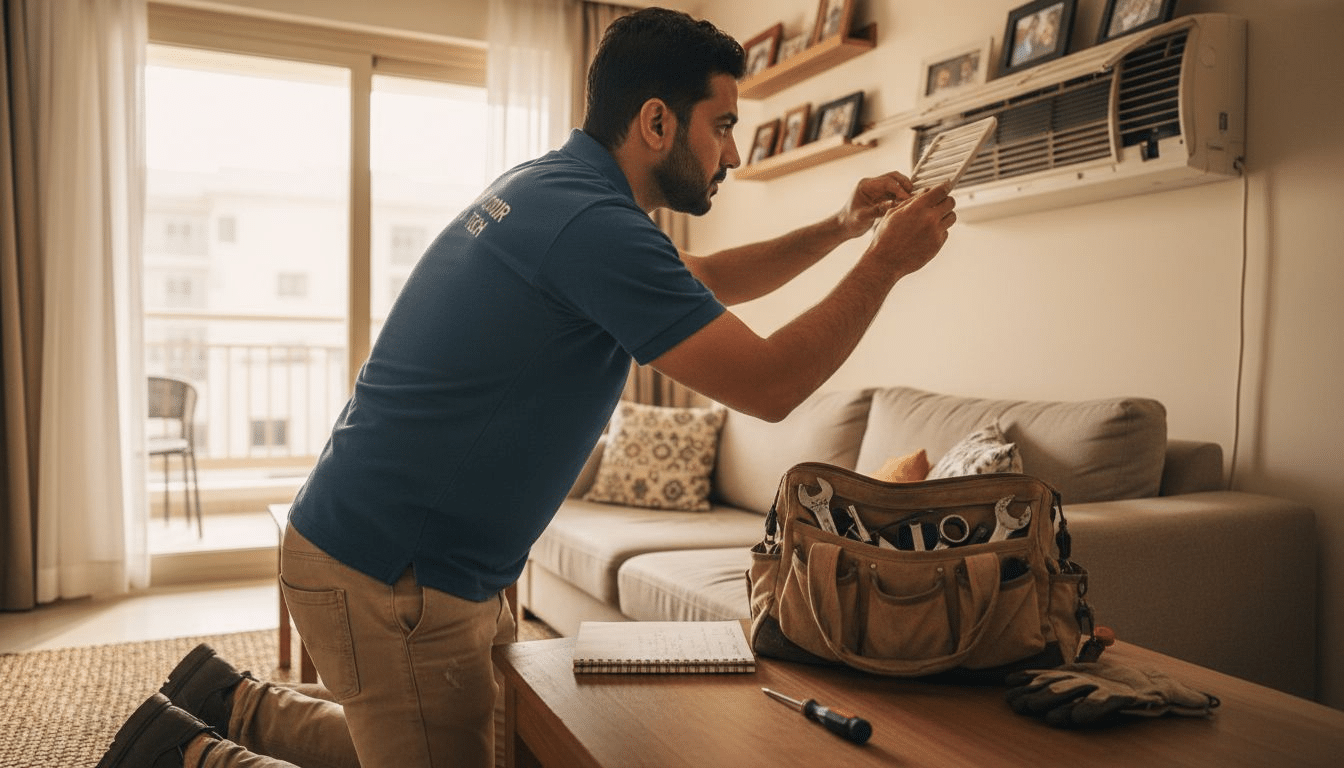
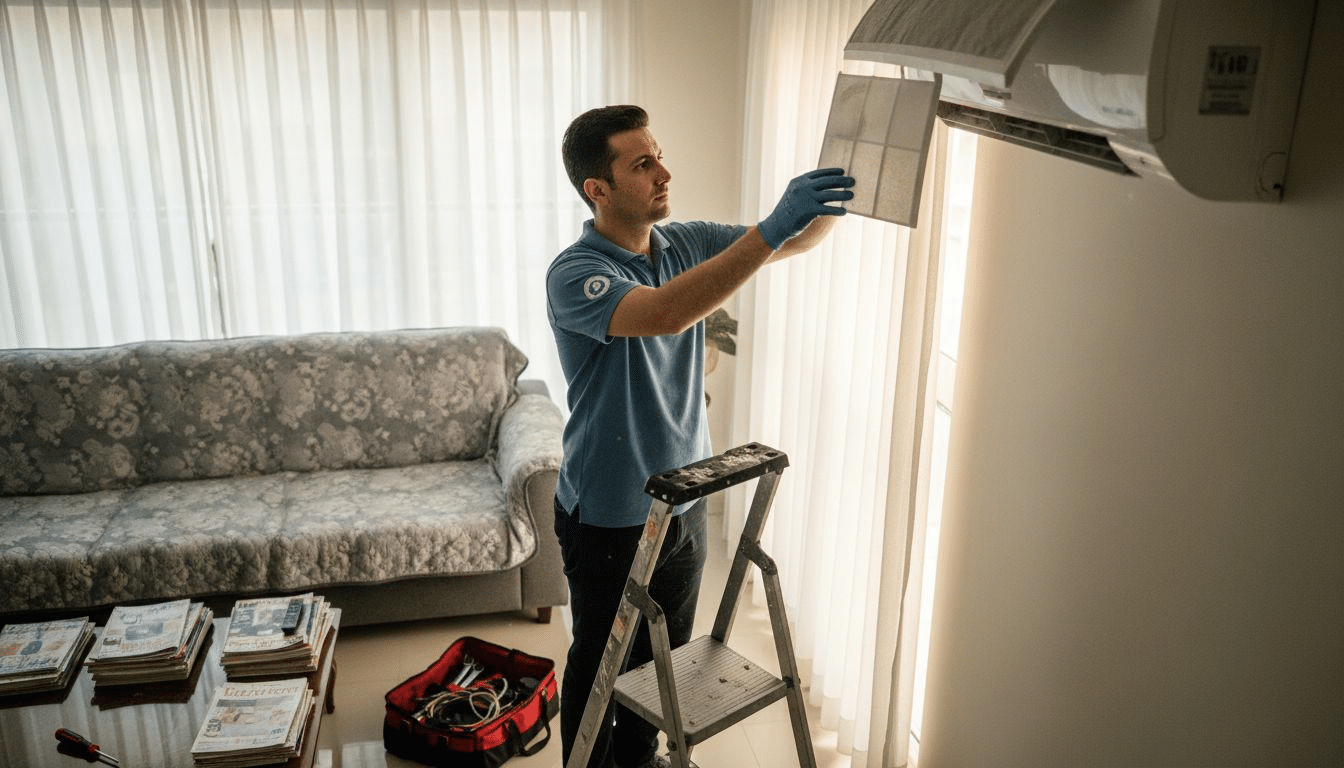
The core of safe AC cleaning involves comprehensive component inspection and targeted intervention. Critical cleaning steps include thorough examination of filters, coils, drainage systems, and internal ductwork. Technicians must carefully remove accumulated dust, biological contaminants, and potential microbial growth without causing system damage. Professional services utilize specialized tools and hospital-grade, chemical-free sanitization techniques that eliminate harmful microorganisms while preserving the system’s structural integrity.
Effective AC maintenance goes beyond surface cleaning, demanding a holistic approach to indoor environmental management. This involves assessing moisture levels, verifying proper ventilation, and implementing preventative strategies that inhibit future contamination. Certified technicians understand the delicate balance between removing harmful substances and maintaining the microbiological ecosystem within AC systems, ensuring optimal performance and indoor air quality.
Pro tip: Request detailed documentation and before-after microbial testing during professional AC cleaning to verify the comprehensive nature of the service.
Protect Your Home and Health with Expert AC Hygiene from Saniservice
Maintaining optimal AC hygiene is not just about comfort but essential for safeguarding your indoor air quality and family health. If your AC system is accumulating dust, mold, or bacteria as described in the article, you face risks like respiratory irritation and increased allergens. Saniservice understands these challenges deeply. Our scientific approach ensures your AC is thoroughly inspected, deep-cleaned, and disinfected with hospital-grade, chemical-free biosanitisers to eliminate hidden contaminants and restore healthy airflow.
Experience the difference of professional care that prioritizes your wellbeing, energy efficiency, and system longevity. Learn how our NADCA-certified technicians transform indoor environments by visiting our AC Cleaning & Maintenance – Saniservice AC Cleaning page.
Don’t compromise on the air you breathe indoors. Take action now to prevent microbial buildup and improve energy savings. Explore real success stories in our Case Studies – Saniservice AC Cleaning and book your expert AC hygiene assessment today. Visit Saniservice for trusted, science-backed solutions designed specifically for Dubai’s unique climate challenges.
Frequently Asked Questions
What is AC hygiene and why is it important?
AC hygiene refers to the comprehensive maintenance of air conditioning systems to ensure good indoor air quality, prevent microbial growth, and optimize system performance. It is essential for protecting health and comfort, especially in environments where air conditioning is frequently used.
How does dirty AC systems impact indoor air quality?
Dirty AC systems can become breeding grounds for dust, mold, bacteria, and volatile organic compounds (VOCs), leading to poor indoor air quality. These contaminants can circulate through living spaces, posing significant health risks such as respiratory issues and allergic reactions.
What types of contaminants can accumulate in home AC units?
Home AC units can accumulate various contaminants, including particulate matter (dust and debris), biological aerosols (mold and bacteria), volatile organic compounds (VOCs), and gaseous pollutants. These can negatively impact respiratory health and overall indoor air quality.
How often should I schedule professional AC cleaning and maintenance?
It is recommended to schedule professional AC cleaning and maintenance at least twice annually. This helps prevent microbial buildup, improves indoor air quality, and enhances the efficiency of the AC system.