Advanced AC Duct Cleaning Techniques For Dust Reduction
Introduction to Advanced AC Duct Cleaning Techniques
Contents
- 1 Introduction to Advanced AC Duct Cleaning Techniques
- 2 Table of Contents
- 3 Understanding the Problem: Dust Accumulation in AC Ducts
- 4 Advanced Techniques for Effective Cleaning
- 5 Materials and Equipment Needed
- 6 Step-by-Step Guide to AC Duct Cleaning
- 7 Preventing Recurring Dust Issues
- 8 Expert Tips for Indoor Air Quality
- 9 Frequently Asked Questions (FAQs)
- 10 Conclusion: Dust Reduction and Improved Indoor Air Quality
Understanding Advanced Ac Duct Cleaning Techniques For Dust Reduction is essential. In Dubai’s climate, year-round AC usage can lead to significant dust accumulation in your air ducts. This not only affects the efficiency of your cooling system but also impacts indoor air quality. By understanding and implementing advanced AC duct cleaning techniques, you can significantly reduce dust levels and improve overall comfort.
Table of Contents
Understanding the Problem: Dust Accumulation in AC Ducts
Dust, allergens, mold spores, and other particles can accumulate within air ducts over time. This is particularly common in Dubai’s desert climate due to high levels of airborne dust. Regular cleaning is essential to maintain a healthy indoor environment.
Common Dust Accumulation Sources
- Outdoor dust and pollen entering through gaps in the system
- Bacteria, fungi, and mold spores from humid conditions
- Dirt particles from the surrounding environment
Advanced Techniques for Effective Cleaning
Traditional cleaning methods often miss critical areas within air ducts. Advanced techniques can address these issues more effectively, ensuring a thorough clean and reducing dust levels.
High-Pressure Washing
This method uses specialized equipment to blast away stubborn dirt and debris from the ductwork. It is particularly effective for removing accumulated grime in flexible ducts and pre-insulated systems.
HEPA-Filtered Negative Pressure Systems
These systems create a controlled environment where air is drawn out, preventing dust from spreading into the living space. They are especially useful for deep-cleaning long-operating AC systems. This relates directly to Advanced Ac Duct Cleaning Techniques For Dust Reduction.
Materials and Equipment Needed
- HEPA-filtered vacuum cleaner with extendable hose
- High-pressure washer (if applicable)
- Protective gear: gloves, mask, goggles, and apron
- Access tools for removing grills and vents
Step-by-Step Guide to AC Duct Cleaning
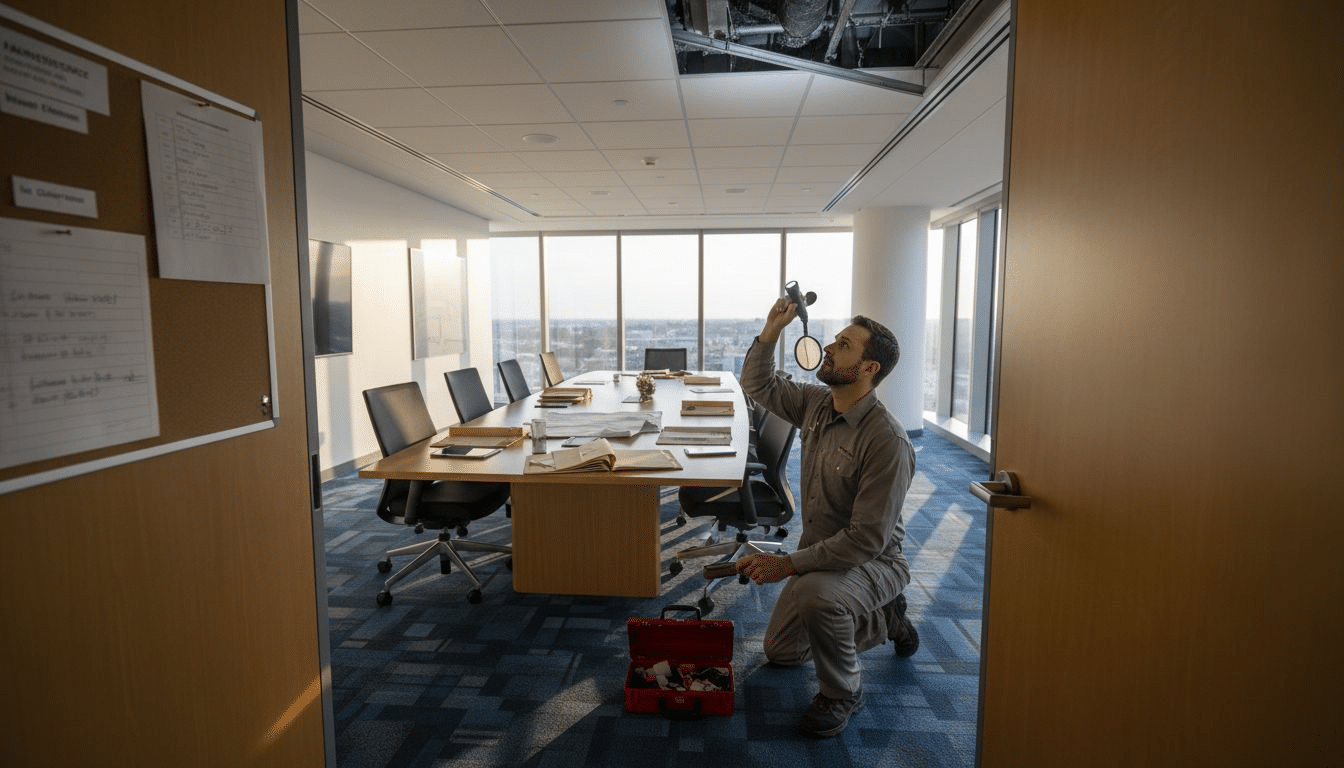
- Assess the Condition of Your System: Check for visible signs of dust and debris, and identify areas that require cleaning.
- Prepare Your Equipment: Ensure you have all necessary tools and protective gear ready. Set up your HEPA-filtered vacuum cleaner with extendable hose attachments.
- Remove Access Points: Open grills and vents to access the interior of the ducts. Use appropriate tools if needed.
- Vacuum the Ducts: Start from the end closest to the HVAC unit, working your way towards the other side. Use the vacuum’s attachments for thorough cleaning.
- Clean the Coil and Blower: If accessible, clean these components with a soft cloth or brush. Avoid using harsh chemicals that could damage them.
- Use High-Pressure Washing (if applicable): For deeper cleaning of pre-insulated ducts, use a high-pressure washer to blast away stubborn dirt and grime.
- Reassemble the System: Once cleaned, reattach all access points and ensure everything is securely in place.
Preventing Recurring Dust Issues
To maintain clean air quality, it’s important to address the root causes of dust accumulation:
- Regular Maintenance Schedules: Schedule professional cleaning every 1-2 years.
- Seal Gaps and Leaks: Seal any gaps around grills, vents, and other access points to prevent outdoor dust from entering the system.
- Proper Ventilation: Ensure your HVAC system has adequate ventilation to reduce humidity levels that promote mold growth.
Expert Tips for Indoor Air Quality
- Choose Human-Safe Disinfectants: Use EPA-approved, non-toxic disinfectants to clean and decontaminate the AC system.
- Control Humidity Levels: Monitor indoor humidity levels to prevent mold growth. Consider using a dehumidifier if necessary.
- Routinely Inspect and Clean Filters: Replace or clean HVAC filters every month to trap airborne particles effectively.
Frequently Asked Questions (FAQs)
- Q: How often should I have my AC ducts cleaned?
A: In Dubai, it’s recommended to clean your AC ducts every 1-2 years. This schedule can be adjusted based on the level of dust in your environment.
- Q: Can I do my own AC duct cleaning?
A: While DIY cleaning is possible, professional services are recommended for thorough and safe cleaning. They have the expertise to handle complex issues effectively.
- Q: What should I look for in a professional AC duct cleaning service?
A: Look for a reputable company that uses HEPA-filtered equipment, follows safety protocols, and provides detailed documentation of their work.
Conclusion: Dust Reduction and Improved Indoor Air Quality
By understanding the advanced techniques for dust reduction to clean your AC ducts effectively, you can significantly reduce dust levels in your home. This not only improves the efficiency of your HVAC system but also enhances indoor air quality, leading to a healthier living environment. Understanding Advanced Ac Duct Cleaning Techniques For Dust Reduction is key to success in this area.