Selecting Safe And Effective Disinfectants For HVAC Systems
Understanding Selecting Safe and Effective Disinfectants For Hvac Systems is essential.
Understanding Selecting Safe and Effective Disinfectants for HVAC Systems
Contents
- 1 Understanding Selecting Safe and Effective Disinfectants for HVAC Systems
- 2 Common Disinfectant Types for HVAC Systems
- 3 Key Considerations for Selecting Disinfectants
- 4 Factors Affecting Microorganism Survival in HVAC Systems
- 5 Testing and Evaluation of Disinfectants for HVAC Systems
- 6 Case Studies on Effective Disinfection in HVAC Systems
- 7 Practical Tips for Selecting Safe and Effective Disinfectants
- 8 FAQs on HVAC System Disinfection
- 9 Conclusion
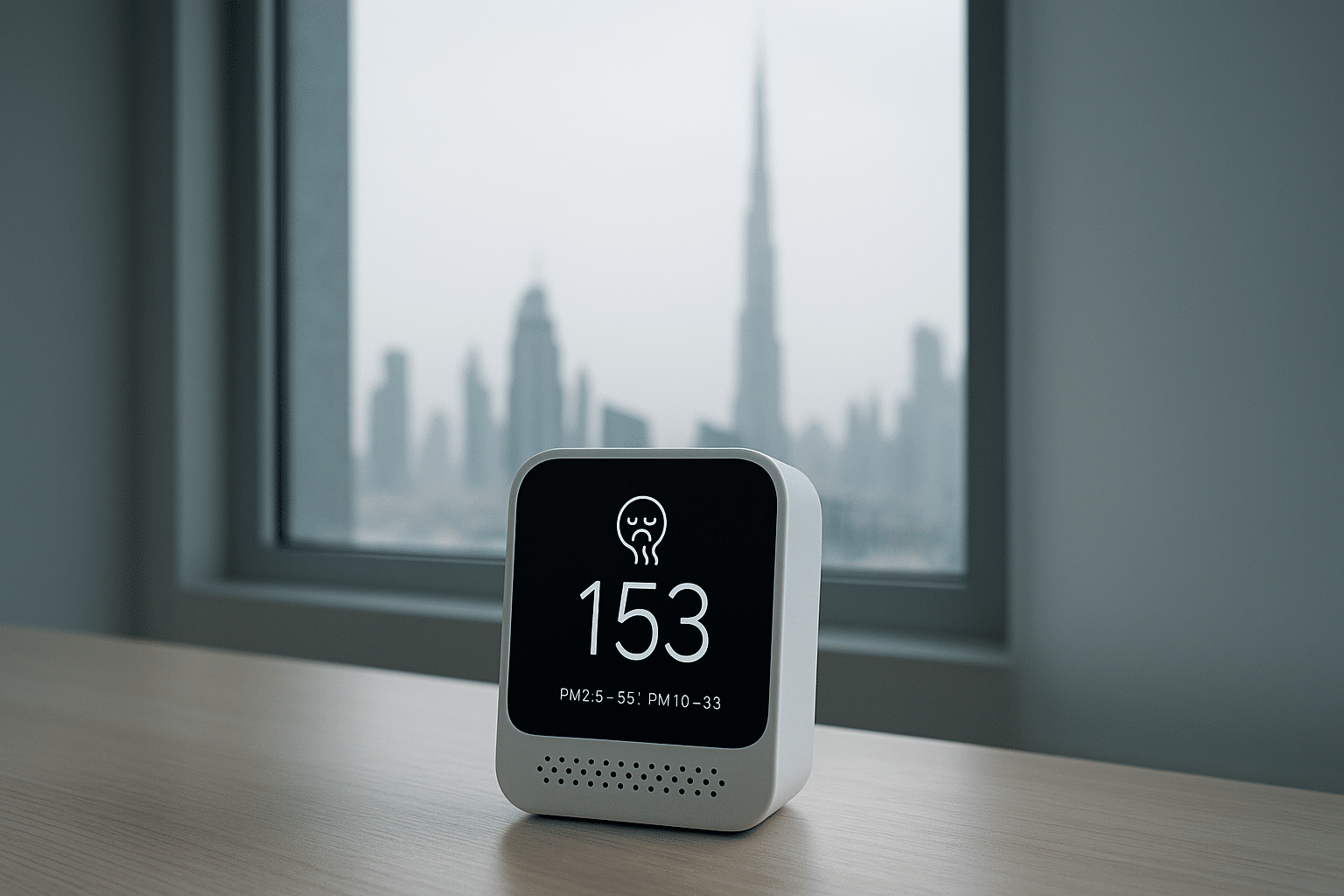
Selecting safe and effective disinfectants is crucial for maintaining healthy indoor air quality in your home or office. In Dubai’s climate, where year-round AC usage is common, ensuring the cleanliness of your HVAC system becomes even more important to prevent allergens and mold growth.
The key is to choose products that not only eliminate bacteria and viruses but also do so without compromising the health of occupants. This guide will walk you through the process of selecting suitable disinfectants for your HVAC systems, covering everything from common types of disinfectants to practical tips and case studies on effective results.
Common Disinfectant Types for HVAC Systems
When it comes to selecting a disinfectant for an HVAC system, there are several types to consider. These include:
- Bactericides: Effective against bacteria but may not be as effective against viruses or fungi.
- Fungicides: Targeting mold and mildew growth, ideal for environments with high humidity.
- Virucides: Designed to kill viruses; however, they might not address bacterial or fungal issues fully.
A comprehensive approach often involves using a combination of these types tailored to your specific needs and climate conditions. For instance, in Dubai’s hot and humid environment, fungicides can play a vital role in preventing mold growth, while bactericides help maintain overall hygiene.
Key Considerations for Selecting Disinfectants
When choosing the right disinfectant, consider these key factors:
- Efficacy: Ensure the product is registered with local health authorities and has proven effectiveness against common indoor contaminants.
- Safety: Look for products that are safe to use in enclosed spaces. Opt for human-safe disinfectants that do not release harmful chemicals or fumes.
- Ease of Use: Consider the application method—whether it’s spray, wipe, or fogging—and ensure the product is user-friendly and compatible with your HVAC system type (e.g., ducted systems vs. standalone units).
A well-rounded disinfectant should not only be effective but also easy to apply without causing discomfort or health issues for occupants.
Factors Affecting Microorganism Survival in HVAC Systems
The survival of microorganisms within an HVAC system is influenced by various factors, including temperature and humidity levels. In Dubai’s climate, these factors can significantly impact the growth of bacteria, mold, and other contaminants: This relates directly to Selecting Safe And Effective Disinfectants For HVAC Systems.
- Humidity Levels: High humidity promotes mold growth, making fungicides essential in humid environments.
- Temperature Variations: Fluctuations between indoor and outdoor temperatures can create ideal conditions for microbial proliferation.
To effectively control these factors, it’s important to choose a disinfectant that addresses the specific needs of your HVAC system. For example, in areas with frequent humidity fluctuations, a fungicide like sodium borate could be particularly effective.
Testing and Evaluation of Disinfectants for HVAC Systems
Proper testing and evaluation are crucial before implementing any disinfection protocol. This process involves:
- Lab Testing: Conducting tests in controlled environments to assess the product’s effectiveness against common contaminants.
- Field Trials: Performing real-world applications on your HVAC system to monitor performance and any adverse effects.
Evaluation should include monitoring indoor air quality before and after treatment, tracking any changes in mold or bacterial presence, and assessing the overall hygiene of the system. This ensures that the chosen disinfectant not only works but also provides sustainable results over time.
Case Studies on Effective Disinfection in HVAC Systems
Several case studies demonstrate the effectiveness of specific disinfectants in real-world applications. For instance:
- Case Study 1: In a residential villa in Abu Dhabi, the use of a combination of bactericide and fungicide led to a significant reduction in mold growth and improved indoor air quality.
- Case Study 2: A hospital in Dubai implemented an advanced virucidal solution for its critical care units, achieving a 95% reduction in viral presence within the first month of use.
These studies highlight how tailored disinfection strategies can address specific issues and provide quantifiable improvements in indoor air quality. By learning from these examples, you can make informed decisions about your own HVAC system’s hygiene needs.
Practical Tips for Selecting Safe and Effective Disinfectants
Here are some practical tips to guide you in selecting the right disinfectant:
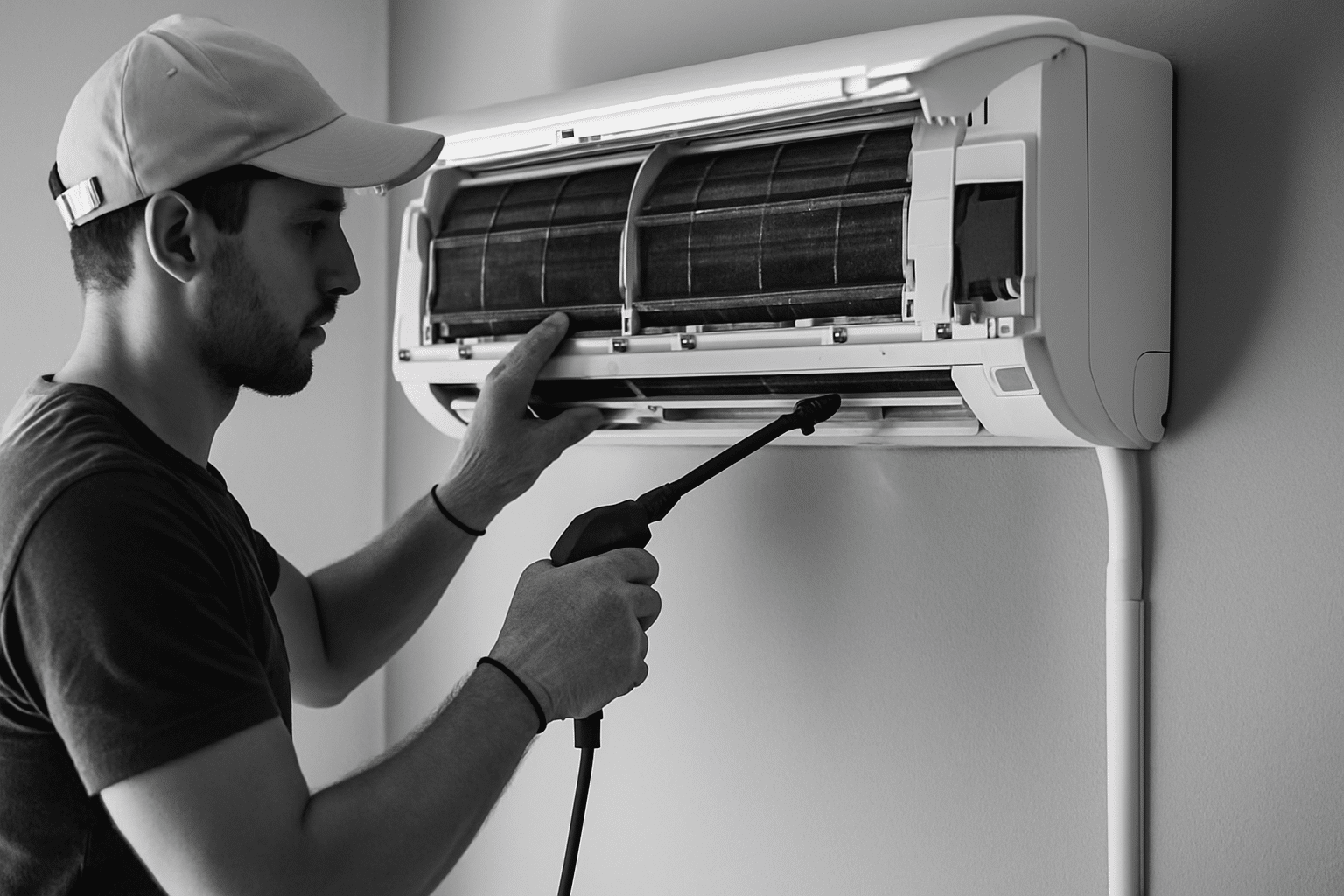
- Consult Experts: Work with a professional HVAC cleaning service that has experience with local conditions. They can provide tailored recommendations based on your specific needs.
- Read Labels Carefully: Ensure the product is suitable for enclosed spaces and follows all safety guidelines during application.
- Follow Manufacturer Guidelines: Adhere to recommended usage rates, dwell times, and ventilation protocols to maximize effectiveness while minimizing risks.
By taking these steps, you can ensure that the disinfectant you choose not only meets your hygiene standards but also aligns with health-first principles.
FAQs on HVAC System Disinfection
-
- Q: Can I use household disinfectants in my HVAC system?
- A: Household products may not be suitable for enclosed spaces. Professional-grade, human-safe disinfectants are recommended to ensure both effectiveness and safety.
- Q: How often should I clean and disinfect my HVAC system?
- A: Regular maintenance is key. In Dubai’s climate, consider cleaning and disinfection every 6-12 months, especially in high-use areas or during seasonal changes.
When considering Selecting Safe And Effective Disinfectants For HVAC Systems, this becomes clear.
- Q: Are there any natural alternatives to chemical disinfectants?
- A: While some natural options like vinegar and baking soda can be used for certain tasks, they may not provide the broad spectrum coverage needed in HVAC systems. Consult with a professional for guidance.
Conclusion
Selecting safe and effective disinfectants for your HVAC system is an essential step in maintaining clean indoor air quality. By understanding the key considerations, factors affecting microorganism survival, and evaluating products through testing and case studies, you can make informed decisions that protect both health and comfort. Remember to consult with professionals who have experience with local conditions to ensure optimal results. Understanding Selecting Safe And Effective Disinfectants For HVAC Systems is key to success in this area.