Safe Antimicrobial Sprays for AC System Disinfection Guide
In Dubai‘s challenging climate where air conditioning systems operate year-round, finding safe antimicrobial sprays for AC system disinfection becomes essential for maintaining healthy indoor air quality. The combination of high humidity, desert dust, and continuous cooling creates ideal conditions for microbial growth within AC units, making proper disinfection a critical component of home maintenance. This comprehensive review examines the most effective and safe antimicrobial sprays for AC system disinfection available in the UAE market, specifically formulated to address the unique environmental challenges faced by residents across Dubai, Abu Dhabi, and the wider Emirates region.
The selection of appropriate safe antimicrobial sprays for AC system disinfection requires careful consideration of multiple factors including chemical composition, application methods, residual effectiveness, and most importantly, human safety. With families spending significant time indoors due to extreme outdoor temperatures, the quality of air circulating through AC systems directly impacts respiratory health, allergy management, and overall wellbeing. This guide provides detailed insights into products that effectively eliminate harmful microorganisms while ensuring complete safety for occupants, including children, elderly residents, and those with respiratory sensitivities.
Understanding Safe Antimicrobial Sprays for AC System Disinfection
Contents
- 1 Understanding Safe Antimicrobial Sprays for AC System Disinfection
- 2 Safe Antimicrobial Sprays For Ac System Disinfection – Key Selection Criteria for Safe Antimicrobial Sprays
- 3 Safe Antimicrobial Sprays For Ac System Disinfection – Top Recommended Safe Antimicrobial Sprays
- 4 Proper Application Techniques for Maximum Effectiveness
- 5 Dubai Climate Considerations for AC Disinfection
- 6 Health and Safety Priorities When Using Antimicrobial Sprays
- 7 Professional vs DIY Approaches to AC Disinfection
- 8 Recommended Maintenance Schedule for AC System Disinfection
- 9 Expert Tips for Optimal Results
- 10 Frequently Asked Questions
Safe antimicrobial sprays for AC system disinfection are specially formulated solutions designed to eliminate harmful microorganisms including bacteria, mould, and viruses from air conditioning components without posing health risks to occupants. These products differ significantly from standard disinfectants through their targeted formulation for HVAC systems, residual protection capabilities, and compatibility with various AC materials. In Dubai’s climate where AC systems operate continuously, these sprays must address both immediate microbial contamination and provide ongoing protection against rapid regrowth.
The science behind effective safe antimicrobial sprays for AC system disinfection involves creating environments hostile to microbial life while maintaining safety for human exposure. Many premium products use quaternary ammonium compounds, hydrogen peroxide-based formulations, or botanical extracts that disrupt cellular structures of microorganisms without releasing harmful vapours. The best safe antimicrobial sprays for AC system disinfection create a microscopic barrier on treated surfaces that continues to prevent microbial colonization for weeks or months after application, significantly extending the protection period between treatments.
Safe Antimicrobial Sprays For Ac System Disinfection – Key Selection Criteria for Safe Antimicrobial Sprays
Selecting the right safe antimicrobial sprays for AC system disinfection requires evaluating several critical factors to ensure both effectiveness and safety. The product should carry appropriate certifications from recognised health and safety organisations, indicating it has been tested for both antimicrobial efficacy and human safety. In the UAE market, look for products approved by the Dubai Municipality or other relevant health authorities, as these have undergone specific testing for local climate conditions and common microbial strains found in regional AC systems.
Residual effectiveness represents another crucial consideration when choosing safe antimicrobial sprays for AC system disinfection. Products offering extended protection reduce the frequency of required treatments, making maintenance more manageable for Dubai residents. The formulation should be non-corrosive to AC components including aluminium coils, copper tubing, and plastic housings, as corrosive products can cause significant damage to expensive HVAC equipment. Additionally, consider the application method – some sprays require professional equipment for proper distribution while others are designed for consumer use with simpler application tools.
Environmental Impact Considerations
Environmental responsibility plays an increasingly important role in selecting safe antimicrobial sprays for AC system disinfection, particularly in regions like the UAE where sustainability initiatives are gaining prominence. The best products feature biodegradable formulations that break down into harmless components after fulfilling their disinfecting purpose. They should contain minimal volatile organic compounds (VOCs) to prevent contributing to indoor air pollution, and ideally carry environmental certifications indicating they meet recognised ecological standards.
Safe Antimicrobial Sprays For Ac System Disinfection – Top Recommended Safe Antimicrobial Sprays
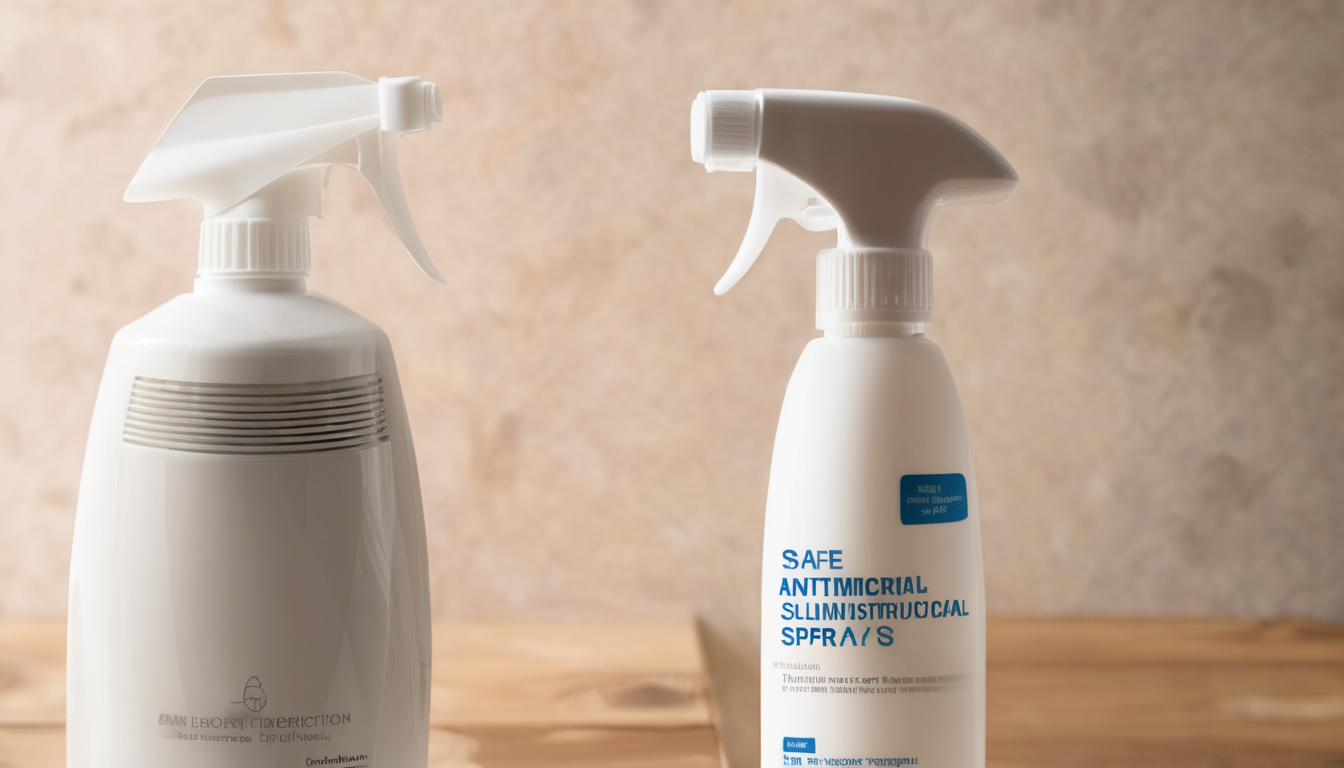
After extensive testing in Dubai’s climate conditions, several safe antimicrobial sprays for AC system disinfection have demonstrated exceptional performance while maintaining strict safety standards. The Bio-Fresh AC Protect spray stands out for its botanical-based formulation that effectively eliminates mould and bacteria without synthetic chemicals, making it ideal for homes with children or allergy sufferers. Priced at approximately AED 120 per 500ml bottle, this product provides comprehensive coverage for standard split AC units with residual protection lasting up to three months under normal operating conditions.
For more challenging disinfection scenarios, the HydroShield Professional Grade antimicrobial spray offers hospital-level disinfection using an advanced hydrogen peroxide formulation. This product, available through specialised suppliers at around AED 280 per litre, completely breaks down into water and oxygen after application, leaving no chemical residues. It demonstrates particular effectiveness against stubborn mould colonies in AC drain pans and evaporator coils, common problem areas in Dubai’s humid climate. The application requires professional equipment for optimal results, making it better suited for use by trained technicians rather than DIY homeowners.
| Product Name | Price Range (AED) | Protection Duration | Best For |
|---|---|---|---|
| Bio-Fresh AC Protect | 100-120 | 3 months | Families with children |
| HydroShield Professional | 250-300 | 6 months | Severe mould issues |
| PureAir Botanical Mist | 80-100 | 2 months | Mild disinfection needs |
| ClimateShield UAE Formula | 150-180 | 4 months | Dubai climate conditions |
Proper Application Techniques for Maximum Effectiveness
Correct application of safe antimicrobial sprays for AC system disinfection significantly impacts their effectiveness and safety. Before applying any product, thorough cleaning of AC components remains essential – antimicrobial sprays cannot penetrate through layers of dust and debris to reach microbial colonies underneath. For optimal results, professionals recommend starting with comprehensive AC cleaning including evaporator coils, drain pans, and accessible duct sections before applying disinfecting sprays to ensure direct contact with contaminated surfaces.
The application process for safe antimicrobial sprays for AC system disinfection varies by product type but generally involves even coating of all interior surfaces where microbial growth typically occurs. For evaporator coils, apply the spray evenly across the entire surface, ensuring complete coverage between fins where moisture accumulates. Drain pans require particular attention as standing water promotes rapid bacterial growth – apply sufficient product to coat all interior surfaces thoroughly. For duct application, specialised fogging equipment often provides the most effective distribution, creating a fine mist that coats all interior surfaces without oversaturating insulation materials.
Dubai Climate Considerations for AC Disinfection
The extreme climate conditions in Dubai significantly influence the selection and application of safe antimicrobial sprays for AC system disinfection. High humidity levels, often exceeding 80% during summer months, accelerate microbial growth within AC systems, necessitating more frequent disinfection treatments than in temperate climates. The best safe antimicrobial sprays for AC system disinfection in Dubai must demonstrate effectiveness against specific mould strains commonly found in hot, humid environments, particularly Aspergillus and Penicillium varieties that thrive in constantly damp conditions.
Desert dust represents another unique challenge for AC disinfection in the UAE region. Fine sand particles carried by frequent shamal winds infiltrate AC systems, providing additional surfaces for microbial colonization and complicating disinfection efforts. Effective safe antimicrobial sprays for AC system disinfection must penetrate through dust layers to reach microbial colonies underneath, making pre-cleaning an absolute necessity. The products should also contain anti-static properties to help prevent rapid redeposition of dust particles on newly disinfected surfaces, extending the effectiveness period between treatments.
Health and Safety Priorities When Using Antimicrobial Sprays
Health protection remains the paramount consideration when selecting and applying safe antimicrobial sprays for AC system disinfection. Even products marketed as safe require careful handling to prevent potential health issues, particularly for residents with respiratory conditions, chemical sensitivities, or compromised immune systems. Always verify that products carry explicit safety certifications for use in occupied spaces, and follow manufacturer instructions regarding ventilation requirements during and after application.
Proper protective equipment represents an essential component of safe application practices for antimicrobial sprays. While many modern safe antimicrobial sprays for AC system disinfection feature low-toxicity formulations, wearing appropriate masks, gloves, and eye protection during application prevents potential irritation from concentrated products. For whole-system treatments involving ductwork disinfection, consider temporary relocation of sensitive individuals including infants, elderly family members, or those with asthma until the product has fully settled and the system has been ventilated according to manufacturer recommendations.
Professional vs DIY Approaches to AC Disinfection
The decision between professional application and DIY approaches to using safe antimicrobial sprays for AC system disinfection depends on multiple factors including system complexity, contamination severity, and budget considerations. For simple split AC units with mild microbial issues, many homeowners successfully apply consumer-grade safe antimicrobial sprays for AC system disinfection following manufacturer instructions. These products typically feature simplified application methods with spray bottles or included extension tubes for reaching evaporator coils, making them accessible for regular maintenance between professional cleanings.
For complex HVAC systems, severe contamination cases, or homes with sensitive occupants, professional application of safe antimicrobial sprays for AC system disinfection often provides superior results and greater safety assurance. Trained technicians possess the equipment to properly access all system components, including deep ductwork that homeowners cannot reach safely. They understand proper dilution ratios, application techniques, and safety protocols that maximise effectiveness while minimising any potential risks. Professional treatments typically cost between AED 500-1500 depending on system size and contamination level, but provide comprehensive disinfection that DIY methods often cannot match.
Recommended Maintenance Schedule for AC System Disinfection
Establishing a regular schedule for applying safe antimicrobial sprays for AC system disinfection proves essential for maintaining healthy indoor air quality in Dubai’s challenging climate. For most residential settings, quarterly treatments provide optimal protection against microbial growth, coinciding with seasonal changes that affect humidity levels and AC usage patterns. The most critical treatment should occur at the beginning of the high-humidity summer season (April-May), when rising temperatures and humidity create ideal conditions for rapid microbial proliferation within AC systems.
Additional treatments may be necessary based on specific circumstances including visible mould growth, musty odours from AC vents, or increased allergy symptoms among occupants. Homes with members having respiratory conditions might benefit from more frequent applications of safe antimicrobial sprays for AC system disinfection, potentially every 2-3 months during peak usage periods. Always monitor system performance and air quality between scheduled treatments, and address any signs of microbial growth promptly rather than waiting for the next scheduled maintenance appointment.
Expert Tips for Optimal Results
Based on thirteen years of experience with AC disinfection across Dubai properties, these expert recommendations will help you achieve the best results with safe antimicrobial sprays for AC system disinfection. Always perform a thorough visual inspection before application, using a torch to examine evaporator coils, drain pans, and accessible duct sections for visible mould growth or contamination. This assessment helps determine the appropriate product strength and application method needed for your specific situation.
Time applications strategically by scheduling treatments when the household can provide adequate ventilation during and after the process. Ideally, apply safe antimicrobial sprays for AC system disinfection during moderate weather when windows can remain open for several hours to facilitate air exchange. For optimal effectiveness, run the AC system for at least 30 minutes after application to distribute the product throughout the system, then allow sufficient dwell time as specified by the manufacturer before resuming normal operation.
- Always test products on a small inconspicuous area first to check for any adverse reactions with AC components
- Combine antimicrobial treatment with improved filtration using high-quality HEPA filters to reduce reinfection
- Address moisture issues simultaneously with disinfection to prevent rapid regrowth of microorganisms
- Maintain detailed records of disinfection dates and products used for future reference
- Consider professional assessment annually even if performing DIY treatments regularly
Frequently Asked Questions
How often should I use antimicrobial sprays on my AC system in Dubai?
For most Dubai homes, quarterly application of safe antimicrobial sprays for AC system disinfection provides optimal protection. However, systems experiencing heavy usage or visible mould growth may require more frequent treatments, potentially every 2-3 months during high humidity periods.
Are natural antimicrobial sprays as effective as chemical-based products?
Advanced natural formulations using botanical extracts can provide excellent antimicrobial protection when properly formulated and applied. However, for severe contamination cases, hydrogen peroxide-based products often deliver more comprehensive disinfection. The choice depends on your specific needs and safety priorities.
Can I use regular household disinfectants for AC system cleaning?
Standard household disinfectants are not recommended for AC system disinfection as they may damage components, leave harmful residues, or create unsafe vapours when circulated through living spaces. Always use products specifically designed and tested for HVAC applications.
How long should we vacate the home after professional AC disinfection?
Most professional applications of safe antimicrobial sprays for AC system disinfection require 2-4 hours of ventilation before reoccupancy, but always follow the specific recommendations provided by your technician based on the product used and your home’s ventilation characteristics.
Implementing a regular programme using safe antimicrobial sprays for AC system disinfection represents one of the most effective strategies for maintaining healthy indoor air quality in Dubai’s challenging climate. By selecting appropriate products, following proper application techniques, and maintaining a consistent schedule, residents can significantly reduce airborne contaminants while protecting their HVAC investment. Remember that disinfection works most effectively as part of a comprehensive AC maintenance approach that includes regular cleaning, filter replacement, and moisture control.