Ac Cleaning Chemicals Guide
Understanding AC Cleaning Chemicals: What Is Safe For Your Home is essential. When a technician arrives to clean your air conditioning system, most homeowners focus on the visible results — cleaner vents, fresher air, reduced dust. Very few think to ask what chemicals are being applied inside the ducts and across the coils of a system that will continue circulating air through their bedrooms, nurseries, and living spaces for the next twelve months. Understanding AC cleaning chemicals and what is safe for your home is not a minor concern. It is, in fact, one of the most important questions you can ask before any service begins.
In Dubai and across the UAE, AC systems operate year-round under conditions that accelerate biological and chemical contamination. High humidity during summer months, continuous condensation inside evaporator coils, and sealed indoor environments create ideal conditions for microbial growth. Addressing this contamination requires specific chemical treatments — and those treatments carry real implications for occupant health, particularly for children, elderly residents, and individuals with respiratory sensitivities. The question of AC cleaning chemicals and what is safe for your home deserves a thorough, honest answer. This relates directly to Ac Cleaning Chemicals: What Is Safe For Your Home.
This review covers the main categories of chemicals used in professional AC cleaning and disinfection, assesses their safety profiles, and identifies what a responsible, health-first service should and should not be applying inside your home.
Ac Cleaning Chemicals: What Is Safe For Your Home – Why Chemicals Are Used in AC Cleaning
Contents
- 1 Ac Cleaning Chemicals: What Is Safe For Your Home – Why Chemicals Are Used in AC Cleaning
- 2 Ac Cleaning Chemicals: What Is Safe For Your Home – Coil Cleaners Reviewed: Safe vs Aggressive
- 3 Ac Cleaning Chemicals: What Is Safe For Your Home – AC Cleaning Chemicals for Disinfection and Mould Control
- 4 Drain Pan and Condensate Line Treatments
- 5 Duct Sanitisers: What Is Safe for Your Home
- 6 AC Cleaning Chemicals to Avoid in Occupied Homes
- 7 Safe Application Standards for Home Environments
- 8 Key Questions to Ask Your AC Cleaning Provider
- 9 Conclusion
Physical cleaning — brushing, vacuuming, wiping — removes visible dust, debris, and loose biological matter from AC components. However, it does not eliminate the biofilm layer that forms on evaporator coils, drain trays, and duct surfaces over time. Biofilm is a structured community of microorganisms, including bacteria and fungi, that adheres to surfaces and resists mechanical removal alone.
In Dubai’s climate, where AC units run continuously and condensation is a daily occurrence, biofilm formation is rapid. It is the primary cause of musty or sour AC odours, and it represents a genuine indoor air quality concern for anyone breathing recirculated air from an untreated system. Addressing biofilm responsibly requires appropriate chemical agents — applied correctly, in the right concentrations, and with proper safety controls in place. When considering Ac Cleaning Chemicals: What Is Safe For Your Home, this becomes clear.
This is why understanding AC cleaning chemicals and what is safe for your home matters as much as understanding the cleaning process itself.
Ac Cleaning Chemicals: What Is Safe For Your Home – Coil Cleaners Reviewed: Safe vs Aggressive
Evaporator coil cleaning is one of the most technically demanding parts of any AC service. Coils accumulate dust, biological debris, and eventually biofilm across their fin surfaces, reducing both cooling efficiency and air quality. Chemical coil cleaners are typically required to penetrate the fin matrix and break down this accumulation. The importance of Ac Cleaning Chemicals: What Is Safe For Your Home is evident here.
Alkaline Foaming Coil Cleaners
These are the most widely used category for evaporator coils. Applied as a foam, they expand into the fin structure, emulsify biological and particulate matter, and are then flushed away with water. Well-formulated alkaline coil cleaners are low in volatile organic compounds (VOCs), rinse completely, and leave no residue that would off-gas into circulated air. These are generally considered appropriate for occupied residential environments when applied correctly.
Acid-Based Coil Cleaners
Acidic formulations, typically phosphoric or hydrofluoric acid-based, are used for heavily scaled or mineral-deposited condenser coils, usually in outdoor units. These products are significantly more aggressive and should never be applied to indoor evaporator coils in occupied spaces. Hydrofluoric acid formulations in particular carry serious health risks and require full personal protective equipment and specialist handling. A responsible service provider should never use acid-based cleaners on indoor components without explicit disclosure and appropriate containment. Understanding Ac Cleaning Chemicals: What Is Safe For Your Home helps with this aspect.
No-Rinse Coil Cleaners
These formulations are designed to be applied and left, with condensate runoff carrying the product away during operation. They are convenient but require careful vetting. Some no-rinse products contain surfactants or preservatives that can accumulate in drain pans or off-gas into airflow if not properly formulated. For homes with young children or occupants with chemical sensitivities, rinse-off alkaline cleaners remain the preferred option.
Ac Cleaning Chemicals: What Is Safe For Your Home – AC Cleaning Chemicals for Disinfection and Mould Control
Disinfection is distinct from cleaning. While cleaning removes physical contamination, disinfection addresses live microbial populations — bacteria, mould spores, and yeast — that survive on surfaces after cleaning. For AC systems with confirmed or suspected mould growth, a disinfection step using appropriate antimicrobial agents is essential. Ac Cleaning Chemicals: What Is Safe For Your Home factors into this consideration.
Quaternary Ammonium Compounds (Quats)
Quats are among the most commonly used antimicrobials in professional AC disinfection. They are effective against a broad spectrum of bacteria and fungi, have a relatively low toxicity profile when properly diluted, and do not produce harmful residues at approved concentrations. Reputable UAE-based providers such as Saniservice use hospital-grade quat-based disinfectants that are specifically formulated for HVAC application and safe for use in occupied residential and commercial environments.
The key variable is concentration. At correct dilutions, quats are safe and effective. Overconcentration increases both irritation risk and residue potential. Always confirm that your provider is using manufacturer-specified dilution rates. This relates directly to Ac Cleaning Chemicals: What Is Safe For Your Home.
Hydrogen Peroxide-Based Disinfectants
Accelerated hydrogen peroxide formulations are increasingly favoured in health-sensitive environments such as nurseries, clinics, and schools. They break down into water and oxygen after application, leaving no active chemical residue. This makes them particularly well-suited for AC cleaning in Dubai homes where children or immunocompromised individuals are present. The trade-off is that they require appropriate dwell time and cannot be rushed without compromising efficacy.
Chlorine-Based Products
Sodium hypochlorite (bleach) is sometimes used in drain pan and condensate line treatments. At appropriate dilutions, it is effective for biofilm disruption in drainage components. However, it should not be applied broadly inside duct systems or across coil surfaces in occupied spaces, as it can off-gas chlorine vapour and potentially corrode metal components if used incorrectly. Its use should be limited to external drainage elements and applied with adequate ventilation. When considering Ac Cleaning Chemicals: What Is Safe For Your Home, this becomes clear.
Drain Pan and Condensate Line Treatments
The condensate drain pan and drainage line are frequently overlooked but are critical contamination sites. Standing water, biological debris, and restricted drainage create ideal conditions for biofilm and slime accumulation, which directly affects the odours produced by your AC system.
Safe and effective treatment typically involves a combination of enzymatic drain cleaners, which break down organic matter biologically, and a follow-up antimicrobial flush using diluted quat or hydrogen peroxide solution. Enzymatic treatments are particularly safe — they use naturally occurring biological agents rather than aggressive chemistry, making them appropriate even in environments with sensitive occupants. The importance of Ac Cleaning Chemicals: What Is Safe For Your Home is evident here.
Avoid providers who use undiluted bleach poured directly into drain pans without subsequent flushing, as residue and vapour generation can follow the condensate pathway into the occupied space.
Duct Sanitisers: What Is Safe for Your Home
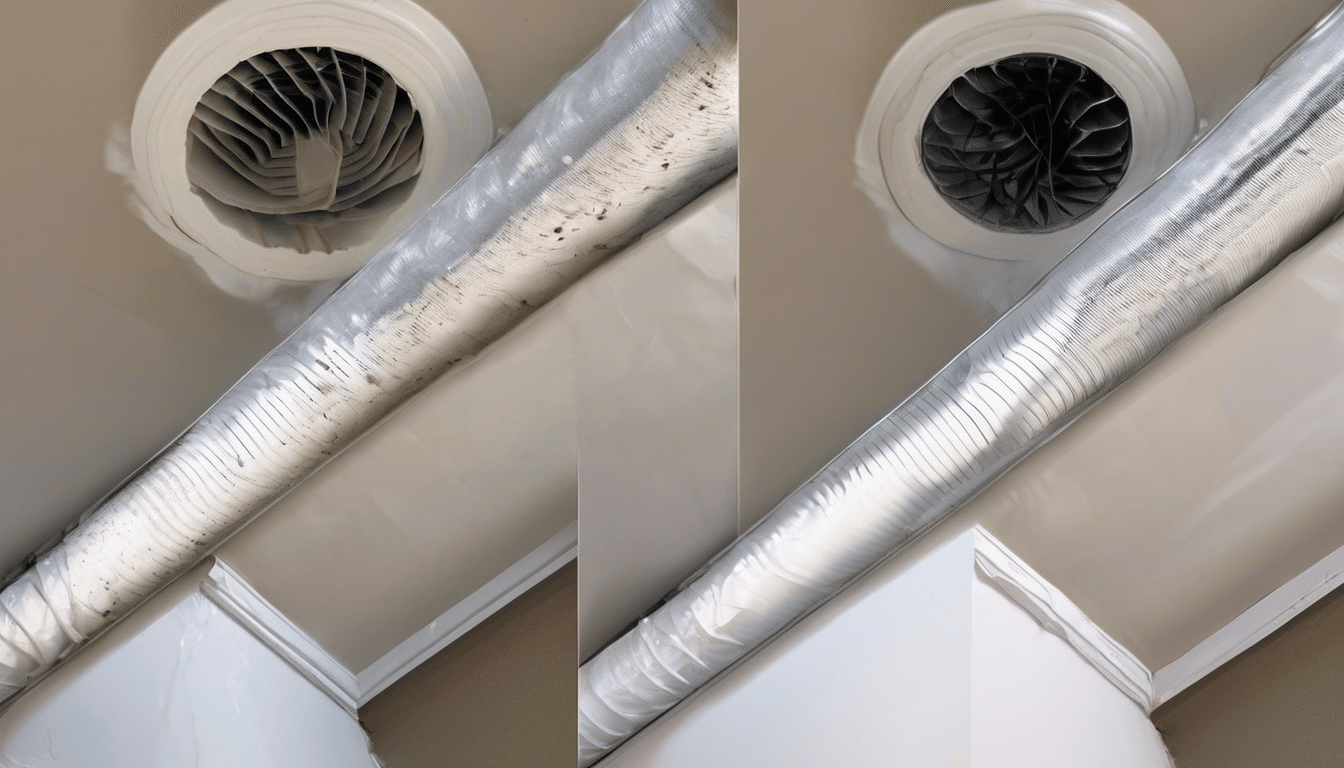
After physical duct cleaning using HEPA-filtered negative pressure equipment, many providers apply a sanitising agent across internal duct surfaces. When evaluating AC cleaning chemicals and what is safe for your home, duct sanitiser selection is particularly important because these products are applied to surfaces through which all circulated air will pass. Understanding Ac Cleaning Chemicals: What Is Safe For Your Home helps with this aspect.
The safest options are water-based antimicrobial sprays or fogging agents using quaternary ammonium or hydrogen peroxide chemistry, applied in correct concentrations and allowed adequate dwell time before the system is restarted. Products that are specifically registered and approved for HVAC duct application should always be used.
Ozone-generating fogging devices are occasionally used as a sanitisation method. While effective at oxidising biological contaminants, ozone is a respiratory irritant and should never be used in occupied spaces. If your provider uses ozone fogging, the property must be vacated for a defined period and properly ventilated before re-entry. Any provider using ozone without these controls is not operating responsibly. Ac Cleaning Chemicals: What Is Safe For Your Home factors into this consideration.
AC Cleaning Chemicals to Avoid in Occupied Homes
Understanding which products should not be used is as important as knowing what is appropriate. Over my thirteen years working across Dubai’s residential and commercial sectors, I have seen the following applied irresponsibly and with real consequences for occupant health.
- Undiluted industrial disinfectants — products not formulated for occupied-space application, used at incorrect concentrations, generating VOC off-gassing that persists for days.
- Ammonia-based cleaners on indoor components — caustic to mucous membranes, incompatible with copper components in many AC systems, and inappropriate for enclosed residential use.
- Formaldehyde-releasing biocides — historically used in some HVAC treatments, now understood to be carcinogenic at low chronic exposure levels. These have no place in residential AC cleaning.
- Unregistered or unlabelled products — a surprisingly common issue in Dubai’s lower-cost AC cleaning market. If a technician cannot name the product they are using or produce a safety data sheet (SDS), the service should not proceed.
Safe Application Standards for Home Environments
The safety of any AC cleaning chemical is not solely a function of the product itself. Application method, concentration, dwell time, ventilation, and re-occupancy protocol all determine whether occupants are appropriately protected during and after service. This relates directly to Ac Cleaning Chemicals: What Is Safe For Your Home.
A responsible provider should always supply or make available the safety data sheets for any chemical used. They should apply products only after informing the homeowner of what is being used. They should ensure the property is adequately ventilated after treatment before the AC system is restarted. And they should never rush the chemical application or rinsing steps to save time.
For homes with infants, pregnant residents, or individuals with asthma or respiratory conditions, a higher standard applies. In these environments, hydrogen peroxide-based chemistry and enzymatic treatments should be prioritised, and the homeowner should request confirmation of this before agreeing to proceed. When considering Ac Cleaning Chemicals: What Is Safe For Your Home, this becomes clear.
Key Questions to Ask Your AC Cleaning Provider
Before any AC cleaning service proceeds in your home, consider asking these questions to evaluate whether their chemical choices reflect a responsible approach to AC cleaning chemicals and what is safe for your home.
- What specific products will you apply inside the ducts, on the coils, and in the drain pan?
- Can you provide the safety data sheet for each product?
- Are these products registered and approved for use in occupied residential environments?
- What is the re-occupancy waiting period after chemical application?
- How will you ensure adequate ventilation before restarting the AC system?
- Do you carry products with specific safety profiles for homes with children or sensitive occupants?
A provider who cannot answer these questions confidently, or who dismisses them as unnecessary, is not operating at the standard your home requires. The importance of Ac Cleaning Chemicals: What Is Safe For Your Home is evident here.
Conclusion
The question of AC cleaning chemicals and what is safe for your home is one that every Dubai homeowner and facility manager should be asking before allowing any service to proceed. The chemicals applied inside your AC system will influence the air your family breathes every day — a reality that makes chemical selection and application standards a genuine health consideration, not an afterthought.
From alkaline foaming coil cleaners and quaternary ammonium disinfectants through to hydrogen peroxide-based duct sanitisers and enzymatic drain treatments, the right products exist and are used by responsible providers. The challenge is distinguishing those providers from those who use whatever is cheapest or most convenient, regardless of its suitability for occupied residential environments. Understanding Ac Cleaning Chemicals: What Is Safe For Your Home helps with this aspect.
Understanding AC cleaning chemicals and what is safe for your home gives you the knowledge to ask the right questions, evaluate the answers honestly, and make an informed decision about who is allowed to work inside the systems your family depends on every day. In a city where clean indoor air is not optional, that knowledge has real, practical value. Understanding Ac Cleaning Chemicals: What Is Safe For Your Home is key to success in this area.