Mold In Ac Ducts Dubai: Causes And Removal Guide
If you have noticed a musty smell coming from your vents, experienced unexplained allergy symptoms indoors, or found dark staining around your AC diffusers, you may already be dealing with Mold in AC ducts Dubai: causes and removal is therefore an urgent concern worth understanding properly. In Dubai’s climate, this is not a rare or occasional problem. It is one of the most common indoor air quality issues encountered in residential and commercial buildings across the city.
Dubai’s combination of extreme heat, high seasonal humidity, continuous air conditioning use, and sealed indoor environments creates ideal conditions for microbial growth inside HVAC systems. Unlike cooler climates where AC systems rest for months, Dubai’s systems operate virtually year-round, meaning moisture is constantly generated within the ductwork and drainage pathways. When that moisture encounters dust, organic debris, and stagnant airflow, mold colonies establish and spread rapidly. This relates directly to Mold In Ac Ducts Dubai: Causes And Removal.
This article provides a structured, expert-led explanation of mold in AC ducts Dubai: causes and removal — covering why it occurs, how to identify it, what professional removal involves, and how to prevent it from returning. Whether you manage a villa in Jumeirah, an apartment in Dubai Marina, or a commercial office in Business Bay, the principles apply equally.
Why Mold Grows in AC Ducts in Dubai
Contents
- 1 Why Mold Grows in AC Ducts in Dubai
- 2 Common Causes of Mold in AC Ducts Dubai: Causes and Removal Explained
- 3 Warning Signs You Have Mold in Your AC Ducts
- 4 Health Effects of Mold in AC Ducts for Dubai Residents
- 5 Mold in AC Ducts Dubai: Causes and Removal — The Professional Process
- 6 DIY vs Professional Mold Removal in AC Ducts Dubai
- 7 Preventing Mold from Returning in Your AC Ducts
- 8 Cost of Mold in AC Ducts Dubai: Causes and Removal Services
- 9 Expert Tips for Managing Mold in AC Ducts Dubai
Mold requires three core conditions to grow: moisture, a food source, and suitable temperatures. Dubai’s built environment provides all three inside almost every HVAC system that is not actively maintained. Understanding this is the starting point for addressing mold in AC ducts Dubai: causes and removal in any meaningful way.
Air conditioning systems by their nature produce condensation. As warm, humid air passes over cold evaporator coils, moisture is extracted from the air and directed into a drain pan and out through a condensate line. When any part of this drainage pathway becomes blocked or slow-draining, standing water accumulates. That water, combined with the dark and dust-laden interior of a ductwork system, provides exactly what mold needs to colonise.
In Dubai specifically, the problem is intensified by summer humidity levels that regularly exceed 80 to 90 percent. Between June and September, the moisture load on any AC system increases substantially. Systems that manage adequately during drier months may tip into active mold growth during peak humidity, particularly if maintenance has been delayed. When considering Mold In Ac Ducts Dubai: Causes And Removal, this becomes clear.
Common Causes of Mold in AC Ducts Dubai: Causes and Removal Explained
Several specific factors drive mold growth in Dubai’s HVAC systems. Identifying the correct cause is essential before beginning any removal programme, because treating the visible mold without addressing its source guarantees recurrence within weeks.
Blocked or Slow Condensate Drain Lines
This is the single most common cause identified during professional inspections. Over time, drain lines accumulate algae, dust sludge, and biofilm that restrict water flow. When drainage slows, water pools in the drain pan and may overflow into the ductwork. Even minor pooling creates a moisture-rich environment that encourages mold in AC ducts, particularly around the air handling unit and in the first sections of connected ductwork.
Dirty Evaporator Coils
Dust and organic debris accumulate on evaporator coil surfaces. This layer traps moisture and provides a nutrient base for mold and bacteria. Coil contamination reduces heat exchange efficiency while simultaneously creating a microbial reservoir that introduces spores directly into the airstream every time the system operates. In long-operating AC systems, coil biofilm is a primary driver of mold in ducts even when the ducts themselves appear relatively clean.
Poorly Sealed or Damaged Ductwork
In Dubai’s high-rise apartments and older villas, flexible ductwork is common. Over time, joints separate, insulation degrades, and gaps appear. These openings allow warm, humid air from unconditioned ceiling voids to enter the cool duct interior. The resulting condensation on inner duct surfaces promotes mold growth along extended sections of the system.
Undersized or Oversized AC Units
An oversized unit cools a space too quickly without running long enough to properly dehumidify the air. This leaves residual humidity in the room and within the ductwork. An undersized unit runs continuously under excessive load, often allowing moisture to accumulate on coil surfaces. Both scenarios contribute directly to mold in AC ducts in Dubai properties of varying sizes. The importance of Mold In Ac Ducts Dubai: Causes And Removal is evident here.
Infrequent Filter Changes
Clogged filters reduce airflow across the evaporator coil. When airflow drops, the coil surface temperature falls further than intended, causing excessive condensation and ice formation. When the system cycles off, that ice melts and adds significant moisture into the drain system — often overwhelming drainage capacity and introducing water into areas where it should not reach.
Warning Signs You Have Mold in Your AC Ducts
Identifying mold in AC ducts Dubai: causes and removal begins with recognising the signs before the problem becomes extensive. The following indicators warrant a professional inspection.
- Persistent musty or earthy odour from vents that worsens when the AC starts
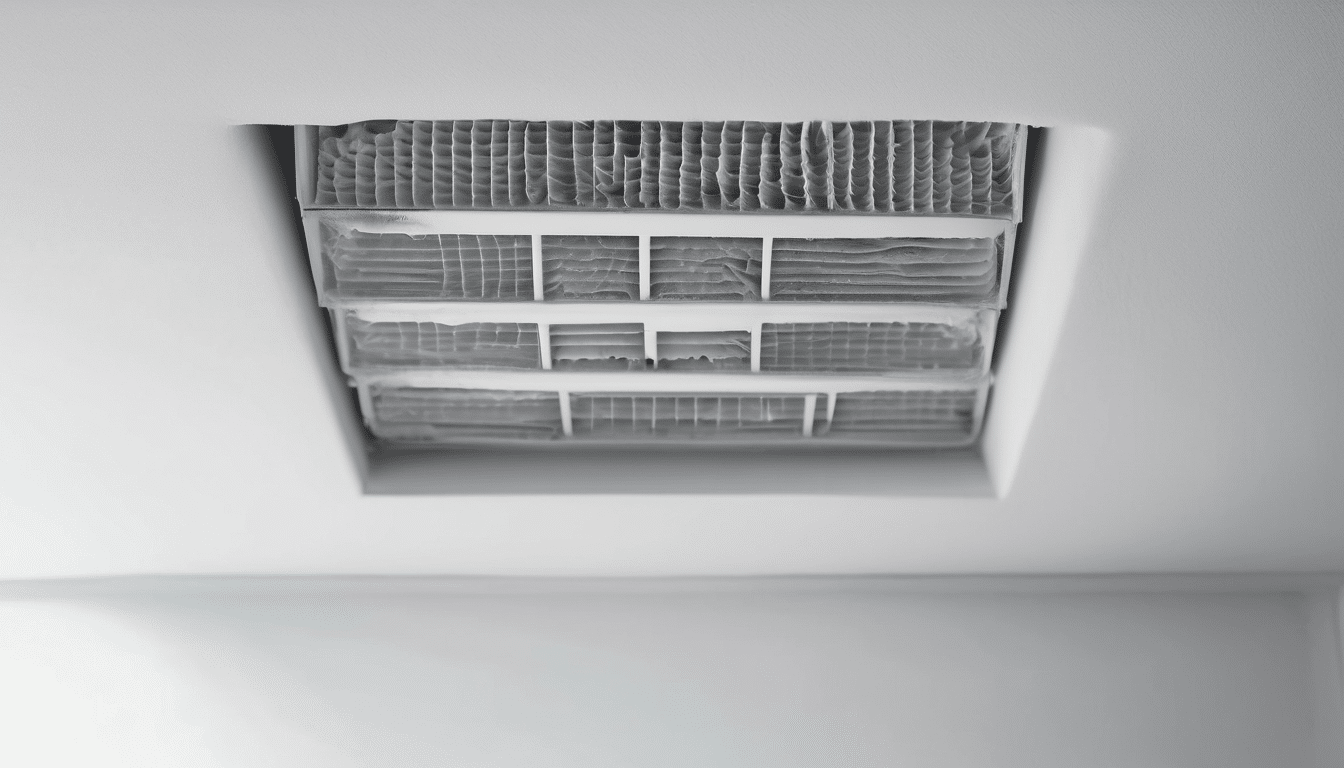
- Dark staining or discolouration around vent grilles, diffusers, or supply registers
- Increased allergy or respiratory symptoms that improve when occupants leave the building
- Visible mold growth on the inner surface of vent covers or inside accessible duct sections
- Water marks or staining near ceiling vents or on walls adjacent to ductwork
- Reduced airflow that cannot be explained by filter blockage alone
It is worth noting that mold inside duct systems is rarely visible from outside. What appears as a clean vent may conceal significant contamination within the duct interior, particularly near the air handling unit or in low-airflow branch sections.
Health Effects of Mold in AC Ducts for Dubai Residents
Mold in AC ducts Dubai causes and removal discussions must include a clear understanding of health impact. Mold spores and mycotoxins released into the air supply affect occupants continuously as long as the system operates — which in Dubai means effectively throughout every day and night.
Common health effects include persistent nasal congestion, sneezing, eye irritation, throat discomfort, and skin sensitivity. For individuals with asthma or existing respiratory conditions, mold exposure can trigger or worsen symptoms significantly. Children and elderly residents are particularly vulnerable because they spend more time indoors and have less resilient immune responses. Understanding Mold In Ac Ducts Dubai: Causes And Removal helps with this aspect.
In clinical environments across Dubai and the broader UAE, hospital-grade standards are applied precisely because of this risk. Families in residential properties deserve the same quality of consideration, particularly in homes where children sleep in bedrooms served directly by contaminated duct systems.
Mold in AC Ducts Dubai: Causes and Removal — The Professional Process
Effective mold in AC ducts Dubai: causes and removal requires a systematic approach that addresses the entire HVAC system, not just the visible contamination. A surface-level clean will not resolve a mold problem rooted in drain blockage or coil biofilm.
Step 1: System Inspection and Contamination Assessment
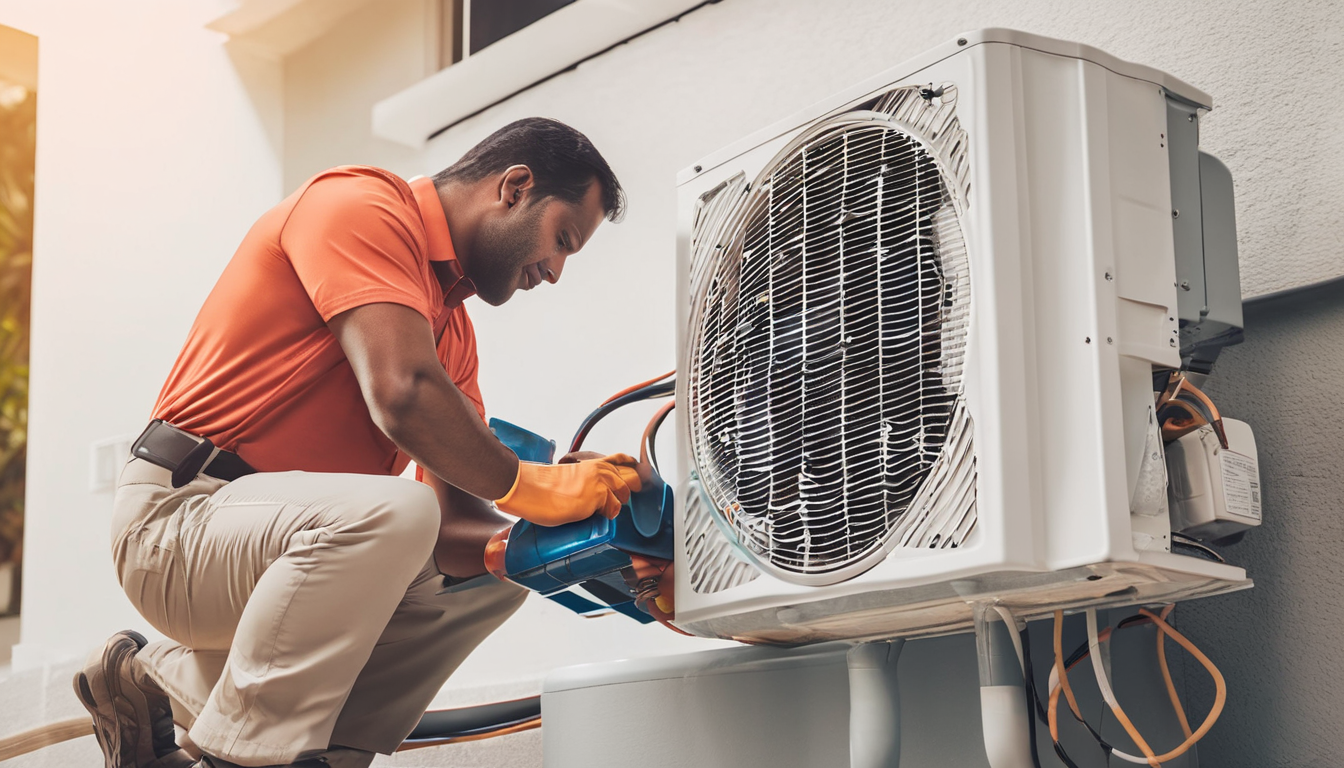
A qualified technician begins with a detailed inspection of the air handling unit, evaporator coils, drain pan, drain line, and accessible ductwork sections. This establishes where contamination is concentrated, what the moisture source is, and which areas of the system require the most intensive treatment.
Step 2: HEPA-Filtered Negative Pressure Containment
Before mechanical cleaning begins, a HEPA-filtered negative air machine is connected to the ductwork to create negative pressure. This prevents dislodged mold spores from becoming airborne and spreading into occupied rooms during the cleaning process. This step is standard in responsible professional practice but is often omitted by lower-cost providers.
Step 3: Mechanical Duct Cleaning
Rotary brush systems, agitation tools, and high-powered vacuum extraction are used to physically remove mold colonies, dust, and debris from duct interior surfaces. This is applied across all supply and return duct sections, paying particular attention to areas with confirmed contamination or restricted airflow. Mold In Ac Ducts Dubai: Causes And Removal factors into this consideration.
Step 4: Coil and Drain Pan Treatment
Evaporator coils are cleaned using appropriate coil cleaning agents to dissolve biofilm, dust, and microbial deposits. The drain pan is physically cleaned and treated with an antimicrobial solution. The drain line is flushed to restore full drainage capacity and treated to inhibit algae and biofilm reformation.
Step 5: Antimicrobial and Antifungal Disinfection
Following mechanical cleaning, an antimicrobial disinfectant is applied throughout the duct system, coil surfaces, and drain components. In Dubai’s residential and commercial environments, products that are safe for occupied spaces and approved for use near children and sensitive individuals should be selected. The treatment targets residual mold spores, bacteria, and organic contaminants that mechanical cleaning alone cannot fully eliminate.
Step 6: Reassembly and Airflow Verification
All access panels, vent covers, and components are reassembled. Airflow across all outlets is verified to confirm that cleaning has restored proper distribution. Any ductwork defects identified during inspection — such as separated joints or torn insulation — are documented and addressed to prevent moisture re-entry.
DIY vs Professional Mold Removal in AC Ducts Dubai
Attempting to address mold in AC ducts Dubai: causes and removal without professional equipment presents real limitations. Spraying a visible vent with household mold spray does not reach the interior duct surface, the coil, or the drain pan — which are the locations where mold originates. Without negative pressure containment, disturbing mold inside a duct system can release spores into the room and worsen air quality temporarily.
Professional AC hygiene services provide the equipment, chemistry, and methodological discipline that the job requires. For families with children, allergy sufferers, or anyone with respiratory sensitivities, the value of a correctly executed professional removal is measurable in terms of daily air quality and health outcomes. This relates directly to Mold In Ac Ducts Dubai: Causes And Removal.
Preventing Mold from Returning in Your AC Ducts
Preventing mold in AC ducts Dubai: causes and removal from becoming a recurring problem requires a consistent maintenance approach. One-off cleaning without ongoing attention will typically result in mold returning within three to six months in Dubai’s climate.
- Service AC filters every four to six weeks in Dubai’s dust-heavy environment
- Schedule professional coil and drain pan cleaning at least once annually, ideally before peak summer humidity in May or June
- Inspect drain lines quarterly for early signs of blockage or slow drainage
- Control indoor humidity where possible, particularly in rooms with poor ventilation
- Address any ductwork damage promptly to prevent warm air infiltration into the cooled duct interior
- Arrange comprehensive duct cleaning every 12 to 18 months for residential properties and every 6 to 12 months for high-occupancy commercial environments
Cost of Mold in AC Ducts Dubai: Causes and Removal Services
The cost of professional mold removal from AC ducts in Dubai varies depending on system size, contamination severity, property type, and the scope of treatment required. For a standard two-bedroom apartment, a comprehensive AC duct cleaning and disinfection service typically ranges from AED 600 to AED 1,200. For larger villas with multiple HVAC systems, costs generally range from AED 1,500 to AED 3,500 or more, depending on system complexity and duct access.
When mold is severe or has extended into multiple system zones, additional antifungal treatment applications may be required, which affects overall cost. Properties undergoing post-renovation cleaning — where construction dust has entered the duct system and created additional contamination substrate — may also incur higher charges due to the increased cleaning load. Understanding the full scope of mold in AC ducts Dubai: causes and removal helps owners evaluate quotes accurately and avoid underpriced services that skip critical steps.
Expert Tips for Managing Mold in AC Ducts Dubai
After more than 13 years working with AC systems across Dubai, certain patterns emerge consistently. These practical observations help property owners make better decisions about mold in AC ducts Dubai: causes and removal and long-term HVAC hygiene.
- Do not ignore musty odours. In my experience, a persistent smell from a vent is almost always a sign of microbial activity inside the system, not simply dust. Early intervention prevents extensive mold colonies from establishing.
- The drain pan is the first place to check. Most mold problems in Dubai residential systems originate at the drain pan. If a drain pan has standing water, mold is likely already present in the adjacent ductwork.
- Post-renovation cleaning is non-negotiable. Construction dust contains organic compounds that feed mold growth when they settle inside ductwork. Any property that has undergone renovation should receive full duct cleaning before the system is returned to regular use.
- Ask about containment procedures. A reputable company should use HEPA-filtered containment during mold removal. If a provider does not mention this, it warrants a follow-up question.
- Summer is the highest-risk period. Schedule inspections in April or May before humidity peaks. Waiting until August means mold has had months to establish and spread.
Mold in AC ducts Dubai: causes and removal is ultimately about understanding the environment your HVAC system operates in. Dubai’s climate is demanding, and it demands a maintenance approach that matches that reality. A system that is cleaned thoroughly, inspected regularly, and maintained with the same care applied to any other health-critical building service will consistently deliver clean, safe air to the people who depend on it every day.
If you have concerns about mold in your AC system, the most productive first step is a professional inspection from a qualified AC hygiene specialist — someone who will assess the full system, explain what they find in clear terms, and recommend treatment that addresses the root cause, not just the visible symptom. Understanding Mold In Ac Ducts Dubai: Causes And Removal is key to success in this area.