AC Coil Cleaning and Energy Efficiency in UAE Climate
Understanding AC Coil Cleaning and Energy Efficiency in UAE Climate is essential. In Dubai’s climate, AC coil cleaning and energy efficiency in UAE conditions are shaped by three forces working simultaneously: relentless heat, persistent humidity, and year-round system operation that allows dust and biofilm to accumulate without pause. When evaporator and condenser coils are compromised by contamination, the system must work harder to deliver the same result — and that effort shows up directly on your electricity bill. Understanding the relationship between coil condition and cooling performance is one of the most practical things a Dubai homeowner or facility manager can do.
Over thirteen years of working across Dubai villas, high-rise apartments, corporate offices, and commercial kitchens, one pattern repeats itself consistently: systems that feel like they are underperforming almost always have coils that have not been properly cleaned in over a year. The equipment is often in reasonable mechanical condition. The issue is surface contamination — a layer of dust, grease, or biological growth sitting between the coil fins and the air the system is trying to condition. Once that layer is removed with proper AC coil cleaning and energy efficiency in UAE climate conditions can be meaningfully restored.
This article addresses how coil contamination develops in UAE conditions, what it does to cooling capacity and energy draw, how professional cleaning restores performance, and what Dubai residents and facility teams should know about maintaining coil condition across the full year.
AC Coil Cleaning and Energy Efficiency in UAE Climate – Why UAE Climate Creates Accelerated Coil Contamination
The UAE’s climate is not simply hot. It combines extreme temperatures, high humidity during summer months, significant airborne dust from desert and construction activity, and continuous AC operation that leaves systems with no natural rest period. Each of these factors contributes to coil contamination in ways that are specific to the region.
Evaporator coils — located inside the air handling unit — operate in a permanently wet environment during cooling cycles. Condensation forms on the coil surface as warm, humid air passes across it. In a properly maintained system, that moisture drains away cleanly. In a system that has not been cleaned, the moisture carries dust and microscopic particles into the coil fins, where they accumulate and create a substrate that supports biological growth. The result is a dense, insulating layer that sits between the coil and the airflow.
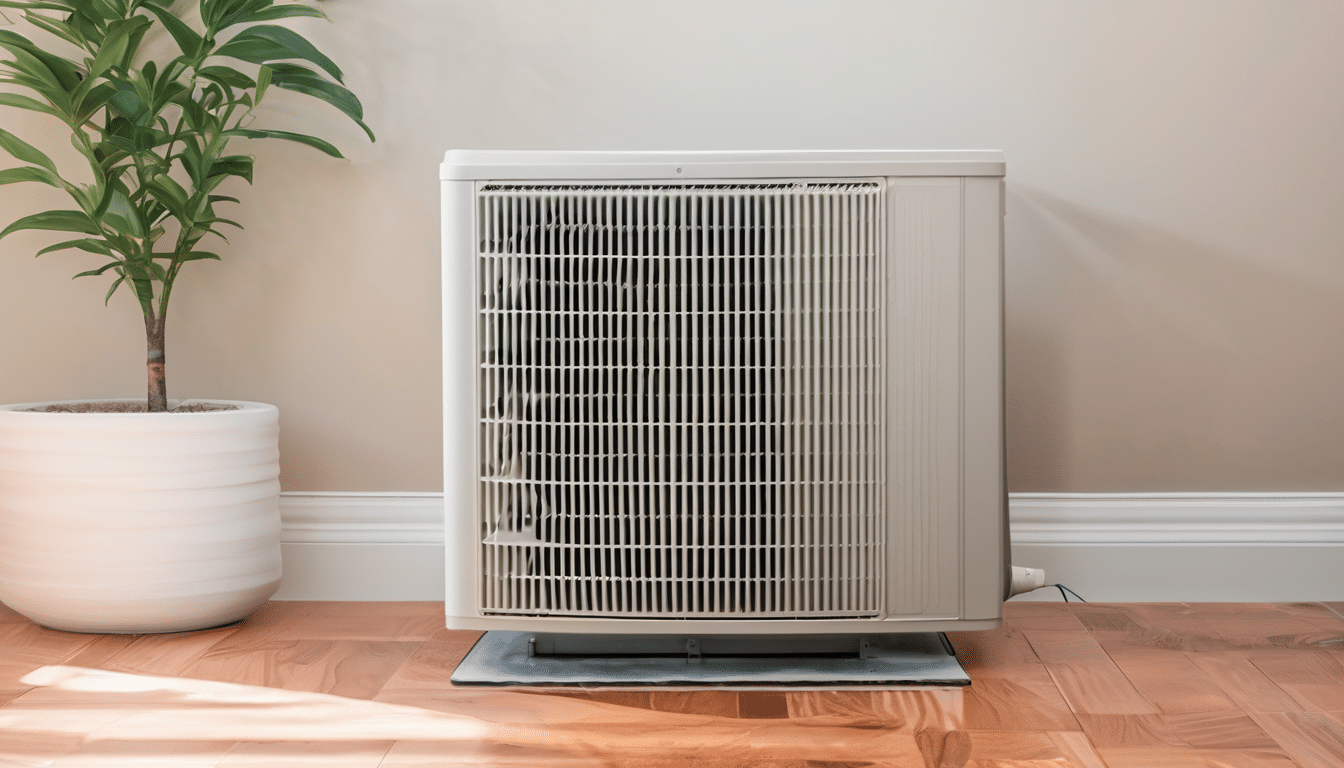
Condenser coils — located in the outdoor unit — face a different challenge. In Dubai, outdoor coils are exposed to blowing dust, sandstorm residue, and during coastal locations, salt-laden air. When this material packs into condenser fins, it restricts airflow across the coil and reduces the system’s ability to reject heat to the outside. This is the beginning of a cascade of efficiency losses that AC coil cleaning and energy efficiency in UAE climate assessment should address together.
AC Coil Cleaning and Energy Efficiency in UAE Climate – How Contaminated Coils Reduce Energy Efficiency
The connection between coil cleanliness and energy consumption is grounded in heat transfer physics. An air conditioning system cools air by moving heat from inside a space to outside — and coils are where that heat transfer actually occurs. When the coil surface is covered in dust, grease, or biological film, the rate of heat transfer slows down. The system compensates by running longer cycles, drawing more electrical current, and delivering less cooling per unit of energy consumed.
Field investigations consistently show that systems with heavily fouled evaporator coils run significantly longer per cooling cycle than comparable systems with clean coils. The compressor — the most energy-intensive component of any air conditioning system — bears the brunt of this demand. Extended compressor run times translate directly into elevated electricity consumption, and in Dubai’s summer months, where systems may run continuously for twenty or more hours per day, that consumption compounds quickly. This relates directly to AC Coil Cleaning and Energy Efficiency in UAE Climate.
AC coil cleaning and energy efficiency in UAE climate cannot be separated from each other. A coil that is properly cleaned and free of biofilm transfers heat at the rate it was engineered to achieve. A coil that is fouled operates well below that rate — and the difference is measurable in both comfort and cost.
AC Coil Cleaning and Energy Efficiency in UAE Climate – The Role of Biofilm in UAE Coil Performance
Biofilm is a layer of microbial communities that develops on persistently moist surfaces. Evaporator coils in Dubai’s humidity are ideal environments for biofilm formation. Once established, biofilm does not behave like simple dust. It is adhesive, resilient, and acts as a thermal insulator in the same way that scale does in water heating systems.
Basic cleaning methods — surface brushing, low-pressure rinse, or filter replacement alone — do not remove established biofilm from coil fins. The biofilm is embedded between and around fin surfaces, and it requires appropriate chemical treatment combined with controlled mechanical agitation to break down. This is where the distinction between routine maintenance and professional coil cleaning becomes practically significant for AC coil cleaning and energy efficiency in UAE climate outcomes.
Saniservice specialists approach coil biofilm as a distinct contamination profile, not simply accumulated dust. The cleaning protocol applied to a biofilm-contaminated evaporator coil in a Dubai villa involves a different chemical selection and dwell time than one used on a coil with straightforward dust fouling. Getting this distinction right is what separates a service that restores performance from one that simply improves appearance.
Pressure Equipment and Modern Cleaning Methods
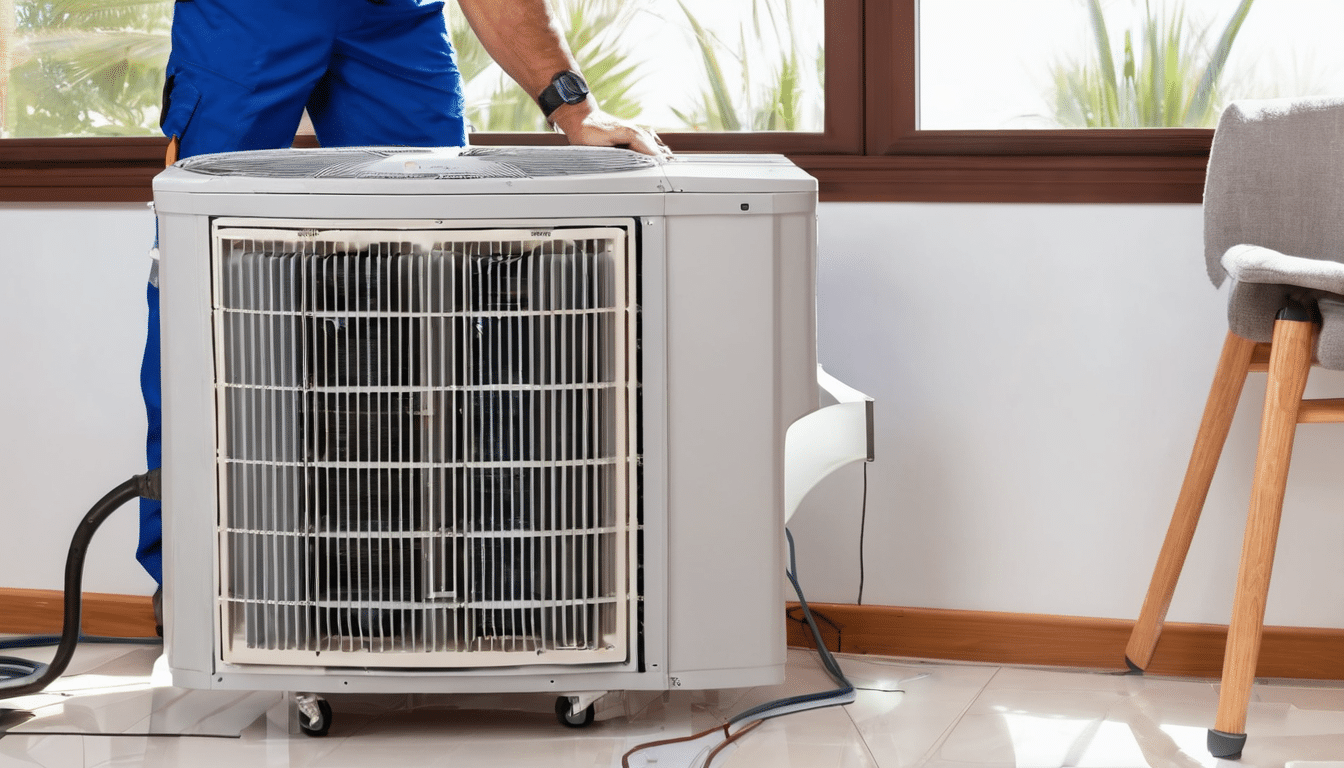
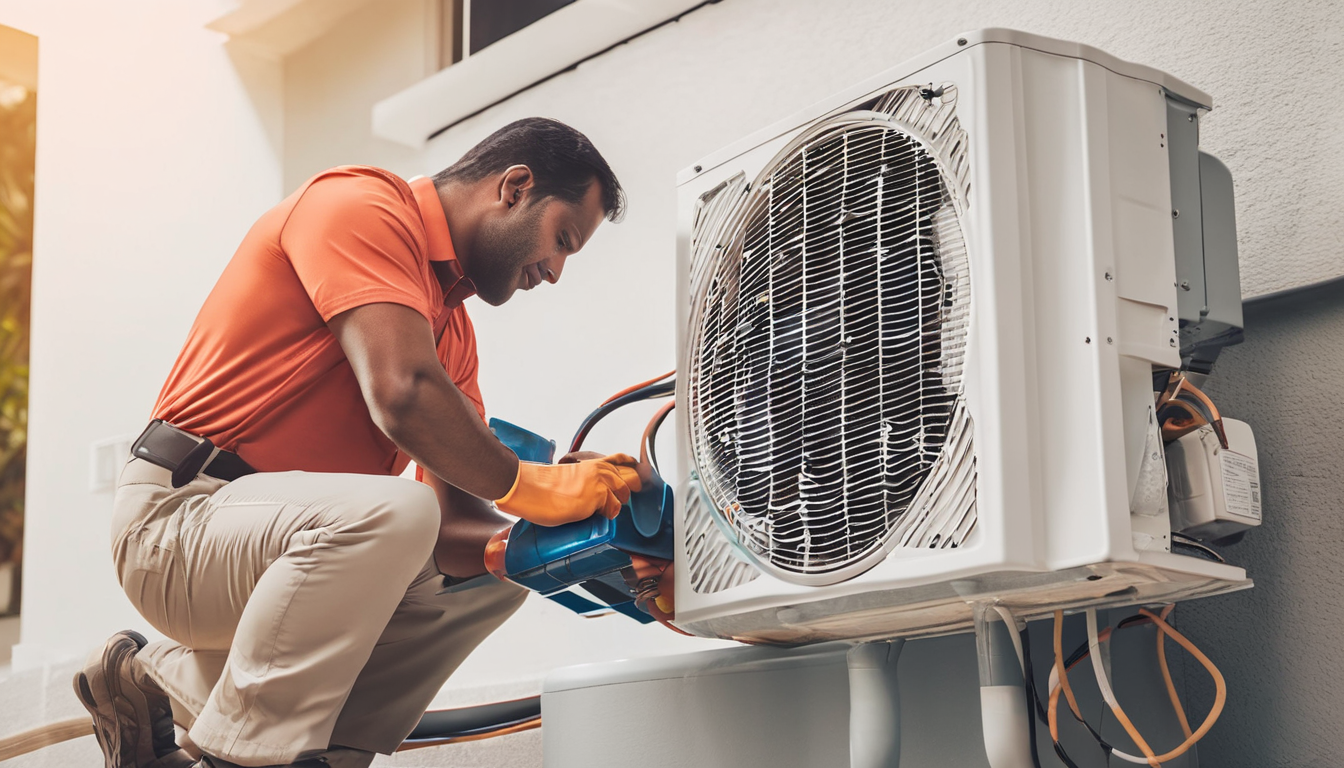
The method used to clean a coil matters as much as the decision to clean it. In professional HVAC hygiene service, portable pressure equipment has become an important part of the technician’s toolkit — particularly for accessing coils in installed systems where full removal is not practical or necessary.
Portable HVAC coil cleaning equipment, such as dedicated low-pressure washing systems, allows technicians to apply controlled water flow directly into coil fin arrays without the risk of fin damage that comes from incorrect pressure application. The objective is not to blast contamination away with force, but to flush it out in a controlled direction — typically from the clean air side toward the contaminated side — after chemical treatment has broken down the biofilm or dust binding.
AC coil cleaning and energy efficiency in UAE climate outcomes depend on this precision. Bent or damaged fins from incorrect pressure application can reduce airflow across the coil as significantly as contamination can. A properly executed low-pressure flush after appropriate chemical pre-treatment achieves thorough cleaning without structural damage to the coil assembly. This is the standard NADCA-aligned methodology calls for, and it is the standard Saniservice applies across Dubai residential and commercial systems.
Chemical Selection for UAE Coil Cleaning
The chemistry used in coil cleaning must be matched to the contamination type and the coil material. Aluminium fin coils — the most common type in Dubai residential split systems — require pH-balanced, non-caustic cleaners that break down biological and dust contamination without corroding the fin surface. Condenser coils exposed to salt air near the coast may benefit from different chemistry that addresses mineral deposits alongside organic fouling.
In environments where vulnerable occupants are present — nurseries, clinics, residential villas with children — chemical selection must also account for residue safety and ventilation requirements after application. AC coil cleaning and energy efficiency in UAE climate service that is conducted responsibly uses human-safe disinfectants with clearly documented drying times and post-treatment ventilation protocols.
How Often Should Coils Be Cleaned in Dubai Villas and Apartments
The frequency of coil cleaning in UAE conditions differs from recommendations designed for temperate climates. Most international HVAC maintenance guidelines suggest annual coil cleaning as a baseline. In Dubai, the case for more frequent inspection — and cleaning when indicated — is supported by the conditions that accelerate contamination: year-round operation, high dust loads, and persistent humidity during summer.
For most Dubai villas with ducted systems, professional evaporator coil cleaning is warranted at least once per year, with a mid-year inspection during or just after the summer peak. Properties near construction activity, high-traffic commercial kitchens, or coastal areas facing salt air exposure may require cleaning at shorter intervals. AC coil cleaning and energy efficiency in UAE climate is best managed through a preventive maintenance schedule rather than reactive servicing after performance has already declined.
Apartments in high-rise towers present a different profile. Fan coil units, which are common in Dubai apartment buildings, have smaller coils that can foul rapidly when filters are not maintained. Regular filter servicing combined with annual coil cleaning is the appropriate standard for most Dubai apartment systems.
Condenser Coil Cleaning in UAE Outdoor Conditions
Condenser coils deserve specific attention in the UAE context. Outdoor units installed on rooftops, podiums, or external walls of Dubai buildings are exposed to sandstorm residue, construction dust, and in coastal areas, salt particulates that are corrosive over time. When condenser fins become packed with this material, the unit’s ability to reject heat is reduced — and the compressor must work under elevated head pressure to compensate.
Elevated head pressure is one of the primary drivers of compressor wear and failure in UAE air conditioning systems. Regular condenser coil cleaning is therefore both an energy efficiency measure and a component protection measure. AC coil cleaning and energy efficiency in UAE climate management that addresses only the indoor unit while neglecting the outdoor condenser is addressing half the system.
Professional condenser cleaning in occupied buildings requires appropriate containment to prevent wash water and dissolved contamination from affecting adjacent areas. Rooftop condenser cleaning in particular should be conducted with controlled drainage and proper personal protective equipment for technicians working in exposed summer conditions.
Post-Renovation AC Coil Cleaning in Dubai Properties
Dubai’s active construction and renovation sector generates a specific contamination scenario that affects coil performance rapidly. Fine construction dust — gypsum, cement, and silica particulates — penetrates HVAC systems during fit-out work and deposits heavily on evaporator coil surfaces. This material bonds to moist coil fins and creates a dense fouling layer that standard filter systems do not intercept effectively.
Properties that have undergone renovation should have their evaporator coils professionally inspected and cleaned before full occupancy. AC coil cleaning and energy efficiency in UAE climate after renovation is particularly important because construction dust fouling can reduce cooling performance substantially from day one of habitation. Saniservice specialists conducting post-renovation assessments in Dubai regularly identify coil fouling as the primary cause of poor initial system performance in newly completed properties.
Expert Takeaways for Dubai Homeowners and Facility Managers
- Coil condition is the primary determinant of cooling efficiency in any air conditioning system operating in UAE conditions.
- Biofilm on evaporator coils requires specific chemical treatment, not just pressure rinsing — the two approaches produce measurably different outcomes.
- Condenser coil cleaning should always accompany evaporator coil cleaning for a complete system assessment.
- Post-renovation coil cleaning is not optional — construction dust fouling accumulates faster than seasonal contamination.
- A professional AC coil cleaning and energy efficiency in UAE climate service should leave behind documented evidence of the before-and-after coil condition, not just a service receipt.
- Portable pressure cleaning equipment in the hands of a trained technician produces better results than chemical spray-and-leave approaches.
- Maintenance schedules should be calibrated to UAE conditions, not generic international guidelines designed for temperate climates.
What Changes After Professional Coil Cleaning
Here is how you will know the difference. The first thing most Dubai residents notice after a properly executed coil cleaning is that the system reaches the set temperature faster. Rooms that previously felt warm despite continuous AC operation begin to respond the way the thermostat expects them to. The second thing many notice is a quieter system — because the compressor is no longer working against restricted heat transfer, it cycles more naturally and with less sustained effort.
AC coil cleaning and energy efficiency in UAE climate improvement is not a promise — it is a predictable outcome of removing the contamination that was preventing the system from performing at the rate it was designed to achieve. The engineering does not change. The coil’s capacity does not increase. What changes is that the capacity the coil already had is restored to full function.
For Dubai families, that translates into more consistent comfort through summer, measurably reduced electricity draw, and a system that is under less mechanical stress — which in turn supports longer component life and fewer unexpected failures during the months when reliable cooling matters most.
Frequently Asked Questions
How does AC coil cleaning improve energy efficiency in UAE climate conditions?
Contaminated coils restrict heat transfer between the refrigerant and the air passing through the system. In UAE conditions, where dust, humidity, and year-round operation combine, this fouling accumulates rapidly. Removing it through professional AC coil cleaning and energy efficiency in UAE climate assessment restores the coil’s designed heat transfer rate, allowing the system to cool effectively without extended compressor run times.
How often should evaporator coils be cleaned in a Dubai villa?
In most Dubai villas with ducted systems, professional evaporator coil cleaning is recommended at least once per year, with a mid-year inspection during or immediately after the summer peak. Properties near construction activity or coastal areas may require more frequent cleaning. AC coil cleaning and energy efficiency in UAE climate are best maintained through a preventive schedule rather than reactive servicing.
What is the difference between basic AC cleaning and professional coil cleaning?
Basic AC cleaning typically covers filter replacement and surface-level grille cleaning. Professional coil cleaning addresses the fin surfaces of both evaporator and condenser coils using appropriate chemistry and controlled pressure application. For AC coil cleaning and energy efficiency in UAE climate outcomes, the coil surface — not the visible grille — is where performance is determined.
Does condenser coil cleaning matter as much as evaporator coil cleaning in Dubai?
Yes. In Dubai’s outdoor environment, condenser coils accumulate sandstorm residue, construction dust, and in coastal areas, salt particulates. This restricts the outdoor unit’s ability to reject heat, forcing the compressor to work under elevated pressure. AC coil cleaning and energy efficiency in UAE climate management requires both indoor and outdoor coil attention for complete results.
Is post-renovation AC coil cleaning necessary in Dubai apartments?
Post-renovation coil cleaning is strongly recommended for Dubai properties following fit-out or major renovation work. Fine construction dust — including gypsum, cement, and silica — penetrates HVAC systems and bonds to moist evaporator coil surfaces rapidly. This fouling can significantly reduce cooling performance from the first days of occupancy and is a recurring finding in Saniservice post-renovation assessments across Dubai.
What equipment do professionals use for AC coil cleaning in UAE?
Professional technicians use portable HVAC coil cleaning equipment that delivers controlled, low-pressure water flow into coil fin arrays after chemical pre-treatment. This approach flushes contamination out without damaging aluminium fins. For AC coil cleaning and energy efficiency in UAE climate service, the combination of appropriate chemistry and controlled pressure produces measurably better outcomes than chemical spray-only or high-pressure methods.
How do I know if my AC coils need cleaning in a Dubai apartment?
Common indicators include rooms taking longer than usual to reach the set temperature, higher electricity bills without a change in usage pattern, an unpleasant odour when the system operates, or visible surface contamination around indoor unit grilles. A professional assessment of AC coil cleaning and energy efficiency in UAE climate condition provides a definitive answer based on coil inspection rather than symptoms alone.
If you would like to understand the current condition of your system’s coils — and what restoring them to proper function would mean for your home’s comfort and running costs — a property-specific assessment is the right starting point. See what your AC coil condition actually looks like before making any decisions. Understanding AC Coil Cleaning and Energy Efficiency in UAE Climate is key to success in this area.