AC Drain Pan Biofilm and Humidity in UAE Summers Dubai Guide
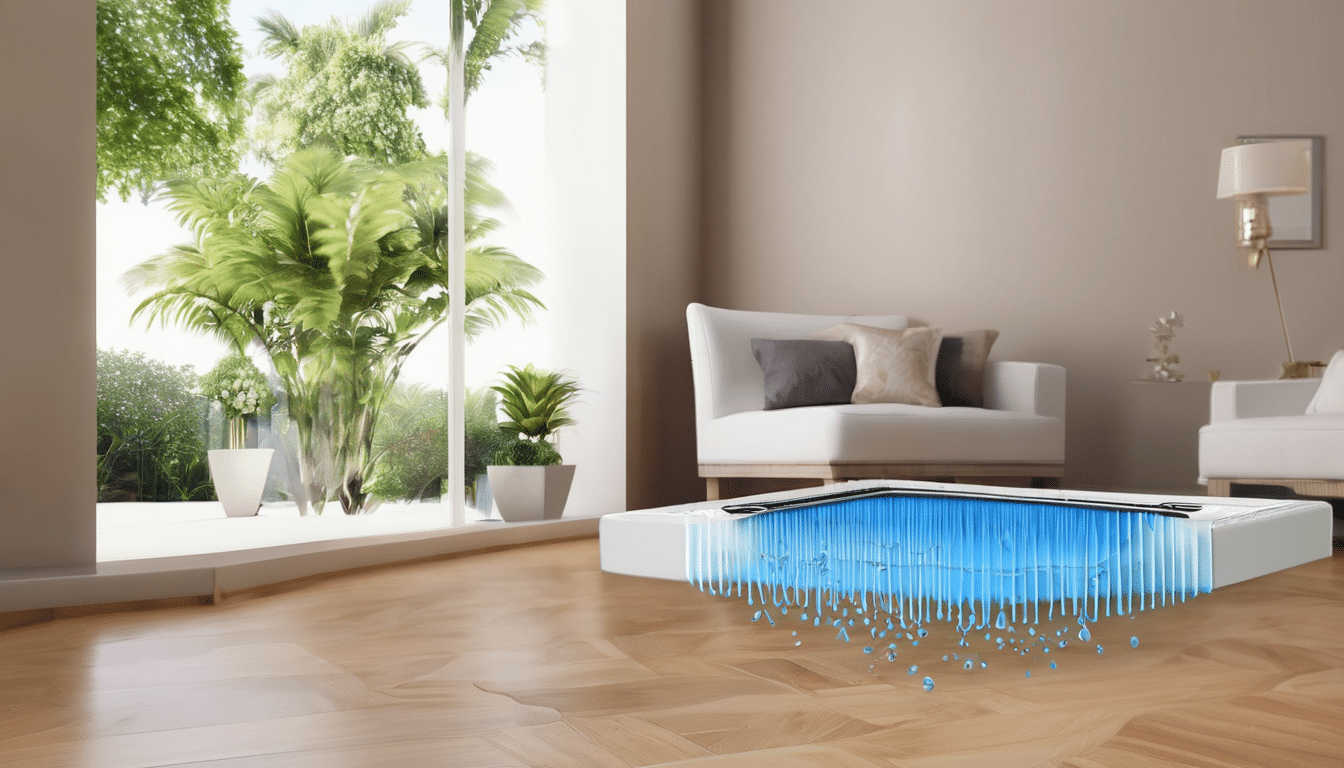
In Dubai, the air conditioning system is never truly off. From May through October, units run continuously for 18 to 22 hours a day, and the condensate drain pan — a component most residents never see — is wet, warm, and in near-constant contact with recirculated air. AC Drain Pan biofilm and humidity in UAE summers represent one of the most consistently overlooked contributors to degraded indoor air quality across the Emirates. This article explores why the drain pan matters, how biofilm establishes itself under Gulf climate conditions, and what a properly scoped service actually addresses.
Over 13 years of working inside HVAC systems across Dubai, Abu Dhabi, Sharjah, and Ajman, I have observed the same pattern repeatedly: drain pans that appear clean from the access panel are harbouring a layer of biological material that forms a continuous surface across the base of the unit. It is not always visible. It does not always smell immediately. But it affects what every occupant in that space breathes, and it degrades system performance in ways that show up on electricity bills before they show up on a maintenance report. This relates directly to AC Drain Pan Biofilm and Humidity in UAE Summers.
AC drain pan biofilm and humidity in UAE summers are inseparable topics. The conditions that make the Gulf unique — the sustained heat, the sealed indoor environments, the humidity swings between desert dry and coastal humid — create a biological environment that rewards consistent maintenance and penalises neglect. Understanding that environment is the first step toward addressing it properly.
AC Drain Pan Biofilm and Humidity in UAE Summers – What Biofilm Actually Is Inside a Drain Pan
Biofilm is not simply dirt or debris. It is a structured community of microorganisms — predominantly bacteria, sometimes combined with fungal elements — that adheres to wet surfaces and produces a protective matrix around itself. That matrix, composed of polysaccharides and proteins, makes biofilm significantly more resistant to simple flushing or wiping than a loose contaminant would be. When considering AC Drain Pan Biofilm and Humidity in UAE Summers, this becomes clear.
Inside a condensate drain pan, biofilm has everything it needs to establish and expand. There is a continuous moisture supply from condensation. There is warmth from the surrounding mechanical components. There are organic compounds arriving with the recirculated air — dust particles, skin cells, volatile compounds from furnishings — that serve as nutrients. AC drain pan biofilm and humidity in UAE summers are linked precisely because UAE summers provide the most concentrated version of all these conditions simultaneously.
How Biofilm Layers Build Over Time
Biofilm development follows a recognised sequence. Initial microbial attachment occurs on wet surfaces within hours of first contact. Over days and weeks, a primary layer consolidates and begins to produce its protective matrix. Over months, secondary layers accumulate on top, incorporating additional microbial species and debris. By the time a UAE summer ends, a drain pan that was not serviced before the season began may carry several millimetres of structured biological material.
That material does not stay in the pan. Air movement across the drain pan during system operation can aerosolise fragments of biofilm, carrying them into the supply airstream and, ultimately, into the occupied space. This is the pathway that connects AC drain pan biofilm and humidity in UAE summers to what residents and building occupants actually experience at the breathing level.
AC Drain Pan Biofilm and Humidity in UAE Summers – Why UAE Summers Accelerate Drain Pan Biofilm Development
The UAE summer is not simply hot — it is a sustained thermal and humidity event that lasts months rather than weeks. Ambient temperatures regularly exceed 43°C in Dubai, Abu Dhabi, and the surrounding Emirates. Coastal areas, including much of Dubai’s residential waterfront from Jumeirah to Dubai Marina, experience relative humidity that can exceed 85% during August and September. Inland areas, including parts of Sharjah and Ajman, experience more extreme heat with less coastal moderation.
These conditions place the AC system under maximum condensate load precisely when outdoor air quality is at its most demanding. The system produces more condensate per hour, keeps the drain pan wetter for longer, and recirculates air through a denser ambient dust environment. AC drain pan biofilm and humidity in UAE summers therefore represent a compounding problem — each factor intensifies the effect of the others.
The Role of Continuous System Operation
In temperate climates, air conditioning systems cycle off at night or during cooler periods. That cycling creates dry intervals that interrupt microbial development and allow surfaces to shed moisture. UAE residential systems, particularly those serving bedrooms and living spaces in villas across Arabian Ranches, Mirdif, Al Barsha, and Jumeirah, do not have that advantage. They run through the night and through the day, keeping the drain pan permanently saturated. The importance of AC Drain Pan Biofilm and Humidity in UAE Summers is evident here.
Without dry intervals, the biofilm never experiences the mechanical stress of drying and re-wetting that would otherwise limit its structural integrity. Instead, it grows continuously and undisturbed. Field investigations consistently identify this as the primary reason why UAE systems develop biofilm more extensively than comparable systems in seasonal climates — the biology simply has more uninterrupted time to organise itself.
AC Drain Pan Biofilm and Humidity in UAE Summers – How AC Drain Pan Biofilm Affects Indoor Air Quality
The connection between AC drain pan biofilm and humidity in UAE summers and indoor air quality is not theoretical. It is measurable. Laboratory analysis of air samples from spaces served by biofilm-contaminated systems frequently identifies elevated counts of viable microorganisms and fungal spore fragments. Post-cleaning samples from the same spaces, taken after proper biofilm removal, show measurable reduction.
For families with children, elderly residents, or occupants managing respiratory sensitivities, this difference matters daily. It shows up in sleep quality, in how fresh the space feels in the morning, and in the accumulation of minor respiratory irritation that residents often attribute to other causes. AC drain pan biofilm and humidity in UAE summers are not abstract concepts — they translate into what people feel when they spend time in the spaces affected.
The Odour Signal That Most Residents Recognise
The most commonly reported indicator of drain pan biofilm in Dubai residential settings is a musty or sour odour that emerges within minutes of the AC system starting up. This odour frequently intensifies after the system has been off for several hours — such as after a morning away from home — because the drain pan has remained warm and undisturbed, allowing volatile compounds from the biofilm to accumulate. When the system restarts, those compounds are immediately carried into the room.
This pattern is highly consistent across field investigations. A system that produces odour on startup, rather than during steady operation, is communicating that the source is at rest when the system is off — which points directly to the condensate drainage components. AC drain pan biofilm and humidity in UAE summers are the combination most likely to produce this specific odour signature in UAE homes.
Drain Line Blockage and Water Damage Risk
Beyond air quality, AC drain pan biofilm and humidity in UAE summers create a structural risk that property managers in Dubai and Abu Dhabi encounter regularly. As biofilm accumulates, it can consolidate into semi-solid matter at the drain line entry point, gradually restricting flow. A partially blocked drain line under peak condensate production — which occurs during the hottest months — can cause the drain pan to overflow.
In villa settings, a drain pan overflow may not be immediately visible if the unit is ceiling-mounted or housed in a plant room. The water damage that results — to ceiling panels, insulation, structural materials, and the furnishings below — can develop over days before it becomes apparent. Proactive drain line clearing and biofilm removal, scheduled before the summer season begins, is among the most cost-effective maintenance decisions a villa owner in the UAE can make.
The Professional Approach to AC Drain Pan Biofilm Removal
Addressing AC drain pan biofilm and humidity in UAE summers properly requires more than flushing the drain line with water. A surface wipe of the pan, which is often what basic maintenance contracts include, removes loose debris but leaves the adherent biofilm matrix intact. Within two to three weeks under UAE summer conditions, the remaining biofilm re-establishes fully, and the problem returns.
Saniservice specialists approach drain pan cleaning as a structured biological removal process. The pan is fully accessed and mechanically cleaned to remove the consolidated biofilm layer. An antibacterial and antifungal treatment — selected for human safety and appropriate for occupied residential environments — is applied to the pan surface, drain line entry, and associated components. The treatment is allowed to dwell and is then confirmed clear before the system is returned to operation. Understanding AC Drain Pan Biofilm and Humidity in UAE Summers helps with this aspect.
What NADCA-Aligned Practice Includes for Drain Systems
NADCA standards, which govern professional HVAC hygiene practice, recognise the condensate system as an integral part of the air-handling environment. This means that a genuinely system-level cleaning service does not treat the drain pan as a separate or optional item — it is included as part of the contamination pathway that must be addressed for the overall service to have lasting effect. AC drain pan biofilm and humidity in UAE summers require this integrated approach because treating only the coils or only the ducts leaves a recontamination source in place.
Recommended Timing for UAE Properties
For Dubai villas and apartments operating under continuous summer conditions, professional drain pan cleaning and biofilm treatment is most effectively scheduled in two phases: once before the summer season begins (typically March or April) and once during the summer period if systems are running under high condensate load. Properties near coastal areas, including those in Dubai Marina, Palm Jumeirah, and Corniche-adjacent buildings in Abu Dhabi, carry higher humidity exposure and may benefit from more frequent attention.
Post-summer servicing, typically in October or November, provides an opportunity to assess what the season has deposited. This timing aligns with the broader principle that AC drain pan biofilm and humidity in UAE summers should be managed proactively rather than reactively — clearing the system before it develops symptoms is more effective, and ultimately less disruptive, than responding to overflow events or persistent odours.
Expert Takeaways for Villa and Apartment Owners
- The drain pan is the wettest, warmest component in the system — it requires specific attention, not incidental wiping during a general service.
- Odour on startup is a reliable indicator of drain pan biofilm and warrants professional assessment before the problem advances.
- UAE coastal properties face higher humidity loading than inland locations — service frequency should reflect this difference.
- NADCA-aligned service methodology treats the drain pan as part of the contamination pathway, not as an optional add-on.
- Scheduling drain cleaning before summer, rather than during, reduces the risk of overflow damage at peak condensate production.
- Antibacterial treatment of the pan surface is only effective when the biofilm layer has been mechanically removed first — treatment applied over biofilm matrix does not penetrate adequately.
- Saniservice technicians document drain pan condition before and after service, providing verifiable evidence of what was found and what was addressed.
Frequently Asked Questions
What is AC drain pan biofilm and why does it matter in UAE summers?
AC drain pan biofilm is a structured layer of microorganisms that adheres to the wet inner surface of a condensate pan. In UAE summers, continuous system operation and high humidity levels prevent the pan from drying out, allowing biofilm to develop and expand without interruption. This matters because biofilm affects both indoor air quality and drain line function, and UAE summer conditions represent the most demanding period for condensate system hygiene.
How do I know if my Dubai villa has drain pan biofilm?
The most consistent sign in Dubai residential settings is a musty or sour odour when the AC system first starts up, particularly after the unit has been off for several hours. Reduced cooling efficiency, visible moisture around ceiling units, or a drain pan overflow are additional indicators. A professional assessment by a trained HVAC hygiene specialist will confirm the presence and extent of biofilm accurately.
How often should drain pan cleaning be done in UAE properties?
For most UAE villas and apartments, professional drain pan cleaning and biofilm treatment is recommended at least twice per year — once before the summer season begins and once post-summer. Properties in high-humidity coastal areas of Dubai, Abu Dhabi, or Ajman may warrant more frequent service. Variables that affect recommended frequency include system age, occupancy load, proximity to coast, and whether the property has experienced previous overflow or odour issues. AC Drain Pan Biofilm and Humidity in UAE Summers factors into this consideration.
Is a basic maintenance flush enough to remove drain pan biofilm?
No. A water flush removes loose deposits but does not break down the adherent biofilm matrix. Effective removal requires mechanical cleaning of the pan surface to physically disrupt and remove the biofilm layer, followed by an appropriate antibacterial and antifungal treatment. Applying chemical treatment over intact biofilm matrix is not effective because the treatment cannot penetrate the protective outer layer that biofilm produces.
Can drain pan biofilm cause water damage in a Dubai villa?
Yes. As biofilm consolidates near the drain line entry point, it can progressively restrict water flow. Under peak UAE summer condensate production — when systems are working hardest — this restriction can cause the pan to overflow. Ceiling-mounted units may discharge water into insulation and structural materials before the problem is visible at occupant level. Proactive drain line clearing before summer significantly reduces this risk.
Does AC drain pan biofilm affect energy efficiency in UAE buildings?
Drain pan biofilm contributes to overall system degradation rather than directly reducing energy efficiency on its own. However, biofilm that extends onto the base of the evaporator coil — a common finding during professional inspection — directly reduces heat exchange efficiency. Combined with coil biofilm and restricted airflow from duct contamination, drain pan biofilm is part of a system-wide condition that affects both air quality and operating cost. This relates directly to AC Drain Pan Biofilm and Humidity in UAE Summers.
What makes Saniservice’s approach to drain pan cleaning different from standard maintenance?
Saniservice applies a NADCA-aligned, system-level methodology supported by triple ISO certification and in-house microbiology laboratory capability. Drain pan cleaning is treated as a biological removal process, not a surface wipe. Mechanical removal of the biofilm layer is completed before antimicrobial treatment is applied. Before-and-after documentation confirms the condition at each stage, providing verifiable evidence of what was found and what was resolved.
Conclusion
AC drain pan biofilm and humidity in UAE summers are not a maintenance footnote. They represent the most consistently active contamination process in any UAE residential or commercial HVAC system operating through the summer months. The conditions across Dubai, Abu Dhabi, Sharjah, Ajman, and Ras Al Khaimah — sustained heat, continuous system operation, coastal humidity, sealed indoor environments — combine to make drain pan hygiene one of the most important decisions in any annual villa maintenance schedule.
The difference between a system that has been properly cleaned and one that has been superficially serviced is felt before it is seen. It is the air quality when you walk through the door after a day out. It is the absence of that startup odour. It is sleeping through the night in a room where the AC has been running for hours and the air still feels clean. That outcome begins in the components most people never inspect — and it is maintained by understanding what AC drain pan biofilm and humidity in UAE summers actually require to address properly.
If you would like to understand what your system currently looks like in this regard, Saniservice specialists are available for a property-specific assessment. See what your indoor air quality looks like when the drain pan is part of the conversation. Understanding AC Drain Pan Biofilm and Humidity in UAE Summers is key to success in this area.