HVAC Coil Cleaning Methods Guide
Understanding HVAC Coil Cleaning Methods: Pressure vs Chemical Comparison is essential. When a Dubai villa’s air conditioning begins losing cooling efficiency mid-summer, or when an evaporator coil shows signs of reduced airflow, the question that follows is consistent: how should the coil be cleaned? The answer is not as straightforward as most service providers suggest. HVAC Coil Cleaning methods — pressure vs chemical comparison — is a topic that deserves careful analysis, because the method chosen determines not just how clean the coil is immediately after service, but how long that cleanliness lasts and whether the root contamination has actually been addressed.
In over 13 years of working across Dubai’s residential and commercial environments, I have seen both approaches applied correctly and incorrectly. Pressure washing delivers mechanical force. Chemical treatment delivers biochemical action. Neither is universally superior. What matters is matching the method to the contamination signature, the coil type, the system configuration, and the occupancy conditions of the specific property. This article provides that comparison in full. This relates directly to HVAC Coil Cleaning Methods: Pressure vs Chemical Comparison.
Whether you manage a villa in Emirates Hills, an apartment in Jumeirah Beach Residence, or a commercial facility in Business Bay, understanding HVAC coil cleaning methods — pressure vs chemical comparison — gives you the ability to evaluate any service proposal with confidence. When considering HVAC Coil Cleaning Methods: Pressure vs Chemical Comparison, this becomes clear.
HVAC Coil Cleaning Methods: Pressure vs Chemical Comparison – Why Coil Cleaning Method Matters in Dubai’s Climate
Dubai’s environment creates contamination conditions that do not exist in temperate climates. Air conditioning systems operate continuously for eight to ten months of the year. That continuous operation means evaporator coils remain wet for extended periods, creating ideal conditions for biofilm formation. Simultaneously, high ambient dust loads — driven by desert activity and ongoing construction across the emirate — infiltrate even well-maintained systems. The importance of HVAC Coil Cleaning Methods: Pressure vs Chemical Comparison is evident here.
The result is a layered contamination problem. Dust accumulates on coil fins. Moisture binds that dust into compacted deposits. Biological growth embeds itself into those deposits. This is not a condition that any single cleaning method addresses perfectly. Understanding how pressure washing and chemical treatment each interact with this contamination profile is central to evaluating HVAC coil cleaning methods in a Dubai context. Understanding HVAC Coil Cleaning Methods: Pressure vs Chemical Comparison helps with this aspect.
Energy performance is also at stake. A coil covered in even a thin biofilm layer operates less efficiently, requiring the compressor to work harder to achieve the same cooling output. Field investigations across Dubai properties consistently show that properly cleaned coils — using the appropriate method — restore airflow and thermal transfer measurably. HVAC Coil Cleaning Methods: Pressure vs Chemical Comparison factors into this consideration.
HVAC Coil Cleaning Methods: Pressure vs Chemical Comparison – Pressure Washing Explained: How It Works on HVAC Coils
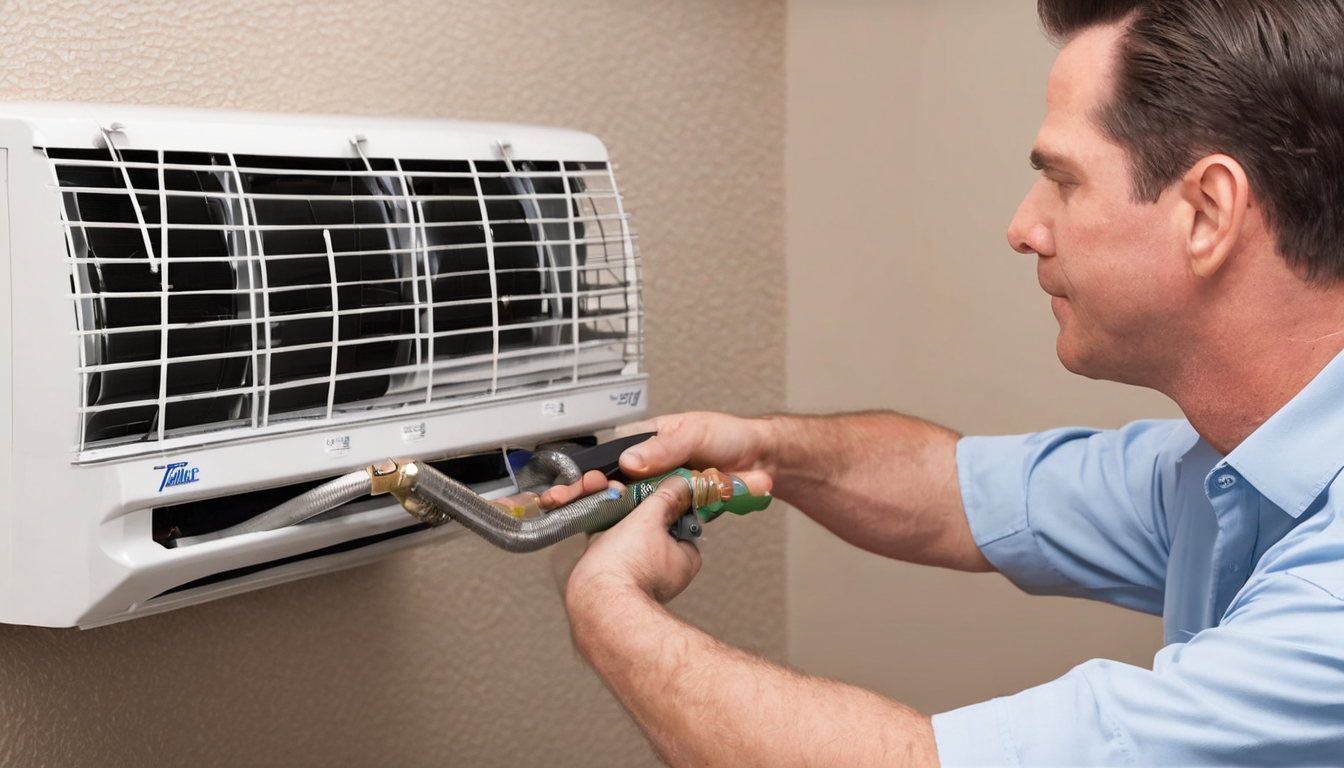
Pressure washing uses controlled water flow, typically delivered through a portable pressure system such as the ZPB140 Port A Blaster HVAC Coil Cleaning Portable Pressure unit, to dislodge and flush contaminants from coil fins and the surrounding structure. The mechanical action of pressurised water breaks apart compacted dust, debris, and loose biological deposits, carrying them away from the coil surface. This relates directly to HVAC Coil Cleaning Methods: Pressure vs Chemical Comparison.
Advantages of Pressure-Based Coil Cleaning
- Effective removal of heavy compacted dust and debris from condenser coils
- No chemical residue concerns in occupied environments
- Immediate visual confirmation of contamination removal
- Suitable for robust coil materials where fin damage risk is managed
- Portable pressure systems like the ZPB140 allow precise pressure control in confined spaces
- Fast process time on accessible condenser coils
Limitations of Pressure-Based Coil Cleaning
- Mechanical force cannot dissolve biofilm — it can only dislodge loose deposits
- Risk of fin damage on evaporator coils where fin density is higher and material is more delicate
- Water intrusion into electrical components requires careful management
- Does not address biological contamination at the microbial level
- Compacted organic matter between fins may resist mechanical removal
- Ineffective against established biofilm in condensate drain pans and drain lines
HVAC Coil Cleaning Methods: Pressure vs Chemical Comparison – Chemical Treatment Explained: How It Works on HVAC Coils
Chemical coil cleaning uses specifically formulated solutions — alkaline cleaners, acidic descalers, enzymatic treatments, or antimicrobial agents — applied to the coil surface and allowed to penetrate the contamination layer before rinsing. The chemistry does work that mechanical force cannot: it breaks down organic matter at a molecular level, disrupts biofilm matrix structures, and addresses microbial growth that pressure alone leaves behind. When considering HVAC Coil Cleaning Methods: Pressure vs Chemical Comparison, this becomes clear.
Advantages of Chemical Coil Cleaning
- Penetrates biofilm and dissolves organic contamination that pressure cannot shift
- Addresses microbial growth at the surface level when antimicrobial agents are used
- Gentle application protects delicate evaporator fin structures
- Self-rinsing foams can be used in environments where water access is limited
- Effective on both evaporator and condenser coils when appropriate chemistry is selected
- Can be combined with drain pan treatment to address the full moisture pathway
Limitations of Chemical Coil Cleaning
- Incorrect chemistry selection can corrode aluminium fins or copper tubing
- Requires proper rinsing to prevent chemical residue from entering airstream
- Some formulations produce VOC off-gassing during application — ventilation protocols are essential
- Heavy debris loads require mechanical pre-cleaning before chemical treatment is effective
- Occupied environments require child-safe and occupant-safe chemistry selection
- Process time is longer due to dwell periods required for chemical action
HVAC Coil Cleaning Methods Pressure vs Chemical: Direct Comparison
Comparing these two approaches across the most relevant performance dimensions clarifies which method suits which situation. This HVAC coil cleaning methods pressure vs chemical comparison is most useful when applied to specific contamination types and system configurations. The importance of HVAC Coil Cleaning Methods: Pressure vs Chemical Comparison is evident here.
Contamination Type
Heavy compacted dust on accessible condenser coils responds well to pressure washing, particularly with a calibrated portable unit. Biofilm, microbial deposits, and embedded organic matter require chemical action. When both are present — which is the common finding in Dubai systems — a combined approach is the correct methodology. Understanding HVAC Coil Cleaning Methods: Pressure vs Chemical Comparison helps with this aspect.
Coil Location and Access
Condenser coils located on rooftops or in external enclosures are generally suitable for pressure washing. Evaporator coils inside air handling units or fan coil units require more controlled methods — gentle chemical foam application is typically preferred to avoid fin damage and water intrusion into the system interior. HVAC Coil Cleaning Methods: Pressure vs Chemical Comparison factors into this consideration.
System Age and Coil Condition
Older coils with existing fin damage or corrosion are poor candidates for aggressive pressure washing. Chemical treatment with pH-appropriate formulations is the safer choice. Newer systems with intact fin structure can tolerate either approach when applied by trained technicians using equipment calibrated for HVAC applications. This relates directly to HVAC Coil Cleaning Methods: Pressure vs Chemical Comparison.
Occupied Environment Considerations
In homes with children, elderly residents, or occupants with respiratory sensitivities — a profile common in the Dubai villa and apartment market — chemical selection must prioritise human safety. Pressure washing avoids chemistry concerns but introduces water management requirements. The HVAC coil cleaning methods pressure vs chemical comparison shifts significantly when occupant safety governs the decision. When considering HVAC Coil Cleaning Methods: Pressure vs Chemical Comparison, this becomes clear.
The Combined Approach: When Both Methods Are Required
In practice, the most effective coil cleaning outcomes consistently come from a combined methodology. Pressure washing removes the bulk mechanical contamination — the dust, debris, and loose deposits — creating a clean surface for chemical treatment to work on. Chemical treatment then addresses the biofilm layer and microbial content that pressure alone cannot reach. The importance of HVAC Coil Cleaning Methods: Pressure vs Chemical Comparison is evident here.
This is the methodology applied in NADCA-aligned cleaning protocols and reflects the standard Saniservice specialists apply across Dubai properties. Treating this as an either/or decision — pressure or chemical — often results in incomplete cleaning. The coil looks clean after pressure washing, but the biological layer remains. Or chemical treatment is applied to a heavily dust-loaded coil, where the debris prevents the chemistry from reaching the actual coil surface. Understanding HVAC Coil Cleaning Methods: Pressure vs Chemical Comparison helps with this aspect.
Portable pressure systems like the ZPB140 Port A Blaster represent a meaningful advancement for this combined approach, because they deliver controlled, adjustable pressure appropriate for HVAC fin structures rather than general-purpose pressure washers that risk fin damage. When the mechanical stage is executed with proper equipment, the chemical stage can work on a genuinely prepared surface. HVAC Coil Cleaning Methods: Pressure vs Chemical Comparison factors into this consideration.
Energy Efficiency and the Case for Correct Method Selection
The business case for selecting the correct HVAC coil cleaning method is not abstract. A clean evaporator coil transfers heat efficiently. A coil compromised by biofilm or compacted dust creates a thermal insulation effect — the system works harder, runs longer, and consumes more energy to achieve the same indoor temperature. This relates directly to HVAC Coil Cleaning Methods: Pressure vs Chemical Comparison.
In Dubai, where air conditioning accounts for a substantial portion of residential and commercial electricity consumption, the efficiency gains from proper coil cleaning are measurable. Field investigations across Dubai villas and commercial properties frequently confirm that restored coil cleanliness reduces system run time and compressor load. The correct method matters because an incomplete clean — achieved by the wrong approach — leaves enough contamination to sustain that efficiency loss. When considering HVAC Coil Cleaning Methods: Pressure vs Chemical Comparison, this becomes clear.
Expert Takeaways for Dubai Villa and Apartment Owners
- Ask your service provider whether they assess coil contamination type before selecting a cleaning method — if there is no assessment, the method selection is guesswork.
- Pressure washing alone is insufficient for evaporator coils in systems that operate continuously in humid conditions.
- Chemical treatment requires the right formulation for the coil material — aluminium fins require different chemistry to copper coil systems.
- A combined approach — mechanical removal followed by chemical treatment — is the NADCA-aligned standard for thorough coil cleaning.
- Post-cleaning verification, whether through airflow measurement or visual inspection with documentation, is the mark of a service that stands behind its results.
- Request that drain pans and condensate lines are treated as part of the service — coil cleaning without drain management leaves the contamination cycle incomplete.
HVAC Coil Cleaning Methods Pressure vs Chemical — Verdict
The HVAC coil cleaning methods pressure vs chemical comparison does not resolve to a single winner. It resolves to a principle: match the method to the contamination, and combine both approaches when the contamination profile — as it commonly is in Dubai — involves both mechanical debris and biological deposits.
Pressure washing is the correct first stage for condenser coils and heavily loaded surfaces. Chemical treatment is essential wherever biofilm, microbial growth, or embedded organic matter is present. For evaporator coils in occupied Dubai homes, chemical application with occupant-safe formulations is typically the primary approach, with mechanical pre-cleaning where access permits.
What separates a professional HVAC coil cleaning service from a routine maintenance visit is the combination of proper diagnosis, appropriate method selection, correct chemistry, and documented outcomes. That combination is what produces results that last beyond the next seasonal dust surge — and what genuine indoor wellbeing in Dubai’s climate actually requires.
Frequently Asked Questions
What is the main difference between pressure washing and chemical cleaning for HVAC coils?
Pressure washing uses mechanical force to dislodge and flush debris from coil fins, making it effective for compacted dust and loose deposits. Chemical cleaning uses formulated solutions to dissolve organic matter, penetrate biofilm, and address microbial content that water pressure cannot reach. In the HVAC coil cleaning methods pressure vs chemical comparison, the key distinction is mechanical action versus biochemical action.
Which HVAC coil cleaning method is better for Dubai villas?
In Dubai’s climate, a combined approach consistently delivers the best outcomes. Condenser coils benefit from pressure washing to remove dust accumulation. Evaporator coils typically require chemical treatment to address biofilm and organic deposits formed during continuous humid operation. Saniservice specialists assess each system before determining the appropriate method for Dubai villa properties.
Can pressure washing damage HVAC evaporator coils?
Yes, if applied without proper pressure calibration. Evaporator coil fins are typically more delicate than condenser fins, and excessive pressure can cause fin bending that restricts airflow. Portable HVAC-specific pressure systems, such as the ZPB140 Port A Blaster, are designed with adjustable pressure settings appropriate for coil cleaning applications rather than general-purpose equipment.
How often should HVAC coils be cleaned in Dubai apartments and villas?
Based on field investigations across Dubai properties, evaporator coils in continuously operated systems typically benefit from professional cleaning every 12 months, with condenser coils assessed at the same interval. Properties near construction activity, in high-humidity coastal areas, or with occupants who have respiratory sensitivities may require more frequent assessment. A professional evaluation determines the appropriate schedule per property.
Is chemical coil cleaning safe for homes with children?
When conducted with occupant-safe, low-VOC formulations and proper ventilation protocols, chemical coil cleaning is appropriate in occupied homes including those with children. The chemistry selection must match the occupancy profile — Saniservice specialists use formulations reviewed for safety in sensitive environments. Post-treatment ventilation periods and correct rinsing eliminate residue concerns.
What is biofilm and why does it matter for HVAC coil cleaning in the UAE?
Biofilm is a structured community of microorganisms embedded in a protective matrix that adheres to moist surfaces — including evaporator coil fins and drain pans. In the UAE’s humidity conditions, biofilm formation is a commonly observed finding during professional HVAC inspection. It is resistant to pressure washing and requires enzymatic or antimicrobial chemical treatment to disrupt and remove effectively.
How do I know if my HVAC coil cleaning was done correctly?
A properly completed coil cleaning should include documentation of the coil condition before and after service, confirmation that drain pans and condensate lines were addressed, and — ideally — airflow or temperature differential measurements confirming restored performance. If the only evidence of service is a verbal confirmation, request written documentation of the process and materials used. Understanding HVAC Coil Cleaning Methods: Pressure vs Chemical Comparison is key to success in this area.