Signs Your Villa HVAC System Needs Deep Cleaning Dubai
There is a moment when you walk into a villa after a long day and something in the air feels different — not quite right, but difficult to name. The cooling is working, the vents are blowing, yet the atmosphere feels dense or faintly stale. In Dubai, where air conditioning runs continuously for ten or more months of the year, that feeling is often one of the earliest Signs Your Villa HVAC system needs deep cleaning. It is rarely dramatic. It builds slowly, system by system, season by season.
Understanding the signs your villa HVAC system needs deep cleaning requires more than checking whether the filters look grey. In a desert climate with high summer humidity and near-constant system operation, contamination accumulates across multiple components simultaneously — coils, drain pans, ducts, and diffusers. Each component contributes differently to air quality. A surface-level service that addresses only one of them rarely resolves what residents actually notice.
Saniservice specialists who conduct residential assessments across Dubai villas regularly encounter the same patterns: systems that have been serviced routinely but never cleaned comprehensively. This guide documents those patterns — the sensory cues, performance indicators, and physical signs that point clearly toward the need for a full HVAC deep clean.
Signs Your Villa HVAC System Needs Deep Cleaning Through Air Quality Changes
The most immediate signal most residents notice is a change in how the air smells or feels. A faint musty undertone — most noticeable when the system first switches on — is a common indicator of microbial activity inside the air handler or ductwork. In Dubai’s summer months, condensate moisture accumulates in drain pans and coil surfaces. When drainage is slow or partially blocked, that moisture creates conditions where biofilm can develop. The odour that results is distinct from dust. It is organic and slightly sweet, and it typically returns within days of a standard cleaning if the drain pan and coil surfaces have not been addressed at the root. This relates directly to Signs Your Villa HVAC System Needs Deep Cleaning.
Rooms that feel heavy or stuffy despite adequate cooling are another air quality signal worth noting. This is often related to reduced airflow rather than temperature failure. Contaminated coils lose their ability to transfer heat efficiently, which means the system runs longer but circulates less effectively conditioned air. Residents frequently describe this as the room “never quite feeling fresh,” which is an accurate description of what recirculated, under-treated air actually feels like.
Odours That Return After Basic Cleaning
If a musty or sour odour disappears for a week or two after a filter change and then returns, this is a reliable sign your villa HVAC system needs deep cleaning rather than routine maintenance. Filters trap particulates but do not address biofilm on coil fins, contamination inside flexible ducts, or standing moisture in drain lines. Addressing the odour source requires access to the evaporator coil, drain tray, and internal duct surfaces — components that a standard filter service does not reach.
Visible Indicators That Point to System-Level Contamination
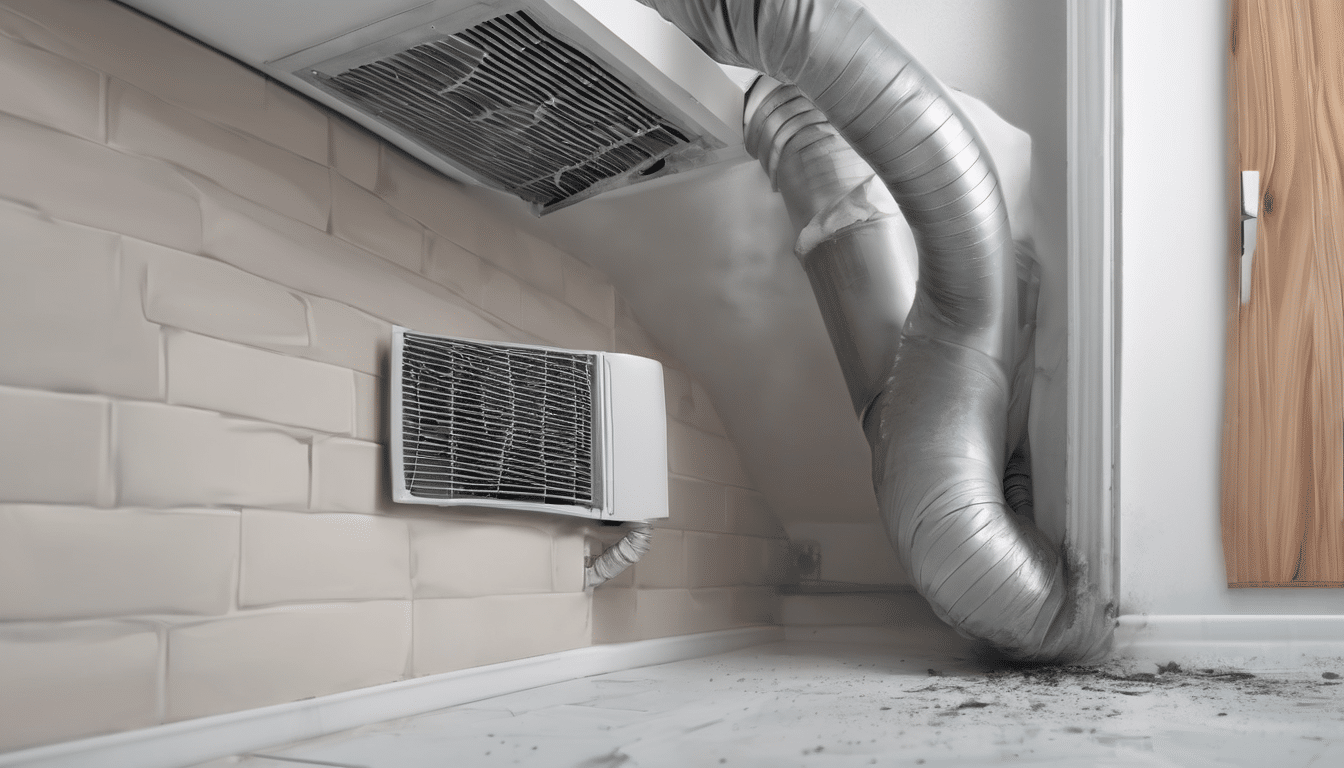
Physical inspection of accessible components often reveals contamination patterns that are difficult to detect from inside a room. Dust accumulation around supply diffusers that reappears within days of wiping is a consistent sign your villa HVAC system needs deep cleaning. This dust originates from inside the duct system and is pushed outward each time the air handler runs. The speed at which it reappears after surface cleaning is a rough indicator of how significant the internal accumulation is. When considering Signs Your Villa HVAC System Needs Deep Cleaning, this becomes clear.
Discolouration around return air grilles — particularly dark, sooty rings or brownish residue — suggests that particulates are being drawn into the system without adequate filtration, or that the filter is no longer seating properly. In Dubai villas with multiple return air points, this pattern is especially common in rooms that experience high foot traffic or that are closest to exterior doors used during construction activity in surrounding developments.
Condensate and Drain Pan Signals
A drain pan that shows visible residue, sliminess, or standing water between service visits is one of the clearest signs your villa HVAC system needs deep cleaning. The drain pan sits below the evaporator coil and collects condensate that drips during cooling. In Dubai’s summer months, the volume of condensate produced is significant. When the drain line is partially blocked by biofilm or debris, water sits longer than it should. Over time, this supports microbial growth that affects both the pan surface and the coil above it.
Water staining on ceilings near cassette or ducted unit locations can indicate persistent overflow from a blocked drain. This is not simply a water damage issue. It signals that conditions inside the air handler have been consistently wet for an extended period — long enough to allow biological activity that a drain flush alone will not fully resolve. The importance of Signs Your Villa HVAC System Needs Deep Cleaning is evident here.
Performance Signs Your Villa HVAC System Needs Deep Cleaning
Reduced cooling efficiency is one of the most measurable signs your villa HVAC system needs deep cleaning. When evaporator coil fins are coated in a layer of dust and biofilm, heat exchange is impaired. The system compensates by running longer cycles to achieve the same temperature setpoint. Residents typically notice this as rising electricity consumption, longer cool-down times after the system switches on, or rooms that never quite reach the temperature shown on the thermostat.
Uneven cooling across different rooms in a villa can indicate duct contamination that is restricting airflow in specific branches. In larger Dubai villas with extended duct runs — particularly those built with flexible ducting in low-gradient ceiling spaces — dust accumulation inside the duct can create localised airflow restrictions. This results in rooms that consistently feel warmer than others, even when all dampers and thermostats are correctly set.
Increased Filter Clogging Frequency
Filters that require replacement or cleaning significantly more often than the manufacturer recommends are signalling that upstream contamination is higher than normal. In post-construction environments — common in Dubai’s continuously developing residential communities — fine construction dust can saturate a filter within weeks rather than months. When this pattern persists beyond the construction phase, it typically means particulate has already entered the duct system and is contributing to the filter load from the inside out. Understanding Signs Your Villa HVAC System Needs Deep Cleaning helps with this aspect.
Health and Comfort Signals Worth Paying Attention To
Occupant experience is a meaningful data point. When family members — particularly children or those with respiratory sensitivities — notice that symptoms such as sneezing, dry eyes, or morning congestion correlate with time spent indoors and improve when windows are opened or when they travel, this pattern is worth investigating. It does not establish a definitive cause on its own, but it aligns with what Saniservice technicians frequently observe when they assess villa systems: a combination of accumulated particulate, reduced airflow, and biological activity on coil and drain surfaces that together degrade the quality of recirculated air.
Sleep quality is another indirect indicator. Air that has been conditioned through a clean system with properly functioning coils and clear ductwork feels noticeably different to breathe through the night. When residents describe waking with a dry throat or finding sleep less restorative than expected despite comfortable temperatures, it is worth considering whether the air delivery system itself is performing at its intended standard.
Signs Your Villa HVAC System Needs Deep Cleaning After Specific Events
Certain events create predictable contamination spikes that indicate a deep clean is warranted regardless of when the last service occurred. Post-construction cleaning — whether after villa renovation, neighbouring site activity, or fit-out work inside the property — is one of the most important. Construction dust carries fine silica and chemical particulates that standard filter media does not fully capture. Once inside the duct system, this material distributes through the entire air delivery network with every operating cycle. Signs Your Villa HVAC System Needs Deep Cleaning factors into this consideration.
Extended vacancy followed by recommissioning is another trigger. Villas that have been unoccupied for several months — common in properties used seasonally or left between tenancies — accumulate stagnant moisture and particulate inside the system without the benefit of regular occupant-driven inspection. The drain pan conditions that develop during vacancy periods, combined with settled dust throughout the ductwork, typically require a full-system assessment before the property is reoccupied.
Summer Startup After Reduced Use
In Dubai and across the UAE, the transition into peak summer — roughly April through September — marks a period when systems shift from moderate use to continuous operation. If a villa HVAC system enters this period without a thorough clean, the combination of increased moisture production, elevated humidity, and non-stop airflow accelerates contamination distribution. Scheduling a deep clean before peak summer rather than after it is the approach that preserves both air quality and system performance through the most demanding months.
What Deep Cleaning Actually Addresses
Understanding the signs your villa HVAC system needs deep cleaning is most useful when paired with clarity about what a proper deep clean actually involves. A NADCA-aligned deep clean addresses the evaporator and condenser coils, the drain pan and drain line, the internal duct surfaces including bends and junctions, the air handler interior, supply and return diffusers, and any accessible flexible duct sections. Each of these components contributes to system-wide air quality. Cleaning only one in isolation does not resolve the contamination cycle — it simply moves the problem further down the air delivery path.
Saniservice assessments use HEPA-filtered negative pressure containment during duct cleaning to prevent disturbed particulate from recirculating into occupied spaces. Antibacterial and antifungal disinfection is applied to coil surfaces and drain components using agents selected for occupant safety, including formulations appropriate for homes where children are present. The standard used mirrors clinical cleaning protocols rather than standard domestic maintenance.
Expert Takeaways for Dubai Villa Owners
- Odours that return within weeks of a standard service are a system-level signal, not a filter issue.
- Dust that reappears at diffusers within days of cleaning indicates internal duct contamination requiring professional extraction.
- Reduced cooling efficiency and longer cycle times are measurable performance signs your villa HVAC system needs deep cleaning.
- Post-construction and post-vacancy periods both warrant a full assessment regardless of recent service history.
- Schedule a comprehensive deep clean before peak summer to protect performance and air quality through the most demanding period.
- Drain pan and coil condition are the most important factors in odour and microbial control — surface cleaning alone does not address them.
Frequently Asked Questions
How often should a villa HVAC system be deep cleaned in Dubai?
Based on field assessments across Dubai villas, most systems benefit from a comprehensive deep clean every twelve months at minimum, with a pre-summer service before April being the most strategically valuable. Villas with post-construction exposure, high occupancy, or residents with respiratory sensitivities may require more frequent professional assessment to maintain appropriate air quality standards.
What are the most common signs your villa HVAC system needs deep cleaning in the UAE?
The most commonly observed signs include musty odours on system startup, dust accumulating at supply diffusers within days of wiping, reduced cooling efficiency with longer cycle times, discolouration around return air grilles, and drain pan overflow staining near ceiling cassette units. Each of these indicates contamination at system level rather than at the filter alone. This relates directly to Signs Your Villa HVAC System Needs Deep Cleaning.
Is a standard filter change the same as a deep clean?
No. A filter change addresses particulate captured at the return air point but does not reach evaporator coils, drain pans, internal duct surfaces, or air handler interiors. Deep cleaning addresses the entire air delivery pathway using appropriate access, containment, and disinfection protocols. Signs your villa HVAC system needs deep cleaning will persist even after repeated filter changes if root-cause contamination remains unaddressed.
Can post-construction dust in Dubai villas affect the HVAC system?
Yes, and this is a recurring finding in Saniservice assessments across Dubai’s residential communities. Fine construction particulate bypasses standard filter media and accumulates inside duct systems, on coil fins, and in air handler interiors. Post-construction deep cleaning is recommended before reoccupying any villa that has undergone renovation or that has been near active construction activity for an extended period.
Why does my Dubai villa AC smell musty even after cleaning?
A musty odour that returns quickly after a standard service typically points to biofilm on the evaporator coil surface or stagnant water conditions in the drain pan. In Dubai’s humid summer months, these conditions develop rapidly when drainage is even partially impaired. Resolving the odour requires coil disinfection and drain line clearance, not just filter replacement or surface wipe-down. When considering Signs Your Villa HVAC System Needs Deep Cleaning, this becomes clear.
Does reduced cooling efficiency indicate the HVAC system needs deep cleaning?
Reduced efficiency — evidenced by longer cool-down times, rooms that do not reach the thermostat setpoint, or rising electricity consumption — is a performance-based sign your villa HVAC system needs deep cleaning. A layer of biofilm or accumulated dust on evaporator coil fins measurably impairs heat transfer. Clean coils restore efficiency without any change to the mechanical components of the system.
When is the best time to schedule a villa HVAC deep clean in the UAE?
The most effective timing for a villa HVAC deep clean in the UAE is before peak summer — ideally between February and April. This ensures the system enters the period of maximum demand with clean coils, clear drain lines, and unobstructed ductwork. Scheduling after summer means the system has already operated under peak load with whatever contamination was present at the start of the season.
The signs your villa HVAC system needs deep cleaning are rarely sudden. They accumulate over weeks and months — an odour here, a dusty diffuser there, a room that never quite cools as well as it used to. In Dubai, where the system never truly rests, those signals matter more than they would in a climate where windows open for half the year and fresh air dilutes what recirculates indoors. Attending to them with a proper, system-level response is not an overreaction. It is simply what consistent indoor wellbeing requires in this environment. If you have noticed any of the indicators described in this guide, a professional assessment by Saniservice specialists will clarify the scope and confirm what your system actually needs.