

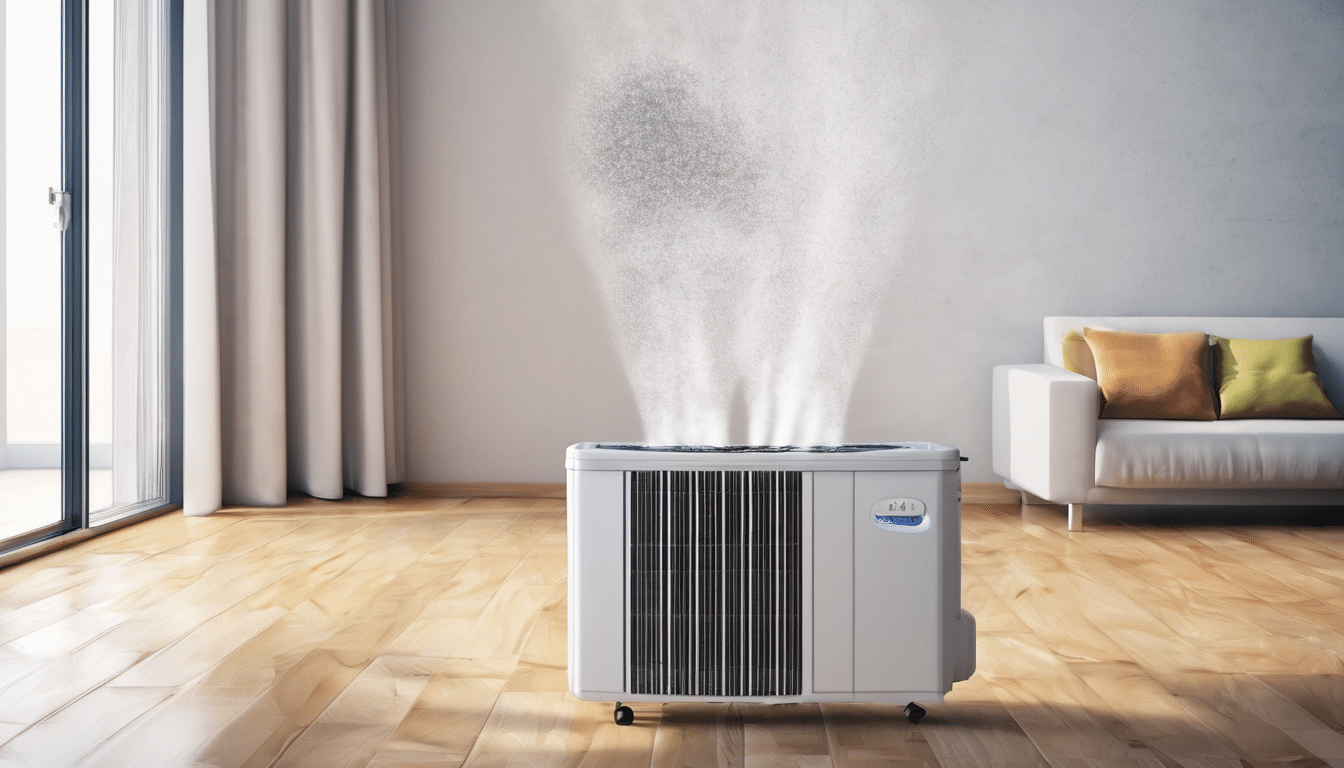
Mold in AC Systems Dubai Guide
Understanding Mold in AC Systems Dubai: Causes and Solutions is essential. Mold in AC systems in Dubai forms primarily because of three converging conditions: near-constant system operation that keeps internal surfaces perpetually damp, peak summer humidity that reaches 90% or above during coastal weather events, and sealed indoor environments where air recirculates rather than escaping. Understanding mold in AC systems Dubai causes and solutions begins with accepting that this is not a cleaning problem — it is a climate-engineering challenge that requires a systematic response. Addressing it properly means treating the entire HVAC system, not just the visible surfaces.
Over 13 years of working inside Dubai villas, apartments, and commercial facilities, I have identified mold in locations that standard cleaning services consistently overlook: deep inside flexible ductwork, along the secondary drain pan lip, across the back face of evaporator coils, and within the insulation layer of pre-insulated duct systems. By the time an occupant notices a musty note in the conditioned air, the colonisation has typically been developing for weeks. The good news is that it is entirely preventable when the right approach is applied. This relates directly to Mold in AC Systems Dubai: Causes and Solutions.
This guide covers mold in AC systems Dubai causes and solutions from root cause to remediation, so Dubai villa owners, apartment residents, and facility managers can make informed decisions about their indoor environments. When considering Mold in AC Systems Dubai: Causes and Solutions, this becomes clear.
Mold in AC Systems Dubai: Causes and Solutions – Why Dubai’s Climate Creates Ideal Mold Conditions Inside AC
Contents
- 1 Mold in AC Systems Dubai: Causes and Solutions – Why Dubai’s Climate Creates Ideal Mold Conditions Inside AC
- 2 Mold in AC Systems Dubai: Causes and Solutions – Where Mold in AC Systems Dubai Actually Grows
- 3 Mold in AC Systems Dubai: Causes and Solutions – The Role of Biofilm in Mold in AC Systems Dubai
- 4 How Mold in AC Systems Dubai Affects Indoor Air Quality
- 5 Mold in AC Systems Dubai Solutions That Actually Work
- 6 Preventing Mold in AC Systems Dubai from Returning
- 7 Key Takeaways for Dubai Residents and Property Managers
- 8 Frequently Asked Questions
- 8.1 How do I know if there is mold in my AC system in Dubai?
- 8.2 What causes mold in AC systems in Dubai specifically?
- 8.3 Is mold inside an AC system in Dubai dangerous?
- 8.4 How often should Dubai residents have their AC systems checked for mold?
- 8.5 Can mold return after professional AC cleaning in Dubai?
- 8.6 Does mold inside AC ducts in Dubai require duct replacement?
- 8.7 What makes Saniservice different for mold remediation in Dubai AC systems?
Dubai’s geography places it at the intersection of two mold-promoting forces: desert heat that demands continuous cooling and coastal humidity that regularly saturates the air. Unlike temperate climates where AC systems cycle off and allow internal surfaces to dry, Dubai systems run for months without pause. Surfaces inside the air handler — coils, drain trays, duct lining — remain consistently damp. The importance of Mold in AC Systems Dubai: Causes and Solutions is evident here.
During the summer months, outdoor humidity levels frequently exceed 80%, and the evaporator coil becomes a condensation surface operating under significant moisture load. If the condensate drain line is even partially restricted, standing water accumulates in the drain pan. This creates a warm, nutrient-rich, consistently moist environment — precisely the conditions that support mold colonisation. Understanding Mold in AC Systems Dubai: Causes and Solutions helps with this aspect.
Dust infiltration from construction activity across Dubai and desert sand events adds an organic nutrient layer to internal duct surfaces. Mold spores, which are always present in ambient air, land on these surfaces and find everything they need to establish. Understanding mold in AC systems Dubai causes and solutions means recognising that Dubai’s environment does not cause mold — it accelerates it in systems that are not properly maintained. Mold in AC Systems Dubai: Causes and Solutions factors into this consideration.
Mold in AC Systems Dubai: Causes and Solutions – Where Mold in AC Systems Dubai Actually Grows
Evaporator Coil and Drain Pan
The evaporator coil is the most common primary mold site in Dubai residential systems. The coil operates at low surface temperatures while surrounded by warm, humid air — condensation is constant during operation. Over time, dust accumulates between the coil fins, and biofilm develops across the coil face. This biofilm layer is where early mold colonisation typically begins, well before any visible growth appears on accessible surfaces. This relates directly to Mold in AC Systems Dubai: Causes and Solutions.
The drain pan sits directly beneath the coil and collects condensate. In systems that have not been serviced within the recommended period, the drain pan develops a persistent biofilm layer along its base and walls. This is the source of the sour or musty odour that many Dubai residents associate with their AC turning on — it is not coming from the air outside; it is coming from the drain pan directly inside the air handler. When considering Mold in AC Systems Dubai: Causes and Solutions, this becomes clear.
Ductwork and Insulation
Pre-insulated ductwork, which is standard in many Dubai villas and low-rise apartment buildings, presents a particular challenge. The inner insulation surface can absorb moisture over time, and once mold establishes within the insulation layer, surface cleaning alone cannot remove it. Flexible ducts, commonly used for final connections to diffusers, trap dust at bends and seams and are rarely inspected during basic service visits. The importance of Mold in AC Systems Dubai: Causes and Solutions is evident here.
Galvanised iron (GI) duct systems accumulate dust layers along horizontal runs. When humidity is drawn into the duct through unsealed joints or return air grilles, the dust-moisture combination creates a surface that supports mold growth. Mold in AC systems Dubai causes and solutions — when it involves ductwork — requires a NADCA-aligned cleaning approach using negative pressure containment to prevent spore dispersal during cleaning. Understanding Mold in AC Systems Dubai: Causes and Solutions helps with this aspect.
Mold in AC Systems Dubai: Causes and Solutions – The Role of Biofilm in Mold in AC Systems Dubai
Biofilm is a structured microbial community that adheres to surfaces inside AC systems. It forms on drain pan walls, along condensate lines, and across coil fins. Biofilm is relevant to mold in AC systems Dubai causes and solutions because it creates a protected environment where mold colonies can establish and persist even after surface cleaning. Mold in AC Systems Dubai: Causes and Solutions factors into this consideration.
Standard AC cleaning — filter washing, surface wipe-down, basic coil rinse — disrupts the surface layer of biofilm but does not eliminate it. Within days of a superficial clean, the biofilm re-establishes and mold returns to detectable levels. This is why so many Dubai residents experience the same musty AC odour within two to four weeks of a standard service. The root cause was not addressed. This relates directly to Mold in AC Systems Dubai: Causes and Solutions.
Proper biofilm removal requires enzymatic or alkaline coil cleaning agents applied with appropriate dwell time, followed by mechanical agitation and thorough rinse cycles. Drain lines require pressurised flushing and, in cases of established colonisation, antimicrobial treatment. Saniservice’s microbiology lab capability allows for verification of post-treatment cleanliness — a level of confirmation that generic cleaning providers cannot offer. When considering Mold in AC Systems Dubai: Causes and Solutions, this becomes clear.
How Mold in AC Systems Dubai Affects Indoor Air Quality
Mold in AC systems Dubai affects indoor air quality in a specific way that differs from surface mold in a bathroom or wall cavity. Because the AC system circulates air continuously through the contaminated components, mold particles and volatile compounds are distributed evenly throughout the indoor environment. Every conditioned room becomes part of the same air pathway. The importance of Mold in AC Systems Dubai: Causes and Solutions is evident here.
Occupants may notice a range of sensory changes: a musty or sour note when the AC first activates, increased morning grogginess or throat dryness, recurring nasal congestion with no clear seasonal cause, or an inexplicable heaviness in rooms that are otherwise comfortable. Children and elderly residents, whose respiratory systems respond more sensitively to airborne particles, may show symptoms before adults in the same household. Understanding Mold in AC Systems Dubai: Causes and Solutions helps with this aspect.
Field investigations consistently show that these symptoms reduce or resolve following comprehensive AC cleaning and disinfection when mold was the underlying cause. The change is not always dramatic — it is often described as a quiet improvement, a room that simply feels fresher, sleep that comes more easily. That is what clean air in a Dubai home should feel like. Mold in AC Systems Dubai: Causes and Solutions factors into this consideration.
Mold in AC Systems Dubai Solutions That Actually Work
Comprehensive Coil Cleaning
The evaporator coil must be accessed, inspected, and cleaned with appropriate chemistry — not rinsed from a distance with a pressure washer. A proper coil clean involves applying a pH-appropriate coil cleaning solution, allowing adequate dwell time for biofilm breakdown, mechanically working the fins where needed, and performing a thorough rinse that removes all chemical residue. Post-cleaning, the coil should be visually clear, with unobstructed fin pathways and no residual biofilm visible on the face surfaces. This relates directly to Mold in AC Systems Dubai: Causes and Solutions.
Drain Pan and Condensate Line Treatment
The drain pan must be physically removed or accessed for full cleaning, not wiped superficially. The condensate line should be flushed under pressure to clear any restriction or standing water. Where established biofilm is present in the drain pan, antimicrobial treatment with an appropriate biocide — one that is safe for occupied environments — should be applied and allowed to dwell before final rinse. When considering Mold in AC Systems Dubai: Causes and Solutions, this becomes clear.
Duct Inspection and Negative Pressure Cleaning
For cases where mold in AC systems Dubai is confirmed in the ductwork, NADCA-aligned duct cleaning using negative pressure equipment is the appropriate solution. This involves connecting high-capacity vacuum units to the duct system, creating negative pressure so that dislodged contamination travels toward the collection device rather than dispersing into the occupied space. Diffusers and grilles are cleaned individually, and all access points are resealed after cleaning. The importance of Mold in AC Systems Dubai: Causes and Solutions is evident here.
Antimicrobial Disinfection and Verification
Following mechanical cleaning, antimicrobial disinfection of all internal surfaces — coil, drain pan, duct interior — completes the remediation. The disinfectant used must be approved for HVAC application and safe for occupied residential environments, particularly where children or sensitive occupants are present. Where Saniservice’s microbiology lab is engaged, pre- and post-treatment surface samples confirm that the remediation achieved a measurable reduction in microbial load. Understanding Mold in AC Systems Dubai: Causes and Solutions helps with this aspect.
Preventing Mold in AC Systems Dubai from Returning
Remediation without prevention is incomplete. In Dubai’s climate, the conditions that created the mold — humidity, continuous operation, dust accumulation — do not change after cleaning. What changes is the system’s starting state and the maintenance frequency that keeps contamination from re-establishing.
A properly structured annual maintenance plan for a Dubai villa or apartment includes at minimum two comprehensive coil and drain line service visits per year, aligned with the pre-summer and post-summer periods. Systems in buildings near coastal areas, construction zones, or with known humidity infiltration issues benefit from quarterly inspection schedules. Filter condition checks every four to six weeks are a simple preventive measure any resident can perform.
Ensuring that all duct joints are properly sealed, that return air grilles are not drawing from dusty or humid voids, and that the drain system is unrestricted are structural factors that significantly reduce mold recurrence risk. Mold in AC systems Dubai causes and solutions, at the prevention stage, is largely about creating conditions where the system can dry and function as designed.
Key Takeaways for Dubai Residents and Property Managers
- Mold in AC systems Dubai forms due to continuous operation, high humidity, and dust accumulation — not poor housekeeping.
- The evaporator coil, drain pan, and duct insulation are the three primary mold sites in Dubai HVAC systems.
- Biofilm is the underlying mechanism that allows mold to persist after superficial cleaning — it must be specifically targeted.
- A musty AC odour is a reliable early indicator of drain pan or coil contamination, typically several weeks into the colonisation process.
- Effective mold in AC systems Dubai solutions require full coil cleaning, drain treatment, and antimicrobial disinfection — not surface wiping.
- NADCA-aligned negative pressure duct cleaning is appropriate when mold is confirmed within the duct system itself.
- Prevention is as important as remediation — a structured maintenance schedule prevents mold from re-establishing in Dubai’s conditions.
- Lab verification of post-treatment cleanliness, as offered through Saniservice’s microbiology capability, provides measurable confirmation rather than a visual estimate.
Frequently Asked Questions
How do I know if there is mold in my AC system in Dubai?
The most reliable early indicator is a musty or sour odour that appears when the AC activates and fades after the system has been running for a few minutes. Other indicators include persistent nasal congestion, visible discolouration around duct diffusers, and reduced cooling performance. A professional inspection with surface sampling provides confirmed findings rather than a visual estimate.
What causes mold in AC systems in Dubai specifically?
Dubai’s combination of near-continuous AC operation, high coastal humidity, and dust infiltration creates persistent moisture on evaporator coil surfaces, drain pans, and duct interiors. These surfaces stay damp, accumulate organic matter from dust, and provide the conditions where mold spores — always present in ambient air — can establish and grow. Mold in AC systems Dubai causes and solutions are fundamentally shaped by this climate profile.
Is mold inside an AC system in Dubai dangerous?
Mold within an operating AC system distributes particles through conditioned air across all connected rooms. Sensitive occupants — children, elderly residents, and those with existing respiratory conditions — may notice effects before others. The appropriate response is professional assessment and remediation, not alarm. Early-stage contamination is resolved more quickly and completely than advanced colonisation that has spread through ductwork.
How often should Dubai residents have their AC systems checked for mold?
A minimum of two comprehensive service visits per year is recommended for most Dubai residential properties, aligned with the pre-summer period (March to April) and the post-summer period (October to November). Properties near the coast, active construction, or with a history of drain restriction benefit from quarterly inspection schedules. Filter condition should be checked by residents every four to six weeks.
Can mold return after professional AC cleaning in Dubai?
Mold can return if only the visible surfaces are treated without addressing the biofilm layer on the coil and drain pan, or if the condensate drain remains partially restricted. Mold in AC systems Dubai causes and solutions must include prevention — proper sealing, drain maintenance, and structured service intervals — to prevent re-establishment in Dubai’s continuously operating, high-humidity environment.
Does mold inside AC ducts in Dubai require duct replacement?
Not necessarily. In GI duct systems, NADCA-aligned negative pressure cleaning and antimicrobial treatment typically remediates the contamination without requiring replacement. In pre-insulated ductwork where the insulation layer itself is compromised by moisture absorption and mold penetration, replacement of affected sections may be the more effective long-term solution. A professional inspection determines which approach is appropriate for each system.
What makes Saniservice different for mold remediation in Dubai AC systems?
Saniservice operates with a microbiology laboratory that enables pre- and post-treatment surface sampling, NADCA accreditation that governs duct cleaning methodology, and triple ISO certification covering quality, environmental, and occupational health management. This means mold in AC systems Dubai causes and solutions are addressed with measurable verification of outcomes, not visual estimates — a standard that generic cleaning providers cannot match.
Mold in AC systems Dubai causes and solutions is a topic that every Dubai resident and property manager should understand, not because the situation is alarming, but because the solution is straightforward when approached correctly. Dubai’s climate creates conditions that favour contamination — and a well-maintained AC system, serviced by qualified specialists using the right methodology, is the most direct path to air that simply feels right from the moment you walk through the door. If you have noticed that something in your indoor air has shifted, a professional assessment is where clarity begins. See what your air quality actually looks like — the results are measurable, and the improvement is something you will notice every day. Understanding Mold in AC Systems Dubai: Causes and Solutions is key to success in this area.


Leave a Reply