


A Critical Review For: Indoor Air Quality And Health In
<h2 id="introduction-to-indoor-air-quality-and-health-in-schools”>Introduction: Understanding Indoor Air Quality and Health in Schools
Understanding Indoor Air Quality And Health In Schools: A Critical Review For is essential. Indoor Air Quality (IAQ) in schools is a critical issue that affects the health, comfort, and productivity of students and staff. Poor IAQ can lead to respiratory issues, headaches, dizziness, and reduced cognitive function, all of which can impact academic performance and overall well-being. This guide aims to provide a comprehensive review of Indoor Air Quality and its implications for school environments in Abu Dhabi, Dubai, Sharjah, Ajman, Fujairah, and Ras Al Khaimah.
Indoor Air Quality And Health In Schools: A Critical Review For – The Importance of HVAC Maintenance in Schools
Contents
- 1 Indoor Air Quality And Health In Schools: A Critical Review For – The Importance of HVAC Maintenance in Schools
- 2 Controlling Allergens and Pollen in School Rooms
- 3 The Role of Indoor Air Quality Assessments: Ensuring Safe and Healthy Environments
- 4 Best Practices for AC Duct Cleaning in Schools
- 5 The Role of Humidity Control in Indoor Air Quality: Preventing Mold Growth and Allergens
- 6 Professional AC Disinfection for Schools: Addressing Microbial Contamination
- 7 Expert Tips for Improving Indoor Air Quality in Schools
- 8 Frequently Asked Questions About Indoor Air Quality in Schools
- 9 Conclusion on Indoor Air Quality and Health in Schools: A Critical Review for
Heating, ventilation, and air conditioning (HVAC) systems play a crucial role in maintaining Indoor Air Quality. Regular maintenance of these systems is essential to ensure that they are operating efficiently and effectively. In schools, where large numbers of people spend extended periods indoors, the importance of HVAC maintenance cannot be overstated.
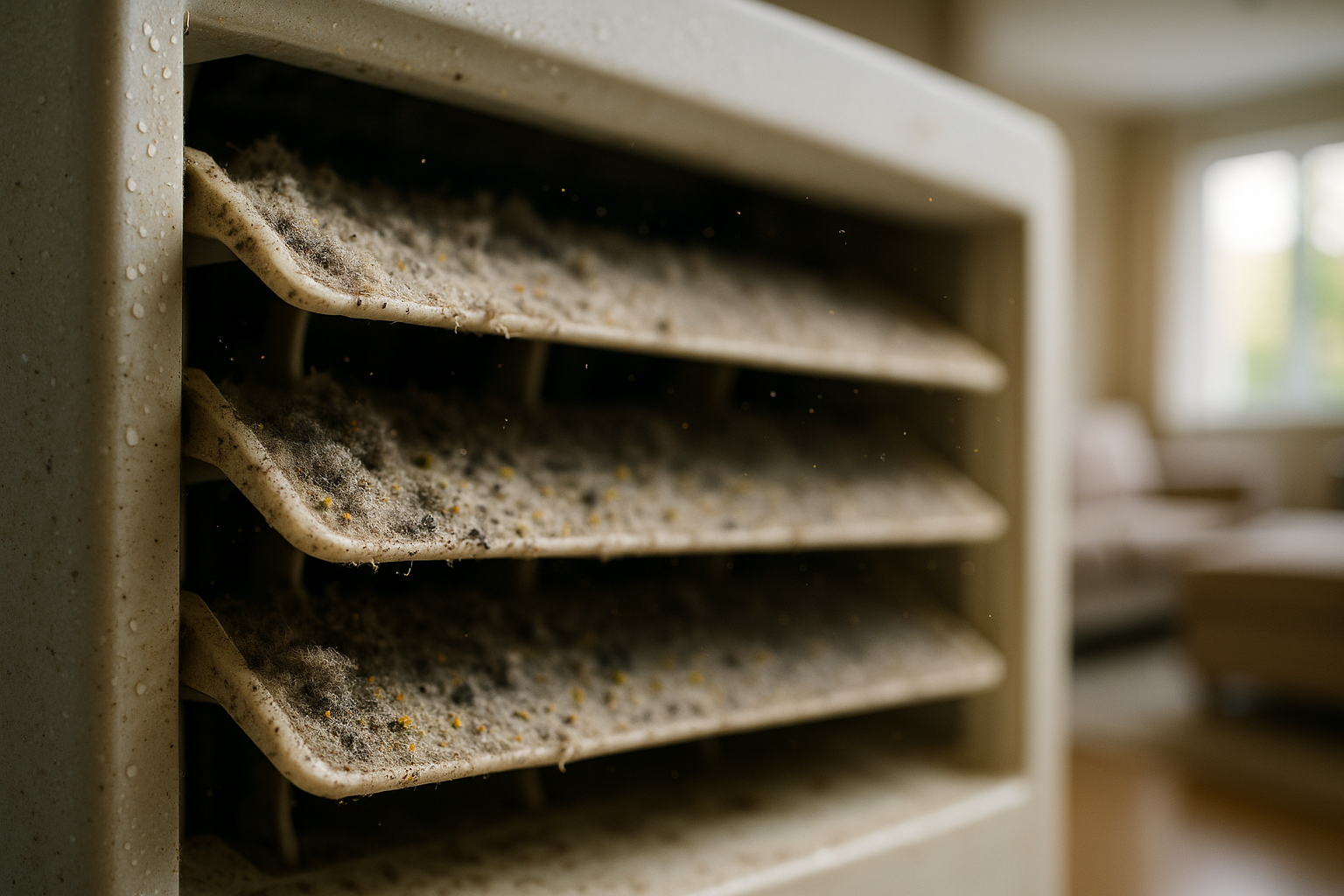
Regular inspections and servicing can help prevent issues such as dust accumulation, Mold Growth, and microbial contamination. This not only improves air quality but also extends the lifespan of the equipment and reduces energy costs over time.
<h2 id="identifying-mold-growth-inside-ac-systems”>Indoor Air Quality And Health In Schools: A Critical Review For – Identifying Mold Growth Inside AC Systems: A Common Problem
Mold growth inside AC systems is a common issue that can significantly impact Indoor Air Quality. In Abu Dhabi, Dubai, and other regions with high humidity levels, moisture can accumulate within the HVAC system, creating an ideal environment for mold to thrive. This relates directly to Indoor Air Quality And Health In Schools: A Critical Review For.
Signs of mold growth include musty odors, discoloration on surfaces, and visible black or green patches. Regular AC duct cleaning and disinfection are crucial in preventing and eliminating mold growth, ensuring that air circulated through the school is clean and safe for all occupants.
Controlling Allergens and Pollen in School Rooms
Students with allergies or asthma can be particularly sensitive to allergens present in school environments. Pollen, dust mites, and pet dander are common triggers that can exacerbate symptoms. Proper HVAC maintenance includes ensuring filters are clean and regularly replaced to trap these allergens before they circulate through the air.
Using high-efficiency particulate air (HEPA) filters can significantly reduce allergen levels in school rooms. Additionally, sealing gaps around windows and doors can prevent pollen from entering the building, maintaining a cleaner indoor environment for allergy-sensitive individuals. When considering Indoor Air Quality And Health In Schools: A Critical Review For, this becomes clear.
The Role of Indoor Air Quality Assessments: Ensuring Safe and Healthy Environments
Indoor Air Quality assessments are essential tools for identifying potential issues in school buildings. These assessments can reveal hidden sources of contamination, such as mold, bacteria, or volatile organic compounds (VOCs), that may not be immediately apparent.
A thorough assessment typically involves measuring temperature and humidity levels, testing for contaminants, and evaluating the overall ventilation system. The results can guide targeted interventions to improve air quality and create a healthier learning environment for students and staff.
Best Practices for AC Duct Cleaning in Schools
AC duct cleaning is a critical component of maintaining Indoor Air Quality. In schools, where HVAC systems operate year-round due to the desert climate, accumulated dust and debris can significantly impact air quality. The importance of Indoor Air Quality And Health In Schools: A Critical Review For is evident here.
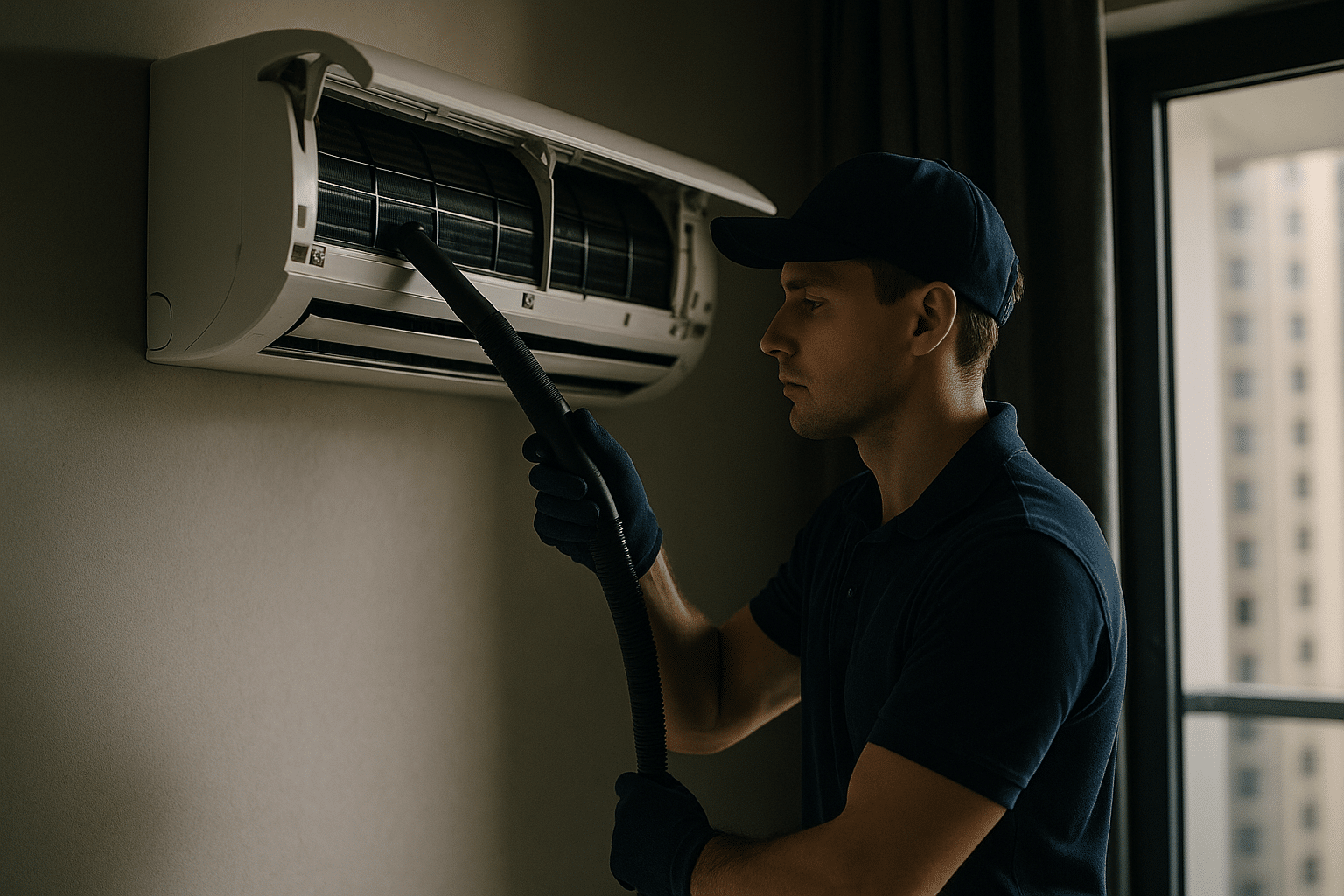
Professional AC duct cleaning involves removing hidden contaminants such as mold spores, bacteria, and biofilm that accumulate inside the ductwork over time. This process typically includes deep cleaning of coils, blowers, and drain pans, followed by disinfection to eliminate microbial growth.
The Role of Humidity Control in Indoor Air Quality: Preventing Mold Growth and Allergens
Humidity levels play a significant role in Indoor Air Quality. In humid climates like those found in Abu Dhabi and Dubai, maintaining optimal humidity levels is crucial to prevent mold growth and reduce allergen levels.
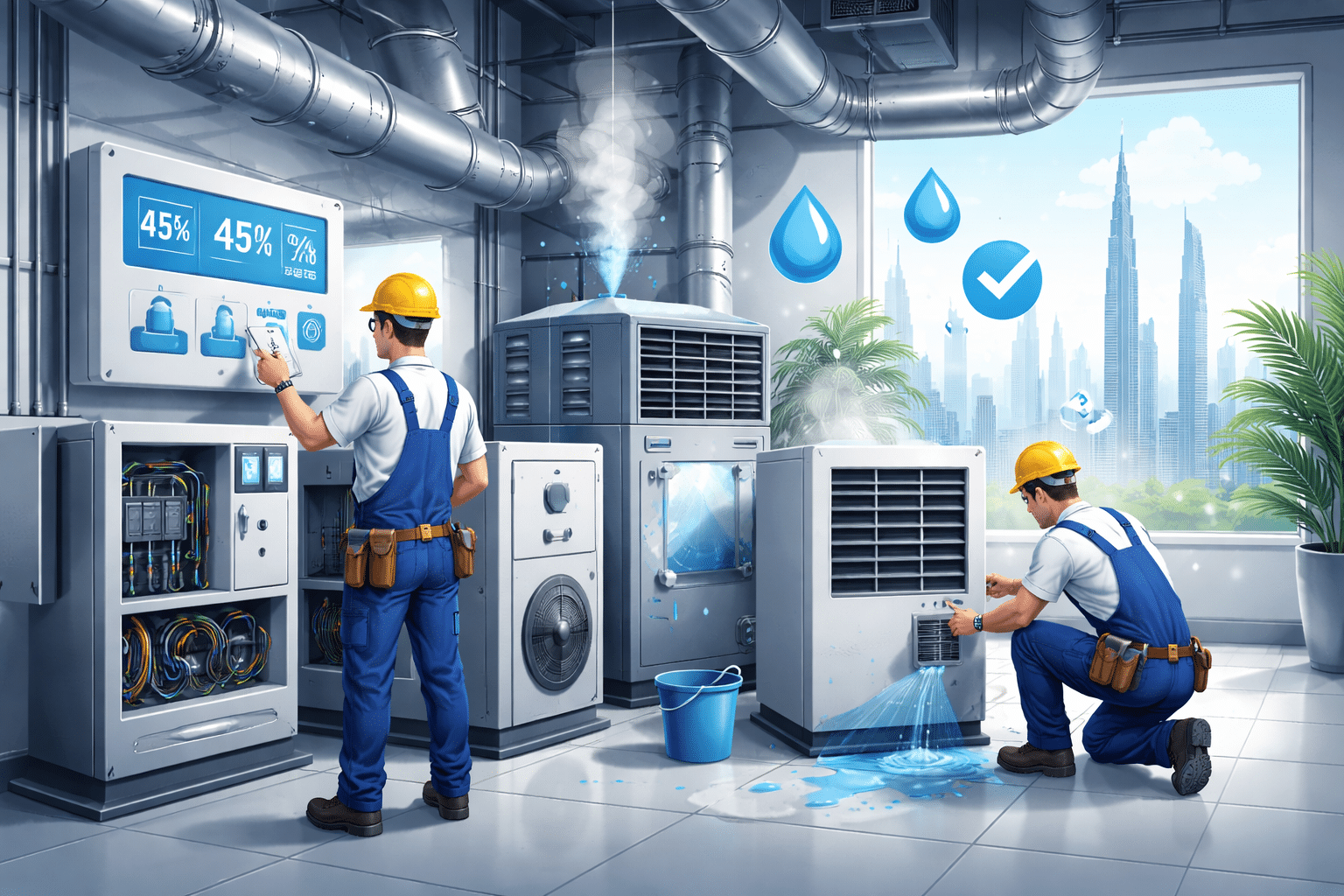
Dehumidifiers can be installed in school buildings to control moisture levels, especially during high-humidity seasons. Proper ventilation and the use of desiccant dryers can also help maintain a comfortable and healthy indoor environment for all occupants. Understanding Indoor Air Quality And Health In Schools: A Critical Review For helps with this aspect.
Professional AC Disinfection for Schools: Addressing Microbial Contamination
Microbial contamination inside HVAC systems can pose serious health risks, particularly in school environments where children are more vulnerable to infections. Professional AC disinfection involves the use of human-safe chemicals and advanced techniques to eliminate bacteria, viruses, and fungi that may have accumulated over time.
This process typically includes a thorough cleaning followed by targeted disinfection using EPA-approved products designed for Indoor Air Quality improvement. Regular disinfection can help maintain a clean and healthy environment for students and staff.
Expert Tips for Improving Indoor Air Quality in Schools
Improving Indoor Air Quality is an ongoing process that requires consistent effort and attention. Here are some practical tips to help maintain a healthy environment in school buildings: Indoor Air Quality And Health In Schools: A Critical Review For factors into this consideration.
- Regular HVAC Maintenance: Schedule routine inspections and servicing of HVAC systems to ensure they operate efficiently.
- Dust-Free Circulation: Use high-efficiency filters and regularly clean ductwork to prevent dust from circulating through the air.
- Mold Prevention: Monitor humidity levels and use dehumidifiers to control moisture, preventing mold growth inside AC systems.
- Allergen Control: Seal gaps around windows and doors to keep pollen out of school rooms. Use HEPA filters to trap allergens in HVAC systems.
- Frequent Inspections: Conduct regular Indoor Air Quality assessments to identify potential issues early on.
Frequently Asked Questions About Indoor Air Quality in Schools
Here are some common questions about Indoor Air Quality in schools:
- Q: How often should HVAC systems be cleaned?
- A: In Abu Dhabi and Dubai, it is recommended to have AC duct cleaning and disinfection performed every 6-12 months. This schedule can vary depending on usage and environmental conditions.
- A: Yes, EPA-approved disinfectants are commonly used in professional AC cleaning and disinfection services. These products ensure that the air circulated through school buildings is free from harmful bacteria and viruses.
- A: Regular maintenance, proper humidity control, and prompt cleaning can help prevent mold growth. Ensuring that HVAC systems are dry during maintenance is also crucial.
Conclusion on Indoor Air Quality and Health in Schools: A Critical Review for
Indoor Air Quality in schools plays a vital role in ensuring the health, well-being, and academic performance of students. By addressing issues such as mold growth, allergens, and microbial contamination through regular HVAC maintenance and professional cleaning, schools can create healthier environments for all occupants.
Regular Indoor Air Quality assessments, combined with best practices like proper humidity control and frequent inspections, are essential steps in maintaining a clean and safe learning environment. By prioritizing these measures, school administrators can contribute to the overall health and success of their students and staff. Understanding Indoor Air Quality And Health In Schools: A Critical Review For is key to success in this area.

Leave a Reply