AC Mold Signs Inside Dubai Villas and Apartments
There is a specific moment, usually sometime between late April and early October, when the air coming from your AC vents smells different. Not unpleasant in an obvious way — more like something slightly stale, or faintly earthy, that wasn’t there during the cooler months. That shift is one of the earliest AC Mold Signs inside Dubai villas and apartments, and most residents assume it will pass. It rarely does on its own.
Dubai’s summer season creates a set of conditions that are almost uniquely suited to microbial growth inside air-conditioning systems. Outdoor temperatures exceed 42°C for sustained periods. Humidity climbs sharply, particularly during the coastal months. AC systems run continuously — often 24 hours a day — meaning condensate never fully dries, coil surfaces remain persistently moist, and drain trays stay wet between cycles. In this environment, the HVAC system becomes the one place in your home where moisture, warmth, and organic material meet without interruption. This relates directly to AC Mold Signs Inside Dubai Villas and Apartments.
Understanding AC mold signs inside Dubai villas and apartments is not about alarming yourself — it is about knowing your system well enough to act early, before what starts as a minor contamination issue becomes something more embedded and harder to address.
Why Dubai’s Climate Creates Ideal Conditions for AC Mold
The relationship between Dubai’s seasonal humidity and AC mold growth is well-documented in field investigations across the UAE. During summer months, the gap between indoor and outdoor dew points widens dramatically. When warm, humid air enters the system — through return air grilles, duct leakage points, or infiltration at poorly sealed diffusers — it contacts cold coil surfaces and condenses. That condensate must drain cleanly. When it doesn’t, biofilm begins forming in the drain pan within days.
Continuous operation is a compounding factor that distinguishes Dubai from most other climates. In temperate environments, AC systems cycle off long enough for internal components to dry between uses. In Dubai villas and apartments, systems often run for months without meaningful downtime. This means any moisture present in the drain line, on the evaporator coil, or within the duct insulation lining never has the opportunity to evaporate. The result is a warm, humid microenvironment that sustains microbial colonies even after surface cleaning. When considering AC Mold Signs Inside Dubai Villas and Apartments, this becomes clear.
High dust loads from desert conditions and ongoing construction activity across Dubai add organic material to the equation. Dust accumulating on a dry coil is a maintenance issue. Dust accumulating on a wet coil is a nutrient source. This combination — moisture, warmth, and organic particulates — is why field investigations across Dubai properties consistently identify contamination in systems that were cleaned less than six months prior using surface-only methods.
Seasonal AC Mold Signs Inside Dubai Villas and Apartments to Recognise
Recognising AC mold signs inside Dubai villas and apartments starts with what you sense before anything is visually confirmed. The sensory indicators arrive first, and they follow a seasonal pattern tied directly to when humidity builds and when systems transition from moderate to continuous use.
The Earthy or Musty Odour at Start-Up
The most commonly reported early indicator is an earthy or musty smell present during the first few minutes after the AC activates. This is frequently noticed when systems are switched back on after brief periods of disuse — such as returning from travel — or when temperatures rise enough in spring to require continuous cooling again. The odour typically originates from biofilm forming on the evaporator coil or inside the drain pan, and it distributes through the duct system with every cycle.
Residents in apartments across Dubai Marina, JLT, and Business Bay frequently report this as the first sign they notice, often dismissing it as a seasonal quirk. Field assessments consistently find that when this odour is present and persistent, biofilm or early-stage microbial colonisation is the source rather than simple dust accumulation. The importance of AC Mold Signs Inside Dubai Villas and Apartments is evident here.
Visible Discolouration Around Vent Diffusers
Dark or grey streaking around ceiling diffusers — sometimes described as a shadow or ring — is another of the AC mold signs inside Dubai villas and apartments that appears visually before anything inside the duct is inspected. This discolouration is caused by particulates, including microbial matter and spores, being deposited around the diffuser as conditioned air passes through.
In villas with high ceilings, such as those common in Arabian Ranches, Jumeirah, or Mirdif, this streaking may be harder to notice at floor level. It is worth inspecting diffusers closely during early summer — around late April and May — when humidity-driven contamination begins accelerating.
Condensation or Moisture Near Indoor Units
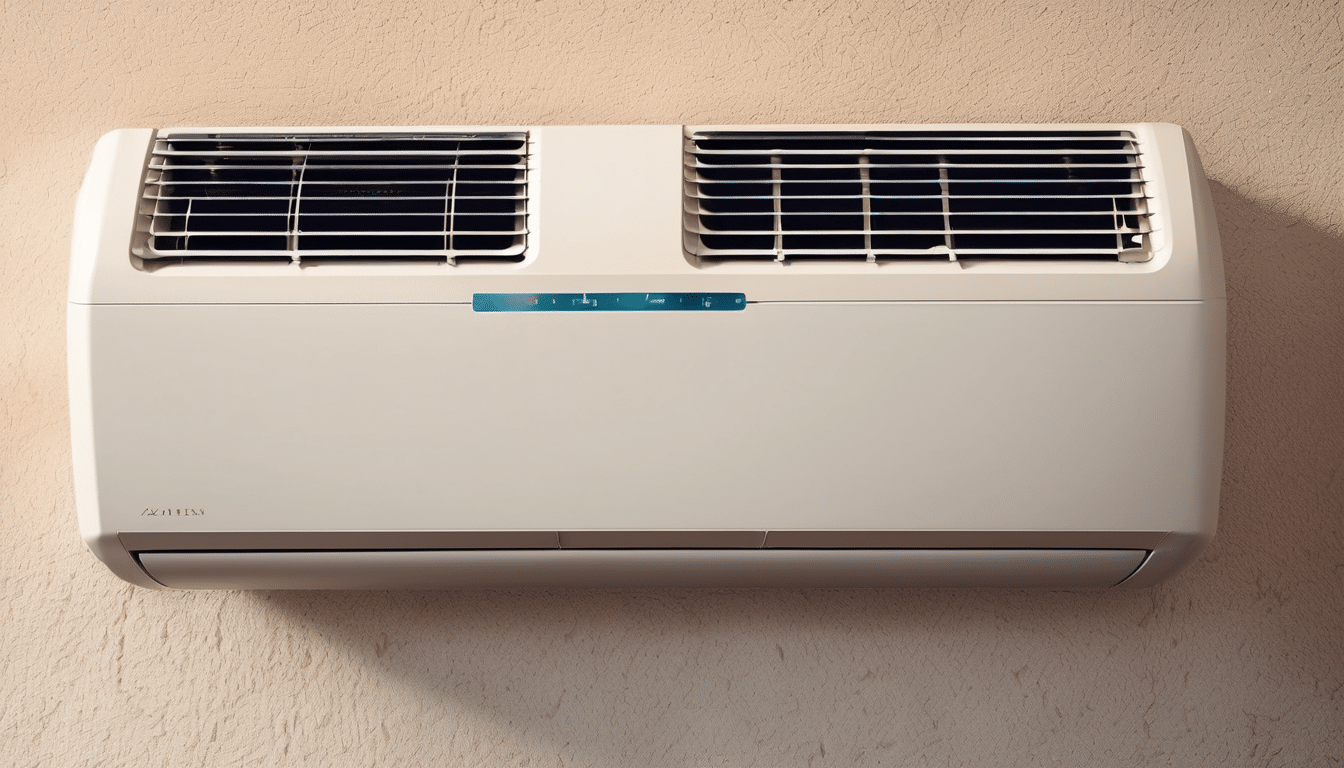
Water pooling beneath a split unit or ceiling cassette, or condensation forming on the grille surface, signals a drain system that is either partially blocked or overwhelmed. This is a structural sign rather than a cosmetic one. When condensate cannot drain properly, it sits in the pan, promoting the biofilm growth that generates odour and feeds further contamination of the duct system downstream.
AC Mold Signs Inside Dubai Villas and Apartments Specific to Duct Systems
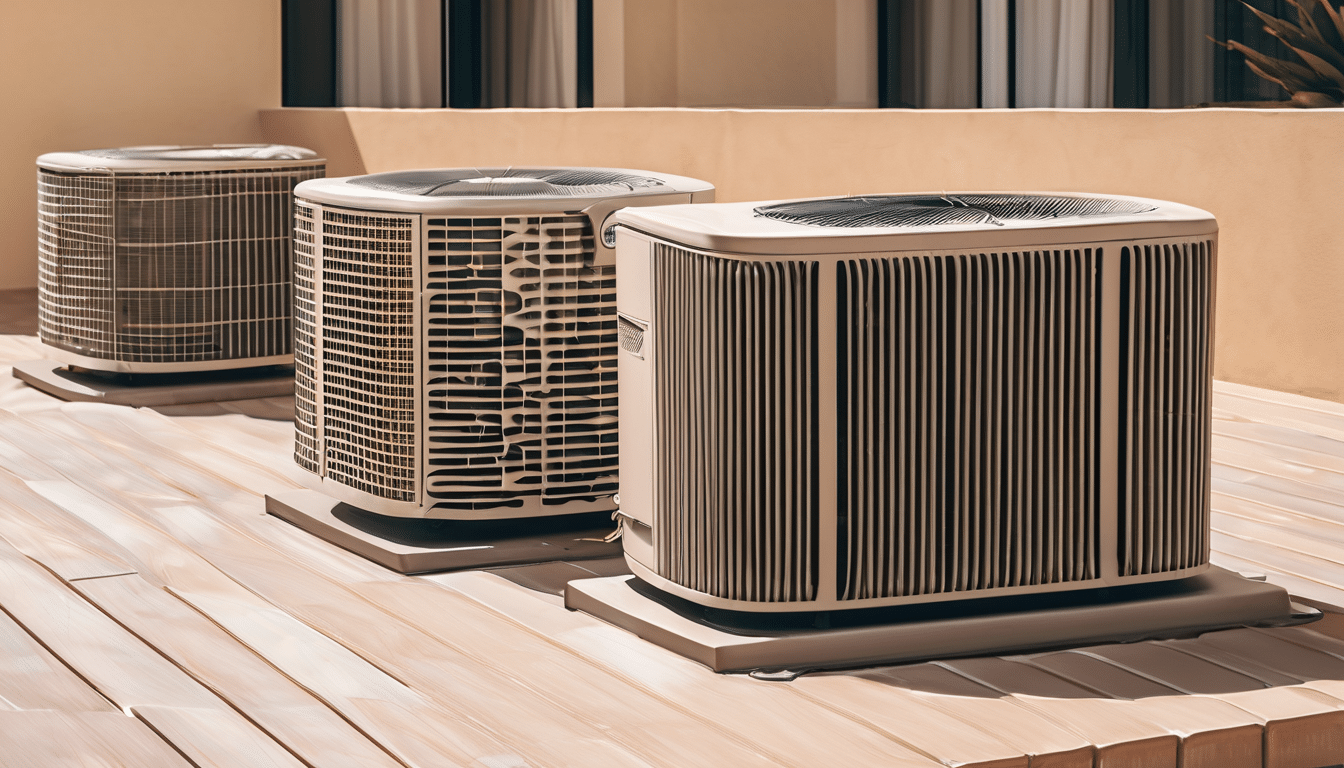
Central ducted systems — the standard configuration across most Dubai villas — present contamination patterns that differ from split unit systems. Because conditioned air travels through several metres of ductwork before reaching occupied rooms, contamination that originates at the air handling unit can distribute throughout the property before any visible sign appears at the diffuser level. Understanding AC Mold Signs Inside Dubai Villas and Apartments helps with this aspect.
Uneven Airflow Across Rooms
When duct contamination is significant enough to affect airflow — through debris accumulation, collapsed flexible duct sections, or partial blockage — residents notice uneven cooling across the villa. One bedroom may cool efficiently while another remains warm despite the thermostat being set identically. This imbalance often indicates a contamination or obstruction point upstream. Field investigations in larger villas, particularly five and six-bedroom properties in Emirates Hills or Palm Jumeirah, frequently identify this pattern linked to contaminated and partially blocked duct branches.
Increased Allergy or Respiratory Sensitivity Indoors
When family members notice that their nose runs more frequently indoors than outdoors, or that they wake with a dry throat despite sleeping in a cooled room, the duct system is worth assessing. This is not a clinical diagnosis — it is a functional observation. The air that passes through a contaminated system carries particulates that a clean system would not distribute. Families in apartments where windows remain closed year-round, and air is recirculated continuously, are particularly likely to notice this shift during peak summer months.
Post-Renovation AC Mold Risk in Dubai Properties
One context where AC mold signs inside Dubai villas and apartments emerge rapidly and unexpectedly is following renovation or fit-out work. Construction dust — composed of gypsum, concrete particulates, fibreglass fragments, and adhesive compounds — enters duct systems through open diffusers during works. Once inside, this material coats duct lining and coil surfaces, creating an ideal substrate for microbial colonisation when moisture is introduced at the next cooling season.
Residents who complete renovations during winter and then activate their AC systems as summer approaches often notice mold signs within the first four to six weeks of continuous use. The contamination was present from the renovation period — summer’s humidity simply activated its development. Post-renovation duct cleaning, using HEPA-filtered negative pressure methodology, is the appropriate response before the system runs continuously again. AC Mold Signs Inside Dubai Villas and Apartments factors into this consideration.
How to Assess AC Mold Signs Inside Dubai Villas and Apartments Systematically
A systematic property-level assessment of AC mold signs inside Dubai villas and apartments covers four primary inspection points: the evaporator coil and coil cabinet, the condensate drain pan and drain line, the duct interior accessed through cleaned access panels, and the diffuser and return air grilles.
NADCA-aligned inspection methodology — the standard Saniservice applies across Dubai residential properties — documents contamination at each point before any cleaning begins. This documentation matters because it allows comparison after service is complete. What separates a professional assessment from a visual walk-through is the ability to confirm where contamination originates, not just where it appears.
Drain pan biofilm, for example, is not visible from outside the unit. Coil fouling is not detectable without opening the air handling unit. Duct interior contamination requires either borescope inspection or physical access through NADCA-compliant access points. Surface-only inspections identify symptom locations — they do not identify contamination sources.
When AC Mold Signs Inside Dubai Villas and Apartments Require Professional Attention
Not every sign requires the same response. A faint odour noticed only at system start-up in a property that received a full system clean eight months ago is a different situation from persistent odour, visible diffuser discolouration, drain pan overflow, and occupant respiratory sensitivity occurring simultaneously. The latter combination warrants a professional assessment before the summer peak intensifies. This relates directly to AC Mold Signs Inside Dubai Villas and Apartments.
Properties that have not received a full system clean — covering coils, drain systems, duct interiors, and diffusers — within the past twelve months should treat the approach of Dubai’s summer season as the appropriate trigger for scheduling service. Systems running continuously in high-humidity months accumulate contamination faster than systems in temperate climates, which means annual deep cleaning is not a conservative recommendation — it is an appropriate maintenance interval for the conditions these systems operate in.
Saniservice specialists carry out residential HVAC assessments across Dubai villas and apartments using documented, lab-supported methodology. The assessment determines scope based on what is actually found inside the system, not on property size alone. Contact Saniservice to understand what your system’s current condition looks like before the season changes it further.
Expert Takeaways for Dubai Residents
- The period from April to June is the highest-risk window for rapid mold development in Dubai AC systems — this is when pre-summer assessment is most valuable.
- Odour at system start-up is the earliest sensory indicator of drain pan biofilm or coil contamination, and it precedes visible signs by weeks.
- Drain pan overflow or moisture around indoor units requires immediate drainage inspection — water sitting in the pan accelerates contamination of the entire system.
- Post-renovation properties should have duct systems cleaned before summer operation begins, regardless of how recently the renovation was completed.
- Surface-only cleaning does not address coil contamination or drain biofilm — these components require physical access and appropriate treatment chemistry.
- Uneven cooling across rooms in a villa is not always a refrigerant issue — duct contamination and airflow restriction are commonly identified causes during field assessment.
Frequently Asked Questions
What are the earliest AC mold signs inside Dubai villas and apartments?
The earliest signs are typically sensory rather than visual. A faint earthy or musty odour when the system activates — particularly after a period of disuse or at the start of the humid summer season — is the most commonly reported early indicator. This odour originates from biofilm forming on the evaporator coil or within the condensate drain pan, and it appears before any visible discolouration at vent diffusers.
How does Dubai’s summer humidity affect mold development inside AC systems?
Dubai’s summer humidity creates persistent moisture on evaporator coil surfaces and inside condensate drain systems. Because AC units operate continuously during summer months, this moisture never fully dries between cycles. Combined with dust particles that act as organic matter, these conditions allow microbial colonies to develop and sustain themselves inside the system faster than in temperate climates with seasonal AC use. When considering AC Mold Signs Inside Dubai Villas and Apartments, this becomes clear.
Can AC mold signs inside Dubai apartments differ from those in villas?
Yes. Apartments typically use split or ceiling cassette units, where signs concentrate around the indoor unit itself — drain overflow, surface discolouration at the grille, and localised odour. Dubai villas with central ducted systems distribute contamination through duct branches, meaning signs may appear in multiple rooms, as uneven airflow, diffuser streaking, or whole-property odour rather than a single localised source.
How often should Dubai residents have their AC systems assessed for mold?
Based on field investigations across Dubai residential properties, a full system assessment — covering coils, drain systems, and duct interiors — is appropriate at least once per year, ideally before the continuous summer operation period begins. Properties with a history of drainage issues, recent renovation, or occupants with respiratory sensitivities may benefit from a mid-year check as well.
Is visible mold at diffusers always a sign of internal duct contamination?
Not always, but it warrants investigation. Discolouration around diffusers can originate from surface dust accumulation, condensation at the grille, or particulates carrying through from contaminated internal components. A NADCA-aligned assessment — using borescope inspection or access panel entry — determines whether the source is internal duct contamination or a localised surface issue at the diffuser itself.
What happens if AC mold signs inside Dubai villas are ignored through summer?
Contamination that originates in the drain pan or on the evaporator coil will distribute through the duct system with every operating cycle. Over a full summer season of continuous use, what begins as localised biofilm can establish across duct lining and diffuser surfaces throughout the property. Addressing contamination at early-indicator stage — when odour first appears — is substantially more straightforward than remediating an established system-wide issue after months of continuous operation.
Does Saniservice provide AC mold assessments for Dubai apartments and villas?
Yes. Saniservice specialists carry out residential AC assessments across Dubai villas and apartments using documented, lab-supported methodology aligned with NADCA standards. Assessment scope is determined by what is found during inspection rather than by property size, and service recommendations are based on verified contamination findings rather than generic packages. Contact Saniservice for a property-specific assessment. Understanding AC Mold Signs Inside Dubai Villas and Apartments is key to success in this area.