

Ac Systems Annual: Understanding Mold Growth In Ac Systems
Understanding Understanding Mold Growth In Ac Systems & Annual Cleaning is essential. Mold growth inside air conditioning systems represents one of the most significant threats to indoor air quality in Dubai’s climate. Understanding mold growth in AC systems and annual cleaning protocols becomes essential when year-round cooling creates ideal conditions for microbial development. The combination of constant moisture, organic debris, and warm temperatures transforms AC components into breeding grounds for harmful microorganisms.
In Dubai’s desert environment, where AC systems operate continuously for eight to ten months annually, understanding mold growth in AC systems and annual cleaning requirements takes on critical importance. Property owners across the UAE face unique challenges as high humidity levels, particularly during summer months, create persistent condensation within ductwork and cooling coils. This moisture, combined with dust accumulation from desert conditions, provides perfect conditions for mold colonies to establish and spread throughout HVAC systems. This relates directly to Understanding Mold Growth In Ac Systems & Annual Cleaning.
Professional AC cleaning specialists observe that understanding mold growth in AC systems and annual cleaning schedules directly impacts family health, system efficiency, and long-term property maintenance costs. The enclosed nature of modern buildings, combined with Dubai’s climate demands, means that contaminated AC systems can circulate mold spores throughout living and working spaces for months before occupants notice obvious signs of contamination.
Understanding Mold Growth In Ac Systems & Annual Cleaning – How Mold Develops in AC Systems
Contents
- 1 Understanding Mold Growth In Ac Systems & Annual Cleaning – How Mold Develops in AC Systems
- 2 Understanding Mold Growth In Ac Systems & Annual Cleaning – Health Impacts of AC Mold Exposure
- 3 Understanding Mold Growth In Ac Systems & Annual Cleaning – Identifying Mold Growth Signs in Your AC
- 4 Annual AC Cleaning Protocols for Mold Prevention
- 5 Professional vs DIY AC Cleaning Approaches
- 6 Dubai Climate Considerations for AC Maintenance
- 7 Cost Analysis of Prevention vs Remediation
- 8 Selecting Professional AC Cleaning Services
- 9 Long-term Maintenance Strategies
Understanding mold growth in AC systems and annual cleaning begins with recognising how moisture accumulates within HVAC components. Air conditioning units generate condensation as warm, humid air passes over cold evaporator coils. In Dubai’s climate, where outdoor humidity can reach 85% during summer months, this condensation process occurs continuously throughout the cooling season.
Primary Moisture Sources in AC Systems
Condensate drainage represents the most significant moisture source leading to mold development. When drain pans become blocked or drainage lines clog, standing water accumulates within the system. This stagnant moisture, combined with organic debris from dust and pollen, creates ideal breeding conditions for mold spores already present in the air. When considering Understanding Mold Growth In Ac Systems & Annual Cleaning, this becomes clear.
Ductwork condensation occurs when temperature differentials cause moisture to form on interior surfaces. In poorly insulated ducts, warm air infiltration creates condensation points where mold colonies can establish. This process accelerates in coastal areas like Dubai, where salt air carries additional moisture into building systems.
Organic Material Accumulation
Desert dust contains organic particles that serve as food sources for mold growth. In Dubai’s environment, this dust accumulates rapidly on cooling coils, in drain pans, and throughout ductwork. When combined with moisture from condensation, these organic materials provide nutrients necessary for mold colony development. The importance of Understanding Mold Growth In Ac Systems & Annual Cleaning is evident here.
Skin cells, pollen, and fabric fibres from indoor environments also contribute to organic buildup within AC systems. Understanding mold growth in AC systems and annual cleaning protocols helps property owners recognise that even well-maintained buildings can develop mold problems without proper HVAC hygiene.
Temperature Conditions Supporting Growth
AC systems maintain temperatures between 20°C and 25°C in most areas, which falls within the optimal range for common mold species. Aspergillus, Penicillium, and Cladosporium thrive in these conditions, particularly when moisture levels exceed 60% relative humidity. The dark environment inside ductwork further supports mold development by eliminating UV exposure that might otherwise inhibit growth. Understanding Understanding Mold Growth In Ac Systems & Annual Cleaning helps with this aspect.
Understanding Mold Growth In Ac Systems & Annual Cleaning – Health Impacts of AC Mold Exposure
Understanding mold growth in AC systems and annual cleaning becomes crucial when considering the health implications of prolonged exposure to airborne mold spores. AC systems with mold contamination continuously circulate these microscopic particles throughout indoor environments, creating chronic exposure scenarios that can affect occupants’ respiratory health, immune function, and overall wellbeing.
Respiratory Health Effects
Mold spores circulated through contaminated AC systems trigger various respiratory responses in sensitive individuals. Asthma sufferers experience increased frequency and severity of attacks when exposed to mold-contaminated indoor air. Children and elderly occupants face heightened risks due to developing or compromised immune systems. Understanding Mold Growth In Ac Systems & Annual Cleaning factors into this consideration.
Allergic reactions manifest as persistent coughing, sneezing, throat irritation, and nasal congestion that worsens during periods of high AC usage. In Dubai’s climate, where air conditioning runs continuously for months, these symptoms can become chronic conditions that significantly impact quality of life.
Immune System Impacts
Prolonged exposure to mold spores from contaminated AC systems can overwhelm immune responses, leading to increased susceptibility to other respiratory infections. Understanding mold growth in AC systems and annual cleaning helps families protect vulnerable members who may develop chronic fatigue, headaches, and difficulty concentrating due to ongoing mold exposure. This relates directly to Understanding Mold Growth In Ac Systems & Annual Cleaning.
Mycotoxins produced by certain mold species pose additional health risks when circulated through AC systems. These toxic compounds can accumulate in indoor environments, potentially causing more severe health effects in individuals with compromised immune systems or underlying health conditions.
Building-Related Illness
Sick Building Syndrome often links directly to mold contamination in HVAC systems. Occupants experience symptoms that improve when away from the building but return upon re-exposure. Office buildings, schools, and residential properties with mold-contaminated AC systems commonly report increased absenteeism and decreased productivity. When considering Understanding Mold Growth In Ac Systems & Annual Cleaning, this becomes clear.
Understanding mold growth in AC systems and annual cleaning protocols helps building managers address these health concerns proactively rather than reactively. Early intervention prevents minor mold problems from becoming major health hazards that affect entire building populations.
Understanding Mold Growth In Ac Systems & Annual Cleaning – Identifying Mold Growth Signs in Your AC
Recognising early indicators of mold development within AC systems allows property owners to address contamination before it spreads throughout building ventilation networks. Understanding mold growth in AC systems and annual cleaning requirements begins with learning to identify visual, olfactory, and performance-related signs of microbial contamination. The importance of Understanding Mold Growth In Ac Systems & Annual Cleaning is evident here.
Visual Indicators of Mold Contamination
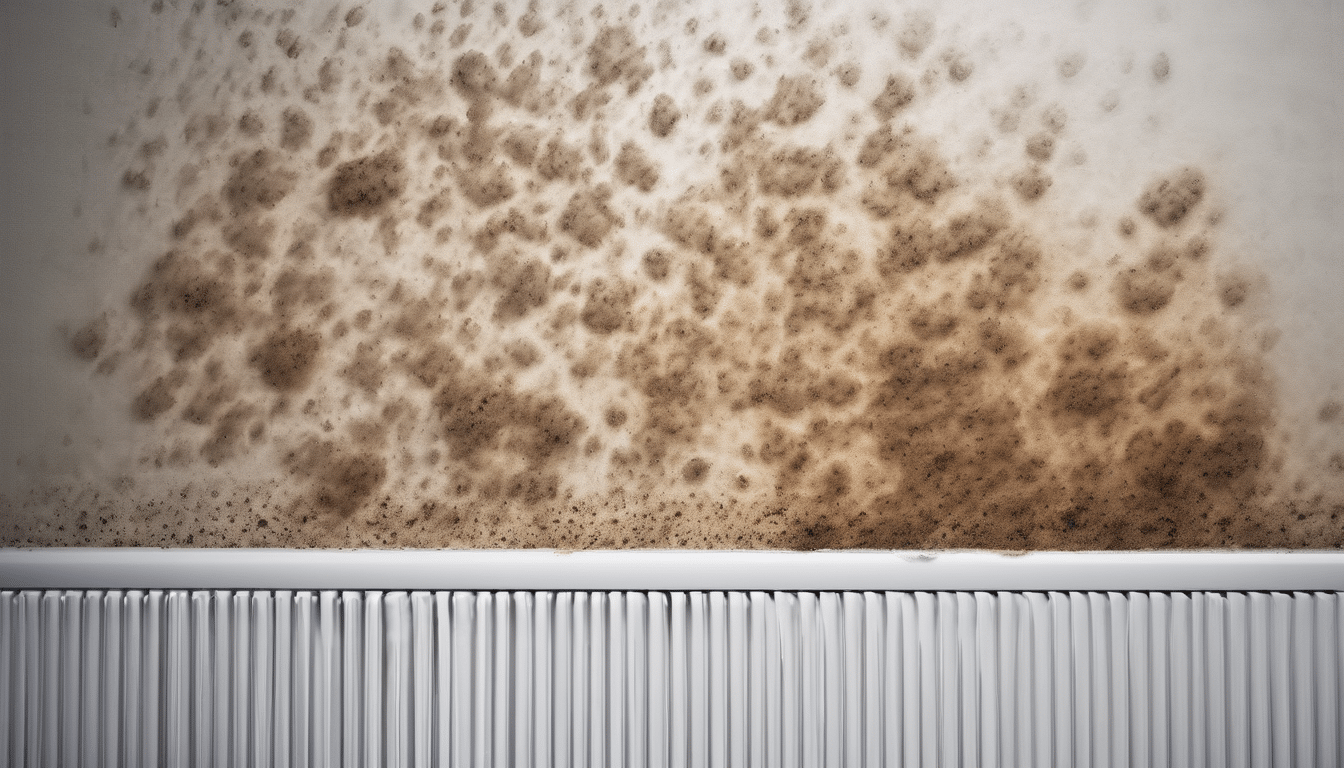
Dark staining or discolouration around air vents provides the most obvious visual evidence of mold growth within AC systems. These stains typically appear as black, green, or brown patches that extend outward from vent openings. In Dubai’s dusty environment, mold stains may initially be mistaken for accumulated dirt or sand particles.
Inspection of accessible AC components reveals additional visual signs of contamination. Drain pans showing slimy buildup, cooling coils with fuzzy growth, or ductwork with visible patches of discolouration all indicate established mold colonies. Understanding mold growth in AC systems and annual cleaning helps property owners distinguish between normal dust accumulation and problematic microbial growth. Understanding Understanding Mold Growth In Ac Systems & Annual Cleaning helps with this aspect.
Odour Detection Methods
Musty, earthy odours emanating from air vents signal potential mold growth within AC systems. These smells become more pronounced when the system first activates after periods of inactivity, as air movement disturbs established mold colonies and releases spores into the airstream.
In Dubai’s climate, where AC systems run continuously, mold odours may be subtle but persistent. Understanding mold growth in AC systems and annual cleaning schedules helps occupants recognise that ongoing musty smells warrant professional investigation, even when visual signs are not apparent. Understanding Mold Growth In Ac Systems & Annual Cleaning factors into this consideration.
System Performance Changes
Mold growth affects AC system efficiency by restricting airflow and interfering with heat exchange processes. Reduced cooling capacity, longer cycle times, and increased energy consumption often indicate contamination problems within system components.
Unusual noises, frequent cycling, or uneven temperature distribution throughout building spaces can signal mold-related blockages or component degradation. Property owners who understand mold growth in AC systems and annual cleaning protocols recognise these performance changes as early warning signs requiring professional attention. This relates directly to Understanding Mold Growth In Ac Systems & Annual Cleaning.
Annual AC Cleaning Protocols for Mold Prevention
Implementing comprehensive annual cleaning protocols represents the most effective strategy for preventing mold establishment within AC systems. Understanding mold growth in AC systems and annual cleaning schedules helps property owners maintain healthy indoor environments while protecting expensive HVAC equipment from contamination-related damage.
Pre-Cleaning Assessment and Preparation
Professional AC cleaning begins with thorough system assessment to identify contamination levels and determine appropriate cleaning protocols. Technicians inspect accessible components, test air quality, and document existing conditions before implementing cleaning procedures. When considering Understanding Mold Growth In Ac Systems & Annual Cleaning, this becomes clear.
System shutdown and safety preparations ensure cleaning processes don’t spread contamination throughout building spaces. Understanding mold growth in AC systems and annual cleaning requirements includes recognising that proper preparation prevents cross-contamination during cleaning activities.
Component-Specific Cleaning Procedures
Evaporator coil cleaning removes accumulated organic debris and existing mold growth using specialised cleaning agents and high-pressure water systems. In Dubai’s dusty environment, coils require thorough cleaning to remove both mold contamination and mineral deposits from hard water condensation. The importance of Understanding Mold Growth In Ac Systems & Annual Cleaning is evident here.
Drain pan sanitisation eliminates standing water and biofilm buildup that supports mold development. Professional cleaning includes drain line flushing to ensure proper moisture removal from system components. Understanding mold growth in AC systems and annual cleaning protocols emphasises the importance of maintaining clear drainage pathways.
Ductwork cleaning addresses contamination throughout the entire air distribution system. HEPA-filtered negative pressure systems prevent spore dispersal during cleaning activities while removing accumulated debris and mold growth from duct surfaces. Understanding Understanding Mold Growth In Ac Systems & Annual Cleaning helps with this aspect.
Disinfection and Prevention Treatments
EPA-approved disinfectants eliminate remaining mold spores and prevent immediate recontamination following cleaning procedures. These treatments require proper application techniques and adequate contact time to ensure effectiveness against established mold colonies.
Protective coatings applied to cleaned surfaces help prevent future mold establishment by creating inhospitable environments for spore germination. Understanding mold growth in AC systems and annual cleaning includes recognising that prevention treatments extend the effectiveness of cleaning procedures. Understanding Mold Growth In Ac Systems & Annual Cleaning factors into this consideration.
Professional vs DIY AC Cleaning Approaches
Property owners often consider whether to attempt AC cleaning themselves or engage professional services for mold prevention and remediation. Understanding mold growth in AC systems and annual cleaning requirements helps inform decisions about appropriate cleaning approaches based on contamination levels, system complexity, and safety considerations.
DIY Cleaning Capabilities and Limitations
Homeowners can perform basic maintenance tasks such as filter replacement, external unit cleaning, and drain pan access cleaning. These activities help prevent minor mold problems but cannot address established contamination within ductwork or inaccessible system components. This relates directly to Understanding Mold Growth In Ac Systems & Annual Cleaning.
DIY cleaning attempts often lack proper containment procedures, potentially spreading mold spores throughout building spaces during cleaning activities. Understanding mold growth in AC systems and annual cleaning protocols reveals that improper cleaning techniques can worsen contamination problems rather than resolving them.
Safety concerns arise when untrained individuals attempt to clean AC systems contaminated with mold. Exposure to concentrated mold spores during cleaning can trigger severe allergic reactions or respiratory distress in sensitive individuals. When considering Understanding Mold Growth In Ac Systems & Annual Cleaning, this becomes clear.
Professional Service Advantages
Certified AC cleaning technicians possess specialised equipment designed for mold remediation and system sanitisation. HEPA filtration systems, negative pressure equipment, and professional-grade disinfectants ensure thorough contamination removal without cross-contamination risks.
Professional services include comprehensive system assessment, appropriate cleaning protocol selection, and post-cleaning verification testing. Understanding mold growth in AC systems and annual cleaning benefits helps property owners recognise that professional services provide measurable results and performance guarantees. The importance of Understanding Mold Growth In Ac Systems & Annual Cleaning is evident here.
Cost-Benefit Analysis
Professional AC cleaning services in Dubai typically cost between AED 800 and AED 2,500 annually, depending on system size and contamination levels. This investment protects against health risks, system damage, and energy inefficiency associated with mold-contaminated HVAC equipment.
DIY cleaning attempts that fail to address underlying contamination often result in recurring problems requiring professional intervention. Understanding mold growth in AC systems and annual cleaning costs helps property owners recognise that professional services provide better long-term value than repeated DIY attempts. Understanding Understanding Mold Growth In Ac Systems & Annual Cleaning helps with this aspect.
Dubai Climate Considerations for AC Maintenance
Dubai’s unique climate presents specific challenges for AC system maintenance and mold prevention that require tailored approaches to cleaning and maintenance scheduling. Understanding mold growth in AC systems and annual cleaning needs specific to regional conditions helps property owners develop effective maintenance strategies suited to local environmental factors.
High Humidity Impact on AC Systems
Coastal humidity levels in Dubai frequently exceed 80% during summer months, creating excessive condensation loads within AC systems. This persistent moisture accumulation overwhelms standard drainage systems and creates ideal conditions for rapid mold development throughout HVAC components. Understanding Mold Growth In Ac Systems & Annual Cleaning factors into this consideration.
The transition between dry winter months and humid summer conditions creates cyclical moisture challenges that require adjusted cleaning schedules. Understanding mold growth in AC systems and annual cleaning timing helps property owners plan maintenance activities to address seasonal contamination risks.
Desert Dust and Organic Contamination
Sand and dust particles common in Dubai’s environment contain organic materials that serve as nutrients for mold growth when combined with system moisture. These particles accumulate rapidly on cooling coils, in drain pans, and throughout ductwork, requiring more frequent cleaning than systems in other climates. This relates directly to Understanding Mold Growth In Ac Systems & Annual Cleaning.
Shamal winds bring additional dust loads that can overwhelm filtration systems and increase organic contamination rates within AC components. Property owners who understand mold growth in AC systems and annual cleaning requirements specific to Dubai recognise that enhanced filtration and frequent cleaning help manage these environmental challenges.
Extended Operating Seasons
AC systems in Dubai operate for eight to ten months annually, far longer than systems in temperate climates. This extended operation creates continuous moisture generation and limited opportunities for natural drying that might occur during seasonal shutdowns in other regions. When considering Understanding Mold Growth In Ac Systems & Annual Cleaning, this becomes clear.
Understanding mold growth in AC systems and annual cleaning schedules for Dubai’s climate includes recognising that traditional annual cleaning may be insufficient for systems operating continuously throughout most of the year. Enhanced maintenance schedules and mid-season cleaning may be necessary to prevent mold establishment.
Cost Analysis of Prevention vs Remediation
Economic considerations play a significant role in AC maintenance decision-making, particularly when weighing the costs of preventive cleaning against reactive mold remediation. Understanding mold growth in AC systems and annual cleaning investments helps property owners make informed financial decisions that protect both health and property values. The importance of Understanding Mold Growth In Ac Systems & Annual Cleaning is evident here.
Preventive Annual Cleaning Costs
Professional annual AC cleaning services in Dubai range from AED 800 for basic apartment systems to AED 2,500 for comprehensive villa HVAC networks. These costs include component inspection, cleaning, disinfection, and basic system optimisation to prevent mold development.
Enhanced preventive programs including semi-annual cleaning and indoor air quality monitoring typically cost between AED 1,500 and AED 4,000 annually. Understanding mold growth in AC systems and annual cleaning investments helps property owners recognise that comprehensive prevention provides superior value compared to reactive remediation. Understanding Understanding Mold Growth In Ac Systems & Annual Cleaning helps with this aspect.
Mold Remediation Expenses
Established mold contamination requiring professional remediation typically costs between AED 3,000 and AED 15,000, depending on contamination extent and system complexity. These expenses include containment, specialised cleaning, component replacement, and extensive testing to verify contamination elimination.
Health-related costs associated with mold exposure can include medical consultations, medications, and temporary relocation during severe contamination remediation. Understanding mold growth in AC systems and annual cleaning economics reveals that prevention costs significantly less than comprehensive remediation and health impact management. Understanding Mold Growth In Ac Systems & Annual Cleaning factors into this consideration.
Energy Efficiency Considerations
Mold-contaminated AC systems consume 15-25% more energy due to restricted airflow and reduced heat exchange efficiency. Annual energy cost increases of AED 1,000 to AED 3,000 are common in homes with contaminated systems, making preventive cleaning economically beneficial beyond health considerations.
System lifespan reduction due to mold contamination can shorten HVAC equipment life by 30-50%, representing tens of thousands of dirhams in premature replacement costs. Property owners who understand mold growth in AC systems and annual cleaning benefits recognise that maintenance investments protect expensive equipment while maintaining optimal performance. This relates directly to Understanding Mold Growth In Ac Systems & Annual Cleaning.
Selecting Professional AC Cleaning Services
Choosing appropriate professional AC cleaning services requires careful evaluation of company qualifications, service protocols, and track records with mold prevention and remediation. Understanding mold growth in AC systems and annual cleaning service selection helps property owners identify qualified providers capable of delivering effective, lasting results.
Service Provider Qualifications
Certified HVAC cleaning technicians possess specialised training in mold identification, removal techniques, and safety protocols. Look for companies holding certifications from recognised industry organisations and demonstrated experience with Dubai’s climate-specific challenges. When considering Understanding Mold Growth In Ac Systems & Annual Cleaning, this becomes clear.
Insurance coverage and licensing requirements protect property owners from liability during cleaning activities. Understanding mold growth in AC systems and annual cleaning service standards includes verifying that providers maintain appropriate coverage for potential damage or health exposure incidents.
Service Protocol Evaluation
Comprehensive service protocols should include pre-cleaning assessment, containment procedures, component-specific cleaning, disinfection treatments, and post-cleaning verification. Providers should clearly explain their approach to understanding mold growth in AC systems and annual cleaning implementation.
Equipment quality significantly impacts cleaning effectiveness and safety. Professional services should utilise HEPA-filtered negative pressure systems, EPA-approved disinfectants, and appropriate personal protective equipment to ensure thorough contamination removal without cross-contamination risks.
Performance Guarantees and Follow-up
Reputable cleaning services provide performance guarantees and offer follow-up inspections to verify cleaning effectiveness. These guarantees should include specific contamination reduction targets and remediation protocols if initial cleaning proves insufficient.
Maintenance scheduling and reminder services help ensure consistent annual cleaning implementation. Providers who understand mold growth in AC systems and annual cleaning importance offer scheduled maintenance programs that adapt to Dubai’s climate demands and individual system requirements.
Long-term Maintenance Strategies
Developing sustainable maintenance strategies ensures ongoing mold prevention and optimal AC system performance throughout equipment lifespan. Understanding mold growth in AC systems and annual cleaning as part of comprehensive maintenance planning helps property owners maintain healthy indoor environments while protecting HVAC investments.
Integrated Maintenance Planning
Comprehensive maintenance schedules coordinate AC cleaning with other system maintenance activities such as filter replacement, refrigerant level checking, and component inspection. This integrated approach maximises system reliability while minimising service disruption and maintenance costs.
Seasonal maintenance timing should account for Dubai’s climate patterns, with major cleaning scheduled before peak cooling seasons and follow-up maintenance during moderate weather periods. Understanding mold growth in AC systems and annual cleaning timing optimisation helps property owners maintain peak system performance year-round.
Indoor Air Quality Monitoring
Regular air quality testing provides objective measurements of mold spore levels and system cleanliness between professional cleaning cycles. This monitoring helps identify developing contamination problems before they become visible or cause health symptoms.
Smart building technologies can automate humidity monitoring and alert property owners to conditions favouring mold development. Understanding mold growth in AC systems and annual cleaning technology integration helps modern properties maintain optimal indoor environments with minimal manual intervention.
System Upgrade Considerations
Enhanced filtration systems, improved drainage design, and upgraded humidity control can reduce mold development risks in older AC systems. These upgrades should be considered during major maintenance cycles or system renovations to improve long-term contamination resistance.
Energy-efficient system replacements often include improved moisture management features that reduce mold development risks while lowering operating costs. Property owners who understand mold growth in AC systems and annual cleaning benefits can make informed decisions about upgrade investments that improve both health outcomes and system performance.
Understanding mold growth in AC systems and annual cleaning represents essential knowledge for property owners committed to maintaining healthy indoor environments in Dubai’s challenging climate. The combination of persistent moisture, organic contamination, and extended operating seasons creates unique challenges that require proactive, professional maintenance approaches.
Effective mold prevention through annual cleaning protocols protects family health, preserves property values, and maintains optimal system performance throughout equipment lifespan. The investment in professional cleaning services provides substantial returns through reduced health risks, improved energy efficiency, and extended equipment life compared to reactive remediation approaches.
Property owners who implement comprehensive maintenance strategies adapted to Dubai’s climate conditions can enjoy clean, healthy indoor air quality year-round while protecting their HVAC investments. Understanding mold growth in AC systems and annual cleaning requirements enables informed decision-making that supports long-term comfort, health, and financial benefits for residential and commercial properties throughout the UAE. Understanding Understanding Mold Growth In Ac Systems & Annual Cleaning is key to success in this area.

Leave a Reply