

Air Quality And Energy: Mold Growth In Your Hvac System
Introduction
Contents
- 1 Introduction
- 2 Understanding Is Mold Growth in Your HVAC System Affecting Your Home’s Air Quality and Energy
- 3 Is Mold Growth In Your Hvac System Affecting Your Home’s Air Quality And Energy – How Mold Affects Air Quality
- 4 Is Mold Growth In Your Hvac System Affecting Your Home’s Air Quality And Energy – Health Concerns Related to Mold in HVAC Systems
- 5 Mold and Energy Efficiency
- 6 Professional HVAC Maintenance to Combat Mold
- 7 Conclusion
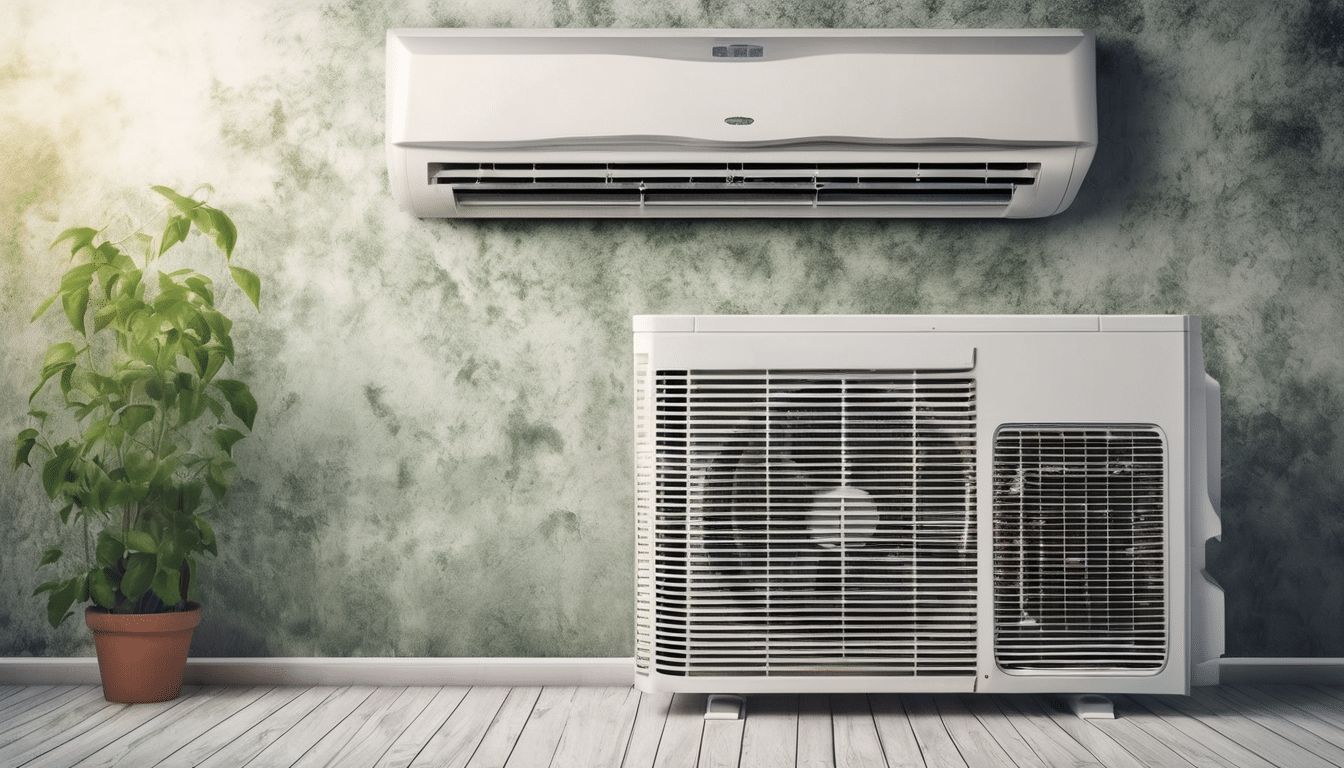
Understanding Is Mold Growth In Your Hvac System Affecting Your Home’s Air Quality And Energy is essential. In Dubai’s climate, year-round AC usage is the norm due to high temperatures and humidity. This continuous operation creates an ideal environment for mold growth within HVAC systems. Mold spores can accumulate in the ducts, coils, filters, and other components, leading to a myriad of issues that affect not only air quality but also energy efficiency. In this guide, we will delve into how mold growth impacts your home’s indoor climate, health, and overall utility costs.
Understanding Is Mold Growth in Your HVAC System Affecting Your Home’s Air Quality and Energy
In Dubai’s climate, high humidity and the continuous operation of AC systems create an environment conducive to mold growth. Mold thrives when it has access to moisture, which can come from condensation within the system or external sources like humidity from the air. Over time, this leads to the accumulation of mold spores in the ducts, filters, and coils.
Common Areas for Mold Accumulation
– Ductwork: Flexibility in the ducts allows mold to grow undetected.
– Coils: Evaporator and condenser coils can trap moisture, promoting mold growth.
– Filters: Dirty or clogged filters provide a breeding ground for mold spores.
Is Mold Growth In Your Hvac System Affecting Your Home’s Air Quality And Energy – How Mold Affects Air Quality
Mold in your HVAC system can compromise the quality of indoor air by releasing spores and mycotoxins into the atmosphere. These particles are dispersed through the ductwork, leading to a noticeable decline in air quality.
Visible Signs of Mold Accumulation
– Musty Odors: Persistent mustiness or sour odors can indicate mold growth.
– Discolored Ducts: Darkening or discoloration on surfaces within the HVAC system.
– Dust Buildup: Increased dust and debris in your living spaces.
Is Mold Growth In Your Hvac System Affecting Your Home’s Air Quality And Energy – Health Concerns Related to Mold in HVAC Systems
Exposure to mold can lead to a range of health issues, particularly for individuals with allergies or respiratory conditions. In Dubai’s climate, the presence of mold can exacerbate these conditions.
Common Health Issues Linked to Mold Exposure
– Respiratory Problems: Coughing, wheezing, and shortness of breath.
– Allergies: Sneezing, itchy eyes, and skin rashes.
– Fungal Infections: Sinus infections and respiratory tract infections.
Mold and Energy Efficiency
Mold growth in your HVAC system can also impact its efficiency. A clogged or damaged system leads to increased energy consumption as the unit works harder to maintain desired temperatures.
Impact on System Performance
– Reduced Cooling Capacity: Mold can block airflow, reducing cooling effectiveness.
– Increased Energy Bills: Higher electricity usage due to inefficient operation.
– Premature Equipment Wear: Damage to components from mold and moisture buildup.
<h2 id="preventing-mold-growth-in-hvac-systems”>Preventing Mold Growth in HVAC Systems
To prevent mold growth, regular maintenance is crucial. Here are some steps you can take:
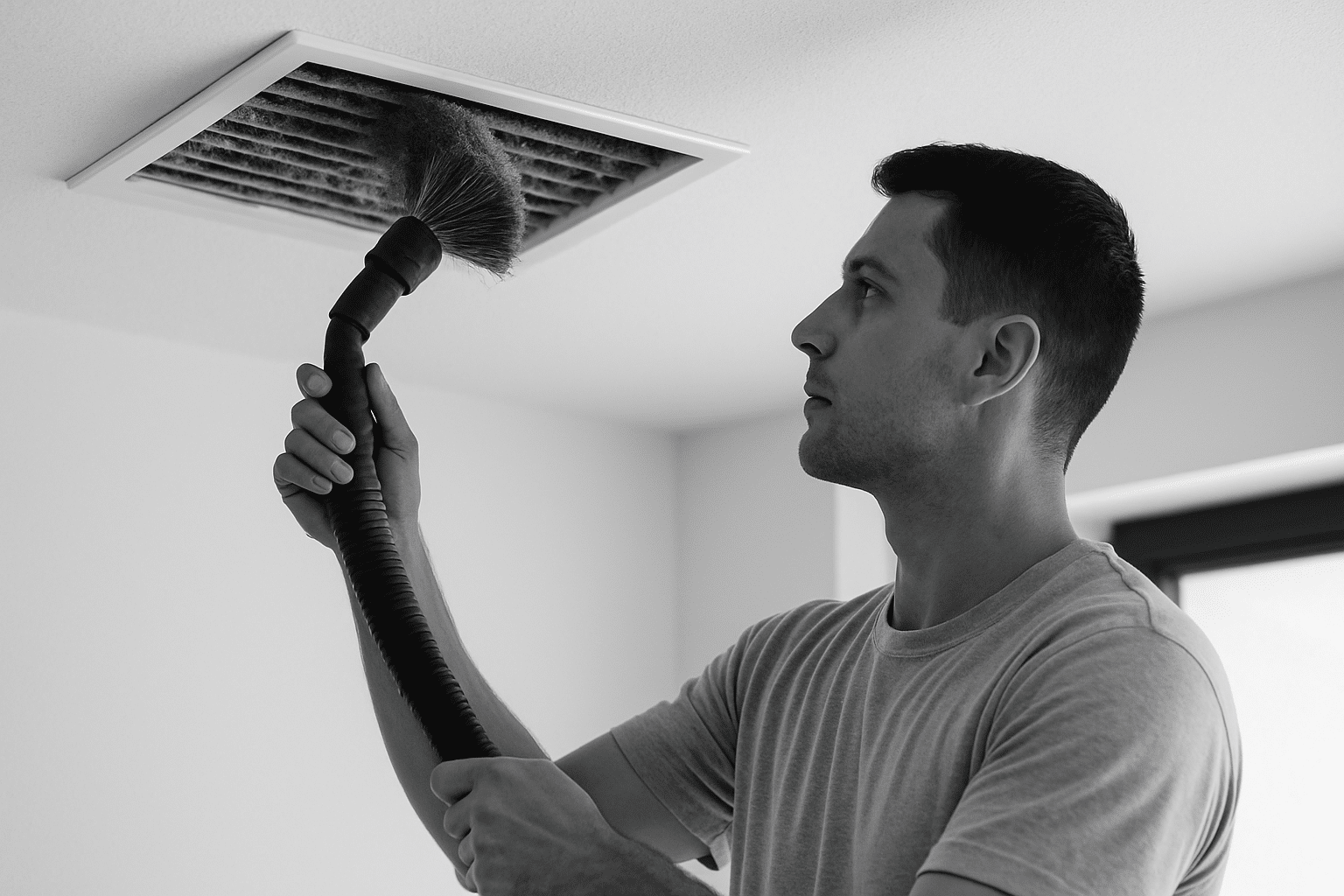
Regular Duct Cleaning
Deep cleaning of the ductwork and other components removes accumulated debris and spores.
Mold-Resistant Filters
Use high-quality filters designed to resist mold growth and trap allergens effectively.
Proper Humidity Control
Maintain indoor humidity levels below 60% to inhibit mold development. Dehumidifiers can be useful in humid climates.
Professional HVAC Maintenance to Combat Mold
Engaging professional services for regular maintenance ensures that your system remains hygienic and efficient.
Regular Inspections
Have a certified technician inspect the system at least twice a year, especially before the start of cooling season.
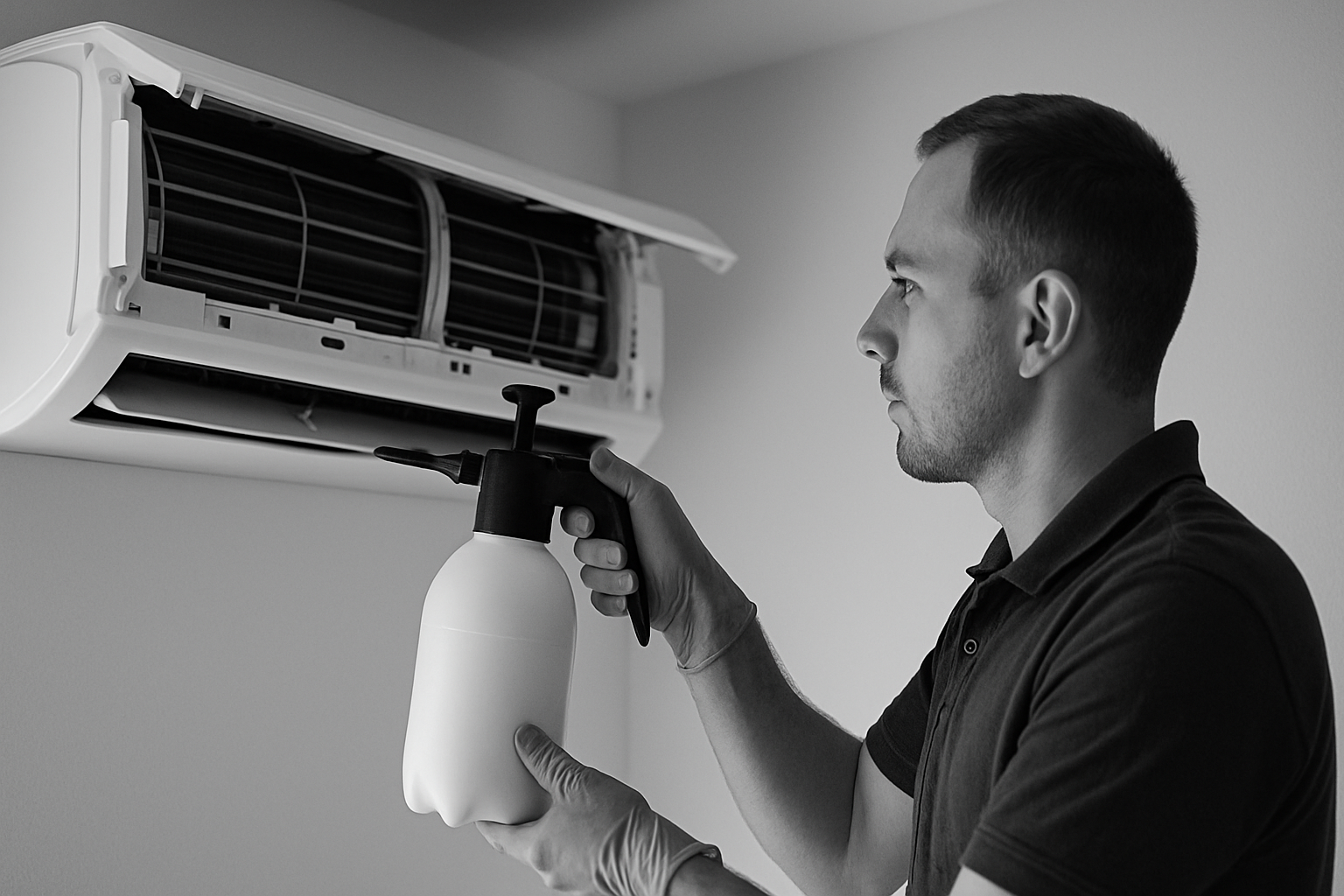
Disinfection Treatments
Professional disinfectants can eliminate existing mold colonies and prevent future growth.
Conclusion
Mold growth in your HVAC system is a significant concern that affects indoor air quality, health, and energy efficiency. By understanding the risks and taking proactive measures like regular maintenance and professional inspections, you can ensure a healthier and more comfortable living environment. Understanding Is Mold Growth In Your Hvac System Affecting Your Home’s Air Quality And Energy is key to success in this area.


Leave a Reply