

Air Quality And Energy: Is Mold Growth In Your Hvac System
—
Understanding Is Mold Growth in Your HVAC System Affecting Your Home’s Air Quality and Energy
Contents
- 1 Understanding Is Mold Growth in Your HVAC System Affecting Your Home’s Air Quality and Energy
- 2 Is Mold Growth In Your Hvac System Affecting Your Home’s Air Quality And Energy – How Mold Spreads Through Air Conditioning Systems
- 3 Is Mold Growth In Your Hvac System Affecting Your Home’s Air Quality And Energy – Effects on Indoor Air Quality and Occupant Health
- 4 Impact on Energy Efficiency
- 5 Signs of Mold Growth in Your HVAC System
- 6 Prevention and Control Strategies
- 7 Professional Services for AC Duct Cleaning
- 8 Costs and Budgeting Considerations
- 9 Expert Tips on Mold Prevention
- 10 FAQ Section
- 11 Conclusion
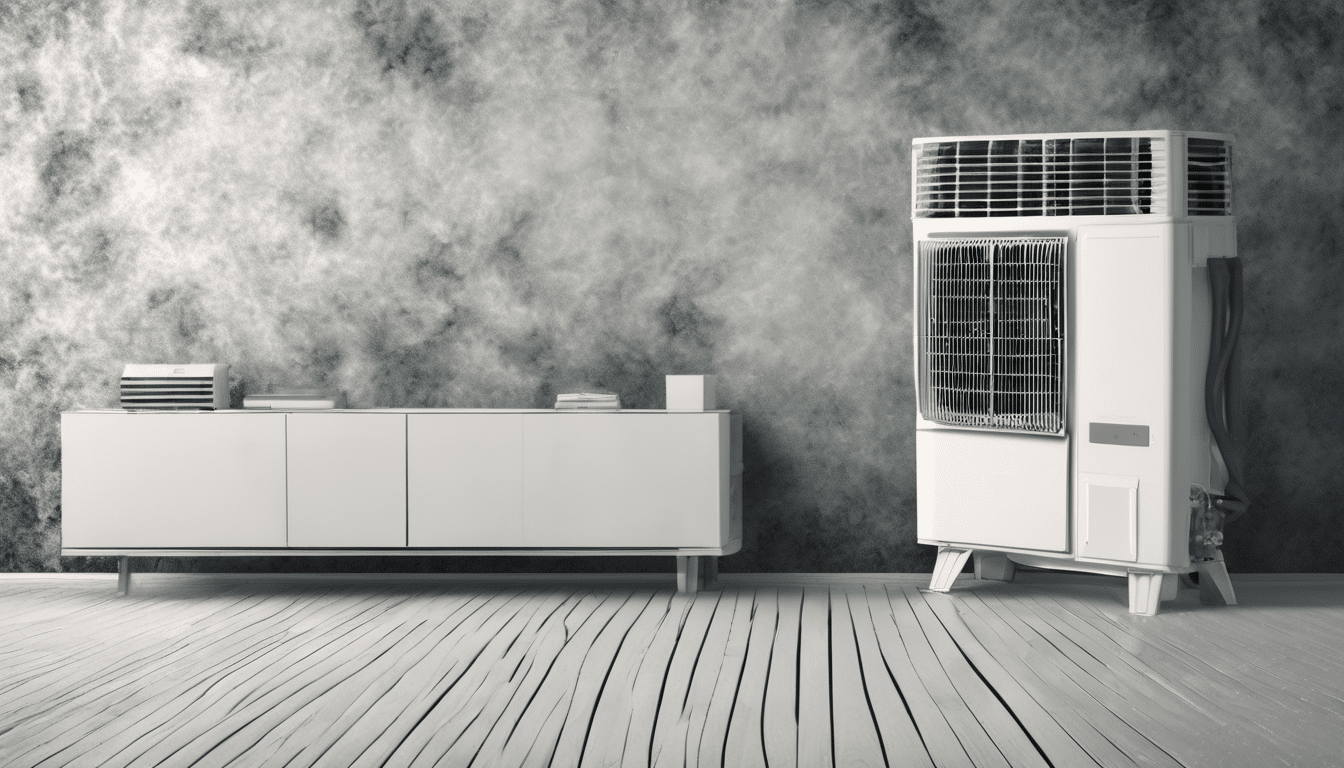
In Dubai’s climate, this typically leads to mold growth inside your air conditioning (AC) system. Mold thrives in moist environments, which are common in AC systems due to high humidity levels and constant condensation. This can significantly affect both the Indoor Air Quality of your home and its energy efficiency. Understanding how mold spreads through your HVAC system is crucial for maintaining a healthy living environment.
Is Mold Growth In Your Hvac System Affecting Your Home’s Air Quality And Energy – How Mold Spreads Through Air Conditioning Systems
Mold spores are carried into your AC system via the intake vents, especially during the humid seasons or when there’s a moisture source nearby. These spores can attach to surfaces such as coils, ductwork, and insulation where they grow and multiply if conditions are right—typically involving excess moisture and organic material.
Is Mold Growth In Your Hvac System Affecting Your Home’s Air Quality And Energy – Effects on Indoor Air Quality and Occupant Health
The presence of mold in your HVAC system can lead to poor indoor air quality (IAQ). Mold releases spores, chemicals, and other byproducts that can be released into the air when the AC is running. This can cause a range of health issues for occupants, including allergies, asthma attacks, respiratory infections, and even more severe conditions like mold toxicity syndrome.
Impact on Energy Efficiency
Mold growth inside your HVAC system can also affect energy efficiency. As the mold accumulates, it can clog filters, reduce airflow, and damage components like evaporator coils. This not only increases energy consumption but also reduces cooling capacity, leading to higher utility bills.
Signs of Mold Growth in Your HVAC System
Recognizing the signs of mold growth is important for early intervention. Common indicators include musty odors, visible black or green spots on ductwork and coils, water leaks from drain pans, and increased dust accumulation. Regular AC maintenance can help identify these issues before they become problematic.
Prevention and Control Strategies
To prevent mold growth in your HVAC system, it’s essential to maintain proper humidity levels, ensure adequate ventilation, and schedule regular professional AC cleaning. Using HEPA filters can also help capture small particles that could otherwise settle inside the system.
Humidity Control
Install dehumidifiers or use air conditioning units with moisture management features to keep humidity levels low in your home, especially during high-humidity seasons. This relates directly to Is Mold Growth In Your Hvac System Affecting Your Home’s Air Quality And Energy.
Regular Maintenance
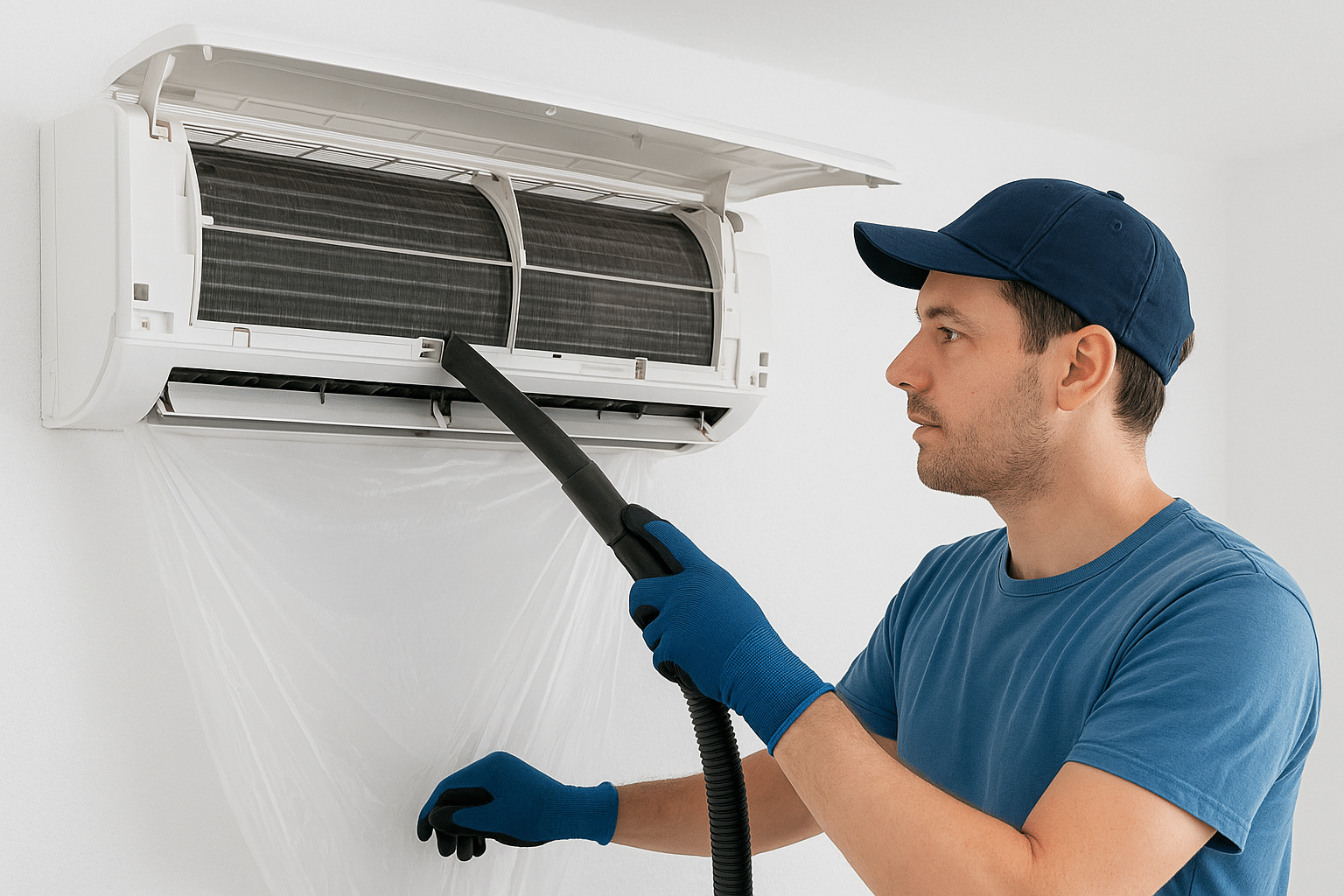
Have a professional conduct regular AC Duct Cleaning and disinfection. This includes inspecting and cleaning coils, filters, and other components that can harbor mold.
Professional Services for AC Duct Cleaning
Engaging a qualified HVAC technician is crucial for effective AC duct cleaning. They will use HEPA-filtered negative pressure systems to remove contaminants safely without spreading them throughout your home. These professionals also employ human-safe disinfectants to eliminate existing mold growth.
Costs and Budgeting Considerations
The cost of professional AC cleaning can vary based on the size of your HVAC system, location, and any additional services required. Typically, you can expect AED 500 to 1,500 per visit for residential systems, depending on complexity.
Expert Tips on Mold Prevention
Here are some practical tips to keep mold from growing in your HVAC system:
- Maintain proper humidity levels
- Schedule regular maintenance visits
- Install and use air purifiers with activated carbon filters to capture mold spores.
- Check and clean your AC filters monthly, especially during peak seasons.
- Ensure proper drainage from the condensate pan to prevent water accumulation.
FAQ Section
- How often should I have my HVAC system cleaned?
- I recommend having your AC ducts and coils cleaned every 1-2 years, or more frequently if you notice mold growth. Regular maintenance can help prevent recurring issues.
- Can DIY cleaning be effective for mold prevention?
- DIY methods may not reach all areas of your AC system and could potentially spread mold spores. Professional services are recommended to ensure thoroughness and safety.
- Are there any signs I should look out for that indicate a need for AC cleaning?
- Look for visible black or green spots, musty odors, water leaks from drain pans, and increased dust accumulation. These are all indicators of potential mold growth.
Conclusion
In conclusion, understanding the impact of mold growth in your HVAC system is crucial for maintaining a healthy indoor environment and energy efficiency. Regular professional AC cleaning can prevent costly repairs, reduce health risks, and save you money on utility bills. By following expert tips and scheduling regular maintenance, you can ensure that your home remains a safe and comfortable place to live. When considering Is Mold Growth In Your Hvac System Affecting Your Home’s Air Quality And Energy, this becomes clear.
—
tags: “mold growth in HVAC system, air quality, energy efficiency, indoor air quality, AC duct cleaning, professional services”
alt_text: “Is Mold Growth in Your Hvac System Affecting Your Home’s Air Quality and Energy – Technician performing AC duct cleaning”



Leave a Reply