


Identifying Hidden Sources Of Allergens In Your Homes
Understanding Identifying Hidden Sources Of Allergens In Your Home’s is essential.
Identifying Hidden Sources Of Allergens In Your Home’s – Understanding Hidden Sources of Allergens in Your Home’s
Contents
- 1 Identifying Hidden Sources Of Allergens In Your Home’s – Understanding Hidden Sources of Allergens in Your Home’s
- 2 Identifying Hidden Sources Of Allergens In Your Home’s – Common Allergens in Your Home’s
- 3 Identifying Hidden Sources Of Allergens In Your Home’s – Hidden Dust Mite Nests and How to Find Them
- 4 Mold Spore Growth Inside Air Conditioning Systems
- 5 Pet Dander and Allergens in Your Home’s
- 6 Indoor Pollen Traps and Sources of Pollen
- 7 Hidden Food Allergens in Your Home’s
- 8 Practical Tips for Maintaining Indoor Air Quality
- 9 FAQ: Addressing Common Concerns About Allergens
- 10 Conclusion
Identifying hidden sources of allergens in your homes is crucial for maintaining a healthy indoor environment. This guide will help you understand the common allergens that can lurk in your living spaces and provide practical solutions to minimize their impact.
Identifying Hidden Sources Of Allergens In Your Home’s – Common Allergens in Your Home’s
Common allergens found in homes include dust mites, mold spores, pet dander, pollen, and even food particles. Each of these can contribute to respiratory issues and allergic reactions. Understanding their sources and how they spread is key to keeping your indoor air clean.
Dust Mites
Dust mites thrive in warm, humid environments and are commonly found in bedding, carpets, and upholstered furniture. They produce allergens that can trigger asthma and allergic rhinitis. Regular cleaning and maintaining optimal humidity levels can reduce their presence. This relates directly to Identifying Hidden Sources Of Allergens In Your Homes.
Mold Spores
Mold spores grow in damp areas, such as bathrooms, kitchens, and basements. They release allergens in your homes that can cause respiratory issues and worsen asthma symptoms. Proper ventilation and moisture control are essential to prevent mold growth.
Identifying Hidden Sources Of Allergens In Your Home’s – Hidden Dust Mite Nests and How to Find Them
Dust mite nests are often hidden in areas like mattresses, pillows, and carpets. To locate them, inspect surfaces for signs of dust accumulation or wear. Regular cleaning with a HEPA filter vacuum cleaner can help remove these nests.
Air Conditioning Systems
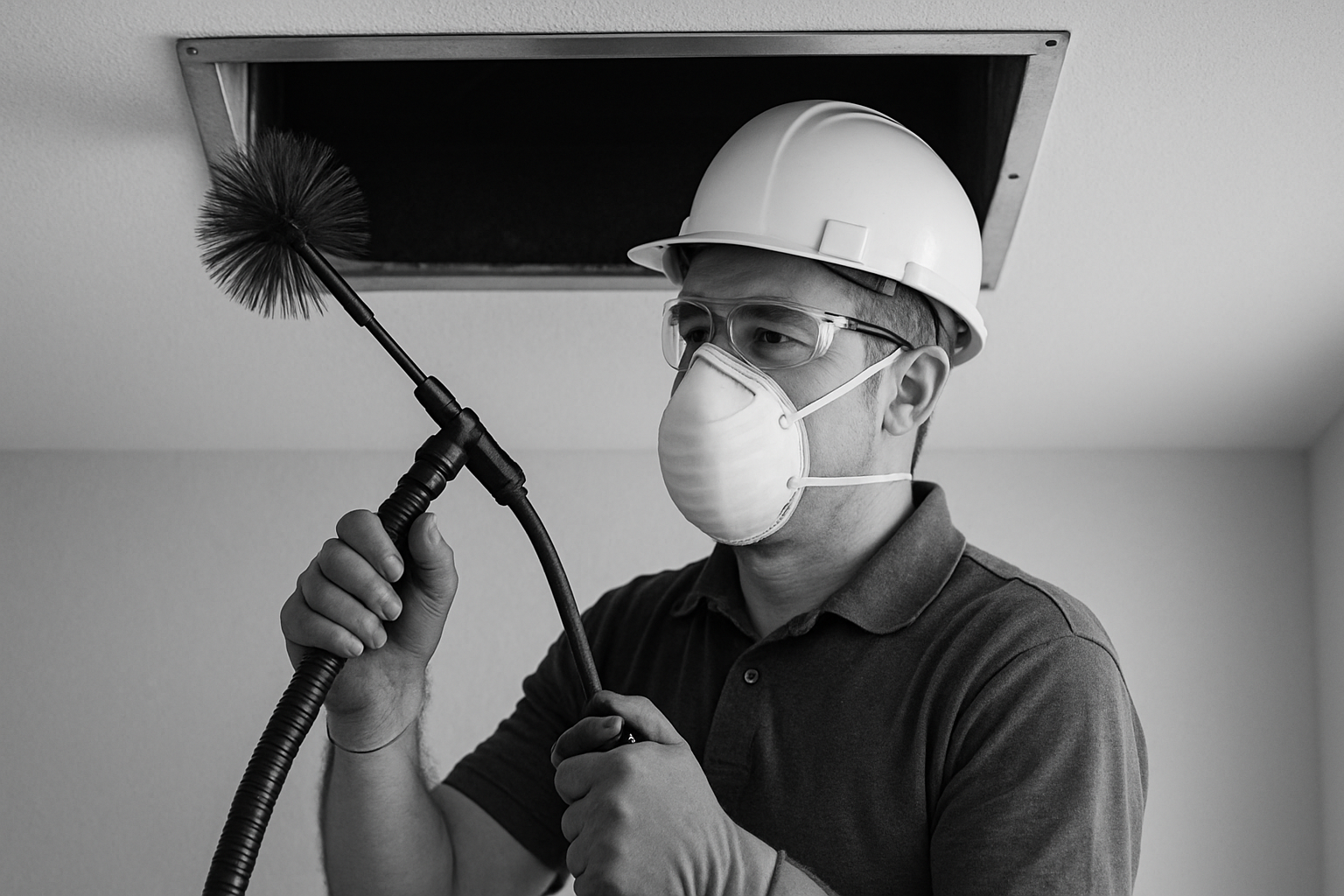
Air conditioning systems can be breeding grounds for dust mites and mold spores if not properly maintained. Regular AC duct cleaning and disinfection are essential to prevent allergen accumulation.
Mold Spore Growth Inside Air Conditioning Systems
Mold growth inside air conditioning systems can occur due to high humidity levels, condensation, and inadequate ventilation. This not only affects indoor air quality but also reduces cooling efficiency. Professional AC cleaning and disinfection can address these issues effectively.
Preventive Maintenance
Regularly inspecting and cleaning your AC system is crucial to prevent mold growth. Clean or replace filters, check for water leaks, and ensure proper drainage. These steps help maintain a healthy indoor environment by preventing allergen build-up. When considering Identifying Hidden Sources Of Allergens In Your Homes, this becomes clear.
Pet Dander and Allergens in Your Home’s
Pets can introduce dander, saliva, and urine into your home, all of which are common allergens in your homes. Regular grooming, vacuuming with a HEPA filter, and washing pet bedding can reduce the presence of these allergens in your homes. For severe cases, consider using air purifiers or consulting an allergist.
Indoor Pollen Traps and Sources of Pollen
During allergy seasons, indoor pollen from plants can become a significant issue. Using air purifiers with filters specifically designed for pollen removal can help reduce allergens. Additionally, closing windows during high pollen counts and using HEPA filters can prevent outdoor allergens from entering your home.
Hidden Food Allergens in Your Home’s
Food particles left behind by cooking or eating can attract pests like cockroaches, which produce allergens. Regular cleaning and sealing food containers can prevent these allergens from accumulating. Additionally, maintaining a clean kitchen reduces the risk of pest infestations. The importance of Identifying Hidden Sources Of Allergens In Your Home’s is evident here.
Practical Tips for Maintaining Indoor Air Quality
Here are some practical tips to help you maintain healthy indoor air quality:
- Regular Cleaning: Use a HEPA filter vacuum cleaner and microfiber cloths to reduce dust mites and other allergens.
- Proper Ventilation: Ensure proper ventilation in bathrooms, kitchens, and basements to prevent moisture buildup and mold growth.
- Air Purifiers: Invest in air purifiers with HEPA filters to remove common allergens from the air.
- Mold Prevention: Check for water leaks and address them promptly. Use dehumidifiers in damp areas to maintain optimal humidity levels.
- Healthy Humidity Levels: Keep indoor humidity between 30-50% to deter dust mites, mold spores, and other allergens from thriving.
FAQ: Addressing Common Concerns About Allergens
- Q1: How can I identify hidden sources of allergens in my home?
- Look for signs of dust accumulation, mold growth, and pet dander. Regular cleaning and inspections are key to identifying these sources.
Q2: What is the best way to remove dust mites from my home?
Use a HEPA filter vacuum cleaner, wash bedding in hot water (over 50°C), and regularly clean carpets and upholstery. Avoid overloading your AC system with allergens through regular cleaning.
Q3: How can I prevent mold growth inside my air conditioning system?
Regularly inspect and clean your AC, check for water leaks, ensure proper drainage, and maintain optimal humidity levels. Professional AC cleaning is essential to keep allergens at bay.
Q4: Can indoor plants worsen allergies in my home?
Indoor plants can indeed introduce pollen into your home, especially during allergy seasons. Use air purifiers with pollen filters and close windows during high pollen counts to minimize their impact.
Understanding Identifying Hidden Sources Of Allergens In Your Home’s helps with this aspect.
Q5: What are the signs of hidden allergens in my home?
Look for symptoms like sneezing, coughing, itchy eyes, or respiratory issues. Regular cleaning, inspections, and air quality tests can help identify these signs.
Conclusion
Maintaining a healthy indoor environment is essential for allergy sufferers and those with asthma. By understanding the hidden sources of allergens in your home and implementing practical solutions, you can significantly reduce their impact on your health. Regular cleaning, proper ventilation, and professional AC maintenance are key steps to creating a safe and clean living space. Understanding Identifying Hidden Sources Of Allergens In Your Home’s is key to success in this area.



Leave a Reply