

How Air Duct Cleaning Can Improve HVAC Efficiency
Understanding How Air Duct Cleaning Can Improve HVAC Efficiency
Contents
- 1 Understanding How Air Duct Cleaning Can Improve HVAC Efficiency
- 2 How Air Duct Cleaning Can Improve Hvac Efficiency: Impact on Energy Efficiency
- 3 How Air Duct Cleaning Can Improve Hvac Efficiency: Enhancing Indoor Air Quality
- 4 Financial Benefits
- 5 Long-Term Efficiency Benefits
- 6 Practical Tips for Maximizing Efficiency
- 7 Frequently Asked Questions
- 8 Conclusion
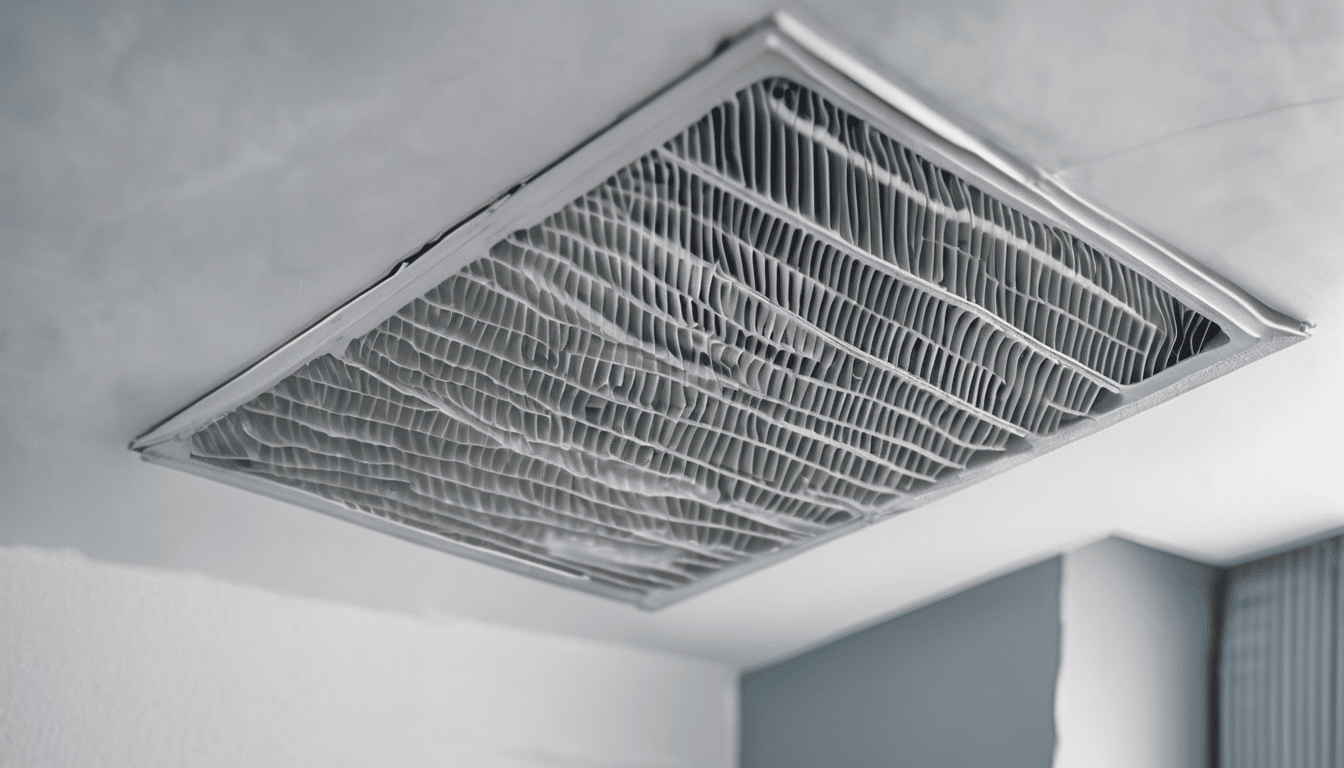
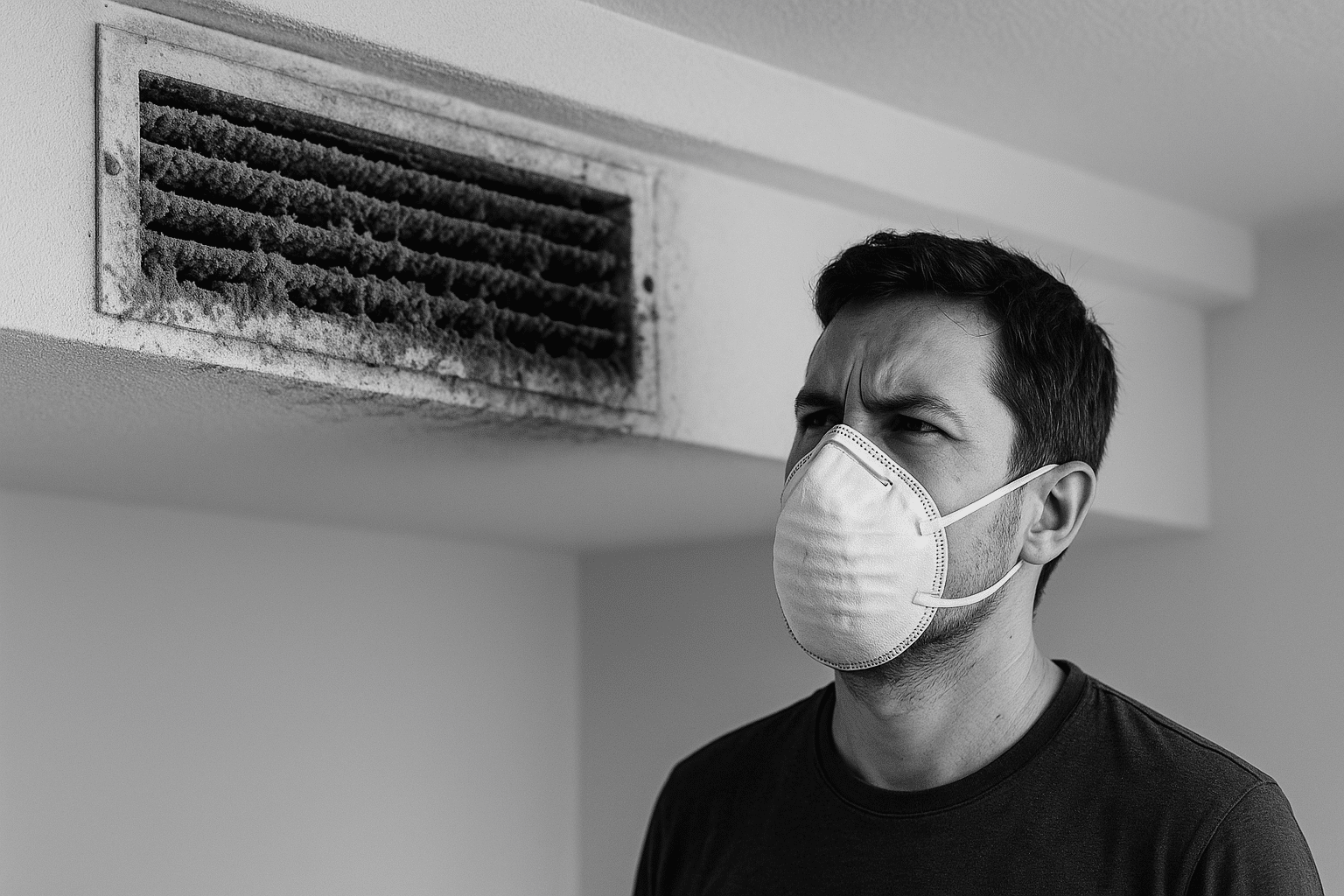
Air duct cleaning is a critical maintenance task that addresses hidden issues within your heating, ventilation, and air conditioning (HVAC) system. Over time, dust, debris, mold, and other contaminants can accumulate in the ductwork, reducing airflow and overall efficiency. This relates directly to How Air Duct Cleaning Can Improve Hvac Efficiency.
The Role of Air Ducts
Air ducts distribute conditioned air throughout your home or office. When they become clogged with debris, this distribution becomes less effective, leading to inefficiencies that result in higher energy bills and reduced comfort.
How Air Duct Cleaning Can Improve Hvac Efficiency: Impact on Energy Efficiency
Reduced Airflow
When air ducts are dirty or blocked, the HVAC system has to work harder to deliver the same amount of conditioned air. This increased strain leads to higher energy consumption and higher utility bills.
Increased Wear and Tear
A poorly maintained HVAC system operates less efficiently, causing it to wear out faster. Regular cleaning can extend the lifespan of your equipment by reducing stress on its components.
How Air Duct Cleaning Can Improve Hvac Efficiency: Enhancing Indoor Air Quality
Dust and Allergens Removal
Air ducts act as a filter for indoor air, capturing dust, pollen, pet dander, and other allergens. Regular cleaning ensures these contaminants are removed, improving the overall quality of your indoor environment.
Mold Prevention
Mold thrives in damp environments, often found within poorly maintained HVAC systems. By keeping ducts clean and dry, you can prevent mold growth, which is not only unsightly but also harmful to respiratory health.
Optimized Airflow Distribution
Clean air ducts ensure that conditioned air is distributed evenly throughout the building. This uniform distribution enhances comfort and reduces hot or cold spots in your home or office.
Reduced Energy Losses
By improving airflow, air duct cleaning helps to minimize heat loss (in winter) and heat gain (in summer), ensuring that more of the energy used by your HVAC system is effectively utilized.
Financial Benefits
Lower Energy Bills
A cleaner HVAC system operates more efficiently, leading to reduced energy consumption. This can result in substantial savings on monthly utility bills over time.
Scheduled Maintenance Savings
Regular cleaning and maintenance of your HVAC system can prevent costly repairs by identifying and addressing issues early. Avoiding major failures can save significant money on unexpected expenses.
Long-Term Efficiency Benefits
Preventing Deterioration of Components
A clean ductwork system minimizes the risk of dirt, dust, and other debris accumulating on internal components such as coils, fans, and filters. This helps maintain optimal performance for a longer period.
Enhanced Comfort Levels
With improved airflow and air quality, occupants can enjoy more consistent temperatures and fewer irritants in their living or working spaces. This contributes to overall comfort and well-being.
Practical Tips for Maximizing Efficiency
1. Schedule Regular Cleanings: Depending on the climate and usage, air ducts should be cleaned every 3-5 years in residential settings or annually in high-use commercial environments.
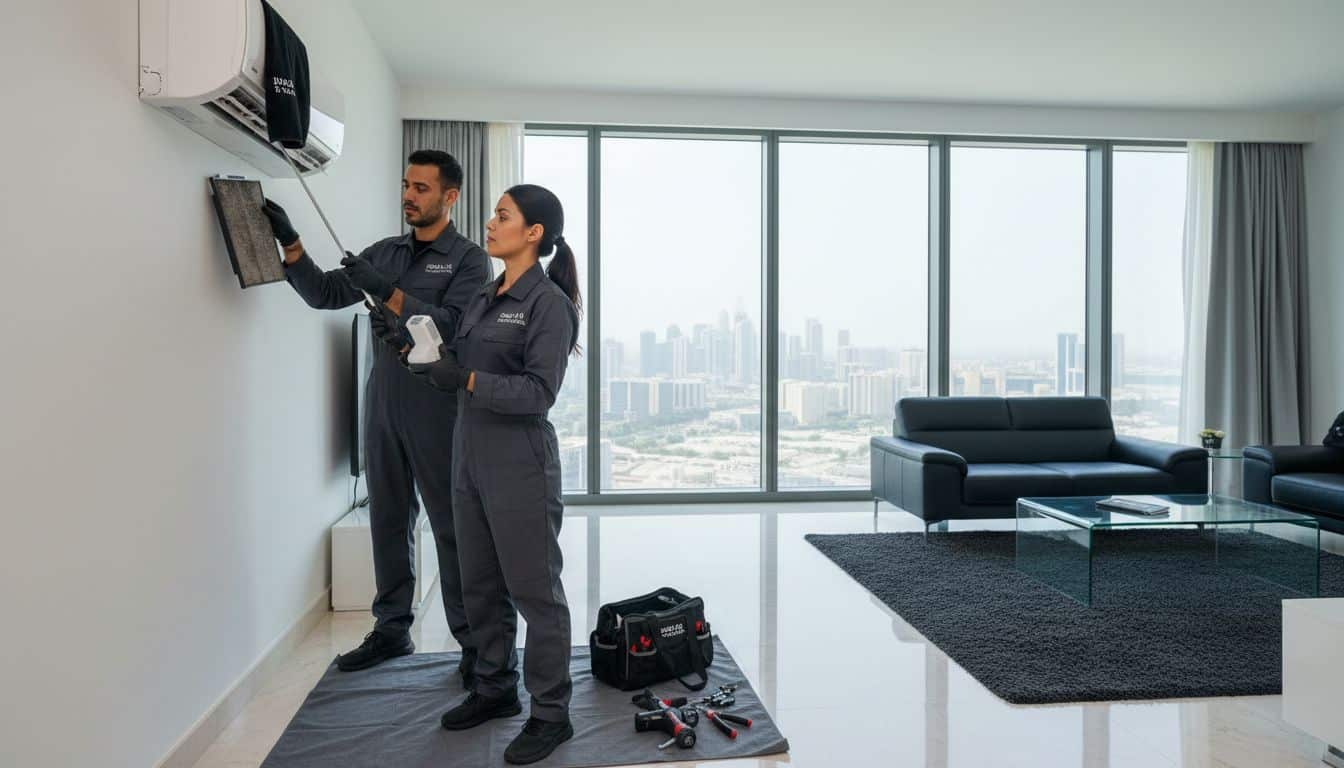
2. Use Professional Services: Hire experienced contractors who use HEPA-filtered equipment to remove contaminants without introducing new ones.
3. Combine with Other Maintenance Tasks: During HVAC maintenance, ensure that other components such as filters and coils are also inspected and cleaned for optimal performance.
4. Monitor Airflow Patterns: Use a blower door test or similar tool to check airflow patterns within your home or office. This can help identify areas where air ducts may need additional attention. When considering How Air Duct Cleaning Can Improve Hvac Efficiency, this becomes clear.
5. Educate Occupants About Proper Care: Inform family members or employees about simple steps they can take, such as avoiding clutter near vents and keeping HVAC systems free from obstructions.
Frequently Asked Questions
1. Q: How often should I clean my air ducts?
A: In Dubai’s climate, with year-round AC usage, it’s recommended to have your air ducts cleaned every 3-5 years for residential properties and annually in commercial settings.
2. Q: Will cleaning the air ducts improve my energy bills?
A: Yes, regular cleaning can reduce energy consumption by ensuring that your HVAC system operates more efficiently. This often translates to lower utility bills over time.
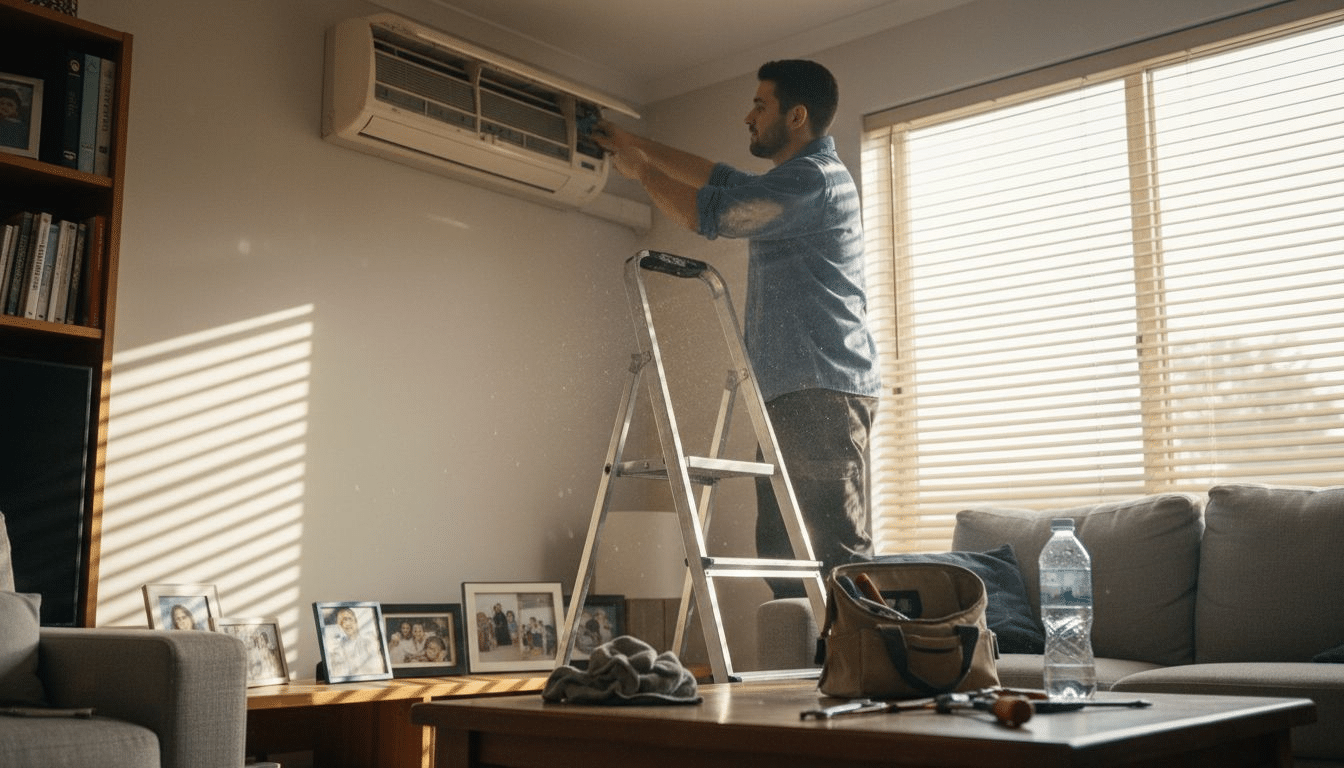
3. Q: Can I do air duct cleaning myself or should I hire professionals?
A: For best results, it’s advisable to hire professional cleaners who have the necessary tools and expertise to handle the task safely and effectively.
Conclusion
Air duct cleaning is a straightforward yet crucial maintenance step that can significantly enhance your HVAC system’s efficiency. By addressing hidden issues within the ductwork, you ensure better indoor air quality, reduced energy costs, and improved comfort for occupants. Regular professional cleanings are key to maintaining an efficient and healthy HVAC system in Abu Dhabi, Dubai, Sharjah, Ajman, Fujairah, Ras Al Khaimah, and other UAE regions. Understanding How Air Duct Cleaning Can Improve Hvac Efficiency is key to success in this area.

Leave a Reply