

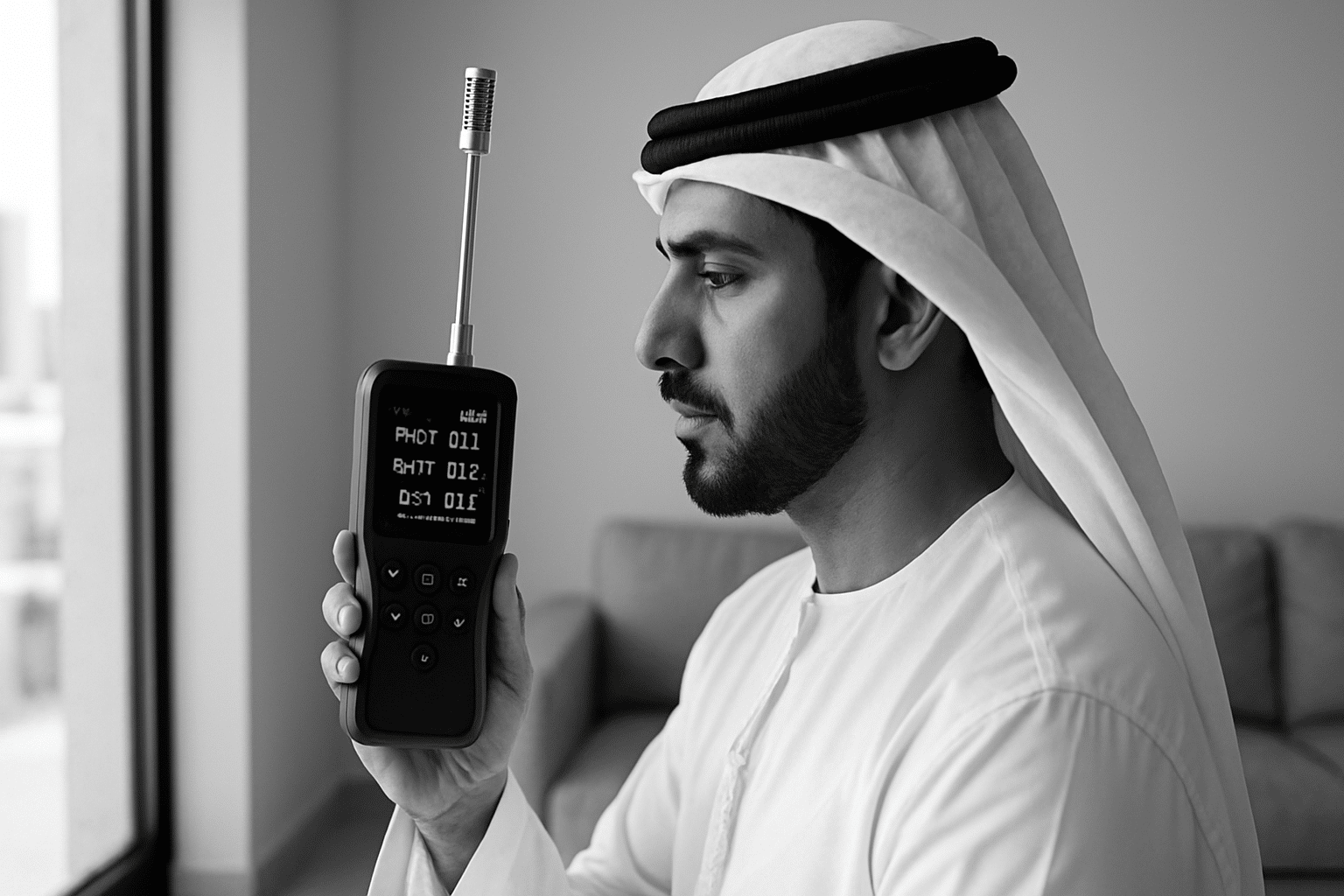
Understanding Certified Indoor Air Quality Testing in Dubai
Table of Contents
Contents
- 1 Table of Contents
- 2 What Makes Indoor Air Quality Testing ‘Certified’ in Dubai?
- 3 Key Pollutants Tested in Certified Indoor Air Quality Testing in Dubai
- 4 The Importance of Certified Testing for Dubai Residents and Businesses
- 5 How Certified Indoor Air Quality Testing Works in Dubai
- 6 Choosing the Right Certified Indoor Air Quality Testing Service in Dubai
- 7 Ongoing IAQ Management: Beyond Initial Testing
With Dubai’s rapid urban development and the growing emphasis on health and wellness, maintaining high-quality indoor air is becoming a top priority for residents and businesses alike. Certified indoor air quality testing Dubai ensures that indoor environments—from residential villas in Arabian Ranches to commercial offices in Business Bay—are safe and compliant with local regulations. This process involves professional assessment and monitoring of various pollutants, providing peace of mind that the indoor air meets established standards set by Dubai Municipality and DHA (Dubai Health Authority).
Indoor air quality (IAQ) significantly impacts occupants’ health, productivity, and overall comfort. Dubai’s hot climate means that most indoor spaces rely on air conditioning and advanced ventilation systems, which, if poorly maintained, can harbor contaminants like mold, dust mites, volatile organic compounds (VOCs), and even carbon monoxide. Certified IAQ testing services not only identify these pollutants but also help property owners take effective corrective measures. To truly ensure safety, regular IAQ testing is highly recommended.
What Makes Indoor Air Quality Testing ‘Certified’ in Dubai?
A certified indoor air quality testing Dubai means the testing process is conducted by specialists accredited by local authorities, using equipment and methods endorsed or approved by Dubai Municipality and Dubai Health & Safety standards. This certification guarantees accuracy, reliability, and compliance with Dubai’s strict indoor air quality guidelines. Understanding these nuances is key for informed decisions.
The certification process involves several critical factors:
- Use of Approved Equipment: Tools such as calibrated gas analyzers, particulate counters, and microbial samplers that meet UAE technical standards.
- Compliance with Dubai Municipality Regulations: Testing methods must adhere to protocols recommended by regulators, including sampling frequency, locations, and pollutant thresholds.
- Qualified Professionals: Technicians must hold relevant training and certification recognized in Dubai, often including safety and environmental management qualifications. Achieving this level of expertise is fundamental for comprehensive certified indoor air quality testing Dubai.
- Detailed Reporting: Issuance of a comprehensive, documented report highlighting pollutant levels compared against permissible limits, along with recommendations for remediation.
Professionals offering this service in Dubai—such as Saniacservice—ensure their testing aligns with these principles, providing a credible solution for businesses and homes seeking to optimize their indoor environment quality. They provide essential IAQ testing services to protect well-being.
Key Pollutants Tested in Certified Indoor Air Quality Testing in Dubai
Dubai’s unique environmental and architectural context influences which indoor air pollutants are most critical to monitor. Certified indoor air quality testing Dubai typically covers a broad spectrum of contaminants, including but not limited to:
- Particulate Matter (PM2.5 and PM10): Fine particles originating from traffic, construction dust, or indoor activities can penetrate the lungs and cause respiratory issues.
- Volatile Organic Compounds (VOCs): Emitted by paints, cleaning agents, furniture, and office equipment, VOCs can lead to headaches, irritation, or more severe chronic conditions.
- Carbon Dioxide (CO₂): High indoor CO₂ levels suggest inadequate ventilation, which can cause drowsiness, impaired concentration, and reduced productivity.
- Carbon Monoxide (CO): A colorless, odorless toxic gas often linked to faulty appliances or poor combustion sources, CO poses significant health risks and requires immediate attention.
- Mold Spores and Biological Contaminants: Humidity in certain Dubai buildings, especially in older or poorly ventilated areas, can encourage mold growth, aggravating allergies and respiratory diseases.
- Formaldehyde: Common in building materials and furnishings, formaldehyde exposure can lead to respiratory irritation and is a known carcinogen.
By identifying these pollutants, certified indoor air quality testing allows property owners to develop targeted strategies for improving air quality and ensuring health and regulatory compliance in Dubai’s indoor spaces. This proactive approach underscores the value of such testing for all property types.
The Importance of Certified Testing for Dubai Residents and Businesses
Dubai is home to a highly diverse population and a thriving business environment, making the quality of indoor air a critical factor in public health and operational success. Certified indoor air quality testing offers several advantages tailored to Dubai’s climate and urban lifestyle:
- Health and Comfort: Detecting pollutants early prevents long-term health problems such as asthma, allergies, and respiratory infections, contributing to a comfortable living or working environment. Residents often choose certified indoor air quality testing Dubai for peace of mind.
- Regulatory Compliance: Businesses—including offices, hotels, schools, and healthcare facilities—must comply with Dubai Municipality’s environmental standards and Dubai Health Authority guidelines to avoid penalties and legal issues. Regular certified indoor air quality testing Dubai helps achieve this.
- Optimizing HVAC Performance: Many buildings in Dubai depend on advanced HVAC systems for cooling and ventilation. Testing helps ensure these systems operate efficiently without circulating harmful contaminants.
- Property Value and Reputation: For commercial properties in prominent Dubai districts like Downtown Dubai or Dubai Marina, maintaining high indoor air quality reinforces reputation and can enhance property value.
- Workplace Productivity: Clean and well-ventilated indoor air supports employee wellbeing and concentration, directly impacting business performance.
Since UAE regulators such as Dubai Municipality emphasize creating sustainable urban environments, certified indoor air quality testing Dubai is an essential service that aids in achieving Dubai’s health and environmental goals. Furthermore, the results of certified indoor air quality testing Dubai provide actionable data for facility managers.
How Certified Indoor Air Quality Testing Works in Dubai
Understanding the testing process allows occupants and facility managers to prepare effectively and maximize the benefits of certified indoor air quality assessments. Here’s an outline of what to expect from certified indoor air quality testing Dubai:
- Initial Assessment and Consultation: Professionals consult with the client to understand the building type, usage, existing HVAC setup, and any concerns related to indoor air quality.
- Site Survey and Sampling Design: Based on Dubai Municipality standards, testers plan appropriate sampling points to monitor critical areas such as living rooms, offices, kitchens, mechanical rooms, and frequently occupied spaces.
- Air Sampling and Analysis: Using advanced and calibrated equipment, samples for various pollutants are collected over specific durations to ensure accuracy given Dubai’s environmental variations, such as dust storms or humidity shifts.
- Laboratory Testing and On-Site Monitoring: Certain biological and chemical analyses are conducted in certified labs, while continuous monitoring devices track real-time pollutants like CO and CO₂.
- Report Generation and Certification: Results are compiled into a clear, actionable report including compliance status with Dubai Municipality and DHA standards. This report serves as the official certification documentation, confirming the status of certified indoor air quality testing Dubai.
- Recommendations and Follow-up: If pollutant levels exceed permissible limits, testers provide tailored advice on remediation methods and may offer retesting to confirm improvements.
Choosing the Right Certified Indoor Air Quality Testing Service in Dubai
Selecting a reputable and certified testing provider is crucial to ensuring accurate results and meaningful insights. When looking for services in Dubai, consider the following factors:
- Certification and Accreditation: Verify that the testing company is officially licensed and recognized by Dubai Municipality and Dubai Health Authority to conduct certified indoor air quality testing Dubai.
- Experienced Technicians: The team should incorporate trained environmental specialists familiar with Dubai’s unique climatic and urban challenges.
- Advanced Equipment: Use of modern, calibrated instruments that meet UAE quality standards guarantees reliable data collection.
- Comprehensive Reporting: Reports should be clear, detailed, and aligned with local regulation requirements, providing actionable recommendations.
- Local Focus: Prefer companies that understand Dubai’s specific environment—such as Saniacservice, which operates exclusively within Dubai and tailors solutions to its building types and regulatory landscape. You can refer to Dubai Municipality official guidelines for certified indoor air quality testing Dubai compliance. This commitment to local conditions enhances the value of certified indoor air quality testing Dubai.
Engaging a trusted local provider ensures your certified indoor air quality testing Dubai is handled professionally and results in lasting improvements in health and comfort. Opting for a certified indoor air quality testing Dubai service guarantees adherence to the highest local standards.
Ongoing IAQ Management: Beyond Initial Testing
Certified indoor air quality testing Dubai is not a one-time event but part of a larger commitment to continuous air quality management. Because pollutant sources and ventilation efficiency can change over time—especially with Dubai’s seasonal dust and varied occupancy patterns—regular monitoring is recommended.
After receiving certification, buildings should consider implementing these practices:
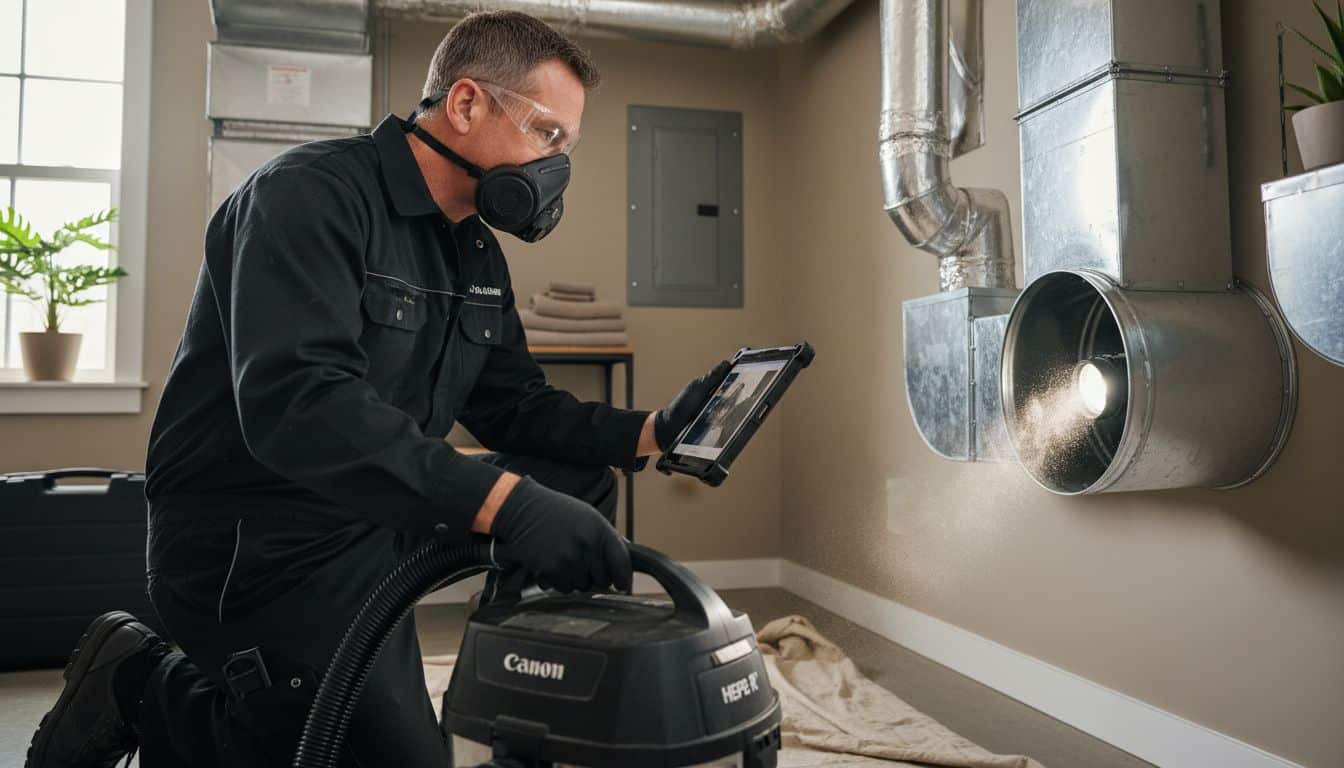
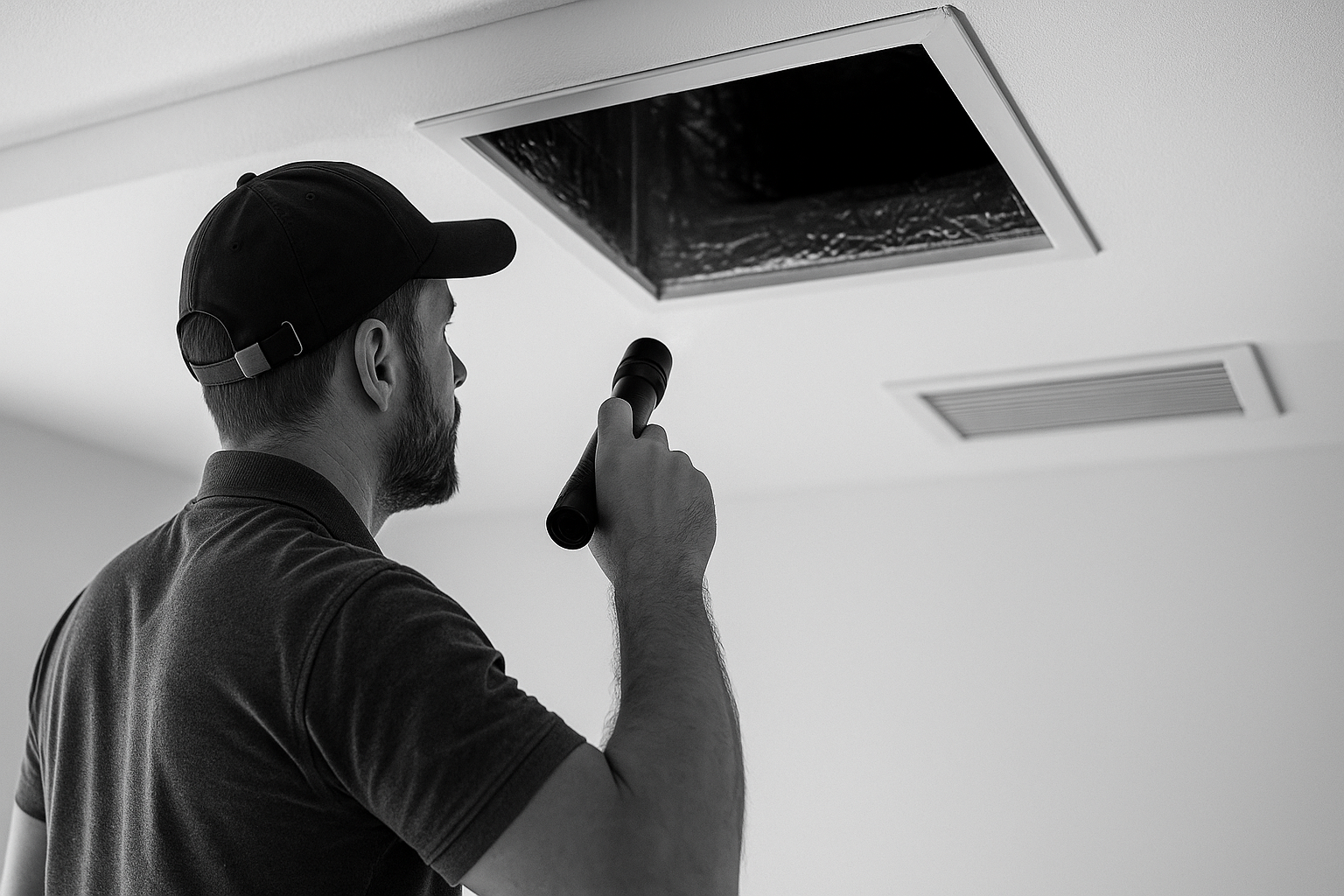
- Routine HVAC Maintenance: Cleaning and servicing HVAC systems reduces the buildup of dust, mold, and other contaminants, an essential part of effective certified indoor air quality testing Dubai.
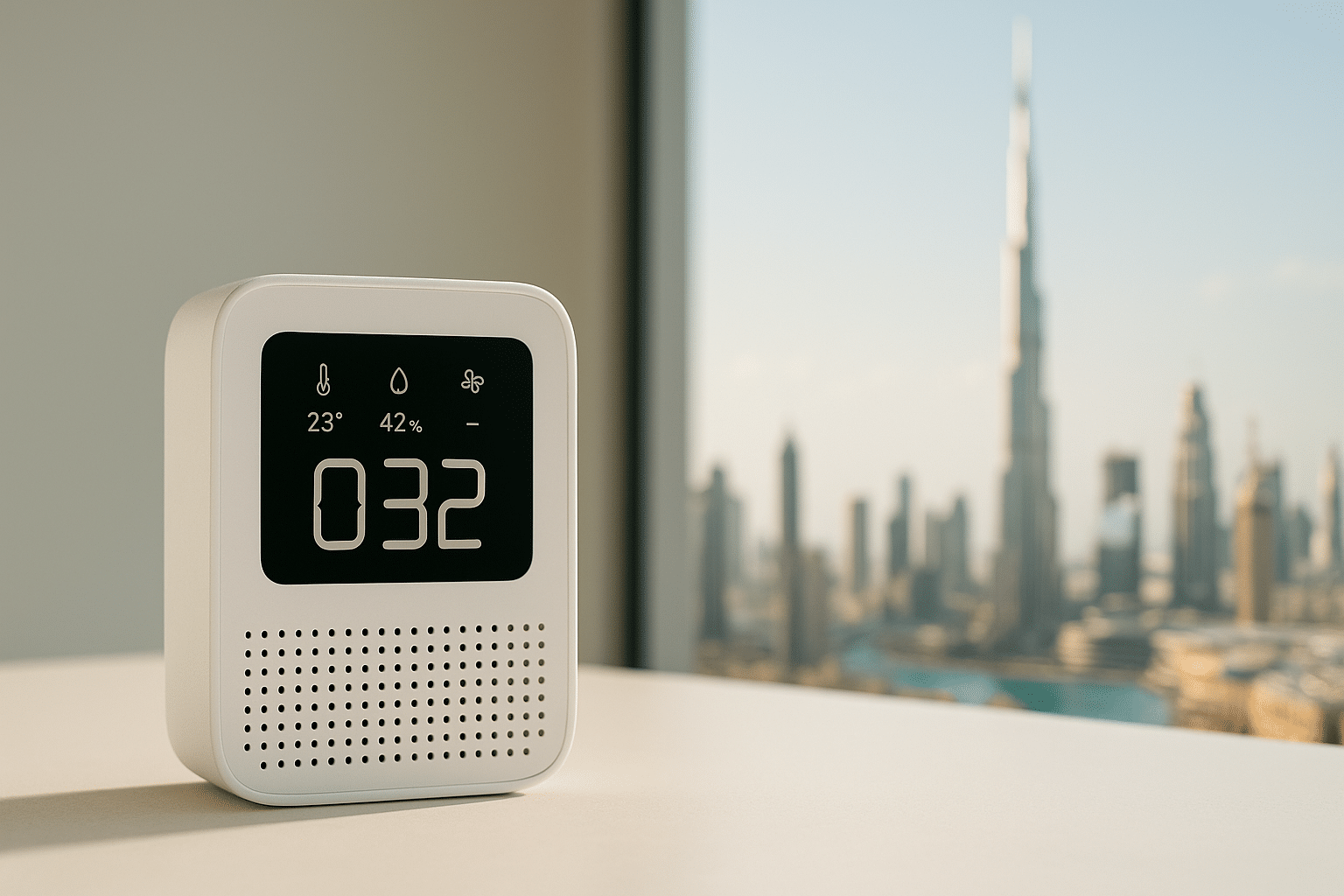
- Integrated Air Quality Sensors: Installing fixed sensors in critical locations provides ongoing data and early alerts about pollutant surges.
- Improved Ventilation Strategies: Optimizing airflow and filtration according to Dubai weather conditions minimizes pollutant accumulation.
- Occupant Awareness and Training: Educating residents and staff about IAQ best practices, such as minimizing indoor smoking, using low-VOC products, and reporting air-quality issues promptly.
Continuous IAQ management supports the health of residents in Dubai’s dynamic living spaces and helps businesses meet evolving environmental standards. Regular certified indoor air quality testing Dubai helps maintain these standards.
In summary, certified indoor air quality testing Dubai is an essential component for anyone seeking to ensure their indoor environment is safe, healthy, and compliant with local regulations. From identifying hidden pollutants to guiding corrective actions, this service empowers Dubai’s residents and businesses alike to breathe easier and thrive in a city known for its commitment to excellence and sustainability.

Leave a Reply