

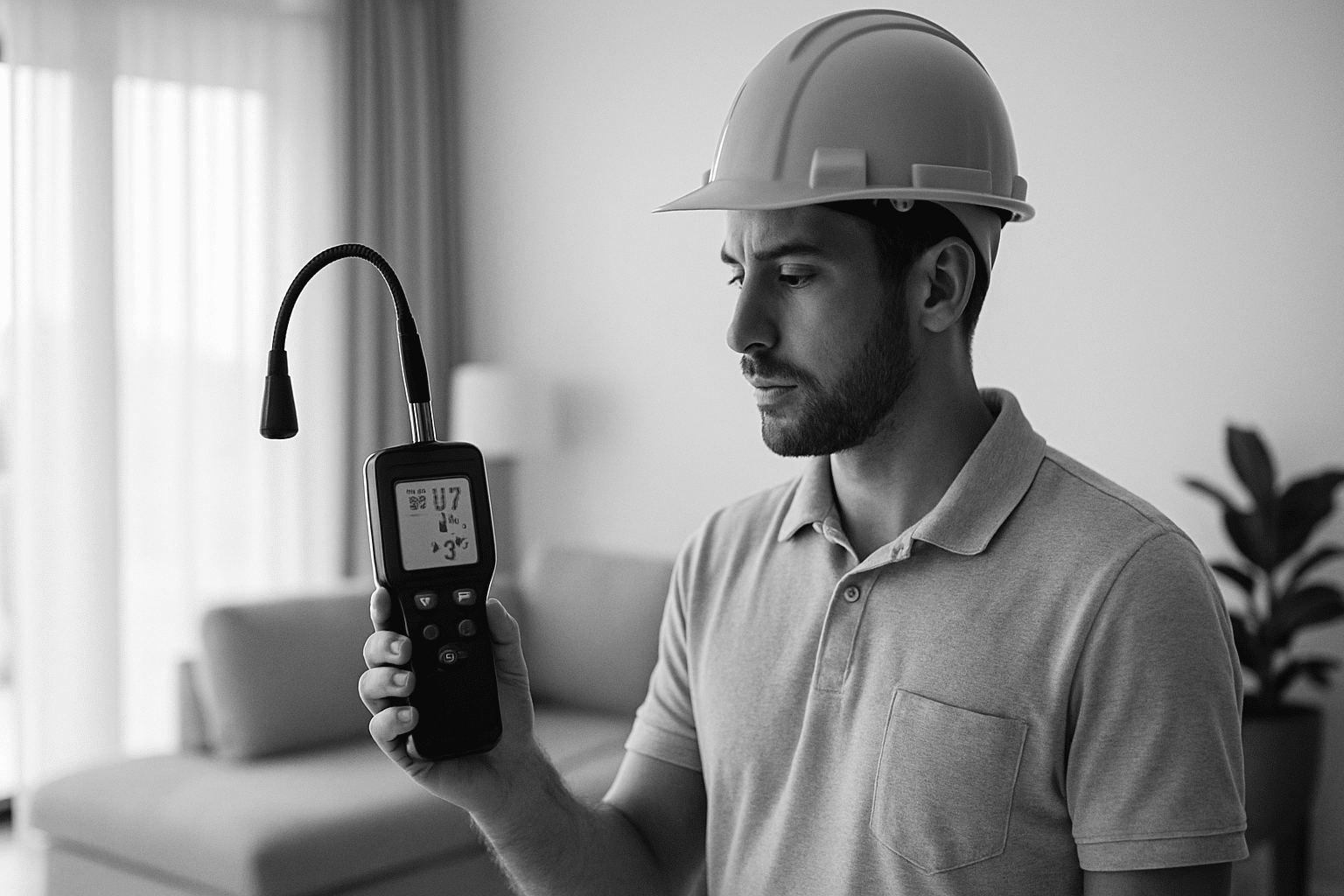
10 Must-Know Types of Duct Cleaning Equipment for Certified Indoor Air Quality Testing Dubai
Table of Contents
Contents
- 1 Table of Contents
- 2 Introduction to Certified Indoor Air Quality Testing Dubai
- 3 Why Dedicated Duct Cleaning Equipment Is Critical
- 4 Top 10 Types of Duct Cleaning Equipment
- 5 FAQ About Certified Indoor Air Quality Testing Dubai
- 5.1 What is certified indoor air quality testing dubai?
- 5.2 How often should duct cleaning be performed in Dubai?
- 5.3 Are the duct cleaning tools safe for all HVAC systems?
- 5.4 Can these duct cleaning methods improve energy efficiency?
- 5.5 Where can I find certified indoor air quality testing dubai services?
- 6 How to Choose the Right Duct Cleaning Equipment
- 7 Importance of Certified Testing in Dubai’s Unique Environment
- 8 Conclusion and Call to Action
- 9 Understanding the Importance of Certified Indoor Air Quality Testing in Dubai
- 9.1 Why Indoor Air Quality Matters in Dubai
- 9.2 What Does Certified Indoor Air Quality Testing in Dubai Involve?
- 9.3 The Certification Process and Regulatory Framework
- 9.4 Benefits of Certified IAQ Testing for Dubai Buildings
- 9.5 How to Choose a Certified Indoor Air Quality Testing Provider in Dubai
- 9.6 Common Indoor Air Quality Issues in Dubai Dwellings and Workspaces
- 9.7 Steps to Improve Indoor Air Quality After Testing
- 9.8 The Future of Indoor Air Quality Monitoring in Dubai
Introduction to Certified Indoor Air Quality Testing Dubai
Certified indoor air quality testing dubai is a growing essential service that ensures the air within buildings is safe, clean, and compliant with local regulations. With Dubai’s rapidly expanding urban environment and diverse industries, maintaining healthy indoor air quality (IAQ) has never been more critical.
This article explores the important types of duct cleaning equipment used during indoor air quality assessments in Dubai, especially in commercial and residential settings. Understanding these tools helps building managers, facility owners, and residents make smart decisions regarding air quality maintenance.
Why Dedicated Duct Cleaning Equipment Is Critical
Duct cleaning equipment plays a key role in enhancing the indoor environment by removing contaminants such as dust, mold spores, pet dander, and airborne bacteria from HVAC systems. Using specialized equipment during these comprehensive IAQ evaluations guarantees accurate diagnostics and effective cleaning, optimizing air flow and reducing health risks.
Dubai Municipality guidelines recommend regular inspection and cleaning of ducts in indoor environments, particularly in areas like Dubai Marina or Business Bay where air pollution may accumulate indoors due to dense urban activity.
Top 10 Types of Duct Cleaning Equipment
Duct cleaning technology has evolved to include several highly effective tools designed to target specific tasks during certified indoor air quality testing dubai. Below is a list of the ten most practical and widely used types of equipment:
| Equipment Type | Purpose | Key Features |
|---|---|---|
| Rotary Brush Systems | Mechanical scrubbing of duct interiors | Flexible shafts, motorized brushes, adjustable sizes |
| Vacuum Units (HEPA Filters) | Debris extraction during and after cleaning | High suction power, sealed systems, portable units |
| Air Whips and Compressed Air Tools | Dislodging dust and particles from duct walls | Flexible tubes, high-pressure air blasts |
| CCTV Inspection Cameras | Visual inspection of duct conditions | High-resolution cameras, remote control, recording |
| Fogging Machines | Disinfectant dispersion inside ducts | Atomizes cleaning agents, covers hard-to-reach areas |
| Brush and Whip Combo Tools | Combined scrubbing and dust removal | Interchangeable heads, multi-speed motors |
| Negative Air Machines | Creating negative pressure to control contaminants | Adjustable airflow, HEPA filtration, sealed units |
| Duct Cleaning Balloons | Sealing and pressurizing duct sections | Inflatable, durable materials, easy to position |
| Electrostatic Precipitators | Removing particles in the air stream | Ionizes particles, collects dust on charged plates |
| Ultrasonic Cleaners | Breaking down biofilms and deposits | Sound wave technology, chemical-free cleaning |
Each equipment type plays a role tailored to the specific requirements of certified indoor air quality testing dubai, ensuring the comprehensive assessment and cleaning of ductwork.
FAQ About Certified Indoor Air Quality Testing Dubai
What is certified indoor air quality testing dubai?
Certified indoor air quality testing dubai is the process of assessing air quality through approved methods and trained professionals adhering to Dubai Municipality’s standards to ensure indoor environments meet health and safety guidelines.
How often should duct cleaning be performed in Dubai?
The frequency depends on building use, but generally, ducts should be cleaned every 2–3 years or sooner in areas with heavy dust, humidity, or air pollution such as Downtown Dubai or Nad Al Sheba.
Are the duct cleaning tools safe for all HVAC systems?
Yes, when operated by certified technicians familiar with the system specifications to prevent damage while ensuring thorough cleaning.
Can these duct cleaning methods improve energy efficiency?
Absolutely. Removing blockages and buildup improves airflow, reducing system strain and lowering energy consumption.
Where can I find certified indoor air quality testing dubai services?
Many professional firms in Dubai specialize in IAQ testing and duct cleaning. For trusted service options, see our recommended providers section below.
How to Choose the Right Duct Cleaning Equipment
Choosing the right equipment for duct cleaning is vital for accurate certified indoor air quality testing dubai and efficient service. Consider the following factors:
- System Size & Configuration: Larger buildings with complex HVAC systems require advanced rotary brush systems and cameras.
- Type of Contaminants: Mold and biofilm require fogging and ultrasonic cleaning; dust and debris respond well to vacuum and brush tools.
- Accessibility: Tight corners and narrow ducts may necessitate flexible air whips or balloon systems.
- Compliance: Equipment should comply with Dubai Municipality health and safety standards.
- Certified Technicians: Trained professionals ensure the correct selection and operation of these tools during testing.
By evaluating these, building owners in areas like Business Bay and Dubai Marina can optimize IAQ maintenance strategies effectively.
Importance of Certified Testing in Dubai’s Unique Environment
Certified indoor air quality testing dubai helps manage these conditions by ensuring ducts are cleaned with the right equipment and techniques.
Dubai Municipality mandates compliance with strict IAQ standards, especially for residential developments in Arabian Ranches and commercial offices in Medos. Failure to adhere can lead to poor indoor environments affecting occupant health and productivity.
In addition, Dubai Health Authority (DHA) guidelines emphasize the use of certified equipment and trained personnel to achieve superior air quality outcomes.
For more detailed guidance on maintaining indoor air quality and choosing a trusted indoor air quality service, visit this helpful resource on certified indoor air quality testing in Dubai and explore our internal comprehensive guide to certified indoor air quality testing in Dubai.
Conclusion and Call to Action
Certified indoor air quality testing dubai is an investment in health and well-being, especially when supported by the proper duct cleaning equipment. From rotary brushes to negative air machines, each tool has a critical role in maintaining pristine air quality in Dubai’s demanding environments.
Building managers, homeowners, and facility operators in Dubai should prioritize certified testing services with proven duct cleaning technologies to safeguard occupants, comply with Dubai Municipality requirements, and enhance system efficiency.
Take action today: schedule a consultation with certified indoor air quality testing dubai experts to evaluate your ducts and ensure a healthier indoor environment for your Dubai property.
Understanding the Importance of Certified Indoor Air Quality Testing in Dubai
Indoor air quality (IAQ) significantly impacts health, comfort, and overall well-being for residents and workers in any environment. In Dubai’s fast-growing urban landscape, where modern buildings and extensive infrastructure coexist with desert climates and increasing pollution levels, ensuring safe and healthy indoor air has become an urgent priority. This is where certified indoor air quality testing Dubai plays a crucial role, providing reliable insights and expert guidance to maintain optimal air standards consistent with local regulations and environmental conditions.
Why Indoor Air Quality Matters in Dubai
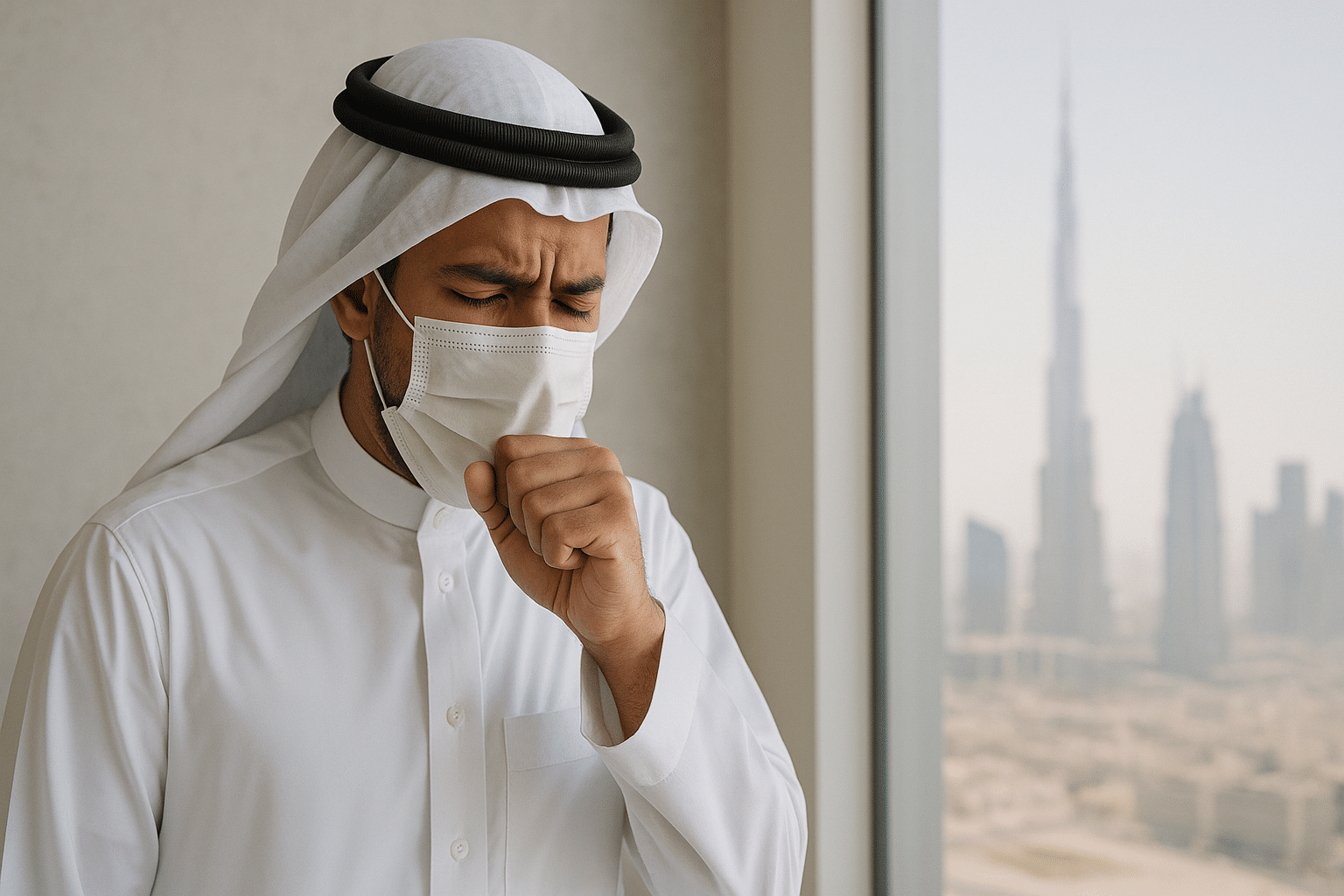
Dubai’s unique environment poses specific challenges to indoor air quality. The combination of high temperatures, dust storms, humidity fluctuations, and rapid urban development creates conditions where contaminants like particulate matter, volatile organic compounds (VOCs), microbial pollutants, and carbon dioxide (CO₂) can accumulate indoors and affect occupants. Without proper monitoring and intervention, poor IAQ can contribute to a range of health issues such as respiratory problems, allergies, headaches, fatigue, and even long-term chronic conditions.
Indoor environments, whether residential complexes in Downtown Dubai or commercial offices in Business Bay, often have limited ventilation due to air conditioning systems designed primarily for energy efficiency rather than air exchange. Moreover, modern building materials, furnishings, and cleaning products sometimes emit VOCs, which further degrade air quality. This amplified risk highlights the necessity of professional, certified testing services to accurately measure pollutant levels and suggest effective remediation.
What Does Certified Indoor Air Quality Testing in Dubai Involve?
Certified indoor air quality testing refers to a comprehensive, accredited approach that assesses various pollutants in the indoor environment using advanced equipment and methodologies approved by Dubai regulatory authorities. These tests are performed by licensed professionals who follow protocols aligning with standards set by Dubai Municipality and the Dubai Health Authority (DHA). The certification aspect ensures that the analysis and reporting meet stringent quality criteria, essential for validating results for legal, health, and property management purposes.
Testing typically involves the following components:
- Assessment of particulate matter (PM2.5 and PM10): These are fine airborne particles that can penetrate deep into the lungs, originating from outdoor pollution or indoor sources such as cooking, smoking, or dust accumulation.
- Measurement of volatile organic compounds (VOCs): These chemical emissions arise from paints, adhesives, cleaning agents, and furnishings, posing risks of irritation and long-term toxicity.
- Carbon dioxide (CO₂) monitoring: Elevated CO₂ levels signal inadequate ventilation and occupancy overload, which can impair cognitive function and increase fatigue.
- Microbial sampling: Testing for airborne bacteria, mold spores, and fungi is vital in Dubai’s humid microclimates or locations with water damage, as these agents can exacerbate allergies and asthma.
- Additional pollutant measurements: Including formaldehyde, carbon monoxide (CO), radon, and humidity levels, as required based on building use and potential risk factors.
The Certification Process and Regulatory Framework
In Dubai, certified indoor air quality testing must comply with guidelines issued by Dubai Municipality’s Environmental Department and the DHA’s health and safety standards. Laboratories and service providers performing IAQ testing are expected to demonstrate technical competence and adhere to protocols outlined in documents like the UAE Fire & Life Safety Code and ESMA regulations on building materials and emissions.
The certification process generally includes:
- Pre-assessment consultation: To understand the building type, usage patterns, and any known issues or complaints.
- On-site sampling: Deploying calibrated instruments for a prescribed duration to collect air samples under real operating conditions.
- Laboratory analysis: Where applicable, sending samples for microbiological or chemical testing in Dubai-accredited labs.
- Data interpretation and reporting: Presenting clear, actionable reports highlighting pollutant levels, benchmarks, and recommended interventions.
- Follow-up testing: In cases where remediation has been conducted to confirm improvements.
By choosing certified indoor air quality testing Dubai services, building owners and managers ensure compliance with mandatory health codes, improve occupant well-being, and reduce liability risks associated with poor indoor environments.
Benefits of Certified IAQ Testing for Dubai Buildings
Certified indoor air quality testing carries numerous advantages across various sectors, including residential, commercial, educational, and healthcare settings in Dubai:
- Enhanced occupant health and comfort: Identification and mitigation of air pollutants can lead to fewer respiratory ailments, reduced allergy flare-ups, improved sleep quality, and heightened productivity.
- Regulatory compliance and certification readiness: Many Dubai government facilities, hotels in Dubai Marina, or offices in DIFC require proof of IAQ standards adherence to renew licenses or pass inspections.
- Optimized indoor climate control: Knowing pollutant concentrations helps facility managers fine-tune HVAC systems, balance airflow, and reduce energy consumption by avoiding unnecessary over-ventilation or under-ventilation.
- Improved property value and marketability: Buildings demonstrating compliance with health and safety benchmarks attract tenants and buyers more easily, especially in competitive Dubai real estate sectors.
- Risk management: Proactively identifying microbial contamination or chemical hazards protects occupants, reduces liability, and may prevent costly legal disputes related to indoor air quality illnesses.
How to Choose a Certified Indoor Air Quality Testing Provider in Dubai
Selecting the right service provider is essential to get accurate, reliable insights that can guide effective remediation. Here are key factors to consider:
- Accreditation and certification: Ensure the company holds licenses from Dubai Municipality and DHA, and their labs are ISO/IEC 17025 accredited or recognized by UAE regulators.
- Experience and specialization: Look for providers with a proven track record in handling the unique conditions of Dubai’s indoor environments, from residential towers in Jumeirah to corporate offices in Media City.
- Comprehensive testing capabilities: Confirm they offer a full suite of tests aligned with local requirements rather than limited or generic services.
- Transparent reporting and consultation: A good provider delivers detailed, easy-to-understand reports along with actionable recommendations and support during follow-up.
- Customer testimonials and professional affiliations: Positive reviews, references from local developers, and memberships in recognized industry associations indicate credibility.
Common Indoor Air Quality Issues in Dubai Dwellings and Workspaces
Despite Dubai’s advanced infrastructure, certain IAQ challenges frequently arise, especially in high-density urban settings:
- Dust and sand infiltration: Frequent dust storms bring fine particles indoors, which accumulate if ventilation systems lack adequate filtration.
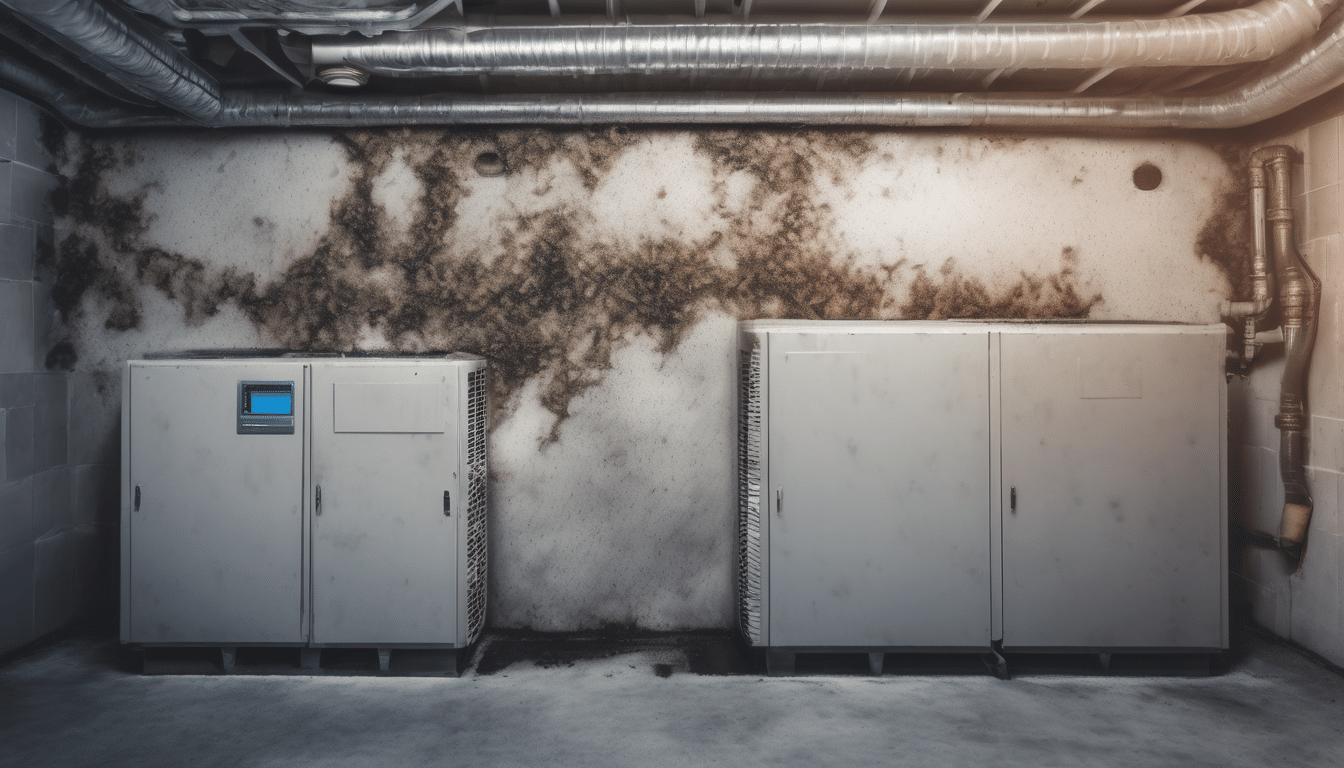
- Humidity and mold presence: Poor moisture control in buildings around Nad Al Sheba or Arabian Ranches can foster mold growth, damaging health and interior finishes.
- VOC emissions from furnishing and construction materials: New developments undergoing finishing touches often release formaldehyde and other VOCs before airing out.
- Carbon dioxide build-up in crowded spaces: Offices and conference rooms with inadequate ventilation experience elevated CO₂, impacting concentration and alertness.
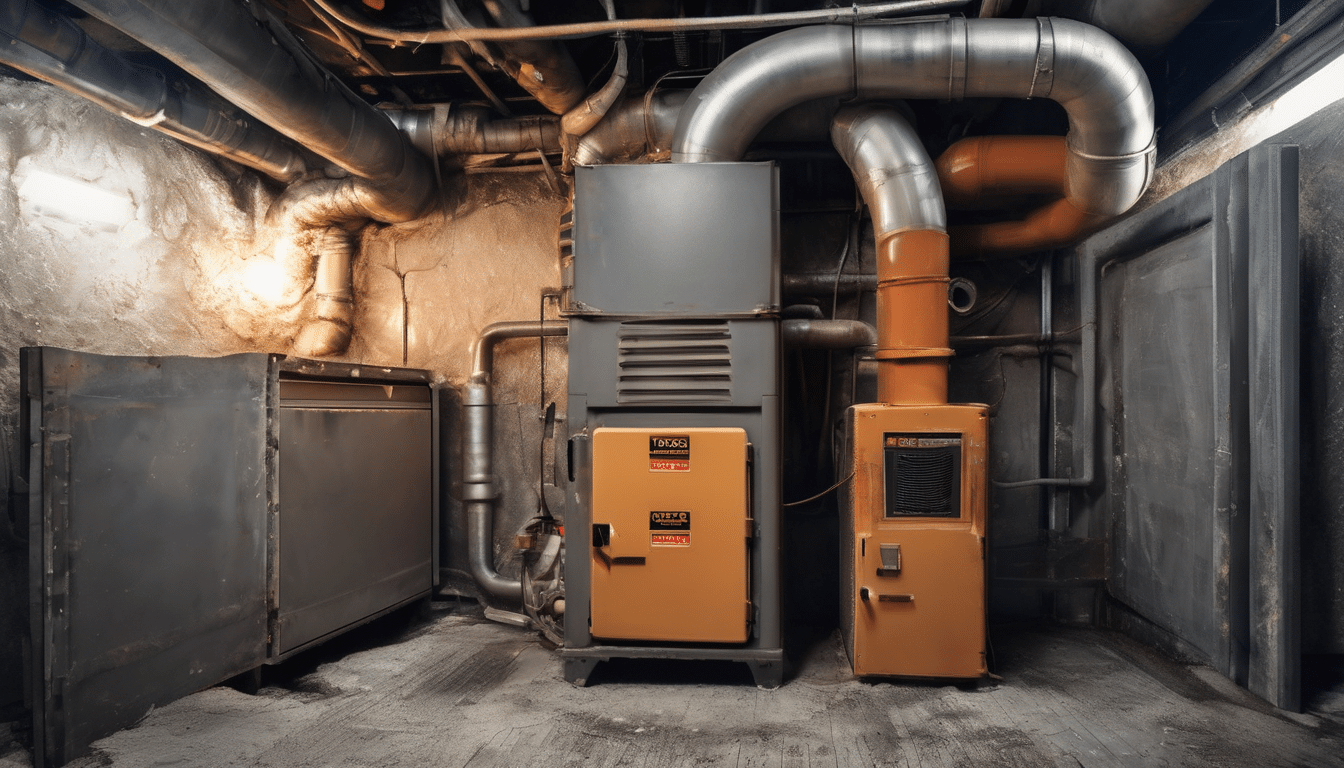
- Inadequate HVAC maintenance: Neglected air conditioning units, common in commercial towers along Sheikh Zayed Road, become breeding grounds for microbial contaminants.
Addressing these issues promptly with certified IAQ testing services in Dubai can improve indoor environments significantly.
Steps to Improve Indoor Air Quality After Testing
Once a certified IAQ test identifies problem areas, practical improvements can be implemented. Some common strategies include:
- Upgrading HVAC filters to HEPA or activated carbon variants
- Increasing natural ventilation or installing air exchange units
- Using low-VOC materials for renovations and furnishings
- Applying targeted remediation for mold and microbial contamination
- Regular cleaning and maintenance of air ducts and conditioning systems
- Controlling indoor humidity through dehumidifiers or moisture barriers
- Managing occupant density and scheduling to prevent overcrowding
These interventions, aligned with certified IAQ testing results, ensure sustained improvements consistent with the health and safety expectations in Dubai’s built environment.
The Future of Indoor Air Quality Monitoring in Dubai
Dubai’s vision as a healthy, sustainable city underscores the growing importance of comprehensive indoor environmental quality management. The adoption of smart building technology, such as continuous IAQ sensors integrated with building management systems (BMS), offers promising avenues for real-time air quality monitoring and rapid response.
Furthermore, Dubai Municipality is increasingly incorporating IAQ parameters in building codes and mandates for various classes of developments. The collaboration between public health authorities and private service providers will likely expand certification frameworks and awareness campaigns, stimulating wider adoption of certified indoor air quality testing Dubai services across residential and commercial properties.
—
By understanding and prioritizing certified indoor air quality testing Dubai offers, community members, businesses, and regulators contribute to healthier indoor environments that complement Dubai’s standing as a world-class city where well-being and innovation go hand in hand.

Leave a Reply