

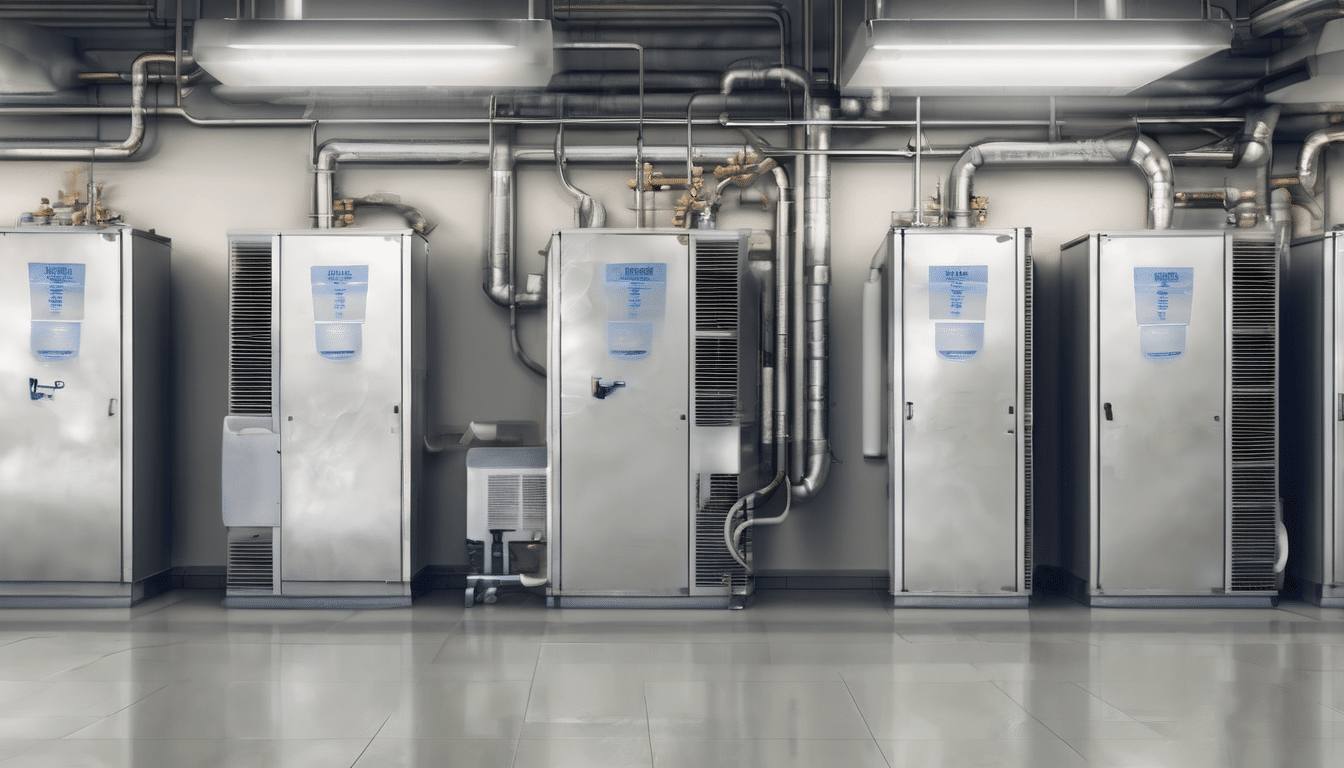
Hvac Contamination From Cleaning Chemicals In Schools
School environments require rigorous cleaning protocols to maintain hygiene standards, yet the very chemicals used for sanitisation can create significant indoor air quality challenges. HVAC Contamination from cleaning chemicals in schools represents a critical yet often overlooked threat to student and staff health. When cleaning products interact with ventilation systems, they can distribute chemical vapours throughout entire buildings, creating prolonged exposure risks that extend far beyond the initial application areas.
The complex interaction between cleaning chemicals and HVAC systems in Dubai’s educational facilities requires careful attention. With year-round air conditioning use and sealed indoor environments, even small amounts of chemical contamination can accumulate within ductwork and recirculate continuously. Understanding these contamination pathways enables facility managers to implement protective strategies that maintain both cleanliness and healthy indoor air quality. This relates directly to Hvac Contamination From Cleaning Chemicals In Schools.
Professional assessment of HVAC contamination from cleaning chemicals in schools reveals multiple exposure routes that compromise air quality. From volatile organic compounds released during routine cleaning to chemical residues that accumulate in ventilation systems, these contaminants create ongoing health concerns that demand systematic prevention approaches.
Hvac Contamination From Cleaning Chemicals In Schools – 1. Volatile Organic Compounds Entering HVAC Systems
Contents
- 1 Hvac Contamination From Cleaning Chemicals In Schools – 1. Volatile Organic Compounds Entering HVAC Systems
- 2 Hvac Contamination From Cleaning Chemicals In Schools – 2. Cleaning Aerosols Infiltrating Ductwork
- 3 Hvac Contamination From Cleaning Chemicals In Schools – 3. Chemical Residues Near Air Intakes
- 4 4. Disinfectant Vapours Through Ventilation Returns
- 5 5. Floor Cleaning Chemical Distribution
- 6 6. Bathroom Sanitiser HVAC Contamination
- 7 7. Concentrated Cleaning Product Exposure
- 8 Prevention Strategies for Schools
Volatile organic compounds from cleaning products represent the most pervasive form of HVAC contamination from cleaning chemicals in schools. These compounds readily evaporate at room temperature, allowing them to enter ventilation systems through return air intakes and circulate throughout educational facilities.
Common cleaning products release numerous VOCs including formaldehyde, benzene, and various alcohols. In Dubai’s climate, elevated temperatures accelerate VOC emission rates, intensifying contamination risks. Once these compounds enter HVAC systems, they can adhere to ductwork surfaces and continue off-gassing for extended periods.
Health Impact Assessment
Students and staff face prolonged exposure to these VOCs through recirculated air. Symptoms often include headaches, respiratory irritation, and difficulty concentrating. Children demonstrate particular sensitivity to chemical exposure, making VOC control essential in educational environments. When considering Hvac Contamination From Cleaning Chemicals In Schools, this becomes clear.
The accumulation of VOCs within HVAC systems creates a reservoir effect, where contamination persists long after initial cleaning activities cease. This ongoing exposure can trigger asthma episodes and allergic reactions, particularly problematic in Dubai’s sealed indoor environments where natural ventilation is limited.
Detection and Monitoring
Professional air quality testing can identify VOC contamination levels within school HVAC systems. Testing typically costs between AED 800-1,500 for comprehensive VOC analysis, providing baseline measurements for contamination assessment.
Regular monitoring helps identify problematic cleaning products and timing issues that contribute to HVAC contamination from cleaning chemicals in schools. Early detection enables corrective measures before health impacts become widespread among students and staff.
Hvac Contamination From Cleaning Chemicals In Schools – 2. Cleaning Aerosols Infiltrating Ductwork
Spray-based cleaning products create aerosol particles that can directly enter HVAC systems through poorly positioned return air vents. These microscopic droplets carry concentrated chemical loads throughout ventilation networks, creating widespread contamination beyond initial application areas.
Aerosol infiltration occurs most commonly during bathroom cleaning, surface disinfection, and glass cleaning activities. The pressurised nature of aerosol products increases their ability to reach ventilation intakes, particularly when cleaning staff work near return air grilles without adequate protection protocols. The importance of Hvac Contamination From Cleaning Chemicals In Schools is evident here.
Particle Distribution Patterns
Once aerosol particles enter ductwork, they follow air circulation patterns throughout school buildings. Heavier particles may settle within ducts, creating contamination deposits that release chemicals over time. Lighter particles remain airborne, reaching classrooms, libraries, and administrative areas far from initial application sites.
The recirculation systems common in Dubai schools can distribute these aerosol contaminants multiple times throughout daily operation cycles. This repeated exposure amplifies health risks and creates persistent air quality issues that standard ventilation alone cannot resolve.
Equipment Contamination
Aerosol chemicals can damage HVAC components including coils, filters, and blower assemblies. Chemical residues may corrode metal components and degrade filter materials, reducing system efficiency while maintaining contamination sources within the ventilation network.
Regular inspection of HVAC equipment reveals chemical damage patterns that indicate aerosol infiltration. Professional cleaning of contaminated components costs between AED 2,000-4,000 for typical school systems, making prevention strategies more cost-effective than remediation.
Hvac Contamination From Cleaning Chemicals In Schools – 3. Chemical Residues Near Air Intakes
Cleaning activities conducted near outdoor air intakes create direct contamination pathways into school HVAC systems. Chemical vapours from window cleaning, exterior surface treatments, and playground equipment sanitisation can enter ventilation systems at the source point, contaminating incoming fresh air supplies. Understanding Hvac Contamination From Cleaning Chemicals In Schools helps with this aspect.
HVAC contamination from cleaning chemicals in schools often originates from inadequate separation between cleaning activities and air intake locations. Dubai’s architectural designs frequently place air intakes near ground level, increasing exposure risks from routine maintenance and cleaning operations.
Intake Positioning Challenges
Many school buildings feature air intakes positioned near service areas where chemical storage and mixing occur. Vapours from concentrated cleaning products can accumulate around these intake points, particularly during early morning cleaning schedules when air circulation is minimal.
The proximity of chemical storage areas to HVAC intakes creates ongoing contamination risks. Even properly sealed containers can release vapours that enter ventilation systems, creating low-level but persistent chemical exposure throughout school environments.
Seasonal Contamination Patterns
Dubai’s climate patterns influence contamination risks around air intakes. During cooler months when outdoor air intake increases, chemical vapours have greater opportunity to enter HVAC systems. Summer operations with reduced fresh air intake may concentrate internally generated chemical contamination.
Weather conditions affect vapour dispersion patterns around intake points. Calm conditions can allow chemical accumulation, while wind patterns may direct contamination away from or towards critical intake locations. Hvac Contamination From Cleaning Chemicals In Schools factors into this consideration.
4. Disinfectant Vapours Through Ventilation Returns
Bathroom and classroom disinfection procedures generate vapours that readily enter return air systems, creating widespread distribution of chemical contamination throughout school facilities. Strong disinfectants containing quaternary ammonium compounds, bleach, or alcohol-based solutions release vapours that HVAC systems then circulate to occupied spaces.
The positioning of return air grilles in bathrooms and classrooms creates direct pathways for disinfectant vapour entry into ventilation systems. Once captured by return air flows, these vapours mix with recirculated air and distribute throughout connected spaces, affecting areas far from initial disinfection activities.
Chemical Interaction Effects
Different disinfectant chemicals can interact within HVAC systems, potentially creating new compounds with unknown health effects. Bleach vapours mixing with ammonia-based cleaners, for example, can produce harmful chloramine gases that circulate through ventilation networks.
These chemical interactions often occur within ductwork where mixing is enhanced by air turbulence. The confined environment of HVAC systems can concentrate reaction products, creating higher exposure levels than would occur in open spaces.
Persistence and Accumulation
Disinfectant vapours can adhere to ductwork surfaces, creating contamination reservoirs that continue releasing chemicals long after initial application. This persistence effect means that HVAC contamination from cleaning chemicals in schools can create ongoing exposure risks that persist between cleaning cycles.
The accumulation of disinfectant residues within HVAC components can alter system performance while maintaining contamination sources. Professional assessment and cleaning of affected components typically costs AED 3,000-6,000 for comprehensive treatment of school-sized systems.
5. Floor Cleaning Chemical Distribution
Floor cleaning operations using chemical mopping solutions, waxes, and strippers create significant vapour release that can contaminate HVAC systems through floor-level return air intakes. These chemicals often contain potent solvents and volatile compounds that readily evaporate during application and drying phases.
The large surface areas involved in floor cleaning amplify chemical vapour generation compared to other cleaning activities. Gymnasium floors, corridors, and classroom areas treated with chemical cleaning products can release substantial vapour volumes that enter nearby ventilation systems.
Application Method Impact
Wet mopping with chemical solutions creates maximum vapour generation as water evaporation carries chemical compounds into the air. Buffer and scrubber operations that generate aerosols can propel chemical particles directly into return air streams positioned at floor level.
The timing of floor cleaning activities significantly affects HVAC contamination risks. Cleaning during occupied hours increases immediate exposure risks, while night-time cleaning can create accumulated contamination that affects morning indoor air quality when systems resume full operation. This relates directly to Hvac Contamination From Cleaning Chemicals In Schools.
Chemical Selection Consequences
Different floor cleaning chemicals produce varying contamination risks. Solvent-based products generate higher vapour concentrations than water-based alternatives. Fragranced products add additional volatile compounds that can trigger respiratory sensitivities among students and staff.
Professional evaluation of floor cleaning chemical impacts on indoor air quality helps identify problematic products and application methods. Air quality testing after floor cleaning operations typically reveals elevated chemical concentrations that can persist for hours within HVAC-served spaces.
6. Bathroom Sanitiser HVAC Contamination
Bathroom sanitisation procedures create particularly severe HVAC contamination from cleaning chemicals in schools due to the intensive chemical use required for hygiene compliance and the typical placement of ventilation systems in these spaces. Toilet bowl cleaners, disinfectants, and air fresheners generate concentrated vapour clouds that exhaust fans and return air systems readily capture.
The confined nature of bathroom spaces concentrates chemical vapours, increasing the likelihood of HVAC system contamination. Many school bathroom designs position exhaust fans and return air grilles in locations that maximise chemical vapour capture during cleaning operations.
Multi-Chemical Exposure Scenarios
Bathroom cleaning protocols often involve multiple chemical products applied in sequence, creating complex vapour mixtures that HVAC systems distribute throughout connected areas. Toilet cleaners followed by surface disinfectants and air fresheners can produce vapour combinations with unpredictable health effects. When considering Hvac Contamination From Cleaning Chemicals In Schools, this becomes clear.
The interaction between different bathroom chemicals within HVAC systems can create new compounds not present in individual products. These interaction products may have different toxicity profiles and persistence characteristics than parent chemicals.
Exhaust System Challenges
Many school bathrooms rely on exhaust systems that also serve other areas, creating cross-contamination pathways where bathroom chemical vapours can affect adjacent classrooms or common areas. Shared exhaust plenum can distribute contamination across multiple spaces.
The negative pressure created by bathroom exhaust systems can draw chemical vapours into connected ductwork, where they may condense on surfaces and create persistent contamination sources. Regular inspection and cleaning of exhaust ductwork helps identify and address these accumulation points.
7. Concentrated Cleaning Product Exposure
Storage and mixing of concentrated cleaning products near HVAC equipment creates severe contamination risks through direct vapour release and accidental spill scenarios. Many schools store cleaning supplies in mechanical rooms or utility areas where HVAC equipment is located, creating ongoing exposure potential.
Concentrated products generate higher vapour concentrations than diluted cleaning solutions, making even small releases significant contamination sources. The mixing and dilution processes required for proper cleaning product preparation can create vapour clouds that enter nearby HVAC intakes or equipment openings. The importance of Hvac Contamination From Cleaning Chemicals In Schools is evident here.
Storage Location Assessment
Chemical storage areas positioned near HVAC equipment require careful evaluation to prevent contamination scenarios. Temperature fluctuations in mechanical rooms can increase vapour generation from stored products, while equipment vibrations may compromise container seals.
The ventilation provided in chemical storage areas affects contamination risks for nearby HVAC equipment. Inadequate ventilation allows vapour accumulation that can migrate into ductwork through equipment access panels or unsealed connections.
Emergency Response Planning
Spill scenarios involving concentrated cleaning products can create immediate and severe HVAC contamination requiring emergency response protocols. Large chemical releases may necessitate system shutdown and professional decontamination procedures costing AED 8,000-15,000 for comprehensive treatment.
Emergency planning should include procedures for isolating HVAC systems during chemical incidents and protocols for assessing contamination before resuming normal operation. Professional air quality testing after chemical incidents ensures safe occupancy conditions before student and staff return.
Prevention Strategies for Schools
Preventing HVAC contamination from cleaning chemicals in schools requires systematic approaches that address both product selection and application procedures. Implementing low-VOC cleaning products reduces vapour generation, while proper timing and ventilation management minimises system contamination risks.
Staff training on chemical handling procedures near HVAC equipment helps prevent direct contamination scenarios. Understanding the relationship between cleaning activities and air quality enables custodial teams to implement protective measures during routine maintenance operations.
Product Selection Guidelines
Choosing certified green cleaning products significantly reduces HVAC contamination risks. These products typically contain fewer volatile compounds and generate lower vapour concentrations during use. The initial cost increase for green products, often AED 200-500 monthly for typical schools, provides substantial health and maintenance benefits.
Water-based cleaning products generally produce less vapour contamination than solvent-based alternatives. Concentrated products requiring dilution should be mixed in well-ventilated areas away from HVAC intakes and equipment.
Operational Scheduling
Timing cleaning activities during unoccupied periods allows vapour dissipation before student and staff return. Scheduling intensive chemical cleaning during weekends or holidays provides maximum recovery time for indoor air quality restoration.
Coordinating cleaning schedules with HVAC operation cycles enables system purging of contaminated air before occupancy periods. Increasing fresh air intake following cleaning activities accelerates chemical removal from indoor environments. Understanding Hvac Contamination From Cleaning Chemicals In Schools helps with this aspect.
The implementation of comprehensive prevention strategies protects both immediate health and long-term indoor air quality in educational environments. Regular monitoring and adjustment of these protocols ensures continued effectiveness as cleaning needs and products evolve.
Professional assessment of existing contamination and prevention programme effectiveness provides baseline measurements for ongoing improvement. Annual air quality evaluation costs between AED 1,500-3,000 but provides essential data for protecting student and staff health through optimised HVAC and cleaning management practices. Understanding Hvac Contamination From Cleaning Chemicals In Schools is key to success in this area.


Leave a Reply