

Cleaning In Healthcare: Best Practices For Environmental
Understanding Best Practices for Environmental Cleaning In Healthcare Facilities is essential.
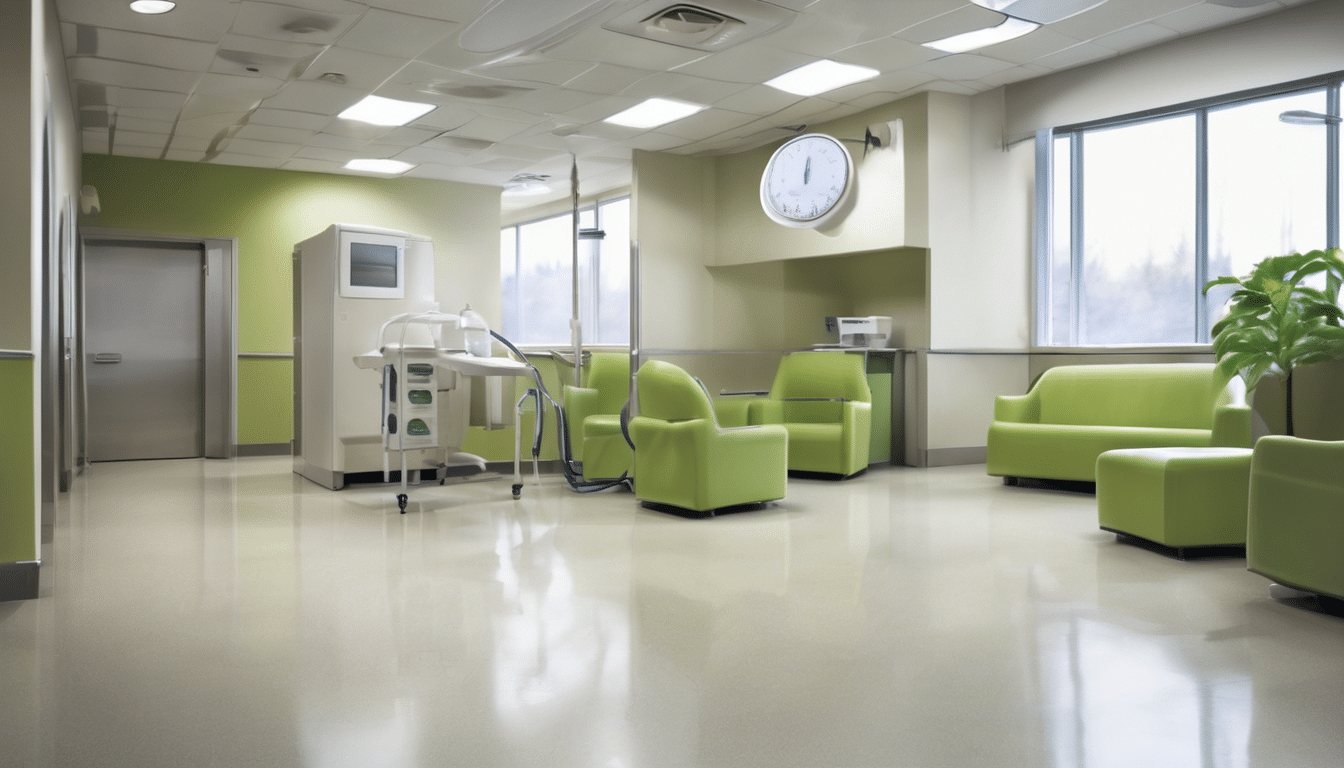
The environment within healthcare facilities plays a critical role in patient safety, infection control, and overall well-being. Effective environmental cleaning is not just about aesthetics; it’s a key component of preventing the spread of infections and ensuring that patients receive optimal care. This comprehensive guide outlines best practices for environmental cleaning in healthcare settings, focusing on infection control strategies, surface disinfection methods, cleaning techniques and tools, training programs, monitoring and evaluation, and real-world examples.
Introduction to Environmental Cleaning in Healthcare Facilities
Contents
- 1 Introduction to Environmental Cleaning in Healthcare Facilities
- 2 Defining Best Practices for Environmental Cleaning
- 3 Infection Control Strategies and Protocols
- 4 Surface Disinfection Methods and Products
- 5 Cleaning Techniques and Tools for Healthcare Environments
- 6 Training and Personnel Management in Environmental Cleaning
- 7 Monitoring and Evaluation of Cleaning Practices
- 8 Case Studies and Examples in Healthcare Cleaning
- 9 Expert Tips for Environmental Cleaning in Healthcare Facilities
- 10 Frequently Asked Questions (FAQs)
- 11 Conclusion on Best Practices for Environmental Cleaning in Healthcare Facilities
Environmental cleaning in healthcare facilities is a multi-faceted process that involves the thorough removal of dirt, dust, and microorganisms from surfaces and equipment. This practice aims to create a clean environment that minimizes the risk of infection transmission and enhances patient outcomes. Proper environmental cleaning also supports the overall hygiene and comfort of patients, visitors, and staff members.
Defining Best Practices for Environmental Cleaning
Best practices in environmental cleaning are guidelines that healthcare facilities should follow to ensure a safe and hygienic environment. These practices encompass a range of activities, including the selection of appropriate cleaning agents, the use of effective cleaning techniques, and the training of staff members. By adhering to these best practices, healthcare facilities can significantly reduce the risk of cross-contamination and infection.
Infection Control Strategies and Protocols
Infection control strategies are critical for preventing the spread of pathogens within healthcare facilities. Key components include regular cleaning schedules, proper use of personal protective equipment (PPE), and strict adherence to protocols for surface disinfection. These strategies help maintain a clean environment that minimizes the risk of nosocomial infections.
Surface Disinfection Methods and Products
Effective surface disinfection is essential in healthcare settings where microorganisms can thrive on various surfaces. Common disinfectants include quaternary ammonium compounds, chlorine-based solutions, and alcohol-based products. The choice of product depends on the type of surface being cleaned and the specific pathogens targeted. Regular application of these disinfectants helps eliminate harmful bacteria and viruses.
Cleaning Techniques and Tools for Healthcare Environments
Proper cleaning techniques are crucial for ensuring that surfaces are thoroughly clean and free from contaminants. This includes using microfiber cloths, sponges, and brushes to reach all areas of the surface. Additionally, pressure washers and steam cleaners can be used in certain situations to remove stubborn dirt and grime.
Training and Personnel Management in Environmental Cleaning
Effective training programs are essential for ensuring that cleaning staff understand proper techniques and protocols. Regular training sessions should cover the safe use of chemicals, correct application methods, and personal hygiene practices. Additionally, staff members should be provided with appropriate PPE to protect themselves from exposure to hazardous materials.
Monitoring and Evaluation of Cleaning Practices
Continuous monitoring and evaluation are necessary to ensure that cleaning standards are being met consistently. This includes regular inspections by supervisors or third-party auditors, as well as the use of microbial swab testing to assess surface cleanliness. Feedback mechanisms should be in place to address any issues identified during these evaluations.
Case Studies and Examples in Healthcare Cleaning
Real-world examples can provide valuable insights into best practices for environmental cleaning in healthcare facilities. For instance, a case study might highlight the successful implementation of a new cleaning protocol that led to a significant reduction in infection rates. Such stories can serve as inspiration for other facilities looking to improve their own cleaning processes.
Expert Tips for Environmental Cleaning in Healthcare Facilities
Here are some expert tips to ensure effective environmental cleaning:
- Regular Scheduling: Develop a consistent schedule for cleaning and disinfection, with special attention given to high-touch areas.
- Use of PPE: Always use personal protective equipment when handling hazardous chemicals or sharp objects.
- Microfiber Cloths: Utilize microfiber cloths for their superior ability to trap dirt and dust without leaving streaks.
- Avoid Cross-Contamination: Label cleaning supplies clearly to avoid accidentally using them in areas where they could cause cross-contamination.
- Feedback Mechanisms: Implement feedback systems to ensure that staff members are adhering to best practices and to address any concerns promptly.
Frequently Asked Questions (FAQs)
Here are some common questions about environmental cleaning in healthcare facilities:
- Q: How often should surfaces be cleaned and disinfected?
- A: Surfaces should be cleaned daily, with more frequent disinfection for high-touch areas.
- Q: What are the most effective cleaning agents to use?
- A: Quaternary ammonium compounds and alcohol-based solutions are commonly used due to their effectiveness against a wide range of microorganisms.
- Q: How can staff be trained effectively for environmental cleaning?
- A: Regular training sessions should cover proper techniques, the safe use of chemicals, and personal hygiene practices. Practical demonstrations are also beneficial.
Conclusion on Best Practices for Environmental Cleaning in Healthcare Facilities
Effective environmental cleaning is a cornerstone of infection control in healthcare facilities. By implementing best practices such as regular disinfection, proper use of cleaning agents and techniques, and comprehensive staff training programs, healthcare providers can significantly reduce the risk of infections and create safer environments for all occupants.


Leave a Reply