Coil Biofilm in UAE AC Systems: Causes and Removal
Understanding Coil Biofilm in UAE AC Systems: Causes and Removal is essential. Coil Biofilm in UAE AC systems causes and removal is a subject that comes up repeatedly in residential service work across Dubai, Abu Dhabi, Sharjah, and beyond — and for good reason. The conditions that define the UAE’s climate are precisely the conditions that accelerate biofilm development inside evaporator coils: sustained heat, near-continuous system operation, and humidity levels that keep coil surfaces persistently damp throughout the long summer months. What results is not simply a dirty coil. It is a structured microbial layer that resists standard cleaning, reduces cooling efficiency, and affects the air circulating through every room in the home.
Understanding coil biofilm in UAE AC systems — its causes, its behaviour, and its proper removal — is the starting point for anyone who wants their indoor environment to reflect the standard of the home around it. This article covers the subject thoroughly, from the biology of biofilm formation through to the methodology used by NADCA-aligned professionals to remove it safely and completely. This relates directly to Coil Biofilm in UAE AC Systems: Causes and Removal.
Coil Biofilm in UAE AC Systems: Causes and Removal – What Coil Biofilm Actually Is
Contents
- 1 Coil Biofilm in UAE AC Systems: Causes and Removal – What Coil Biofilm Actually Is
- 2 Coil Biofilm in UAE AC Systems: Causes and Removal – Why UAE Climate Conditions Accelerate Coil Biofilm Formation
- 3 Coil Biofilm in UAE AC Systems: Causes and Removal – How Coil Biofilm Affects System Performance and Indoor Air Q
- 4 Identifying Coil Biofilm in UAE AC Systems
- 5 The Professional Removal Process for Coil Biofilm in UAE AC Systems
- 6 Preventing Recurrence of Coil Biofilm in UAE Residential Systems
- 7 Expert Takeaways for UAE Homeowners
- 8 Frequently Asked Questions
- 8.1 What causes coil biofilm to form faster in Dubai than in other climates?
- 8.2 How do I know if my AC coil has biofilm and not just ordinary dust?
- 8.3 Is coil biofilm removal safe in a home with children or elderly residents?
- 8.4 Can I remove coil biofilm myself without a professional?
- 8.5 How often should coil biofilm removal be carried out in Dubai apartments?
- 8.6 Does coil biofilm affect energy consumption in UAE homes?
- 8.7 Will treating the coil alone solve a persistent musty smell from my AC in Abu Dhabi or Sharjah?
- 9 Conclusion
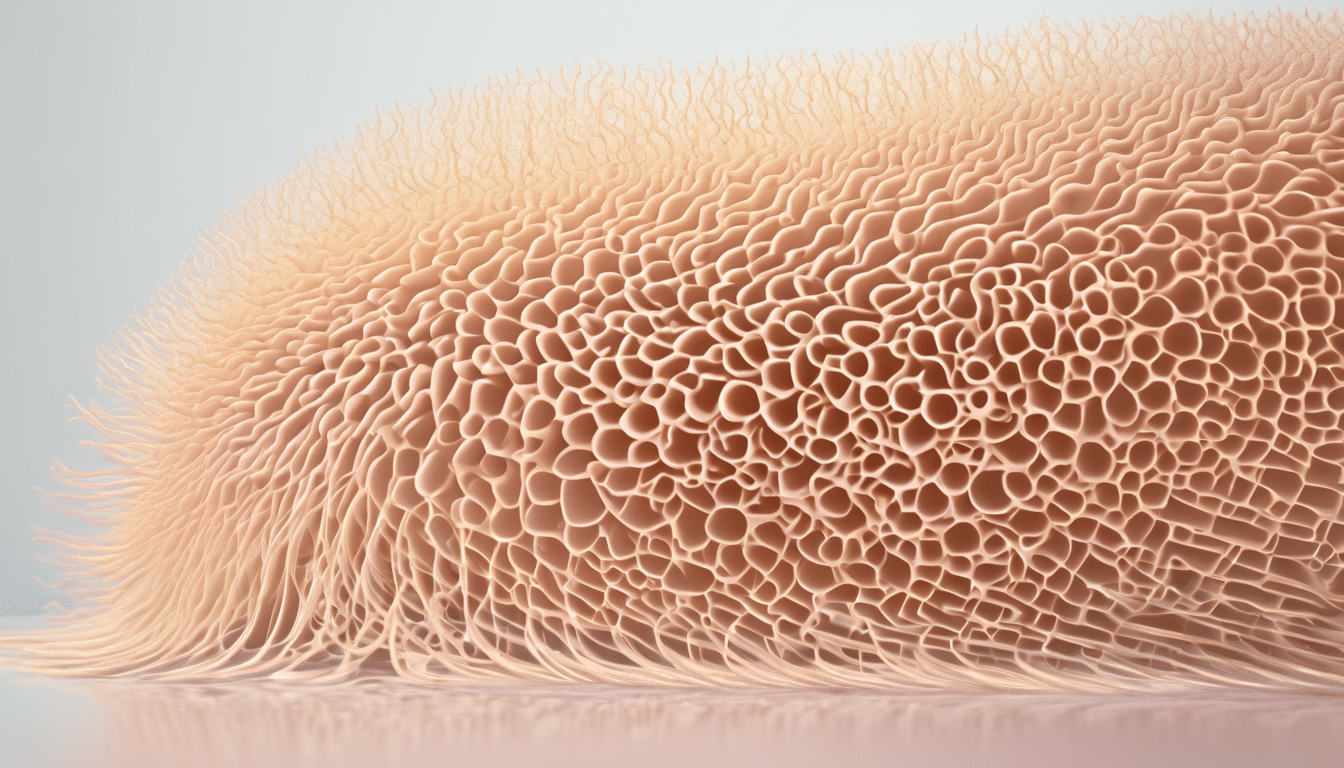
Biofilm is not a loose accumulation of dust or debris. It is a structured community of microorganisms — predominantly bacteria and fungi — that attach to a surface, secrete a protective matrix of polysaccharides and proteins, and grow in an organised colony. On an evaporator coil, this matrix anchors the colony to the aluminium fins and copper tubing, making it highly resistant to simple wiping or rinsing. When considering Coil Biofilm in UAE AC Systems: Causes and Removal, this becomes clear.
The coil surface inside a residential AC unit is an almost ideal environment for biofilm initiation. It operates at low temperatures relative to the surrounding air, which causes condensation to form continuously during cooling cycles. That moisture, combined with organic particulate drawn in from indoor air — skin cells, fabric fibres, cooking residue, and general dust — provides both the attachment surface and the nutrient supply that sustains microbial growth over time. The importance of Coil Biofilm in UAE AC Systems: Causes and Removal is evident here.
Coil biofilm in UAE AC systems tends to be denser and more established than in temperate climates because the systems never truly rest. Seasonal downtime, which allows coils to dry out and disrupts microbial cycles in other regions, does not occur here. The system runs from spring through to late autumn, sometimes year-round in coastal areas of Dubai and Abu Dhabi, which means the biofilm colony is given months of uninterrupted growing time before most homeowners consider a service. Understanding Coil Biofilm in UAE AC Systems: Causes and Removal helps with this aspect.
Coil Biofilm in UAE AC Systems: Causes and Removal – Why UAE Climate Conditions Accelerate Coil Biofilm Formation
The Gulf climate creates four specific conditions that compound biofilm risk in residential AC systems. Each one is worth understanding individually, because together they explain why coil biofilm in UAE AC systems causes and removal challenges differ substantially from what technicians encounter in European or North American residential work. Coil Biofilm in UAE AC Systems: Causes and Removal factors into this consideration.
Continuous Operation Without Dry Cycles
In a climate where indoor temperatures without air conditioning would reach 40°C or above for months at a time, residential AC systems operate continuously. The evaporator coil rarely has the opportunity to dry fully between cooling cycles. A persistently damp coil surface is a biofilm-permissive environment by definition, and UAE homes — villas, apartments, and hotel residences alike — provide exactly that condition throughout the long cooling season. This relates directly to Coil Biofilm in UAE AC Systems: Causes and Removal.
Elevated Ambient Humidity
Coastal areas across Dubai, Abu Dhabi, and Sharjah regularly experience relative humidity above 80% during summer months. When that humid external air is drawn across a cold evaporator coil, condensation is heavy and continuous. The moisture load on UAE coils is substantially higher than in dry climates, and biofilm colonies respond directly to available moisture. Higher condensation means faster microbial establishment and a denser, more tenacious biofilm layer over time. When considering Coil Biofilm in UAE AC Systems: Causes and Removal, this becomes clear.
High Particulate Infiltration
Desert dust, construction particulate from ongoing development across Dubai and the wider UAE, and sand-laden wind events throughout the year deposit organic and inorganic material on coil surfaces faster than in most other residential environments. This particulate serves as both a structural scaffold for biofilm attachment and a nutrient source that sustains microbial activity. Homes near active construction zones — a common situation across new development areas in Dubai, Sharjah, and Ras Al Khaimah — frequently show accelerated coil soiling between service intervals. The importance of Coil Biofilm in UAE AC Systems: Causes and Removal is evident here.
Sealed Indoor Environments
UAE residential design prioritises thermal sealing to manage cooling loads. The result is a low air exchange rate between indoors and outdoors, which means that whatever is circulating inside — including biofilm-derived volatile compounds and particulate shed from contaminated coil surfaces — recirculates through the system repeatedly. There is no natural dilution. The sealed indoor environment amplifies the downstream effect of coil biofilm on the air quality that occupants breathe every day. Understanding Coil Biofilm in UAE AC Systems: Causes and Removal helps with this aspect.
Coil Biofilm in UAE AC Systems: Causes and Removal – How Coil Biofilm Affects System Performance and Indoor Air Q
The practical consequences of established coil biofilm in UAE AC systems are measurable across two dimensions: system efficiency and indoor air quality. Both matter to homeowners, and the two are more closely connected than they might appear. Coil Biofilm in UAE AC Systems: Causes and Removal factors into this consideration.
On the efficiency side, biofilm on evaporator coil fins creates an insulating layer between the refrigerant and the warm air passing over the coil. Heat transfer — the fundamental mechanism of air conditioning — becomes less effective as this layer thickens. The system works harder to achieve the same set temperature, compressor run times increase, and energy consumption rises. In homes where the AC runs continuously, the cumulative energy cost of a heavily biofilm-coated coil is not negligible. This relates directly to Coil Biofilm in UAE AC Systems: Causes and Removal.
On the air quality side, biofilm colonies shed fragments, spores, and metabolic by-products into the airstream. These become part of what circulates through the duct system and into living spaces. For households with members who have respiratory sensitivities, asthma, or allergies — and this is a significant proportion of families across UAE residential communities — the presence of active biofilm on the coil contributes directly to the symptom load they experience indoors. When considering Coil Biofilm in UAE AC Systems: Causes and Removal, this becomes clear.
Odour is frequently the first signal that coil biofilm in UAE AC systems has reached a level that requires professional attention. A sour, musty, or stale smell that appears when the AC starts — particularly in the morning when the system has been off overnight — is commonly traced to active microbial colonies on or near the evaporator coil. This odour does not resolve with filter replacement or routine cleaning of the return air grille. It requires treatment at the coil itself. The importance of Coil Biofilm in UAE AC Systems: Causes and Removal is evident here.
Identifying Coil Biofilm in UAE AC Systems
Professional identification of coil biofilm goes beyond visual inspection, though visual evidence is often present in advanced cases. Technicians trained in NADCA-aligned assessment look for a combination of indicators during the coil bay inspection: discolouration of the fin surface (typically grey-green or dark brown in biofilm-positive cases), restricted airflow across the coil face measured against the system’s rated capacity, moisture patterns in the condensate tray that suggest drainage disruption, and the sensory profile of the coil bay itself. Understanding Coil Biofilm in UAE AC Systems: Causes and Removal helps with this aspect.
In residential assessments conducted by SaniHome specialists across UAE properties, coil biofilm is frequently identified in systems that have been serviced by other providers but where only surface-level cleaning was applied. A rinsed coil may look improved visually while retaining the deeper biofilm matrix within the fin stack and along the coil tubing. This is a particularly common finding in ducted split systems in Dubai villas and apartment buildings where the air handling unit is installed in a ceiling void and access is limited. Coil Biofilm in UAE AC Systems: Causes and Removal factors into this consideration.
The Professional Removal Process for Coil Biofilm in UAE AC Systems
Effective coil biofilm removal requires a systematic approach that addresses the biofilm matrix itself, not merely the visible surface soiling. The process used by trained residential AC specialists follows a documented protocol aligned with NADCA standards for coil hygiene, adapted to the access constraints and system configurations common across UAE residential properties. This relates directly to Coil Biofilm in UAE AC Systems: Causes and Removal.
Access and Containment
Before any chemical application, the coil bay must be properly accessed and the surrounding area contained. In occupied homes — which is the norm across Dubai and Abu Dhabi residential work — HEPA-filtered negative pressure containment prevents particulate and treatment aerosol from entering living spaces during the process. This step is not optional in a professional service; it protects occupants and ensures that dislodged contamination is captured rather than redistributed. When considering Coil Biofilm in UAE AC Systems: Causes and Removal, this becomes clear.
Mechanical Pre-Cleaning
Loose soiling, accumulated dust, and superficial debris are removed from the coil face using low-pressure compressed air or soft brushing before any chemical treatment is applied. Applying antimicrobial products over heavy surface soiling reduces their penetration into the biofilm matrix and limits effectiveness. Mechanical pre-cleaning is a precondition for chemical treatment to work at the depth required. The importance of Coil Biofilm in UAE AC Systems: Causes and Removal is evident here.
Antimicrobial Treatment
The core of professional coil biofilm removal is the application of a formulated antimicrobial coil cleaner designed to penetrate and disrupt the biofilm matrix. SaniHome uses Dubai Municipality approved, eco-friendly bio-sanitisers that are safe for use in occupied residential environments. These products are formulated to break down the polysaccharide matrix that protects the biofilm colony, allowing effective removal without aggressive chemical residues that could off-gas into the home after service. Understanding Coil Biofilm in UAE AC Systems: Causes and Removal helps with this aspect.
Dwell time — the period during which the product remains active on the coil surface — is specified by the product protocol and must be observed precisely. Rushing this stage is one of the most common reasons why coil biofilm in UAE AC systems causes and removal outcomes fail to deliver lasting results after lower-quality service visits. Coil Biofilm in UAE AC Systems: Causes and Removal factors into this consideration.
Rinse, Drain Tray Treatment, and Post-Service Verification
After the dwell period, the coil is rinsed to remove the emulsified biofilm and product residue. The condensate drain tray — a site of secondary biofilm accumulation that is frequently overlooked in partial service approaches — is treated separately, as biofilm in the tray will recontaminate a cleaned coil within weeks if left unaddressed. The drain line is cleared and verified to be flowing freely before the system is recommissioned. This relates directly to Coil Biofilm in UAE AC Systems: Causes and Removal.
Preventing Recurrence of Coil Biofilm in UAE Residential Systems
Removal without a prevention strategy is a temporary solution. Coil biofilm in UAE AC systems will re-establish under the same conditions that produced it initially unless those conditions are modified or a maintenance interval is in place to interrupt the growth cycle before it progresses to the stage that affects performance and air quality. When considering Coil Biofilm in UAE AC Systems: Causes and Removal, this becomes clear.
For most UAE residential systems operating through a full cooling season, a professional coil cleaning interval of every six to twelve months is appropriate — with the upper end of that range reserved for systems with better filtration, lower occupancy, or reduced particulate exposure. Systems in coastal areas of Dubai and Abu Dhabi, homes near construction activity, and households with multiple occupants or pets typically warrant the shorter interval.
Between professional service visits, maintaining clean, correctly fitted air filters, ensuring the condensate drain line is clear, and not blocking return air grilles with furniture or curtains all contribute to reducing the rate at which biofilm conditions develop on the coil surface.
Expert Takeaways for UAE Homeowners
- Coil biofilm in UAE AC systems is a climate-driven issue, not a sign of neglect — the Gulf environment accelerates its formation in ways that standard cleaning intervals do not always anticipate.
- A musty odour from the AC when it starts is one of the most reliable early indicators of active biofilm on or near the evaporator coil.
- Effective removal requires antimicrobial treatment that penetrates the biofilm matrix, not surface rinsing alone.
- The condensate drain tray must be treated as part of any coil biofilm removal service — overlooking it leads to rapid recontamination.
- Dubai Municipality approved bio-sanitisers, properly applied by trained technicians, resolve coil biofilm safely in homes where children and sensitive occupants are present.
- A documented maintenance interval is the most reliable way to prevent biofilm from reaching the stage where it visibly affects performance and air quality.
Frequently Asked Questions
What causes coil biofilm to form faster in Dubai than in other climates?
Dubai’s combination of high ambient humidity, near-continuous AC operation, and elevated particulate levels from desert dust and construction activity creates conditions that accelerate biofilm establishment on evaporator coils. The coil surface rarely dries completely between cooling cycles, which means microbial colonies are given uninterrupted growing time throughout the long UAE cooling season.
How do I know if my AC coil has biofilm and not just ordinary dust?
Ordinary dust accumulation produces reduced airflow and sometimes a stale smell. Biofilm is indicated by a persistent musty or sour odour that appears specifically when the AC starts, discolouration of the coil fin surface beyond standard grey soiling, and cooling performance that does not improve after basic filter cleaning. A professional coil inspection confirms the distinction during site assessment.
Is coil biofilm removal safe in a home with children or elderly residents?
Yes, when conducted by trained technicians using Dubai Municipality approved, eco-friendly bio-sanitisers under proper containment protocols. SaniHome specialists use residential-safe antimicrobial products formulated for occupied-home application. Occupants are advised on brief ventilation requirements after treatment, which is standard practice for all residential AC disinfection work across UAE properties.
Can I remove coil biofilm myself without a professional?
Consumer coil spray products can address light surface soiling but do not reliably penetrate the structured biofilm matrix established in UAE residential systems operating through a full cooling season. Professional removal involves mechanical pre-cleaning, formulated antimicrobial treatment with correct dwell times, HEPA-contained particulate capture, and drain tray treatment — steps that require specialist equipment and training to perform safely and effectively.
How often should coil biofilm removal be carried out in Dubai apartments?
Most Dubai apartment AC systems benefit from professional coil cleaning every six to twelve months, depending on occupancy level, filtration quality, and proximity to particulate sources such as construction activity or coastal humidity. Systems showing odour, reduced cooling output, or visible fin discolouration between scheduled intervals should be assessed sooner rather than waiting for the next scheduled service date.
Does coil biofilm affect energy consumption in UAE homes?
Yes. The biofilm layer on evaporator coil fins acts as an insulating barrier between the refrigerant and the warm air passing over the coil, reducing heat transfer efficiency. The system compensates by running the compressor for longer periods to achieve the set temperature, which increases electricity consumption. Restoring a clean coil surface is one of the more direct ways to improve system efficiency in continuously operating UAE residential AC units.
Will treating the coil alone solve a persistent musty smell from my AC in Abu Dhabi or Sharjah?
Coil treatment resolves the most common source of musty AC odour, but a complete resolution requires that the condensate drain tray and drain line are also treated during the same service visit. Biofilm in the tray will recontaminate a cleaned coil within weeks. In some cases, duct soiling downstream of the coil also contributes to persistent odour and warrants inspection as part of a system-level assessment.
Conclusion
Coil biofilm in UAE AC systems causes and removal is not a marginal concern for the residential sector. It is a direct consequence of the Gulf climate acting on systems that run continuously, in sealed homes, through months of heat and humidity. Understanding what biofilm is, why it forms faster here than in other regions, and what professional removal actually involves gives homeowners the context they need to make informed decisions about how their systems are maintained.
The difference between a system with established coil biofilm and one that has been properly cleaned and maintained is not always visible — but it is consistently felt, in the air quality of the rooms your family occupies every day. If the time is right to assess the condition of your coil and the broader AC system in your UAE home, SaniHome specialists are available across all seven emirates to conduct a professional inspection and recommend the appropriate course of action. Understanding Coil Biofilm in UAE AC Systems: Causes and Removal is key to success in this area.