


Combat Mold In School: Humidity Control Techniques To
—
TITLE—
Humidity Control Techniques to Combat Mold in Schools: A Comprehensive Guide for Abu Dhabi and UAE
—
META—
Understanding Humidity Control Techniques to combat mold in schools is crucial for maintaining clean indoor air quality. This guide provides practical solutions for Abu Dhabi, Dubai, Sharjah, Ajman, Fujairah, Ras Al Khaimah, ensuring healthier learning environments.
—
EXCERPT—
Mold growth can significantly impact the health and well-being of students and staff in school buildings. In this article, we explore effective Humidity Control Techniques to combat mold in schools based on real-world case studies from Abu Dhabi, Dubai, and other regions in the UAE. Learn how proper maintenance and management strategies can help create a healthier indoor environment.
—
CONTENT—
Introduction
Contents
- 1 Introduction
- 2 Understanding Humidity Control Techniques to Combat Mold in Schools
- 3 Humidity Control Techniques To Combat Mold In School – Case Study of a Dubai School
- 4 Humidity Control Techniques To Combat Mold In School – Implementing Humidity Control Measures
- 5 Maintenance Schedule for Air Handling Units
- 6 Air Filter Replacement and Disinfection
- 7 Dehumidification Systems in Schools
- 8 Monitoring Indoor Air Quality
- 9 Expert Tips for Mold Prevention
- 10 Frequently Asked Questions (FAQs)
- 11 Conclusion
Humidity levels play a crucial role in determining the growth of mold within school buildings. High humidity creates an ideal environment for fungi to thrive, leading to poor air quality and potential health issues among students and staff. This article delves into the challenges faced by schools in combating mold, focusing on practical solutions based on real-world case studies from Abu Dhabi, Dubai, Sharjah, and other regions.
Understanding Humidity Control Techniques to Combat Mold in Schools
High humidity levels, often due to year-round air conditioning use and local climatic conditions, create an environment conducive to mold growth. In Dubai’s climate, this typically leads to increased moisture content in the air, making it essential to implement effective Humidity Control Techniques.
The Impact of Mold on Health
Mold exposure can cause various health issues such as respiratory problems, allergies, and asthma. In schools, where children are more vulnerable due to their developing immune systems, the presence of mold can have significant long-term consequences.
Humidity Control Techniques To Combat Mold In School – Case Study of a Dubai School
At Al Khaleej Primary School in Dubai, the principal noticed persistent musty odors and visible signs of mold growth. After consulting with an Indoor Air Quality specialist, it was determined that high humidity levels were the primary cause. This relates directly to Humidity Control Techniques To Combat Mold In School.
The Solution
The school implemented a comprehensive humidity control strategy, including regular dehumidification system maintenance, improved air filtration, and enhanced monitoring of indoor air quality. As a result, mold growth significantly reduced, and the overall indoor environment became healthier for students and staff.
Humidity Control Techniques To Combat Mold In School – Implementing Humidity Control Measures
Effective humidity control requires a multi-faceted approach. Key steps include regular maintenance of air handling units (AHUs), proper air filter replacement, and the installation of dehumidification systems.
Regular Maintenance of Air Handling Units
Air handling units should be inspected and maintained at least twice a year. This includes cleaning coils, drain pans, and other internal components to prevent the buildup of mold and bacteria. When considering Humidity Control Techniques To Combat Mold In School, this becomes clear.
Maintenance Schedule for Air Handling Units
- Inspect filters monthly and replace as needed.
- Clean coils and drain pans quarterly.
- Check for water leaks and address any issues immediately.
- Lubricate moving parts bi-annually to ensure smooth operation.
Air Filter Replacement and Disinfection
Using high-efficiency air filters can significantly reduce airborne contaminants. Additionally, regular disinfection of the HVAC system ensures that any mold spores are eliminated.
Disinfecting the HVAC System
- Use human-safe disinfectants to clean evaporator coils and other internal components.
- Apply a biocide treatment during maintenance intervals to prevent future mold growth.
- Ensure proper ventilation when using chemical treatments.
Dehumidification Systems in Schools
In areas with high humidity, dehumidification systems can be installed to maintain optimal indoor air quality. These systems work by removing excess moisture from the air, thus reducing the risk of mold growth.
Choosing the Right Dehumidifier
- Consider the size and type of space being treated.
- Select a dehumidifier with a capacity to handle the specific humidity levels in your area.
- Evaluate energy efficiency ratings for long-term savings.
Monitoring Indoor Air Quality
Regular monitoring of indoor air quality is essential to ensure that humidity and mold levels remain within acceptable limits. This can be achieved through the use of professional equipment or by integrating sensors into existing HVAC systems. The importance of Humidity Control Techniques To Combat Mold In School is evident here.
Using IAQ Sensors
- Place sensors in key areas of the school to measure relative humidity and temperature.
- Analyze data regularly to identify trends and make adjustments as necessary.
- Alert staff to any issues detected by the sensors immediately.
Expert Tips for Mold Prevention
To ensure long-term prevention of mold growth, follow these expert tips:
- Regularly inspect and clean AC systems to prevent moisture accumulation.
- Use high-quality air filters and replace them as recommended by the manufacturer.
- Implement a dehumidification strategy that fits your school’s specific needs.
- Monitor indoor air quality regularly to catch issues early.
- Train staff and maintenance personnel on proper Humidity Control Techniques.
Frequently Asked Questions (FAQs)
- Q: How often should I clean my AC system? A: At least twice a year, or as recommended by the manufacturer.
- Q: Can I use home dehumidifiers instead of professional systems? A: Home dehumidifiers may not be sufficient for large spaces; professional systems are often necessary.
- Q: What signs should I look out for that indicate mold growth? A: Musty odors, visible mold spots, and persistent water stains on walls or ceilings can all indicate mold growth.
Conclusion
Effective Humidity Control Techniques are essential to combat mold in school environments. By implementing a comprehensive strategy that includes regular maintenance of air handling units, proper air filter replacement, and the use of dehumidification systems, schools can significantly reduce the risk of mold growth and improve indoor air quality for students and staff.
—
TAGS—
humidity control, mold prevention, indoor air quality, HVAC maintenance, school health
—
ALT_TEXT—
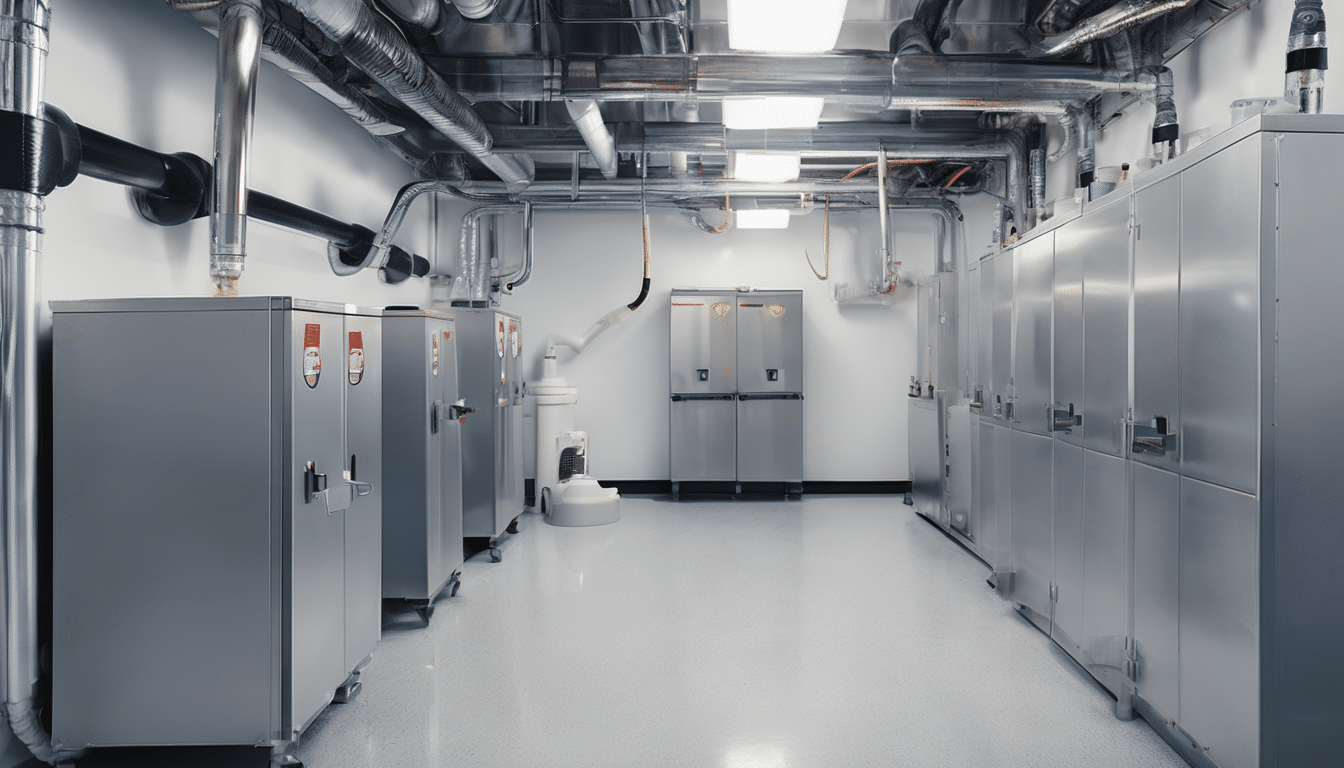
Humidity Control Techniques to Combat Mold in School – Comprehensive guide with practical tips for Abu Dhabi, Dubai, Sharjah, Ajman, Fujairah, Ras Al Khaimah schools.



Leave a Reply