

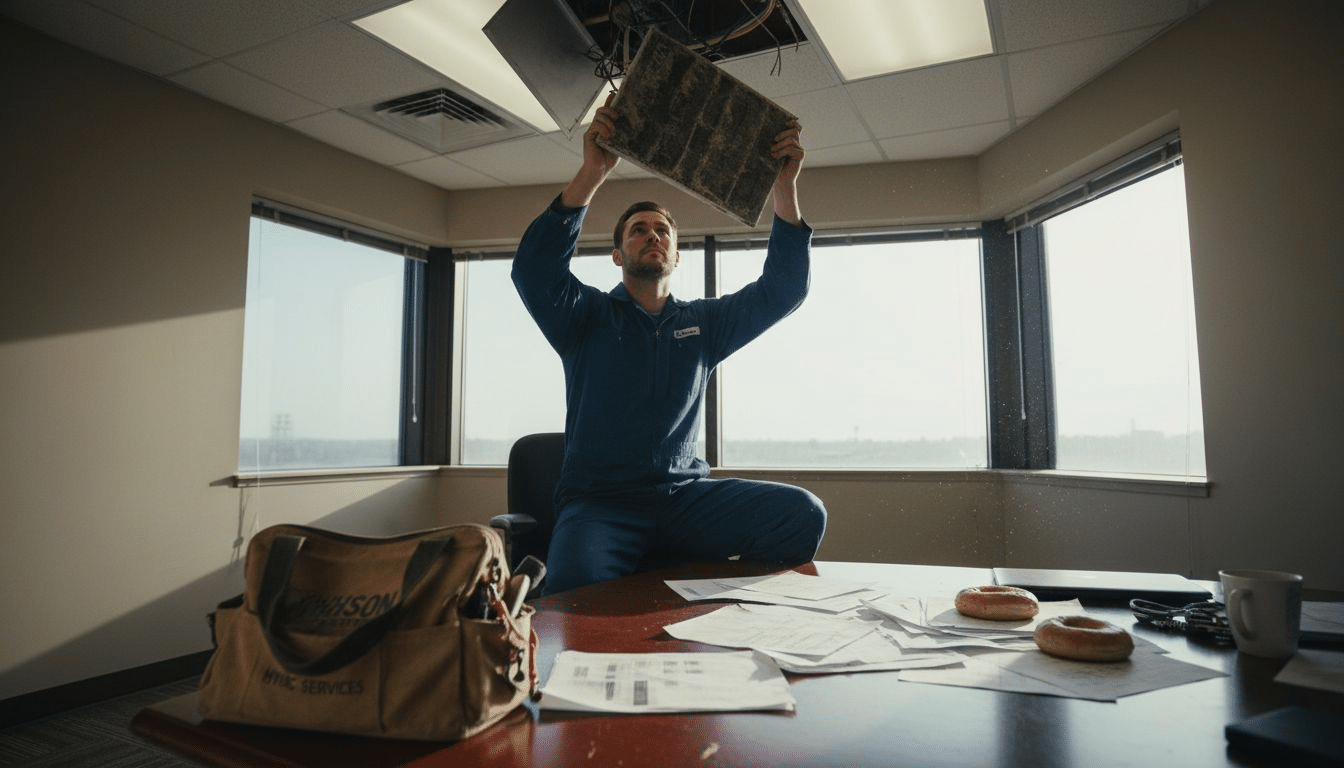
Why Commercial AC Disinfection Matters for Health
Indoor air quality can make or break the reputation of luxury commercial properties in Dubai, yet many facility managers underestimate the invisible dangers within their AC systems. American environmental studies reveal that poorly maintained air conditioning can harbor and spread serious microbial threats, raising health risks for every occupant. Understanding advanced AC disinfection practices offers a clear path to safer spaces and exceptional air quality that sets your property apart from the competition.
Table of Contents
Contents
- 1 Table of Contents
- 2 Key Takeaways
- 3 Defining Commercial AC Disinfection Practices
- 4 Key Variations in AC Disinfection Methods
- 5 How Professional AC Disinfection Works
- 6 Impact on Indoor Air Quality and Health
- 7 Financial, Regulatory, and Longevity Benefits
- 8 Risks of Neglecting AC Disinfection
- 9 Protect Your Commercial Space with Expert AC Disinfection from Saniservice
- 10 Frequently Asked Questions
- 11 Recommended
- Defining Commercial AC Disinfection Practices
- Key Variations in AC Disinfection Methods
- How Professional AC Disinfection Works
- Impact on Indoor Air Quality and Health
- Financial, Regulatory, and Longevity Benefits
- Risks of Neglecting AC Disinfection
Key Takeaways
| Point | Details |
|---|---|
| Comprehensive AC Disinfection | Effective commercial AC disinfection requires advanced techniques to eliminate bacteria, viruses, and fungi, ensuring indoor air quality and occupant safety. |
| Diverse Methods Available | Various disinfection methods, both chemical and physical, should be strategically selected based on the specific environment and contaminants present. |
| Impact on Health and Performance | Regular professional AC disinfection significantly reduces health risks, enhances employee well-being, and improves overall organizational productivity. |
| Financial and Longevity Benefits | Investing in AC disinfection leads to cost savings through reduced equipment failures and extended system lifespan, while ensuring regulatory compliance. |
Defining Commercial AC Disinfection Practices
Commercial AC disinfection represents a comprehensive approach to maintaining indoor air quality and preventing the spread of harmful microorganisms in professional environments. At its core, this practice involves systematically eliminating bacterial, viral, and fungal contaminants that can accumulate within air conditioning systems, particularly in complex commercial settings like office buildings, healthcare facilities, and hospitality spaces across Dubai.
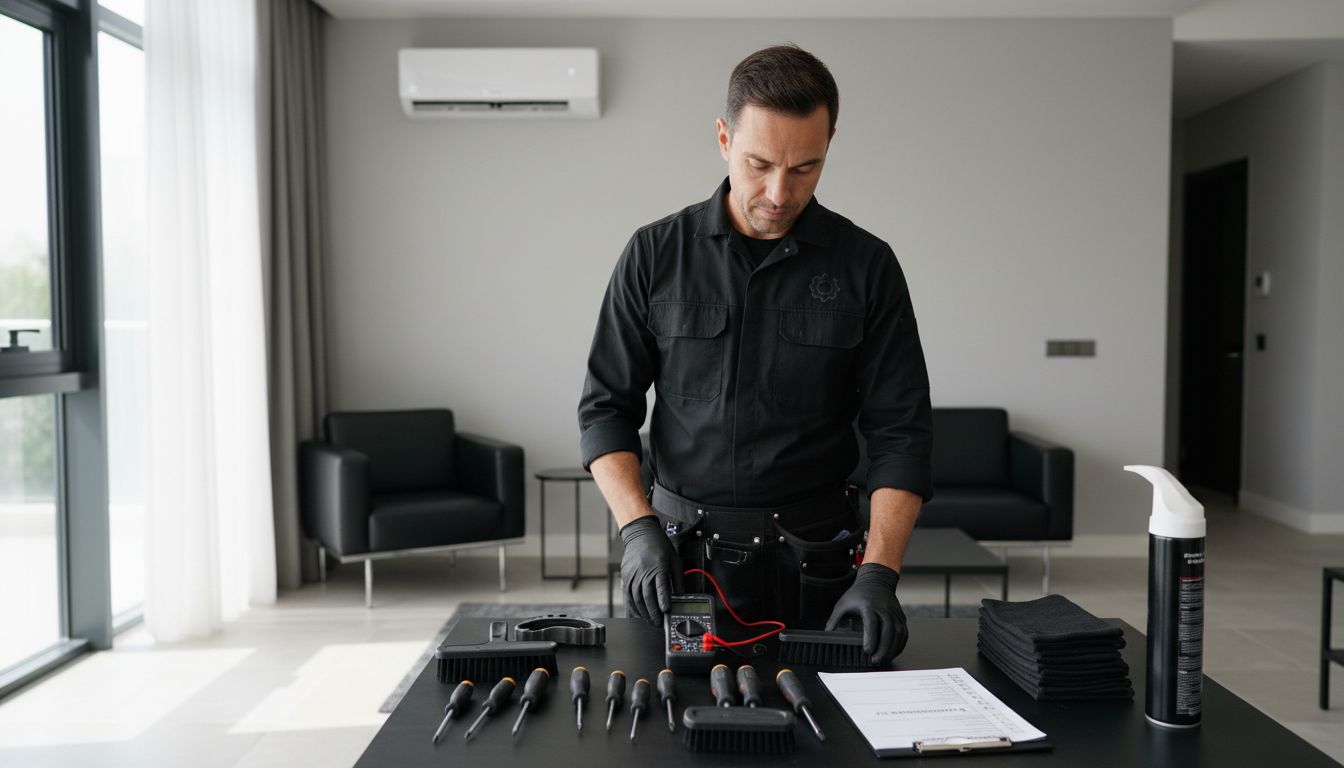
The process of commercial AC disinfection goes far beyond simple surface cleaning. Advanced sterilization techniques involve intricate methods targeting microbial colonies throughout the entire HVAC system. These techniques include specialized chemical treatments, ultraviolet germicidal irradiation, and precision-engineered biosanitisation protocols designed to neutralize pathogens at their source. Professionals like those at SaniAC by Saniservice utilize multistep approaches that systematically address:
- Complete system component disassembly
- Microscopic biofilm removal
- Hospital-grade disinfectant application
- Comprehensive microbial load reduction
- Post-treatment contamination verification
Understanding the nuanced mechanisms of these disinfection practices is crucial. Scientific reviews examining indoor environmental controls reveal that effective AC disinfection requires more than superficial cleaning. It demands a scientific approach that comprehensively addresses microbial ecosystems within complex mechanical systems. Modern commercial disinfection strategies now integrate advanced technologies like HEPA filtration, photocatalytic oxidation, and precision-targeted antimicrobial treatments to ensure maximum pathogen elimination.
Pro Tip for AC Professionals: Always conduct a comprehensive microbial assessment before disinfection to customize your treatment protocol, ensuring targeted and maximum effectiveness against specific contaminant profiles in each unique commercial environment.
Key Variations in AC Disinfection Methods
Commercial air conditioning disinfection encompasses a diverse range of sophisticated techniques designed to address the complex microbial challenges in modern indoor environments. Each method offers unique advantages and targets specific types of contaminants, making the selection process critical for effective environmental hygiene.
Comparative analysis of disinfection techniques reveals multiple strategic approaches to eliminating harmful microorganisms within HVAC systems. These methods can be broadly categorized into several primary variations:
- Chemical Disinfection Methods
- Liquid chemical sanitizers
- Chlorine-based solutions
- Quaternary ammonium compounds
- Hydrogen peroxide treatments
- Physical Disinfection Technologies
- Ultraviolet (UV) germicidal irradiation
- High-efficiency particulate air (HEPA) filtration
- Photocatalytic oxidation systems
- Electrostatic air purification
Ultraviolet technologies represent a particularly innovative approach to AC disinfection. Advanced UV lamp and LED systems offer remarkable efficiency in neutralizing airborne pathogens without introducing additional chemical compounds. These systems utilize specific wavelengths of ultraviolet light to disrupt microbial DNA structures, effectively preventing reproduction and eliminating potential health risks.
The selection of an appropriate disinfection method depends on multiple factors, including the specific environment, contaminant types, system complexity, and regulatory compliance requirements. Professionals must carefully evaluate each technique’s strengths and limitations to develop a comprehensive and targeted disinfection strategy that ensures optimal indoor air quality and system performance.
Here’s a comparison of chemical and physical AC disinfection methods and their unique benefits:
| Method Type | Key Technologies | Targeted Contaminants | Unique Benefit |
|---|---|---|---|
| Chemical Disinfection | Quaternary compounds, hydrogen peroxide | Bacteria, viruses | Wide-spectrum antimicrobial |
| Physical Disinfection | UV-C irradiation, HEPA filtration | Airborne pathogens | No chemical byproducts |
Pro Tip for Facility Managers: Conduct a comprehensive microbial assessment before implementing any disinfection method to precisely identify the specific pathogens present and select the most effective targeted approach for your unique commercial environment.
How Professional AC Disinfection Works
Professional AC disinfection represents a meticulously structured process that transforms contaminated air conditioning systems into sanitized, health-protective environments. Unlike standard cleaning approaches, this comprehensive method involves sophisticated scientific protocols designed to eliminate microbial threats at their source.
Professional disinfection procedures typically involve a systematic, multi-stage approach that addresses every component of the air conditioning system. The process encompasses several critical steps:
- Initial System Assessment
- Comprehensive microbial contamination mapping
- Identification of specific pathogen types
- Assessment of system complexity and contamination levels
- Preparatory Cleaning Stages
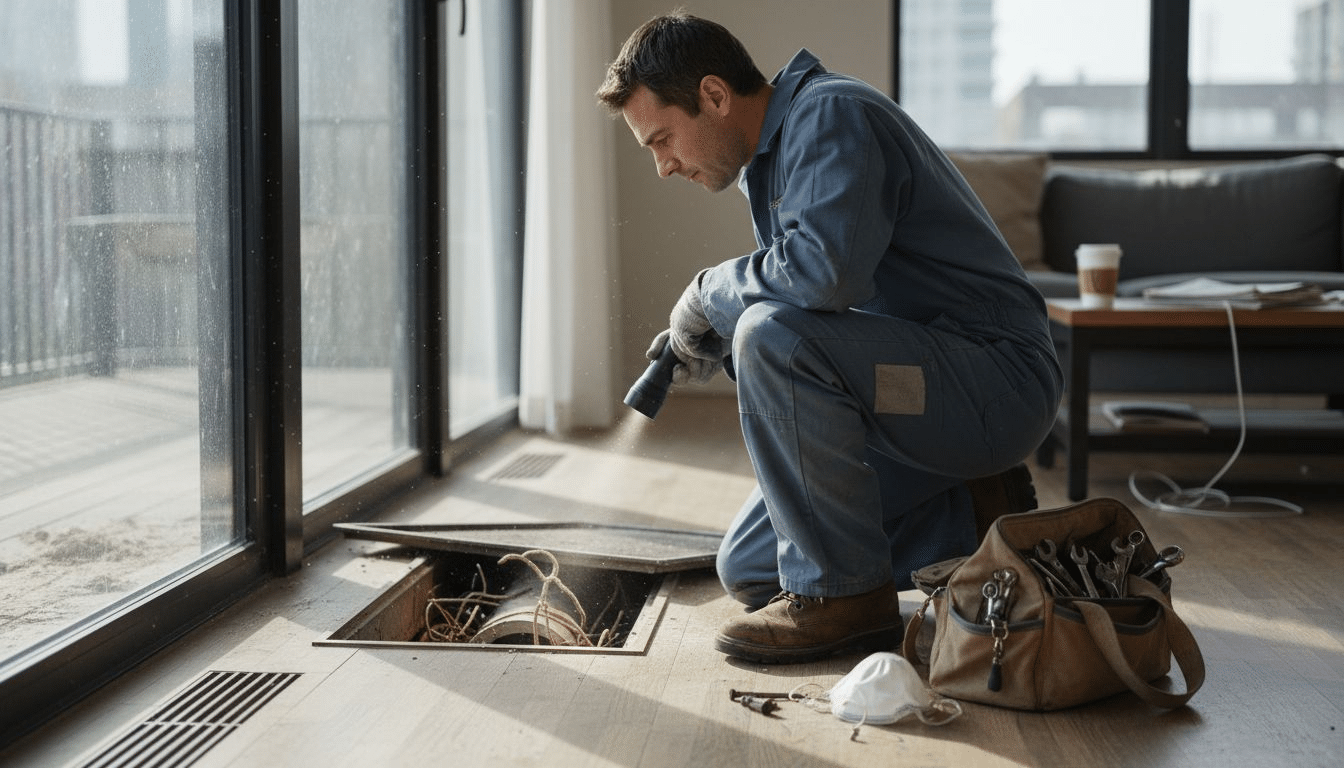
- Complete system component disassembly
- Mechanical debris and dust removal
- Detailed surface preparation for sanitization
- Targeted Disinfection Protocols
- Application of hospital-grade antimicrobial agents
- Precision treatment of individual system components
- Neutralization of bacterial, viral, and fungal populations
UV-C disinfection techniques have emerged as a particularly advanced method for neutralizing airborne microorganisms. These systems utilize specific ultraviolet wavelengths to systematically destroy microbial DNA structures, preventing reproduction and effectively eliminating potential health risks without introducing additional chemical compounds.
The final stages of professional AC disinfection involve rigorous verification and documentation. Technicians conduct comprehensive post-treatment testing to confirm the complete elimination of microbial populations, ensuring that the air conditioning system meets the highest standards of hygiene and safety for commercial environments.
Pro Tip for Facility Management: Request detailed documentation and microbial testing results after each AC disinfection service to maintain a verifiable record of your indoor environmental health standards.
Impact on Indoor Air Quality and Health
Indoor air quality represents a critical yet often overlooked aspect of public health, with air conditioning systems playing a pivotal role in determining the microbial landscape of commercial and residential environments. The intricate relationship between HVAC systems and human health extends far beyond basic temperature regulation, encompassing complex interactions that can significantly influence respiratory wellness and overall physiological function.
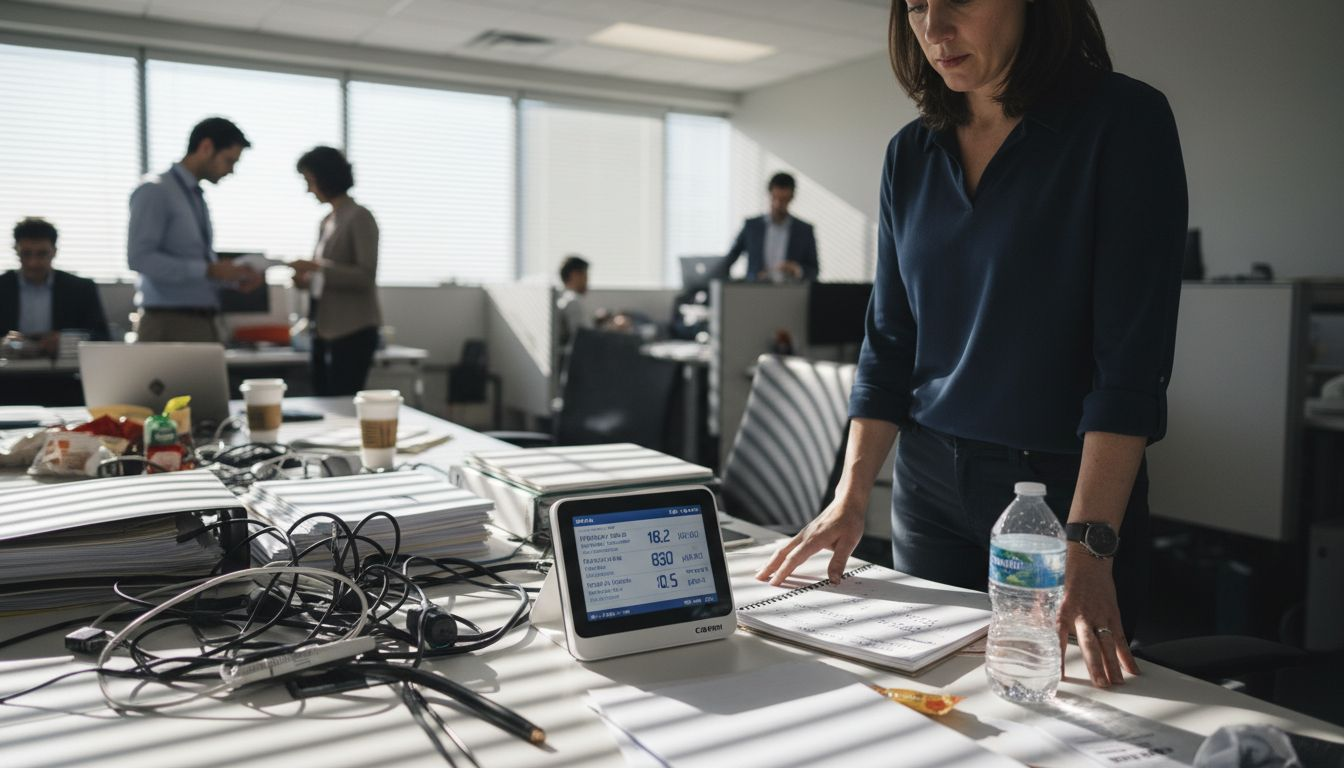
Comprehensive microbial contamination research reveals that unmanaged air conditioning systems can become breeding grounds for potentially harmful microorganisms. These invisible ecosystems harbor bacteria, viruses, fungi, and other microscopic agents that can rapidly proliferate and circulate throughout indoor spaces, presenting substantial health risks to occupants. The accumulation of these microbial populations can trigger a range of respiratory and immunological responses, from mild allergic reactions to more severe inflammatory conditions.
The potential health implications are particularly pronounced in commercial settings where large numbers of people congregate. Epidemiological studies examining air conditioning systems have consistently demonstrated that neglected HVAC systems can increase infection transmission rates. Key health risks associated with poor indoor air quality include:
- Respiratory tract infections
- Exacerbation of asthma and allergic conditions
- Increased susceptibility to viral and bacterial transmissions
- Potential neurological and inflammatory responses
- Compromised immune system functioning
Ultimately, professional AC disinfection serves as a critical intervention strategy, transforming potentially hazardous indoor environments into healthier, safer spaces. By systematically eliminating microbial contaminants and implementing rigorous cleaning protocols, facilities can significantly mitigate health risks and create environments that support occupant well-being.
Pro Tip for Health Conscious Individuals: Request comprehensive air quality testing and detailed disinfection reports to understand the specific microbial challenges in your indoor environment and develop targeted intervention strategies.
Financial, Regulatory, and Longevity Benefits
Professional AC disinfection represents a strategic investment that transcends simple maintenance, offering multifaceted benefits that impact organizational financial performance, regulatory compliance, and long-term operational sustainability. Commercial facilities in Dubai increasingly recognize that proactive HVAC system management is not an expense, but a critical risk mitigation strategy with substantial economic implications.
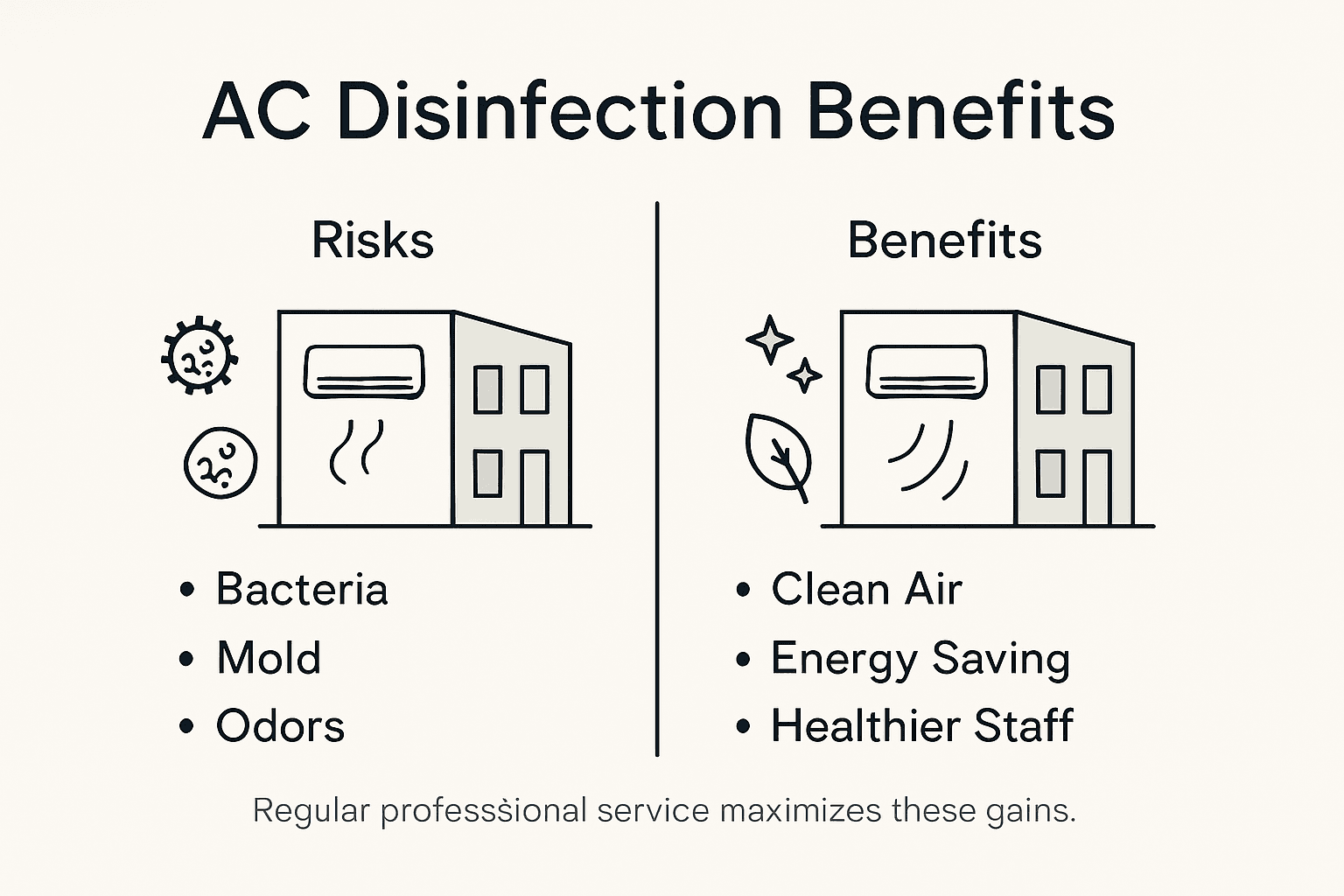
Comprehensive global surveys of disinfection practices demonstrate that systematic cleaning and disinfection programs deliver significant financial advantages. These advantages manifest through multiple channels:
Financial Benefits:
- Reduced equipment replacement costs
- Lower energy consumption
- Minimized unexpected system breakdowns
- Extended HVAC system lifespan
- Prevention of costly productivity interruptions
Regulatory Compliance Benefits:
- Adherence to health and safety standards
- Documentation of maintenance protocols
- Demonstrated commitment to workplace environmental quality
- Mitigation of potential legal and insurance risks
- Alignment with international indoor air quality guidelines
The economic rationale for professional AC disinfection becomes particularly compelling when considering the potential consequences of neglect. A single unaddressed microbial contamination incident can result in substantially higher remediation expenses, potential legal liabilities, and significant operational disruptions. By implementing proactive disinfection strategies, organizations transform potential financial vulnerabilities into structured, predictable maintenance expenditures.
Longevity benefits extend beyond immediate financial considerations. Regular professional disinfection helps preserve critical HVAC infrastructure, preventing premature system degradation and maintaining optimal mechanical performance. This approach represents a sophisticated asset management strategy that protects capital investments while simultaneously ensuring superior indoor environmental conditions.
This summary table highlights how AC disinfection impacts health, costs, and longevity:
| Impact Area | Positive Outcome | Business Value |
|---|---|---|
| Health | Reduced infection risk | Improved staff well-being |
| Financial | Fewer emergency repairs | Lower operational costs |
| Longevity | Extended HVAC lifespan | Protected capital investments |
Pro Tip for Financial Managers: Develop a comprehensive preventative maintenance budget that includes professional AC disinfection as a strategic investment, not merely an operational expense, to maximize long-term financial efficiency.
Risks of Neglecting AC Disinfection
Neglecting air conditioning disinfection represents a significant and often underestimated health risk for commercial environments, particularly in densely populated urban centers like Dubai. The consequences of improper AC maintenance extend far beyond simple mechanical performance, creating potential breeding grounds for dangerous microbial ecosystems that can compromise occupant health and organizational productivity.
Epidemiological research on air conditioning systems reveals multiple critical risks associated with neglected HVAC infrastructure. The primary dangers include:
Microbial Transmission Risks:
- Rapid proliferation of bacteria and viruses
- Enhanced pathogen circulation through ventilation systems
- Increased respiratory infection transmission rates
- Potential development of antibiotic-resistant microorganism colonies
Health and Performance Consequences:
- Compromised immune system functioning
- Higher rates of workplace absenteeism
- Reduced cognitive performance
- Potential long-term respiratory complications
- Elevated risk of chronic inflammatory responses
The microscopic environment within uncleaned air conditioning systems represents a complex biological ecosystem where harmful microorganisms can thrive. Biofilms develop on internal surfaces, creating robust microbial communities that resist standard cleaning techniques and continuously release spores and particulates into circulated air. These contaminated environments can transform air conditioning systems from temperature regulation mechanisms into potential disease transmission vectors.
Beyond immediate health concerns, neglected AC systems generate substantial financial and operational risks. The potential economic impact includes increased equipment maintenance costs, unexpected system failures, reduced energy efficiency, and potential legal liabilities arising from demonstrable health hazards. Organizations that defer professional disinfection essentially gamble with their infrastructure, employee wellness, and institutional reputation.
Pro Tip for Risk Management: Schedule quarterly comprehensive AC disinfection assessments to proactively identify and mitigate potential microbial contamination before it develops into a more serious systemic health risk.
Protect Your Commercial Space with Expert AC Disinfection from Saniservice
The article highlights the hidden dangers lurking inside commercial air conditioning systems that can compromise indoor air quality and occupant health. Microbial contamination like bacteria, mold, viruses, and allergens thrive in neglected AC systems, increasing the risk of respiratory infections and costly facility downtime. If you want to safeguard your organization’s health environment and extend the lifespan of your HVAC system, it is crucial to implement professional, scientifically backed disinfection protocols.
At Saniservice, Dubai’s trusted leader in AC cleaning and disinfection, we address these challenges head-on by combining cutting-edge microbiology expertise with NADCA-certified technicians. Our detailed approach involves deep cleaning and disinfection of every component using chemical-free, hospital-grade biosanitisers proven to eliminate harmful contaminants. Discover real-world success stories demonstrating how our science-driven solutions have transformed indoor air for clients by exploring our Case Studies – Saniservice AC Cleaning.
Take charge of indoor health today by choosing comprehensive preventative maintenance from our AC Cleaning & Maintenance – Saniservice AC Cleaning services. Acting now with Saniservice ensures safer air quality, greater energy efficiency, and peace of mind for your commercial environment. Visit https://saniacservice.com to schedule your professional assessment and secure a cleaner, healthier space.
Frequently Asked Questions
What is commercial AC disinfection?
Commercial AC disinfection is a systematic process designed to eliminate harmful microorganisms, such as bacteria, viruses, and fungi, from air conditioning systems in commercial environments. It involves advanced techniques and thorough cleaning protocols to ensure optimal indoor air quality.
Why is AC disinfection important for health?
AC disinfection is crucial for maintaining healthy indoor air quality. Neglected air conditioning systems can harbor harmful microorganisms that may cause respiratory infections, exacerbate allergies, and compromise overall occupant health.
What methods are used for commercial AC disinfection?
Common methods include chemical disinfection with hospital-grade sanitizers, ultraviolet (UV) germicidal irradiation, and high-efficiency particulate air (HEPA) filtration. Each method targets specific contaminants and offers unique benefits for effective disinfection.
How often should professional AC disinfection be performed?
It is recommended to conduct professional AC disinfection assessments at least quarterly. This proactive approach helps identify and mitigate microbial contamination before it poses significant health risks to occupants.
Recommended
- How to Select AC Disinfection Services for Optimal Results
- 7 Key Benefits of AC Disinfection for Healthier Properties
- Best Air Duct Cleaning Companies Near Me – Expert Comparison 2025 – Saniservice AC Cleaning
- Why AC Cleaning Matters for Commercial Buildings
- Mold Damage Claim Experts | Home And Business | Atlanta Public Adjusters
- 7 Essential Types of Commercial Cleaning Explained


Leave a Reply