

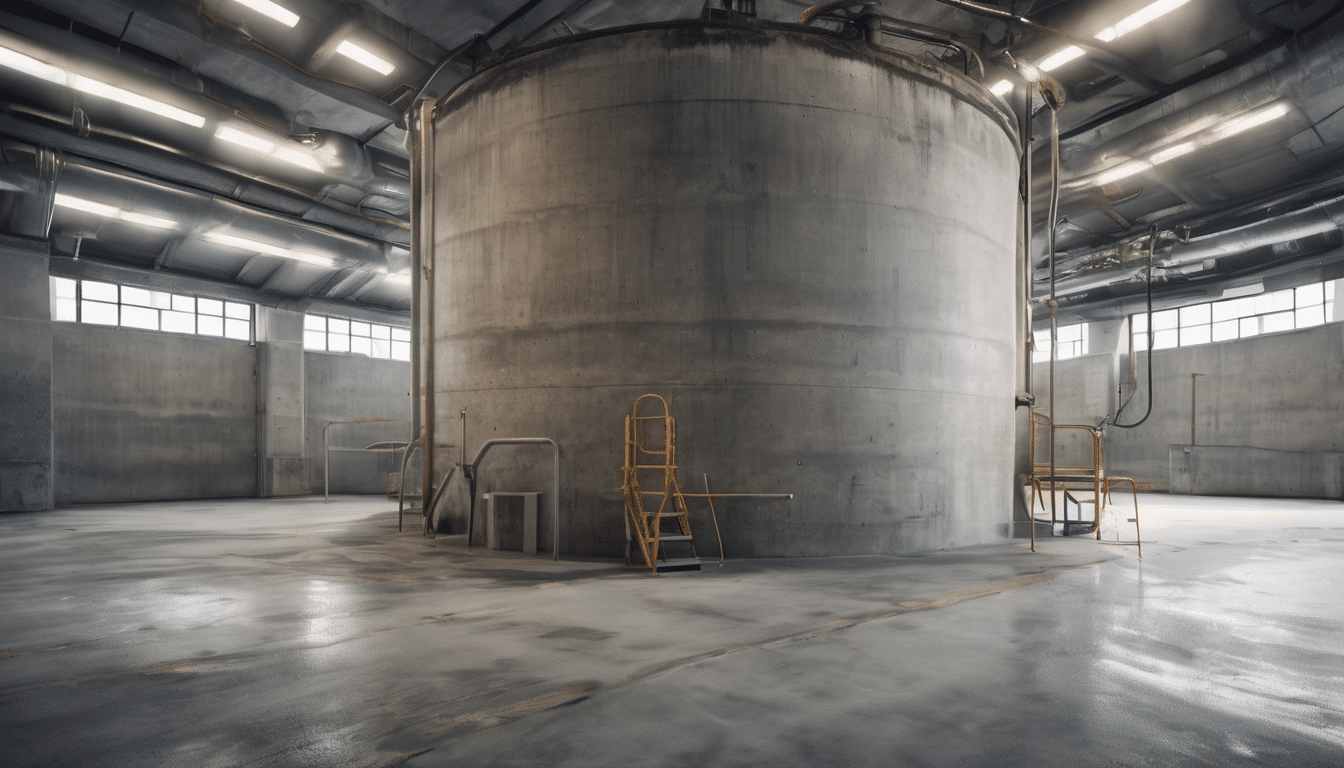
Concrete Tank Cleaning: Best Practices for Concrete Tank
Concrete water storage tanks are fundamental infrastructure components throughout the UAE, from Dubai’s high-rise residential towers to Abu Dhabi’s commercial complexes and Sharjah’s industrial facilities. Maintaining these systems requires specialised knowledge of Best Practices for concrete tank cleaning & disinfection that account for the region’s unique environmental conditions. The extreme heat, high humidity, and airborne sand particulates common across the Emirates create specific challenges that demand tailored approaches to water tank maintenance.
Implementing proper best practices for concrete tank cleaning & disinfection isn’t merely about cleanliness—it’s about ensuring water safety, preventing bacterial growth, and maintaining structural integrity. In the UAE’s climate, where temperatures regularly exceed 40°C and humidity levels can promote microbial activity, neglecting these procedures can lead to serious health risks and system failures. This comprehensive guide draws on regional expertise to provide property owners, facility managers, and maintenance professionals with the knowledge needed to maintain compliant and safe water storage systems.
The following sections detail every aspect of implementing effective best practices for concrete tank cleaning & disinfection, from initial assessment and safety preparations through to final disinfection and ongoing maintenance schedules. Whether you’re responsible for a small residential building in Ajman or a large commercial facility in Ras Al Khaimah, these protocols will help you maintain water quality standards that meet UAE regulatory requirements while protecting occupant health.
Understanding Best Practices for Concrete Tank Cleaning & Disinfection
Contents
- 1 Understanding Best Practices for Concrete Tank Cleaning & Disinfection
- 2 Best Practices For Concrete Tank Cleaning & Disinfection – Pre-Cleaning Assessment and Safety Preparations
- 3 Best Practices For Concrete Tank Cleaning & Disinfection – Draining and Initial Cleaning Procedures
- 4 Mechanical Cleaning and Decontamination Techniques
- 5 Disinfection Methods and Chemical Selection
- 6 Rinse and Water Quality Testing
- 7 Preventive Maintenance and Monitoring Schedules
- 8 Regulatory Compliance and Documentation
- 9 Common Mistakes and How to Avoid Them
- 10 Expert Tips for Concrete Tank Maintenance
- 11 Frequently Asked Questions
- 11.1 How often should concrete water tanks be cleaned in the UAE?
- 11.2 What are the signs that a concrete tank needs cleaning?
- 11.3 Can concrete tanks be cleaned without completely draining them?
- 11.4 How long does the cleaning process typically take?
- 11.5 What qualifications should cleaning professionals have?
Implementing proper best practices for concrete tank cleaning & disinfection begins with understanding why these procedures are critically important in the UAE context. Concrete tanks, while durable and cost-effective, are porous surfaces that can harbour bacteria, algae, and sediment accumulation. The region’s high temperatures accelerate bacterial growth, while seasonal sandstorms introduce particulate matter that settles in storage systems. These factors combine to create an environment where regular, thorough cleaning isn’t optional—it’s essential for public health protection.
The fundamental principles behind effective best practices for concrete tank cleaning & disinfection involve mechanical removal of accumulated debris, chemical treatment to eliminate microorganisms, and verification through water quality testing. Unlike metal tanks, concrete requires specific attention to surface porosity, potential leaching issues, and pH balancing. Professional implementation of best practices for concrete tank cleaning & disinfection ensures that cleaning agents don’t compromise the structural integrity of the tank while effectively eliminating contaminants.
In Dubai and Abu Dhabi, where municipal regulations strictly govern water storage maintenance, adhering to established best practices for concrete tank cleaning & disinfection isn’t just about best practice—it’s about legal compliance. Facilities that neglect these protocols risk substantial fines and, in severe cases, operational shutdowns. The following sections detail how to implement these procedures correctly, ensuring both regulatory compliance and optimal water safety standards.
Best Practices For Concrete Tank Cleaning & Disinfection – Pre-Cleaning Assessment and Safety Preparations
Before initiating any cleaning procedures, a thorough assessment forms the foundation of proper best practices for concrete tank cleaning & disinfection. This process involves inspecting the tank’s structural condition, identifying potential contamination sources, and evaluating access points. In UAE facilities, this assessment should specifically check for sand accumulation, calcium deposits from hard water, and any signs of bacterial or algal growth that thrive in warm conditions.
Safety preparations are non-negotiable when implementing best practices for concrete tank cleaning & disinfection. Confined space entry protocols must be strictly followed, including atmospheric testing for oxygen levels and hazardous gases. Proper personal protective equipment including harnesses, respirators, and chemical-resistant clothing is essential. For facilities in Sharjah and Ajman, where tank access might be particularly challenging in older buildings, additional safety measures may be required.
Equipment preparation is equally critical to successful best practices for concrete tank cleaning & disinfection. This includes high-pressure washing systems rated for concrete surfaces, industrial-grade vacuum systems for sediment removal, and appropriate chemical dosing equipment. All equipment should be calibrated and inspected before beginning the cleaning process to ensure efficiency and safety throughout the procedure.
Best Practices For Concrete Tank Cleaning & Disinfection – Draining and Initial Cleaning Procedures
The initial phase of implementing best practices for concrete tank cleaning & disinfection involves complete drainage of the tank contents. This process must be conducted in accordance with local environmental regulations regarding water disposal. In Fujairah and Ras Al Khaimah, where water conservation is particularly important, arrangements should be made for appropriate disposal or recycling of drained water whenever possible.
Once drained, the first mechanical cleaning stage begins. This involves removing visible sediment, scale, and debris using shovels, brushes, and industrial vacuum systems. The porous nature of concrete means that embedded particles require more aggressive mechanical action than non-porous surfaces. This stage of best practices for concrete tank cleaning & disinfection focuses on removing the bulk contaminants before proceeding to more detailed cleaning and disinfection phases.
Particular attention should be paid to corners, joints, and overflow pipes where debris tends to accumulate. In UAE facilities, sand accumulation in these areas is common due to seasonal sandstorms. Thorough removal at this stage ensures that subsequent disinfection treatments can reach all surfaces effectively, making this step crucial to overall best practices for concrete tank cleaning & disinfection success.
Mechanical Cleaning and Decontamination Techniques
Mechanical cleaning represents the core physical component of best practices for concrete tank cleaning & disinfection. High-pressure washing systems operating at appropriate pressures (typically 1000-1500 psi for concrete surfaces) remove embedded contaminants without damaging the tank structure. The choice of nozzles and spray patterns should be selected based on the concrete’s condition and the type of accumulation present.
For heavily contaminated tanks, more aggressive mechanical methods may be required as part of comprehensive best practices for concrete tank cleaning & disinfection. Rotary brush systems, scarifiers, or gentle abrasive blasting might be necessary to remove stubborn calcium deposits or biological films. These techniques require skilled operation to avoid damaging the concrete surface while ensuring complete contaminant removal.
Throughout the mechanical cleaning phase, continuous extraction of dislodged material is essential. Industrial vacuum systems with HEPA filtration prevent redistribution of contaminants and maintain a clean working environment. This attention to detail distinguishes professional best practices for concrete tank cleaning & disinfection from inadequate cleaning attempts that leave behind residual contamination.
Disinfection Methods and Chemical Selection
Chemical disinfection is where best practices for concrete tank cleaning & disinfection transition from cleaning to sanitizing. The selection of appropriate disinfectants must consider both effectiveness against microorganisms and compatibility with concrete surfaces. Chlorine-based disinfectants remain the most common choice, typically applied as sodium hypochlorite solutions at concentrations between 50-100 mg/L for contact periods of 1-2 hours.
Alternative disinfectants including hydrogen peroxide, chlorine dioxide, or peracetic acid may be appropriate for specific situations within best practices for concrete tank cleaning & disinfection protocols. The choice depends on water chemistry, the types of microorganisms present, and any specific regulatory requirements in different Emirates. All chemical applications must follow manufacturer instructions and safety data sheet requirements.
Application methods vary within best practices for concrete tank cleaning & disinfection, ranging of manual spraying to automated misting systems. The key requirement is complete coverage of all surfaces, including walls, floors, and ceiling areas. Contact time must be carefully monitored to ensure effective disinfection without unnecessary chemical exposure that might affect concrete integrity or subsequent water quality.
Rinse and Water Quality Testing
Post-disinfection rinsing is a critical phase in best practices for concrete tank cleaning & disinfection that ensures no chemical residues remain in the tank. Multiple rinse cycles using potable water are typically required, with particular attention to ensuring complete removal of disinfectant from porous concrete surfaces. The rinse water should be tested for residual disinfectant levels before refilling commences.
Water quality testing forms the verification component of best practices for concrete tank cleaning & disinfection. Samples should be collected from multiple points within the tank and tested for microbiological parameters (total coliforms, E. coli), chemical parameters (residual disinfectant, pH), and physical parameters (turbidity, colour). In the UAE, testing should comply with Emirates Standard ES 9.0.2013 for drinking water quality.
Documentation of test results completes this phase of best practices for concrete tank cleaning & disinfection. Records should include pre-cleaning conditions, cleaning procedures applied, disinfectant concentrations and contact times, rinse water quality, and final water quality results. This documentation provides evidence of compliance with regulatory requirements and serves as a reference for future maintenance scheduling.
Preventive Maintenance and Monitoring Schedules
Establishing regular maintenance schedules represents the proactive aspect of best practices for concrete tank cleaning & disinfection. In the UAE climate, where conditions accelerate contamination, recommended cleaning frequencies typically range from quarterly to biannual cycles depending on usage patterns, water quality, and environmental factors. High-usage facilities in Dubai might require more frequent attention than seasonal facilities in other Emirates.
Between formal cleanings, monitoring protocols maintain water quality as part of ongoing best practices for concrete tank cleaning & disinfection. Regular visual inspections, temperature monitoring, and periodic water sampling help identify issues before they become serious problems. Automated monitoring systems can provide continuous data on parameters like chlorine residual, turbidity, and pH levels.
Preventive measures including lid integrity checks, vent screening maintenance, and overflow protection form additional layers of best practices for concrete tank cleaning & disinfection. These measures reduce the introduction of contaminants between cleaning cycles, extending the effectiveness of each cleaning intervention and maintaining higher overall water quality standards.
Regulatory Compliance and Documentation
Regulatory compliance is non-negotiable when implementing best practices for concrete tank cleaning & disinfection in the UAE. Each Emirate has specific requirements regarding cleaning frequencies, water quality standards, and documentation. Dubai Municipality regulations, for example, mandate quarterly cleaning for most facilities and specific documentation requirements that must be available for inspection.
Documentation protocols within best practices for concrete tank cleaning & disinfection should include detailed records of each cleaning event, water test results, corrective actions taken, and maintenance schedules. These records demonstrate due diligence and regulatory compliance while providing valuable historical data for troubleshooting and optimizing maintenance programs over time.
Training and certification requirements also form part of comprehensive best practices for concrete tank cleaning & disinfection. Personnel conducting cleaning operations should receive appropriate training in confined space entry, chemical handling, and cleaning procedures. Many Emirates require specific certifications for water tank cleaning professionals, ensuring that services meet established standards.
Common Mistakes and How to Avoid Them
Several common errors undermine effective implementation of best practices for concrete tank cleaning & disinfection. Inadequate rinsing following disinfection represents perhaps the most frequent mistake, leaving chemical residues that affect water quality and taste. Proper rinse protocols with verification testing prevent this issue and ensure water safety.
Another common error in best practices for concrete tank cleaning & disinfection involves using inappropriate chemical concentrations that either fail to properly disinfect or damage concrete surfaces. Following manufacturer recommendations and conducting compatibility testing on inconspicuous areas before full application helps avoid these problems while maintaining both effectiveness and structural integrity.
Neglecting safety protocols represents the most serious deviation from proper best practices for concrete tank cleaning & disinfection. Confined space hazards, chemical exposure risks, and structural considerations must all be addressed through comprehensive safety planning and appropriate personal protective equipment. Never compromise safety for convenience when conducting tank cleaning operations.
Expert Tips for Concrete Tank Maintenance
Professional implementation of best practices for concrete tank cleaning & disinfection involves several expert techniques that enhance results and efficiency. Pre-soaking heavily soiled areas with appropriate cleaning solutions before mechanical cleaning reduces effort and improves outcomes. This approach is particularly effective for removing biological films and mineral deposits common in UAE water systems.
Strategic sequencing of cleaning operations represents another expert tip within best practices for concrete tank cleaning & disinfection. Cleaning from the top down prevents recontamination of cleaned areas, while systematic coverage patterns ensure no areas are missed. This methodological approach distinguishes professional cleaning from amateur attempts that often leave contamination in overlooked areas.
Investing in quality equipment significantly improves implementation of best practices for concrete tank cleaning & disinfection. Professional-grade pressure washers, industrial extraction systems, and proper chemical dosing equipment not only improve cleaning effectiveness but also reduce labour requirements and completion times. The investment typically pays for itself through improved efficiency and better results.
Frequently Asked Questions
How often should concrete water tanks be cleaned in the UAE?
Most Emirates require quarterly cleaning as part of standard best practices for concrete tank cleaning & disinfection, though specific frequencies may vary based on usage patterns, water quality, and regulatory requirements. High-usage facilities or those with historical water quality issues may require more frequent attention.
What are the signs that a concrete tank needs cleaning?
Visible sediment accumulation, water discolouration, unusual odours, or changes in water taste indicate the need for immediate attention to best practices for concrete tank cleaning & disinfection. Regular monitoring and testing help identify issues before they become apparent to users.
Can concrete tanks be cleaned without completely draining them?
While partial cleaning methods exist, comprehensive best practices for concrete tank cleaning & disinfection require complete drainage to allow proper inspection, mechanical cleaning, and disinfection of all surfaces. Partial cleaning methods cannot achieve the same level of contamination removal and disinfection.
How long does the cleaning process typically take?
A proper implementation of best practices for concrete tank cleaning & disinfection for an average residential building tank typically requires 4-8 hours from drainage through refilling and testing. Larger commercial tanks may require multiple days depending on size, accessibility, and contamination levels.
What qualifications should cleaning professionals have?
Professionals implementing best practices for concrete tank cleaning & disinfection should hold appropriate certifications in confined space entry, chemical handling, and water safety. Many Emirates require specific licenses for water tank cleaning operations, ensuring compliance with local regulations.
Implementing comprehensive best practices for concrete tank cleaning & disinfection ensures the safety and quality of stored water while maintaining regulatory compliance across UAE facilities. By following these detailed procedures, property owners and facility managers can protect public health, extend infrastructure lifespan, and avoid potential legal issues. Regular professional maintenance represents an essential investment in water safety and system reliability.
Related articles



Leave a Reply