

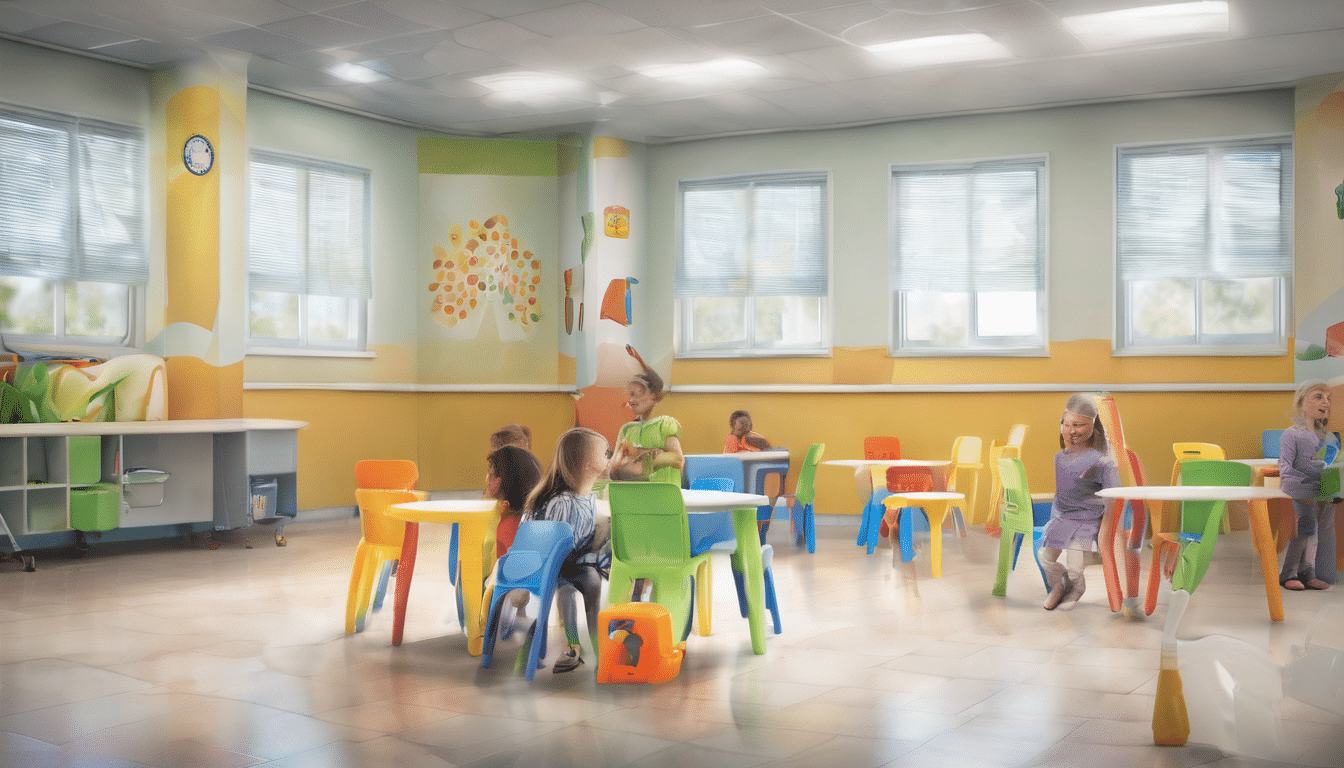
Child-Safe AC Disinfection in Educational Facilities Guide
Educational facilities in Dubai face unique challenges when it comes to maintaining healthy indoor air quality. With year-round air conditioning usage, high occupancy rates, and the region’s specific climate conditions, implementing proper child-safe AC disinfection in educational facilities becomes essential for protecting student health and supporting optimal learning environments. This comprehensive guide will help school administrators, facility managers, and educational institution decision-makers understand the critical aspects of selecting and implementing safe, effective AC disinfection protocols specifically designed for children’s sensitive respiratory systems.
Child-safe AC disinfection in educational facilities requires specialised knowledge of both HVAC systems and paediatric health considerations. The continuous operation of air conditioning systems in Dubai’s climate creates ideal conditions for microbial growth, dust accumulation, and allergen development. However, traditional disinfection methods often involve chemicals that can be harmful to developing respiratory systems. This guide will explore the balanced approach needed for effective child-safe AC disinfection in educational facilities that eliminates health hazards without introducing new risks.
Understanding Child-Safe AC Disinfection in Educational Facilities
Contents
- 1 Understanding Child-Safe AC Disinfection in Educational Facilities
- 2 Child-safe Ac Disinfection In Educational Facilities – Key Features of Child-Safe AC Disinfection Systems
- 3 Child-safe Ac Disinfection In Educational Facilities – Dubai-Specific Considerations for Educational Facilities
- 4 Common Mistakes to Avoid in Child-Safe AC Disinfection
- 5 Selecting the Right Service Provider for Educational Facilities
- 6 Implementing a Preventive Maintenance Schedule
- 7 Cost Considerations and Budget Planning
- 8 Expert Tips for Child-Safe AC Disinfection
- 9 Frequently Asked Questions
- 10 Conclusion
Child-safe AC disinfection in educational facilities differs significantly from standard commercial disinfection protocols. Children have developing respiratory systems, higher metabolic rates, and spend extended periods in classroom environments, making them more vulnerable to chemical exposures and airborne contaminants. Proper child-safe AC disinfection in educational facilities focuses on eliminating pathogens, mould, and allergens while using methods that won’t compromise children’s health.
The approach to child-safe AC disinfection in educational facilities must consider multiple factors including chemical selection, application methods, timing of service, and post-treatment ventilation. Unlike adult environments, schools require disinfectants that break down into harmless compounds rather than lingering in the air or settling on surfaces. The goal is to create a hygienic environment that supports learning without introducing new respiratory irritants or health concerns.
Why Standard Disinfection Isn’t Enough
Many conventional AC disinfection methods use chemicals that, while effective against microbes, can trigger asthma attacks, allergic reactions, or respiratory distress in children. These concerns make specialised child-safe AC disinfection in educational facilities not just preferable but essential for protecting student health and maintaining uninterrupted educational activities.
Child-safe Ac Disinfection In Educational Facilities – Key Features of Child-Safe AC Disinfection Systems
When evaluating options for child-safe AC disinfection in educational facilities, several critical features distinguish truly safe systems from those that merely claim to be child-friendly. The first consideration is chemical composition – disinfectants should be EPA-approved for educational settings and specifically formulated for sensitivity around children. Look for products that are non-irritating, fragrance-free, and break down into harmless compounds after application.
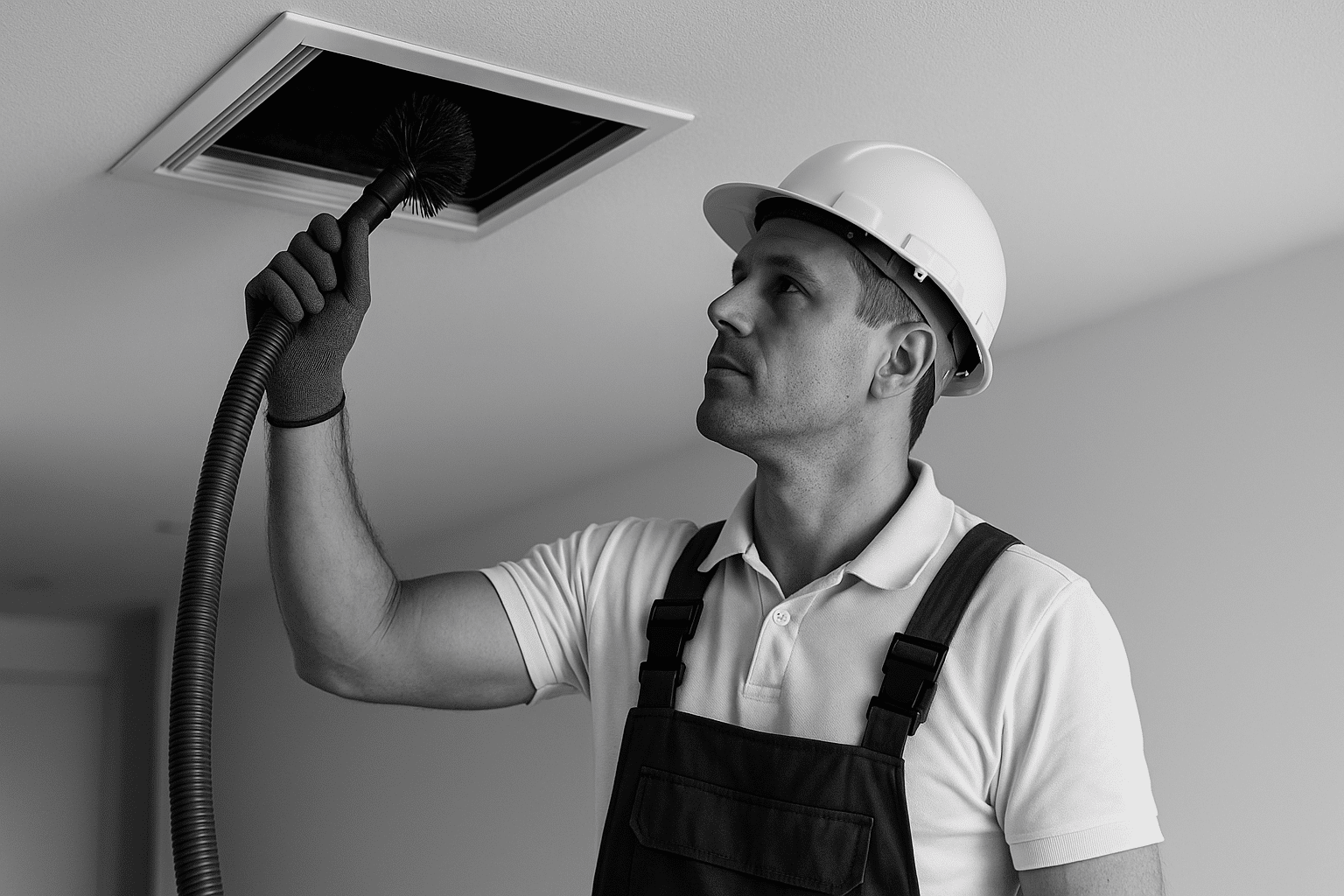
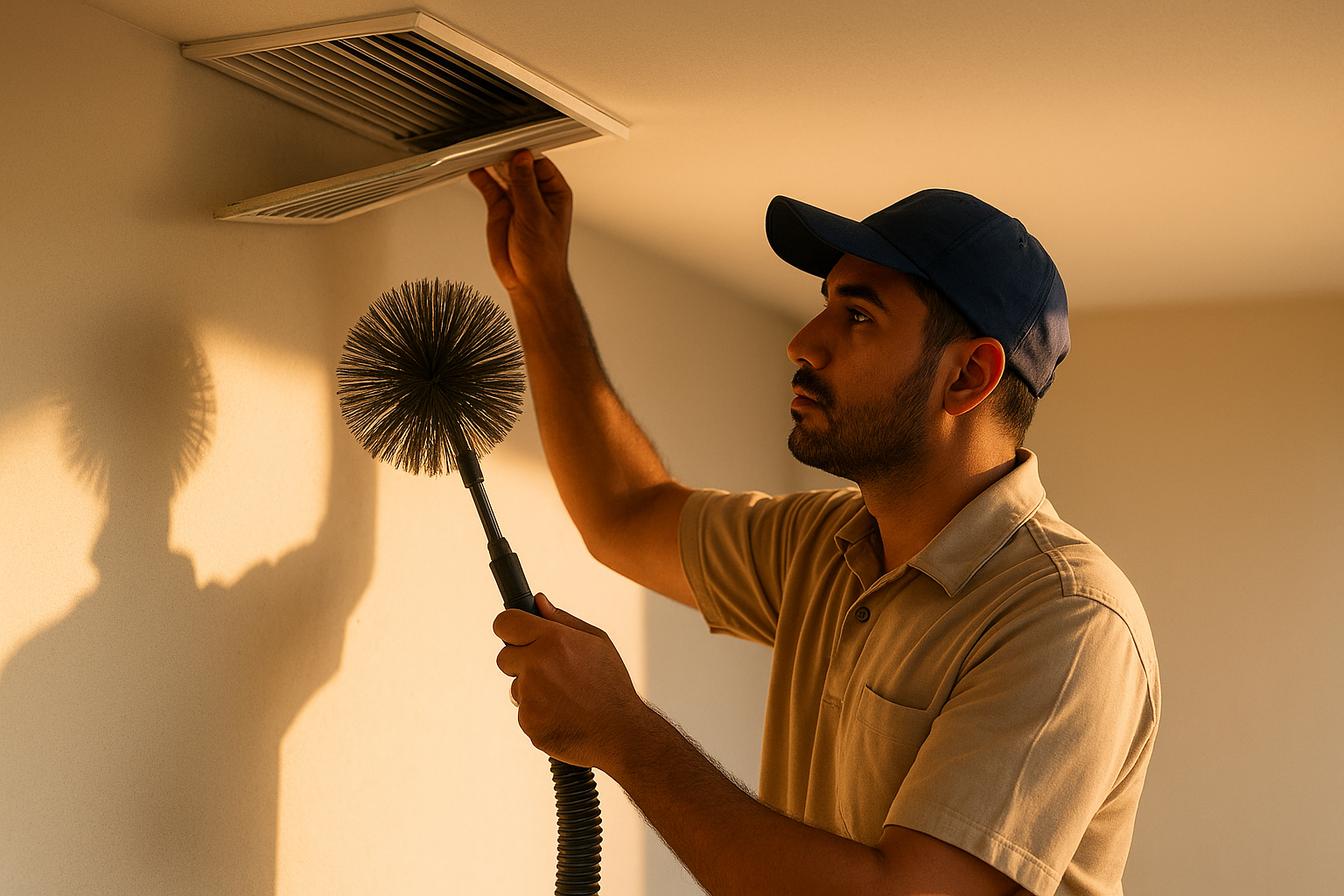
Application methodology represents another crucial aspect of child-safe AC disinfection in educational facilities. The best systems use targeted application that prevents overspray and ensures chemicals only contact intended surfaces. HEPA-filtered containment systems during duct cleaning prevent cross-contamination, while negative air machines capture dislodged particles before they can circulate through the facility.
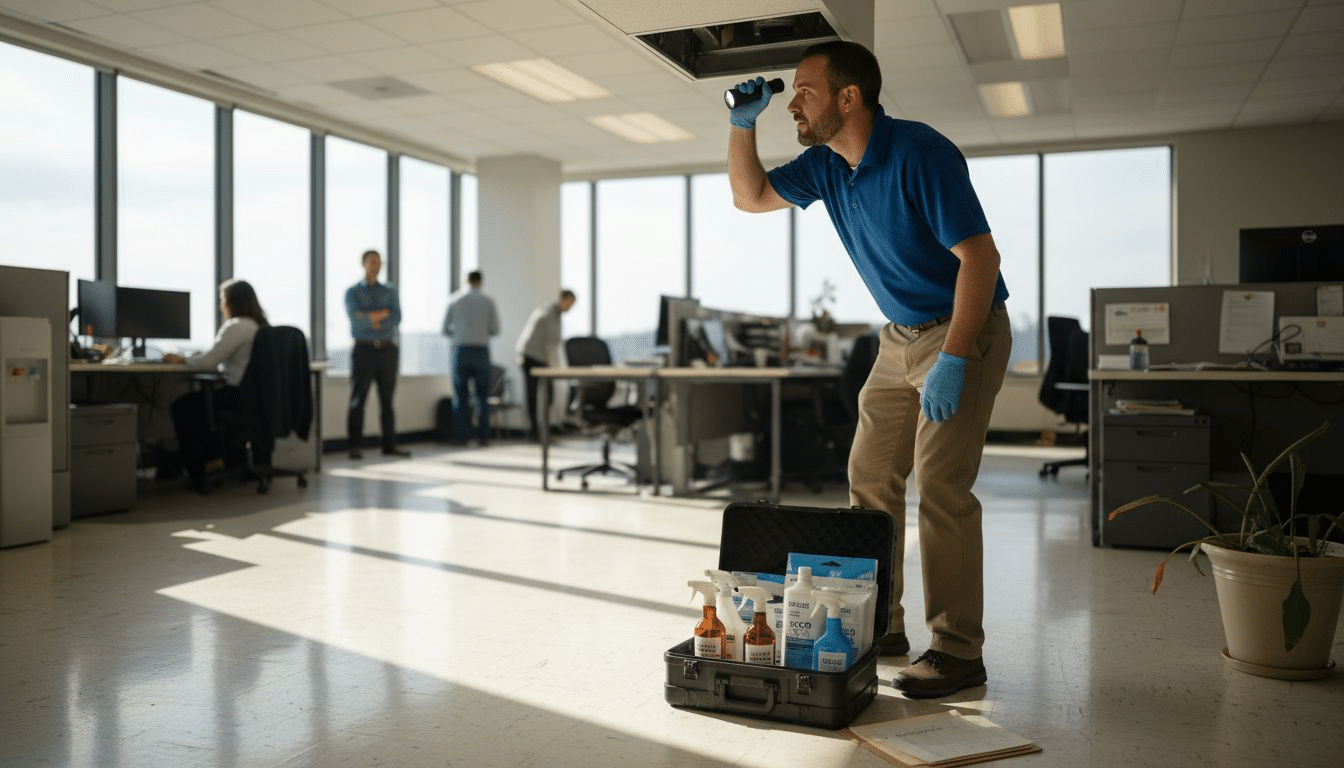
Verification and documentation complete the process of proper child-safe AC disinfection in educational facilities. Reputable providers should offer before-and-after air quality testing, microbial swab testing, and detailed documentation of procedures used. This paperwork becomes particularly important for compliance with Dubai Municipality regulations and for maintaining records that demonstrate due diligence in protecting student health.
Child-safe Ac Disinfection In Educational Facilities – Dubai-Specific Considerations for Educational Facilities
The climate conditions in Dubai create unique challenges for child-safe AC disinfection in educational facilities. Year-round cooling requirements mean AC systems operate continuously, leading to accelerated accumulation of dust, mould, and contaminants. The high humidity levels, particularly during summer months, create ideal conditions for microbial growth within AC systems unless properly managed through regular child-safe AC disinfection in educational facilities.
Dubai’s desert environment introduces fine sand and dust particles that quickly accumulate in AC systems. This particulate matter not only reduces system efficiency but also provides breeding grounds for bacteria and mould. Effective child-safe AC disinfection in educational facilities must address both microbial contamination and particulate accumulation through comprehensive cleaning protocols followed by appropriate disinfection.
Regulatory compliance represents another critical consideration for child-safe AC disinfection in educational facilities in Dubai. The Dubai Municipality has specific guidelines for indoor air quality in educational settings, and facilities must ensure their disinfection protocols meet these standards. Working with providers familiar with local regulations ensures that child-safe AC disinfection in educational facilities complies with all relevant health and safety requirements.
Common Mistakes to Avoid in Child-Safe AC Disinfection
One of the most common errors in child-safe AC disinfection in educational facilities is prioritising cost over safety. Institutions sometimes select providers based solely on price, without verifying the safety protocols and chemicals used. This approach can lead to the use of inappropriate disinfectants that may effectively kill microbes but create respiratory hazards for students and staff.
Another frequent mistake involves inadequate ventilation during and after child-safe AC disinfection in educational facilities. Proper ventilation is essential to ensure any chemical residues dissipate completely before children re-enter treated areas. Facilities that schedule disinfection during short breaks without allowing sufficient ventilation time compromise the safety of the entire process.
Many educational facilities also make the error of treating child-safe AC disinfection in educational facilities as a one-time event rather than an ongoing process. AC systems require regular maintenance and disinfection to maintain air quality, particularly in Dubai’s demanding climate. Institutions that only address disinfection when problems become apparent often find themselves dealing with more significant issues that could have been prevented with regular maintenance.
Selecting the Right Service Provider for Educational Facilities
Choosing the appropriate provider for child-safe AC disinfection in educational facilities requires careful evaluation of several factors. The provider should have specific experience with educational settings and understand the unique requirements of child-safe environments. Ask potential providers for references from other schools or nurseries where they have performed child-safe AC disinfection in educational facilities.
Certifications and training represent critical selection criteria for child-safe AC disinfection in educational facilities. Providers should hold relevant certifications in HVAC cleaning and disinfection, with staff trained in both technical procedures and safety protocols. In Dubai, look for providers registered with the Dubai Municipality and familiar with local regulations governing child-safe AC disinfection in educational facilities.
The provider’s approach to chemical selection and application methods will significantly impact the safety and effectiveness of child-safe AC disinfection in educational facilities. Reputable providers should be transparent about the products they use, providing safety data sheets and explaining how their application methods ensure student safety. They should also be able to schedule services during school breaks or weekends to minimise disruption to educational activities.
Implementing a Preventive Maintenance Schedule
Establishing a regular schedule for child-safe AC disinfection in educational facilities is essential for maintaining consistent indoor air quality. Most educational facilities in Dubai benefit from quarterly disinfection services, with additional filter changes and coil cleaning between full disinfection treatments. This preventive approach to child-safe AC disinfection in educational facilities helps avoid emergency situations and maintains optimal learning environments throughout the academic year.
The timing of child-safe AC disinfection in educational facilities should align with the academic calendar to minimise disruption. Many schools schedule comprehensive disinfection during extended breaks, with lighter maintenance during shorter holidays. This strategic scheduling ensures that child-safe AC disinfection in educational facilities occurs when buildings are unoccupied, allowing proper ventilation and drying time before students return.
Documentation and tracking form an important part of any maintenance program for child-safe AC disinfection in educational facilities. Maintain detailed records of all services performed, including chemicals used, areas treated, and any air quality measurements taken. This documentation not only helps track the effectiveness of your child-safe AC disinfection in educational facilities program but also demonstrates compliance with health and safety regulations.
Cost Considerations and Budget Planning
Budgeting for child-safe AC disinfection in educational facilities requires understanding the various factors that influence costs. The size of the facility, number of AC units, accessibility of ductwork, and specific disinfection methods required all impact the overall investment in child-safe AC disinfection in educational facilities. In Dubai, comprehensive disinfection for a medium-sized school typically ranges from AED 15,000 to AED 45,000 depending on these factors.
While cost is an important consideration for child-safe AC disinfection in educational facilities, institutions should view this expense as an investment in student health and educational outcomes. Poor indoor air quality has been linked to increased absenteeism, reduced concentration, and lower academic performance. Properly implemented child-safe AC disinfection in educational facilities can help reduce illness transmission and create environments more conducive to learning.
Many providers offer packaged maintenance plans for child-safe AC disinfection in educational facilities that provide cost savings compared to individual services. These plans typically include regular disinfection, filter changes, and system inspections at predetermined intervals. Bundled approaches to child-safe AC disinfection in educational facilities often provide better value while ensuring consistent maintenance throughout the year.
Expert Tips for Child-Safe AC Disinfection
Implementing effective child-safe AC disinfection in educational facilities requires attention to detail and careful planning. Here are expert recommendations for ensuring successful outcomes:
- Schedule child-safe AC disinfection in educational facilities during extended breaks when buildings can remain unoccupied for at least 24-48 hours after treatment
- Request material safety data sheets for all disinfectants used and verify they are approved for use in educational settings
- Ensure providers use HEPA-filtered containment systems during duct cleaning to prevent cross-contamination
- Implement a colour-coded system for filter replacement dates to maintain consistency in your child-safe AC disinfection in educational facilities program
- Conduct regular air quality testing to verify the effectiveness of your child-safe AC disinfection in educational facilities protocols
- Train maintenance staff to recognise early signs of AC system issues that might require attention between scheduled disinfection services
- Establish clear communication protocols with parents about your institution’s approach to child-safe AC disinfection in educational facilities
Frequently Asked Questions
How often should educational facilities in Dubai schedule child-safe AC disinfection?
Most educational facilities benefit from quarterly disinfection services, with additional filter changes monthly. The specific frequency for child-safe AC disinfection in educational facilities depends on factors including building age, student population density, and existing air quality measurements.
Are there specific chemicals to avoid in child-safe AC disinfection in educational facilities?
Yes, facilities should avoid quaternary ammonium compounds that can trigger asthma, formaldehyde-releasing agents, and fragranced disinfectants. The best approach to child-safe AC disinfection in educational facilities uses products specifically formulated for sensitivity around children.
What documentation should we receive after child-safe AC disinfection in educational facilities?
Reputable providers should supply detailed service reports, chemical safety data sheets, before-and-after photos, and air quality test results. This documentation for child-safe AC disinfection in educational facilities demonstrates compliance and provides records for future reference.
Can child-safe AC disinfection in educational facilities help reduce absenteeism?
Yes, properly implemented child-safe AC disinfection in educational facilities can significantly reduce the spread of airborne illnesses, leading to lower absenteeism rates among both students and staff. Studies show improvements of 20-50% in attendance following comprehensive indoor air quality improvements.
Conclusion
Implementing proper child-safe AC disinfection in educational facilities represents an essential investment in student health, comfort, and academic performance. The unique climate conditions in Dubai, combined with the specific vulnerabilities of children to airborne contaminants, make specialised disinfection protocols necessary rather than optional. By understanding the key features of effective systems, avoiding common mistakes, selecting qualified providers, and maintaining regular schedules, educational institutions can ensure their environments support rather than hinder the educational process.
The approach to child-safe AC disinfection in educational facilities requires balancing effectiveness against potential risks, using methods that eliminate pathogens without introducing new hazards. With careful planning and attention to detail, schools throughout Dubai can maintain healthy indoor environments that promote learning while protecting the well-being of students and staff. The investment in proper child-safe AC disinfection in educational facilities pays dividends through improved attendance, better concentration, and enhanced overall educational outcomes.

Leave a Reply