

Duct Cleaning And: Use Insulation Tape For Hvac
Maintaining clean and well-sealed ductwork is crucial for optimal HVAC performance, especially in Dubai’s demanding climate where air conditioning systems operate year-round. Learning How to Use insulation tape for Hvac duct cleaning and maintenance represents a fundamental skill for both homeowners and professionals seeking to improve energy efficiency and indoor air quality. This comprehensive guide will walk you through every aspect of proper insulation tape application, from selecting the right materials to advanced sealing techniques that withstand the UAE’s extreme temperatures and humidity levels.
Understanding how to use insulation tape for Hvac duct cleaning and maintenance begins with recognizing its dual purpose: sealing air leaks that compromise system efficiency and protecting newly cleaned ducts from contamination. When ducts are professionally cleaned, the integrity of connections and seams must be restored to prevent dust, humidity, and microbial intrusion. Proper tape application ensures that your investment in duct cleaning delivers long-term benefits rather than temporary improvements.
In Dubai’s environment, where desert dust and high humidity constantly challenge HVAC systems, mastering how to use insulation tape for Hvac duct cleaning and maintenance becomes particularly important. The continuous operation of cooling systems creates temperature differentials that can cause conventional tapes to fail, leading to energy loss and reduced indoor air quality. This guide provides specific techniques adapted to local conditions, ensuring your duct sealing remains effective through seasonal changes and system demands.
Use Insulation Tape For Hvac Duct Cleaning And Maintenance – Understanding Insulation Tape Types for HVAC Applications
Contents
- 1 Use Insulation Tape For Hvac Duct Cleaning And Maintenance – Understanding Insulation Tape Types for HVAC Applications
- 2 Use Insulation Tape For Hvac Duct Cleaning And Maintenance – Pre-Cleaning Preparation and Assessment
- 3 Use Insulation Tape For Hvac Duct Cleaning And Maintenance – Post-Cleaning Application Techniques
- 4 Sealing Connection Points and Joints
- 5 Dubai Climate Considerations for Tape Performance
- 6 Common Mistakes to Avoid During Application
- 7 Maintenance and Inspection Protocols
- 8 Professional vs DIY Application Guidelines
- 9 Energy Efficiency Impact and Cost Savings
- 10 Expert Tips and Advanced Techniques
- 11 Frequently Asked Questions
- 12 Conclusion
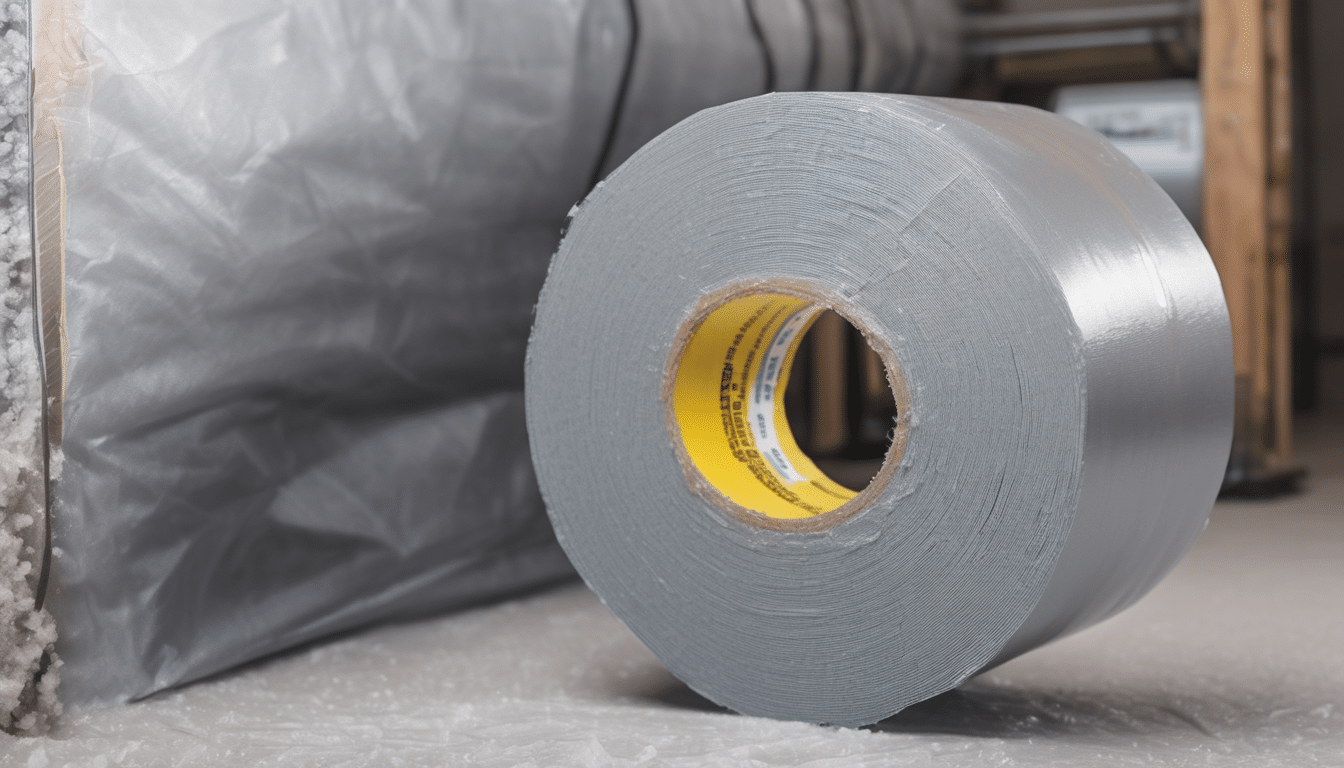
Selecting the appropriate insulation tape is the first critical step in learning how to use insulation tape for Hvac duct cleaning and maintenance. Not all tapes are created equal, and using the wrong type can lead to premature failure and system issues. Foil-backed tapes with acrylic or rubber-based adhesives are generally recommended for HVAC applications because they withstand temperature variations and maintain adhesion in humid conditions.
When considering how to use insulation tape for Hvac duct cleaning and maintenance, you’ll encounter several specialized varieties. UL 181-rated tapes are specifically designed for HVAC systems and meet rigorous safety and performance standards. These tapes feature reinforced backing and high-tack adhesives that bond securely to various duct materials, including galvanized steel, aluminium, and flexible ducting. The investment in quality tape typically ranges from AED 15 to AED 45 per roll, depending on width and performance specifications.
Another important aspect of how to use insulation tape for Hvac duct cleaning and maintenance involves understanding pressure-sensitive versus heat-activated variants. Pressure-sensitive tapes offer convenience for immediate sealing after cleaning, while heat-activated tapes provide superior bonding for permanent repairs. In Dubai’s climate, where duct temperatures can vary significantly, selecting tapes with temperature ratings exceeding local extremes ensures long-term performance without degradation or adhesive failure.
Use Insulation Tape For Hvac Duct Cleaning And Maintenance – Pre-Cleaning Preparation and Assessment
Proper preparation is essential before applying any tape when learning how to use insulation tape for Hvac duct cleaning and maintenance. Begin by conducting a thorough inspection of all ductwork to identify existing tape failures, air leaks, and potential problem areas. This assessment helps determine how much tape you’ll need and which specific types will address different sealing requirements throughout the system.
An important part of how to use insulation tape for Hvac duct cleaning and maintenance involves removing old, failing tape and cleaning surfaces thoroughly. Use appropriate solvents to remove adhesive residue and ensure the duct surface is completely dry before applying new tape. In Dubai’s humid environment, this step is particularly crucial as moisture trapped under tape can lead to mould growth and adhesive failure. Allow sufficient time for cleaning solutions to evaporate completely before proceeding with tape application.
When preparing to learn how to use insulation tape for Hvac duct cleaning and maintenance, remember that surface preparation directly impacts tape adhesion and longevity. Lightly sanding metal surfaces can improve bonding, while flexible ducts may require specific cleaning techniques to avoid damaging outer jackets. Proper preparation ensures that your tape application will provide a secure, lasting seal that maintains duct integrity between professional cleaning cycles.
Use Insulation Tape For Hvac Duct Cleaning And Maintenance – Post-Cleaning Application Techniques
The actual application process represents the core of how to use insulation tape for Hvac duct cleaning and maintenance. Begin by ensuring the duct surface is completely clean and free of dust, grease, or moisture. Unroll the tape to the required length, then apply firm, even pressure along the entire length of the tape while smoothing out any wrinkles or air bubbles that could compromise the seal.
When learning how to use insulation tape for Hvac duct cleaning and maintenance, proper technique significantly affects performance. Apply tape with at least 25 mm overlap on all seams and joints, stretching it slightly to activate the adhesive properties. For curved surfaces or irregular shapes, apply the tape in shorter sections rather than attempting long continuous runs. This approach ensures consistent adhesion and eliminates tension points that could lead to premature failure.
An advanced technique in how to use insulation tape for Hvac duct cleaning and maintenance involves temperature considerations during application. In hot climates like Dubai, applying tape when ducts are at moderate temperatures (20-30°C) typically yields the best results. Extreme heat can cause adhesives to become too fluid before proper bonding occurs, while cold surfaces may prevent adequate adhesion. Time your application when the system hasn’t been running recently for optimal results.
Sealing Connection Points and Joints
Critical areas require special attention when learning how to use insulation tape for Hvac duct cleaning and maintenance. Connection points between different duct sections, transitions between rigid and flexible ducts, and connections to registers and plenums represent common leakage points that significantly impact system performance. These areas often require additional tape layers or specialized application techniques.
When addressing how to use insulation tape for Hvac duct cleaning and maintenance at connection points, consider the mechanical stresses these areas experience. Use wider tape (75-100 mm) for major joints and apply in a cross-hatch pattern for increased strength. For flexible duct connections, ensure the inner liner is properly secured to the collar before applying tape to the outer jacket. This approach prevents separation that can compromise air quality and system efficiency.
Another important aspect of how to use insulation tape for Hvac duct cleaning and maintenance involves sealing register connections. These visible endpoints often receive less attention but can account for significant air leakage. Remove registers completely during cleaning, then apply tape to the duct connection before reattaching the register. This creates a complete seal that prevents conditioned air from escaping into wall cavities or ceiling spaces.
Dubai Climate Considerations for Tape Performance
Understanding local environmental factors is crucial when learning how to use insulation tape for Hvac duct cleaning and maintenance in the UAE. Dubai’s combination of extreme heat, high humidity, and fine desert dust creates unique challenges for duct sealing materials. Standard tapes that perform well in temperate climates may fail quickly under these conditions, making product selection particularly important.
The intense summer heat affects how to use insulation tape for Hvac duct cleaning and maintenance because elevated temperatures can cause some adhesives to soften and lose their grip. Select tapes specifically rated for high-temperature applications, typically those capable of withstanding 65°C or higher. Additionally, UV-resistant tapes should be used for any exposed ductwork, as sunlight degradation can compromise tape integrity over time.
Dust infiltration represents another consideration when learning how to use insulation tape for Hvac duct cleaning and maintenance in desert environments. Fine dust particles can interfere with adhesive bonding if surfaces aren’t thoroughly cleaned before application. After cleaning ducts, work quickly to apply tape before new dust accumulation occurs. For ongoing maintenance, regular inspections help identify dust buildup that might indicate tape failure or new leakage points developing.
Common Mistakes to Avoid During Application
Several common errors can undermine efforts when learning how to use insulation tape for Hvac duct cleaning and maintenance. One frequent mistake involves using standard cloth or plastic tapes instead of HVAC-specific products. These inferior tapes may initially appear to seal effectively but typically fail within months, especially in Dubai’s challenging climate conditions.
Another error in how to use insulation tape for Hvac duct cleaning and maintenance involves inadequate surface preparation. Applying tape to dusty, greasy, or moist surfaces virtually guarantees premature failure. Always take the time to thoroughly clean and dry surfaces before application, even if it seems time-consuming. This investment in proper preparation pays dividends through longer-lasting seals and reduced maintenance requirements.
Improper application technique represents another common mistake when learning how to use insulation tape for Hvac duct cleaning and maintenance. Stretching tape too tightly can create tension that leads to peeling, while applying it too loosely may result in wrinkles and air pockets. The correct technique involves moderate tension with firm, even pressure across the entire tape width. Using a roller tool specifically designed for tape application can help achieve professional results.
Maintenance and Inspection Protocols
Ongoing maintenance is an essential component of how to use insulation tape for Hvac duct cleaning and maintenance. Even properly applied tape requires periodic inspection to ensure it continues performing effectively. Establish a routine inspection schedule, ideally coinciding with seasonal HVAC maintenance or filter changes, to check tape conditions throughout the duct system.
When implementing how to use insulation tape for Hvac duct cleaning and maintenance protocols, pay particular attention to areas experiencing temperature fluctuations or mechanical stress. Connections at equipment, transitions between different duct types, and any areas subject to vibration typically show the first signs of tape failure. Look for edges lifting, discoloration, or visible gaps that indicate the seal has been compromised.
An important aspect of how to use insulation tape for Hvac duct cleaning and maintenance involves knowing when to repair versus replace. Small sections of lifting tape can often be repaired by applying additional tape over the affected area. However, widespread failure or tape that has become brittle and cracked usually indicates the need for complete removal and reapplication. Addressing issues promptly prevents energy loss and maintains indoor air quality between professional duct cleaning sessions.
Professional vs DIY Application Guidelines
Understanding when to undertake tape application yourself versus hiring professionals is an important consideration in how to use insulation tape for Hvac duct cleaning and maintenance. For accessible ductwork in easily reached areas, DIY application can be cost-effective and practical. However, complex systems or hard-to-reach areas often require professional expertise to ensure proper sealing.
The decision regarding how to use insulation tape for Hvac duct cleaning and maintenance yourself depends on several factors. If your duct system is largely accessible through panels or exposed in basements or attics, and you’re comfortable working with HVAC components, DIY may be appropriate. However, if ducts are concealed behind walls or ceilings, or if the system has numerous complex connections, professional application ensures complete coverage and proper technique.
Cost considerations also factor into how to use insulation tape for Hvac duct cleaning and maintenance decisions. Professional tape application typically costs between AED 300 and AED 800 depending on system size and accessibility, while DIY materials might cost AED 100 to AED 300. However, improper DIY application can lead to energy losses that far exceed the savings on professional services, making quality workmanship a worthwhile investment for most homeowners.
Energy Efficiency Impact and Cost Savings
The primary benefit of learning how to use insulation tape for Hvac duct cleaning and maintenance is improved energy efficiency. Duct leakage represents one of the most significant sources of energy loss in HVAC systems, particularly in climates like Dubai where cooling demands are substantial year-round. Properly sealed ducts can reduce energy consumption by 15-25%, translating to meaningful cost savings on electricity bills.
When calculating the impact of how to use insulation tape for Hvac duct cleaning and maintenance, consider that even small leaks can have disproportionate effects on system performance. A 5% leakage rate in ductwork can increase energy consumption by 20% or more because the system must work harder to maintain desired temperatures. The investment in quality tape and proper application typically pays for itself within one to two cooling seasons through reduced energy costs.
Beyond direct energy savings, understanding how to use insulation tape for Hvac duct cleaning and maintenance contributes to longer equipment life and reduced maintenance costs. When ducts are properly sealed, HVAC systems operate more efficiently with reduced strain on components. This translates to fewer repairs, longer intervals between professional servicing, and extended equipment lifespan—all contributing to lower overall ownership costs for your climate control system.
Expert Tips and Advanced Techniques
Professional HVAC technicians develop specialized techniques when mastering how to use insulation tape for Hvac duct cleaning and maintenance. One advanced method involves using a two-layer approach for critical seams: applying a base layer followed by a top layer with slightly different orientation. This cross-hatch technique provides superior strength and redundancy should one layer begin to fail.
Temperature management represents another expert tip for how to use insulation tape for Hvac duct cleaning and maintenance. In hot climates, storing tape in a cool location before application helps maintain optimal adhesive properties. Some professionals even slightly warm the duct surface before application in air-conditioned spaces to improve initial adhesion. These subtle techniques can significantly enhance tape performance and longevity.
For complex applications when learning how to use insulation tape for Hvac duct cleaning and maintenance, consider using specialty tools designed for the purpose. Tape applicators with built-in cutters and guidance systems help achieve straight, consistent applications even in awkward positions. Seam rollers with different surface materials ensure proper adhesion without damaging the tape surface, particularly important with foil-backed tapes that can tear if improperly handled.
Professional Application Checklist
- Verify tape compatibility with duct material and temperature range
- Clean surfaces thoroughly with appropriate solvents
- Ensure complete dryness before application
- Apply with consistent pressure and moderate tension
- Use overlapping technique for critical seams
- Inspect completed work for wrinkles or air pockets
- Document application for future maintenance reference
Frequently Asked Questions
How often should insulation tape be replaced after duct cleaning?
Quality HVAC tape properly applied after professional duct cleaning should last 3-5 years in Dubai’s climate. However, annual inspections are recommended to identify any areas needing attention before they develop into significant leaks. Factors like system vibration, temperature extremes, and dust accumulation can affect tape longevity.
Can I use regular aluminium foil tape for HVAC applications?
While aluminium foil tape may look similar to HVAC-specific products, it typically lacks the reinforced backing and specialised adhesives needed for permanent duct sealing. Always use UL 181-rated tapes specifically designed for HVAC applications to ensure proper performance and safety compliance.
What temperature can HVAC insulation tape withstand?
Quality HVAC tapes are rated for temperatures ranging from -30°C to 120°C, comfortably exceeding the operational range of residential and commercial systems in the UAE. However, specific product specifications should always be verified before purchase to ensure compatibility with your system’s requirements.
Conclusion
Mastering how to use insulation tape for Hvac duct cleaning and maintenance provides significant benefits for system performance, energy efficiency, and indoor air quality. Proper tape selection, surface preparation, and application technique ensure that your duct cleaning investment delivers long-term results rather than temporary improvements. In Dubai’s challenging climate, where HVAC systems operate continuously under demanding conditions, quality duct sealing becomes particularly important for maintaining comfort and controlling energy costs.
Whether undertaking DIY application or hiring professionals, understanding the principles of how to use insulation tape for Hvac duct cleaning and maintenance empowers you to make informed decisions about your HVAC system’s care. Regular inspection and maintenance of tape seals help identify issues before they develop into significant problems, ensuring your system operates efficiently between professional cleaning cycles. With proper attention to this often-overlooked aspect of HVAC maintenance, you can enjoy improved performance, lower operating costs, and better indoor air quality throughout your home or business.



Leave a Reply