

During Ac Cleaning: Proper Ventilation Techniques
Understanding Proper Ventilation Techniques During Ac Cleaning Processes is essential. —
<h2 id="introduction”>Introduction to Proper Ventilation Techniques During AC Cleaning Processes
In Dubai’s climate, air conditioning systems play a crucial role in maintaining comfortable indoor temperatures. However, these systems can also become breeding grounds for hidden contaminants such as dust, mold, and bacteria if not properly maintained. One key aspect of effective HVAC cleaning is the proper ventilation techniques used during and after the process.
Proper Ventilation Techniques During Ac Cleaning Processes – Importance of Ventilation in AC Systems
Contents
- 1 Proper Ventilation Techniques During Ac Cleaning Processes – Importance of Ventilation in AC Systems
- 2 Preparation Steps for Effective Ventilation
- 3 Dust and Microbe Control During Cleaning Processes
- 4 Using Ventilation Equipment Properly
- 5 Post-Cleaning Ventilation Considerations
- 6 Best Practice Tips for Enhanced Ventilation
- 7 Frequently Asked Questions (FAQs)
- 8 Conclusion: The Role of Proper Ventilation in AC Cleaning Processes
- 9 Introduction to Proper Ventilation Techniques During AC Cleaning Processes
- 10 Importance of Ventilation in AC Systems
- 11 Preparation Steps for Effective Ventilation
- 12 Dust and Microbe Control During Cleaning Processes
- 13 Using Ventilation Equipment Properly
- 14 Post-Cleaning Ventilation Considerations
- 15 Best Practice Tips for Enhanced Ventilation
- 16 Frequently Asked Questions (FAQs)
- 17 Conclusion: The Role of Proper Ventilation in AC Cleaning Processes
Proper ventilation ensures that air flows freely through the system, reducing the concentration of contaminants and promoting a healthier indoor environment. In Dubai’s climate, where year-round AC usage is common, it’s essential to maintain optimal airflow to prevent moisture buildup and reduce the risk of mold growth.
Microbial Growth and Ventilation
Moisture from condensation can create an ideal environment for microbial growth inside AC systems. Effective ventilation helps to dry out these areas, reducing the likelihood of mold spores developing. Properly ventilating during cleaning processes ensures that any moisture is quickly expelled, minimizing the chance of long-term damage. This relates directly to Proper Ventilation Techniques During Ac Cleaning Processes.
Preparation Steps for Effective Ventilation
Before starting an AC cleaning process, it’s crucial to prepare the system and environment for proper ventilation. This involves:
- Sealing off areas: Cover vents with appropriate materials to prevent dust from spreading.
- Using negative pressure systems: Deploy HEPA-filtered negative pressure equipment to control air movement and ensure that contaminants are captured rather than circulated.
- Activating ventilation fans: Turn on any available fans or open windows for cross-ventilation, if possible.
Pre-Cleaning Vacuuming
Vacuum the surrounding areas of the AC unit to remove loose particles that could be disturbed during cleaning. This step is especially important in high-dust environments like villas and apartments located near desert regions.
Dust and Microbe Control During Cleaning Processes
Controlling dust and microbes is a critical aspect of AC cleaning processes, particularly when dealing with hidden contaminants. Here are some key steps to follow: When considering Proper Ventilation Techniques During Ac Cleaning Processes, this becomes clear.
- HEPA-filtered tools: Use high-efficiency particulate air (HEPA) filters in your cleaning equipment to trap fine particles that traditional filters might miss.
- Bacteriostatic solutions: Apply bacteriostatic agents to surfaces to inhibit microbial growth and prevent the spread of contaminants.
Disinfection Procedures
Disinfecting the AC system is not just about killing visible bacteria; it’s also about eliminating mold spores and other microorganisms that could cause long-term issues. Use appropriate disinfectants and follow manufacturer guidelines to ensure thorough coverage.
Using Ventilation Equipment Properly
The right equipment can make all the difference in maintaining proper ventilation during AC cleaning processes. Here are some tips for effective use:
- HEPA-filtered negative pressure systems: Utilize these to maintain a controlled environment where contaminants are contained.
- Ventilation fans: Use high-powered fans to ensure that air is properly circulated and any generated dust or mold spores are expelled quickly.
Placement and Operation
Position your equipment correctly to maximize effectiveness. Place ventilation units close to the AC unit to draw in contaminated air effectively, and operate them continuously throughout the cleaning process for optimal results. The importance of Proper Ventilation Techniques During Ac Cleaning Processes is evident here.
Post-Cleaning Ventilation Considerations
Proper post-cleaning ventilation is essential to ensure that any residual contaminants are removed from the environment. Follow these steps:
- Extended fan operation: Keep fans running for a few hours after cleaning to expel remaining particles.
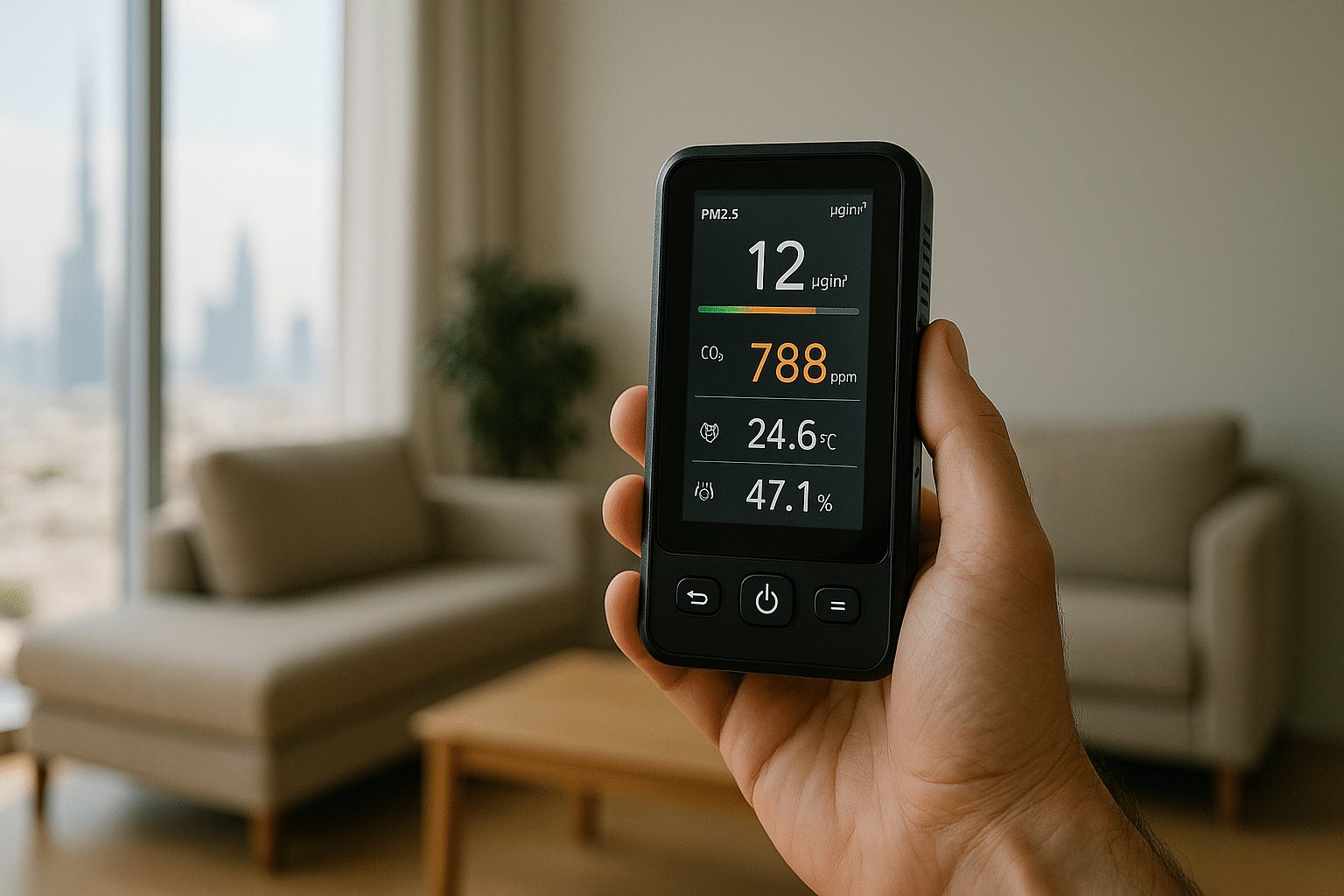
- Air quality monitoring: Use air quality sensors if available to ensure that indoor levels are within safe limits before occupying the space again.
Monitoring Air Quality
Regularly monitor air quality using devices such as particulate matter (PM) detectors. This helps in identifying any lingering issues and ensures that the environment remains clean and healthy for occupants.
Best Practice Tips for Enhanced Ventilation
To achieve optimal ventilation during AC cleaning processes, follow these best practices:
- Regular maintenance schedules: Schedule routine AC cleaning to prevent the buildup of contaminants.
- Avoid overcrowding: Ensure that rooms are not overly crowded during cleaning to minimize air resistance and improve airflow.
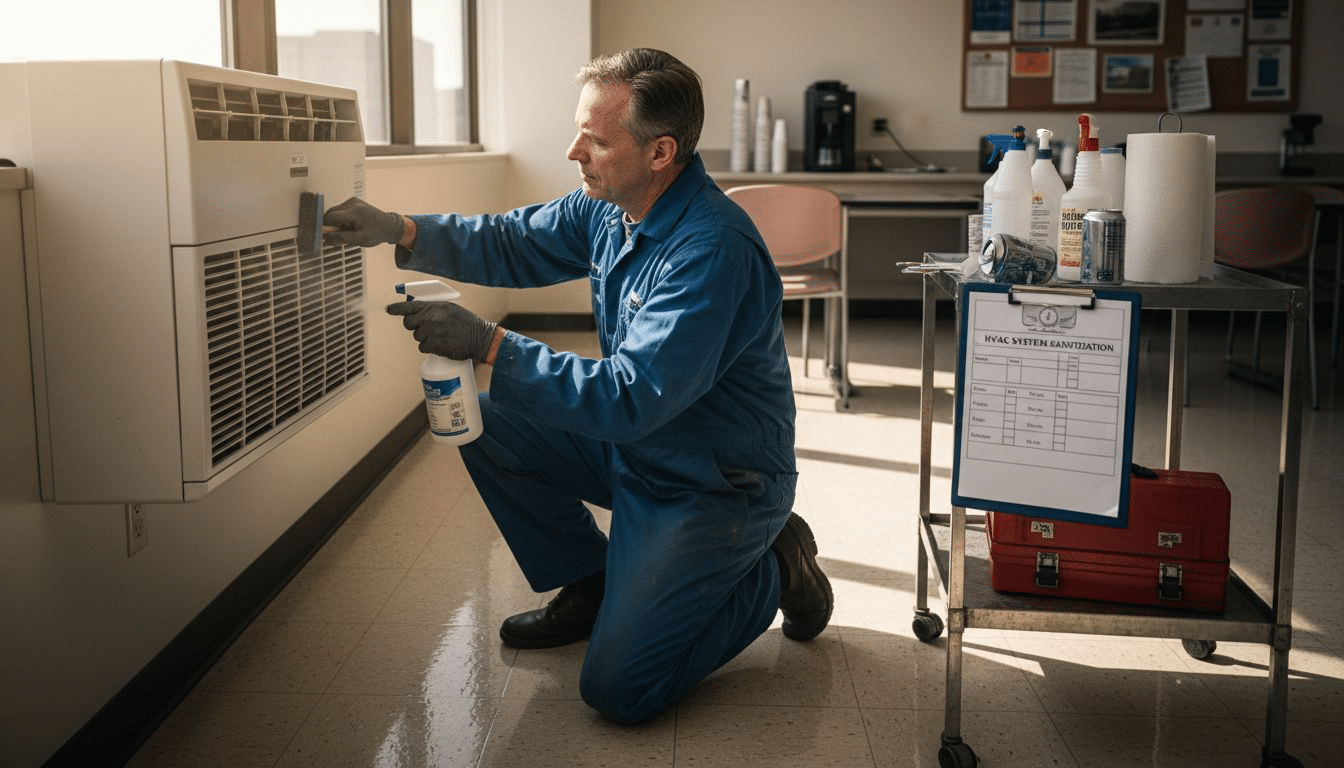
- Use appropriate PPE: Wear personal protective equipment (PPE) such as masks, gloves, and goggles to protect against inhalation of dust particles.
Frequently Asked Questions (FAQs)
- Q: How often should AC units be cleaned?
- A: In Dubai’s climate, it is recommended to clean AC systems every 6-12 months, depending on usage and environmental conditions.
- Q: Can I perform AC cleaning myself or do I need a professional?
- A: While some basic maintenance can be done by homeowners, complex issues may require the expertise of a professional HVAC technician to ensure thorough and safe cleaning.
- Q: Are there specific types of disinfectants that are better for AC units?
- A: Yes, look for disinfectants labeled as suitable for HVAC systems. They should be non-toxic and effective against mold and bacteria.
Conclusion: The Role of Proper Ventilation in AC Cleaning Processes
Proper ventilation techniques are a cornerstone of effective AC cleaning processes, ensuring that indoor air remains clean and healthy. By following best practices for ventilation during and after cleaning, you can prevent the spread of hidden contaminants and maintain a comfortable living environment. Understanding Proper Ventilation Techniques During Ac Cleaning Processes helps with this aspect.
—
Introduction to Proper Ventilation Techniques During AC Cleaning Processes
In Dubai’s climate, maintaining a clean and healthy indoor environment is crucial. Air conditioning systems play a significant role in this by regulating temperature and humidity levels. However, if not properly maintained, these systems can become breeding grounds for dust, mold, bacteria, and other contaminants. Effective ventilation techniques are essential during the cleaning process to ensure that air flows freely and reduces the concentration of these hidden contaminants.
Importance of Ventilation in AC Systems
Proper ventilation ensures that air moves efficiently through the system, reducing moisture buildup and preventing mold growth. In Dubai’s humid climate, where condensation is common, effective ventilation helps to dry out areas prone to microbial growth. This not only enhances indoor air quality but also prevents long-term damage to the AC unit.
Microbial Growth and Ventilation
Moisture from condensation creates an ideal environment for mold spores and bacteria to thrive inside AC systems. Effective ventilation helps to minimize this risk by expelling moist air quickly, thus reducing the chances of long-term damage caused by microbial growth. Proper Ventilation Techniques During Ac Cleaning Processes factors into this consideration.
Preparation Steps for Effective Ventilation
Before starting an AC cleaning process, it’s important to prepare the system and environment for proper ventilation. This involves:
- Covering vents: Use appropriate materials to seal off areas where dust might spread.
- Using negative pressure systems: Deploy HEPA-filtered equipment to control air movement and capture contaminants.
- Airflow management: Turn on any available fans or open windows for cross-ventilation, if possible.
Pre-Cleaning Vacuuming
Vacuum the surrounding areas of the AC unit to remove loose particles that could be disturbed during cleaning. This step is particularly important in high-dust environments like villas and apartments located near desert regions.
Dust and Microbe Control During Cleaning Processes
Controlling dust and microbes is a critical aspect of AC cleaning processes, especially when dealing with hidden contaminants. Here are some key steps to follow: This relates directly to Proper Ventilation Techniques During Ac Cleaning Processes.
- HEPA-filtered tools: Use high-efficiency particulate air (HEPA) filters in your cleaning equipment to trap fine particles.
- Bacteriostatic solutions: Apply bacteriostatic agents to surfaces to inhibit microbial growth and prevent the spread of contaminants.
Disinfection Procedures
Disinfecting the AC system is not just about killing visible bacteria; it’s also about eliminating mold spores and other microorganisms that could cause long-term issues. Use appropriate disinfectants and follow manufacturer guidelines to ensure thorough coverage.
Using Ventilation Equipment Properly
The right equipment can make all the difference in maintaining proper ventilation during AC cleaning processes. Here are some tips for effective use:
- HEPA-filtered negative pressure systems: Utilize these to maintain a controlled environment where contaminants are contained.
- Ventilation fans: Use high-powered fans to ensure that air is properly circulated and any generated dust or mold spores are expelled quickly.
Placement and Operation
Position your equipment correctly to maximize effectiveness. Place ventilation units close to the AC unit to draw in contaminated air effectively, and operate them continuously throughout the cleaning process for optimal results. When considering Proper Ventilation Techniques During Ac Cleaning Processes, this becomes clear.
Post-Cleaning Ventilation Considerations
Proper post-cleaning ventilation is essential to ensure that any residual contaminants are removed from the environment. Follow these steps:
- Extended fan operation: Keep fans running for a few hours after cleaning to expel remaining particles.
- Air quality monitoring: Use air quality sensors if available to ensure that indoor levels are within safe limits before occupying the space again.
Monitoring Air Quality
Regularly monitor air quality using devices such as particulate matter (PM) detectors. This helps in identifying any lingering issues and ensures that the environment remains clean and healthy for occupants.
Best Practice Tips for Enhanced Ventilation
To achieve optimal ventilation during AC cleaning processes, follow these best practices:
- Regular maintenance schedules: Schedule routine AC cleaning to prevent the buildup of contaminants.
- Avoid overcrowding: Ensure that rooms are not overly crowded during cleaning to minimize air resistance and improve airflow.
- Use appropriate PPE: Wear personal protective equipment (PPE) such as masks, gloves, and goggles to protect against inhalation of dust particles.
Frequently Asked Questions (FAQs)
- Q: How often should AC units be cleaned?
- A: In Dubai’s climate, it is recommended to clean AC systems every 6-12 months, depending on usage and environmental conditions.
- Q: Can I perform AC cleaning myself or do I need a professional?
- A: While some basic maintenance can be done by homeowners, complex issues may require the expertise of a professional HVAC technician to ensure thorough and safe cleaning.
- Q: Are there specific types of disinfectants that are better for AC units?
- A: Yes, look for disinfectants labeled as suitable for HVAC systems. They should be non-toxic and effective against mold and bacteria.
Conclusion: The Role of Proper Ventilation in AC Cleaning Processes
Proper ventilation techniques are a cornerstone of effective AC cleaning processes, ensuring that indoor air remains clean and healthy. By following best practices for ventilation during and after cleaning, you can prevent the spread of hidden contaminants and maintain a comfortable living environment. The importance of Proper Ventilation Techniques During Ac Cleaning Processes is evident here.
—
Understanding Proper Ventilation Techniques During Ac Cleaning Processes is key to success in this area.


Leave a Reply