

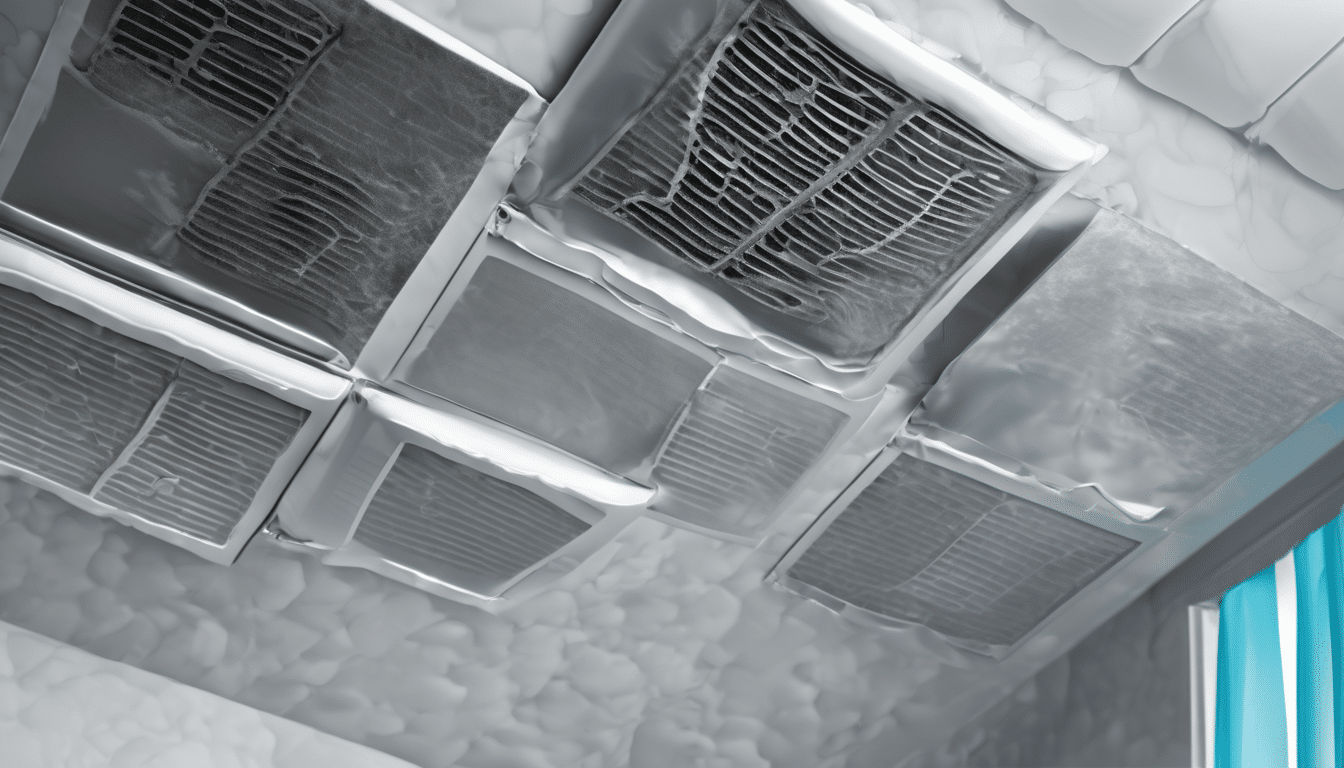
Clean Ac Ducts Effectively In High-risk Environments: How to
Understanding How to Clean AC Ducts Effectively in High-Risk Environments
Contents
- 1 Understanding How to Clean AC Ducts Effectively in High-Risk Environments
- 2 Clean Ac Ducts Effectively In High-risk Environments – Preparing for AC Duct Cleaning
- 3 Clean Ac Ducts Effectively In High-risk Environments – Step-by-Step Guide to AC Duct Cleaning
- 4 Using Human-Safe Disinfectants
- 5 Post-Cleaning Maintenance and Inspection
- 6 Mold-Resistant Coils and Blowers
- 7 Humidity Control for Preventing Mold Inside AC Units
- 8 Case Study on Mold Growth in HVAC Systems
- 9 Expert Tips for AC Duct Cleaning
- 10 FAQ Section
- 11 Conclusion
In high-risk environments like those found in Dubai’s climate, regular cleaning of air conditioning ducts is essential. Year-round AC usage, desert dust accumulation, and high humidity levels contribute to the growth of mold and bacteria inside your HVAC system. Effective duct cleaning not only improves indoor air quality but also boosts energy efficiency by ensuring proper airflow. This relates directly to Clean Ac Ducts Effectively In High-risk Environments.
Clean Ac Ducts Effectively In High-risk Environments – Preparing for AC Duct Cleaning
Before you begin, ensure that all necessary tools and materials are on hand to make the process as efficient as possible. Required items include:
- HEPA-filtered vacuum cleaner with a hose attachment
- Safety goggles and gloves
- Duster or compressed air canisters for small spaces
- Mold-resistant cleaning agents (human-safe, if possible)
- Drain pan inspection tools such as mirrors or camera attachments
Clean Ac Ducts Effectively In High-risk Environments – Step-by-Step Guide to AC Duct Cleaning
- Assess the system: Turn off the power and access points of your HVAC system. Check for any visible mold, dust accumulation, or signs of moisture damage.
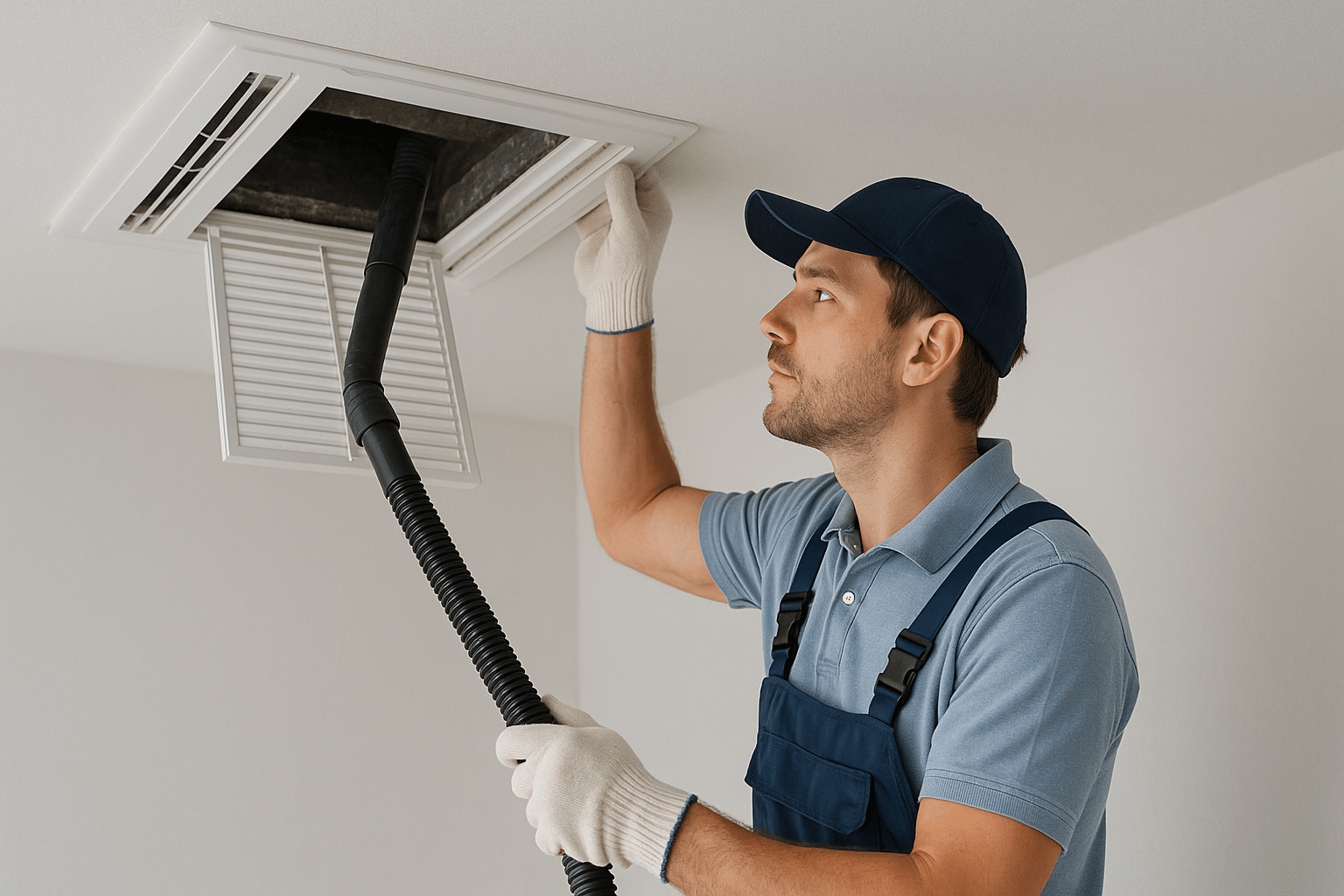
- Remove large debris: Use a vacuum cleaner with a hose attachment to remove loose dirt, hair, and large particles from the ducts. Pay special attention to grilles and vents where dust tends to accumulate.
- Clean the evaporator coil: If accessible, clean the evaporator coil using a non-abrasive cleaner or compressed air canisters. This helps in preventing moisture buildup that can lead to mold growth.
- Deep clean flexible ducts and joints: For pre-insulated or flexible ducting, use a vacuum with an appropriate attachment to reach tight spaces. Inspect these areas for hidden contaminants like mold spores.
- Flushing the drain pan: Use a camera tool to inspect the drain pan for blockages or leaks. Clear any debris and flush it thoroughly with water. This step is crucial in preventing water pooling, which can promote microbial growth.
- Disinfecting the ducts: Apply human-safe disinfectants designed for indoor use according to manufacturer instructions. Ensure proper ventilation by opening windows or using a HEPA-filtered negative pressure system during and after cleaning.
Using Human-Safe Disinfectants
Choosing the right disinfectant is crucial, especially in high-risk environments. Look for products that are:
- Absolutely safe for use around occupants and pets
- Effective against a wide range of microorganisms including mold spores
- Easily available from local HVAC suppliers or online retailers
Post-Cleaning Maintenance and Inspection
After cleaning, inspect the system for any new signs of moisture or mold. Ensure that all components are functioning correctly:
- Check the drain pan to confirm it’s draining freely.
- Inspect the evaporator coil for proper airflow without blockages.
- Verify that the blower fan is not obstructed by dust or debris.
Mold-Resistant Coils and Blowers
To reduce the risk of mold growth, consider installing mold-resistant components such as:
- Coatings that inhibit microbial growth on evaporator coils.
- Blower motors made from materials less prone to moisture absorption.
Humidity Control for Preventing Mold Inside AC Units
Maintaining proper humidity levels is key in preventing mold growth. In high-risk environments, consider the following:
- Use dehumidifiers to reduce indoor moisture.
- Ensure that the drain pan is properly sloped and draining freely.
- Regularly check for signs of water leakage or condensation build-up.
Case Study on Mold Growth in HVAC Systems
A case study from a villa in Abu Dhabi highlights the importance of regular AC duct cleaning. Despite annual maintenance, mold growth was identified due to poor humidity control and continuous operation. Implementing a combination of dehumidification and thorough duct cleaning significantly improved indoor air quality. When considering Clean Ac Ducts Effectively In High-risk Environments, this becomes clear.
Expert Tips for AC Duct Cleaning
- Inspect annually: Even in low-risk environments, annual inspections can prevent issues before they escalate.
- Use negative pressure systems: For occupied spaces, use HEPA-filtered vacuum cleaners to maintain proper air quality during cleaning.
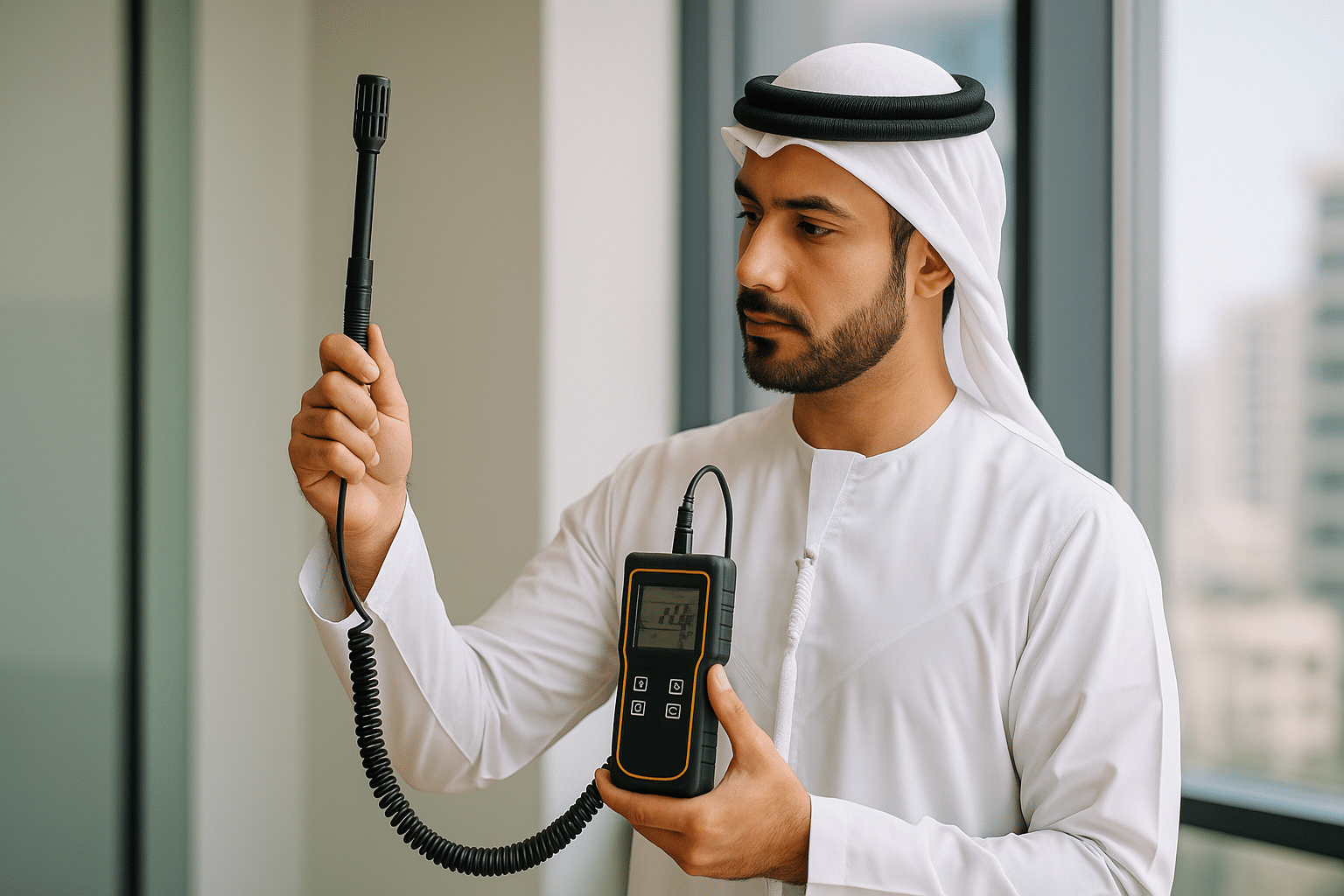
- Monitor humidity levels: Regularly check for signs of moisture buildup and address them promptly.
- Keep HVAC filters clean: Dirty filters can lead to reduced airflow and increased dust accumulation in ducts.
- Consider professional services: For complex systems or high-risk environments, consult a professional AC cleaning service.
FAQ Section
- How often should I clean my AC ducts?
- At least once a year, but more frequently in high-risk environments.
- Can mold growth inside AC systems affect health?
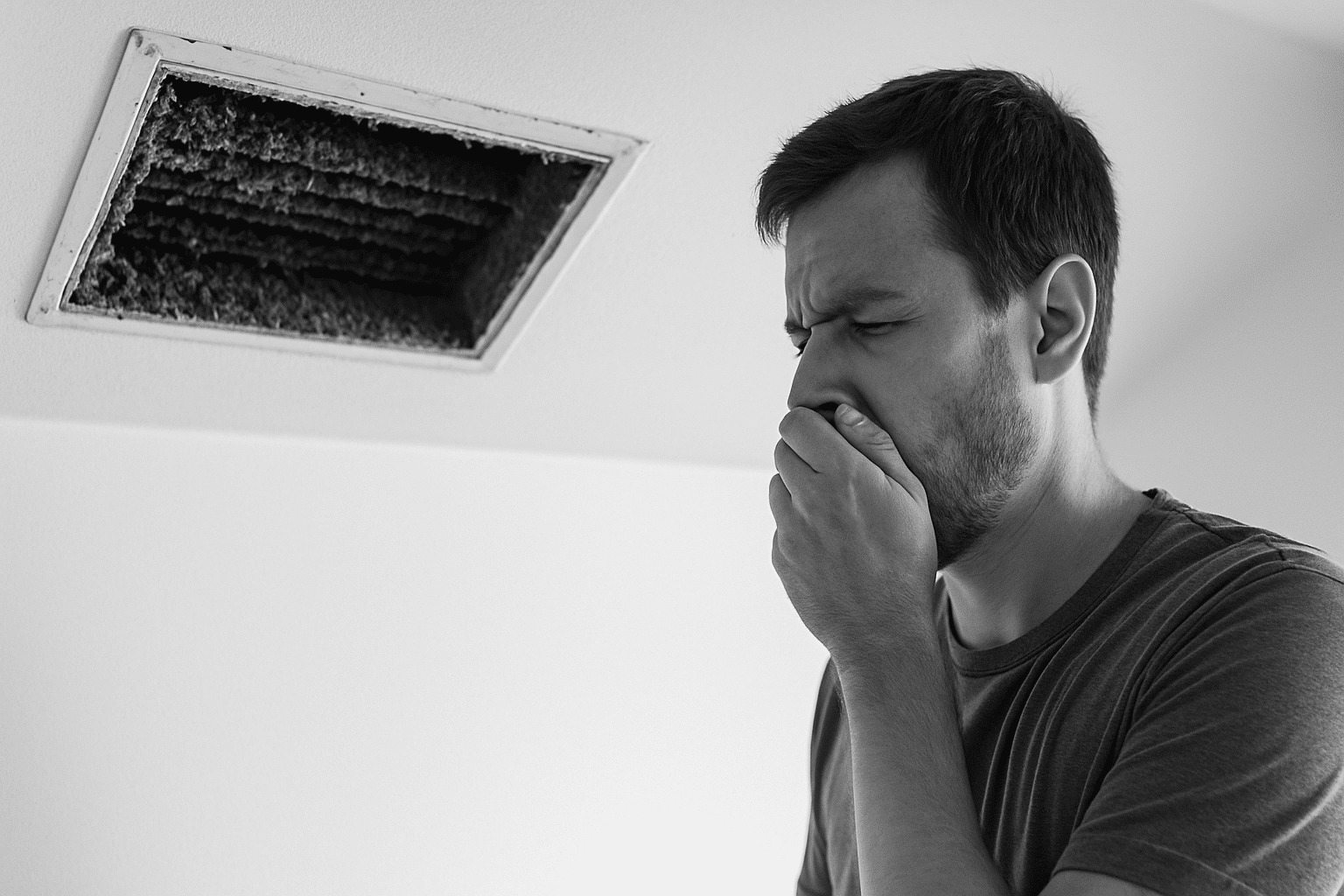
- Yes, mold spores can cause respiratory issues and allergic reactions. Regular cleaning is essential for maintaining indoor air quality.
- What are the signs of moisture buildup in HVAC systems?
- Visible condensation on ducts or components, musty odors, visible mold growth.
Conclusion
Cleaning AC ducts effectively is a critical step in maintaining indoor air quality and energy efficiency. By following this comprehensive guide tailored to Dubai’s climate conditions, you can prevent mold growth, reduce allergens, and ensure your HVAC system operates at its best. Regular maintenance not only improves comfort but also saves on energy costs over time. Understanding Clean Ac Ducts Effectively In High-risk Environments is key to success in this area.

Leave a Reply