


Efficiency In Dubai: How Desert Dust Affects HVAC Efficiency In Dubai Villas
Introduction
Understanding How Desert Dust Affects Hvac Efficiency In Dubai Villas is essential. Desert dust is a prevalent issue in the UAE, particularly in Dubai, where it can significantly impact the efficiency and longevity of heating, ventilation, and air conditioning (HVAC) systems. This article delves into how desert dust affects HVAC performance in villas, highlighting its effects on indoor air quality, system cleanliness, and overall energy consumption.
How Desert Dust Affects HVAC Efficiency In Dubai Villas – Dust and Indoor Air Quality
Contents
- 1 How Desert Dust Affects HVAC Efficiency In Dubai Villas – Dust and Indoor Air Quality
- 2 How Desert Dust Affects HVAC Efficiency In Dubai Villas – How Dust Accumulates in HVAC Systems
- 3 How Desert Dust Affects HVAC Efficiency In Dubai Villas – System Performance and Efficiency
- 4 Long-Term Effects of Desert Dust
- 5 Preventing Dust Accumulation
- 6 Coils and Drain Pans
- 7 Expert Tips for Maintaining HVAC Systems in Villas
- 8 Frequently Asked Questions
- 9 Conclusion
Desert dust, composed of fine particles from sand, minerals, and other debris, can enter HVAC systems through vents, windows, or any open gaps. These particles not only reduce the air quality but also contribute to the accumulation of dust within the system.
Indoor Air Quality Issues
The presence of dust in your villa’s air can lead to several issues:
- Increased allergens and irritants, triggering respiratory problems such as asthma and allergies.
- Risk of mold growth due to moisture retention within the system.
- Spoiled odors from vents causing discomfort in occupants.
How Desert Dust Affects HVAC Efficiency In Dubai Villas – How Dust Accumulates in HVAC Systems
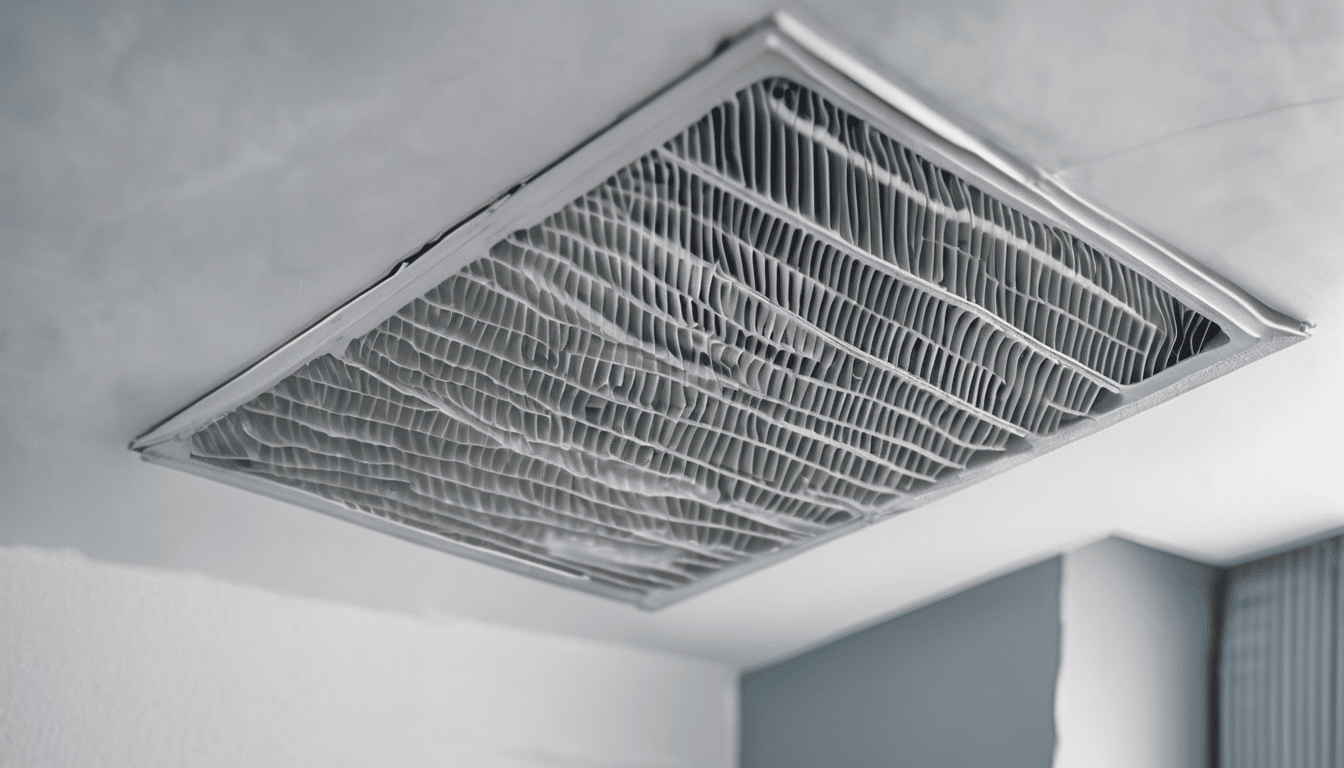
Desert dust can accumulate in various parts of your HVAC system, leading to decreased efficiency and increased maintenance needs. Here are the key areas where dust tends to build up:
Ductwork and Air Handlers
Dust enters the ductwork through small openings or gaps, settling on surfaces like the air handler and fan blades.
How Desert Dust Affects HVAC Efficiency In Dubai Villas – System Performance and Efficiency
The accumulation of dust in your HVAC system can significantly impact its performance. Here’s how:
- Reduced Airflow: Dust obstructs the air passages, leading to reduced airflow and less effective cooling or heating.
- Increased Energy Consumption: A dirty system requires more energy to operate efficiently, increasing your utility bills.
Long-Term Effects of Desert Dust
Prolonged exposure to desert dust can lead to several long-term effects on your HVAC systems:
- Component Damage: Accumulated dust can corrode and damage internal components, such as coils and motors.
- Microbial Growth: Moisture from condensation combined with dust creates an ideal environment for mold and bacteria to thrive.
Preventing Dust Accumulation
To minimize the impact of desert dust on your HVAC system, follow these preventive measures:
- Seal Gaps: Seal any gaps or openings in ductwork and windows to prevent dust from entering.
- Regular Cleaning: Schedule regular professional cleaning and disinfection of your HVAC systems.
- Maintenance Checks: Conduct routine maintenance checks to identify and address potential issues early.
Deep Cleaning and Disinfection
A thorough deep cleaning can significantly improve the performance of your HVAC system. Here’s what you need to know: This relates directly to How Desert Dust Affects Hvac Efficiency In Dubai Villas.
- AC Duct Cleaning: Deep clean all ductwork, removing accumulated dust and debris.
- Mold Removal: Identify and treat any mold growth caused by moisture retention.
- Disinfection: Use human-safe disinfectants to kill bacteria and fungi in the system.
Coils and Drain Pans
The condenser and evaporator coils, as well as drain pans, are crucial components that can harbor dust and moisture. Regular cleaning is essential to prevent:
- Reduced Cooling Efficiency: Dirty coils reduce the system’s ability to cool effectively.
- Mold and Mildew Growth: Moisture in drain pans can lead to mold growth, affecting indoor air quality.
Expert Tips for Maintaining HVAC Systems in Villas
To ensure your villa’s HVAC system operates efficiently despite the challenges posed by desert dust, follow these expert tips:
- Regular Maintenance: Schedule annual or bi-annual maintenance with a professional HVAC technician.
- Duct Sealing: Seal all ductwork and gaps to prevent dust from entering the system.
- Proper Ventilation: Ensure adequate ventilation in your villa to reduce humidity levels, which can promote mold growth.
Frequently Asked Questions
Q: How often should I clean my HVAC system?
A: It is recommended to have your HVAC system cleaned and maintained at least once a year, or more frequently if you live in an area with high dust levels.
Q: Can desert dust cause damage to my AC unit?
A: Yes, desert dust can accumulate inside the AC unit, leading to reduced performance, increased energy consumption, and potential component damage over time.
Q: How does mold grow in an HVAC system?
A: Mold grows when moisture is present, often due to condensation in drain pans or coils. Dust can act as a nutrient source for mold spores, promoting their growth within the system. When considering How Desert Dust Affects Hvac Efficiency In Dubai Villas, this becomes clear.
Conclusion
Understanding how desert dust affects HVAC efficiency in Dubai villas is crucial for maintaining clean indoor air and reducing energy consumption. By following preventive measures and regular maintenance practices, you can ensure your HVAC systems operate at optimal levels despite challenging environmental conditions.


Leave a Reply