

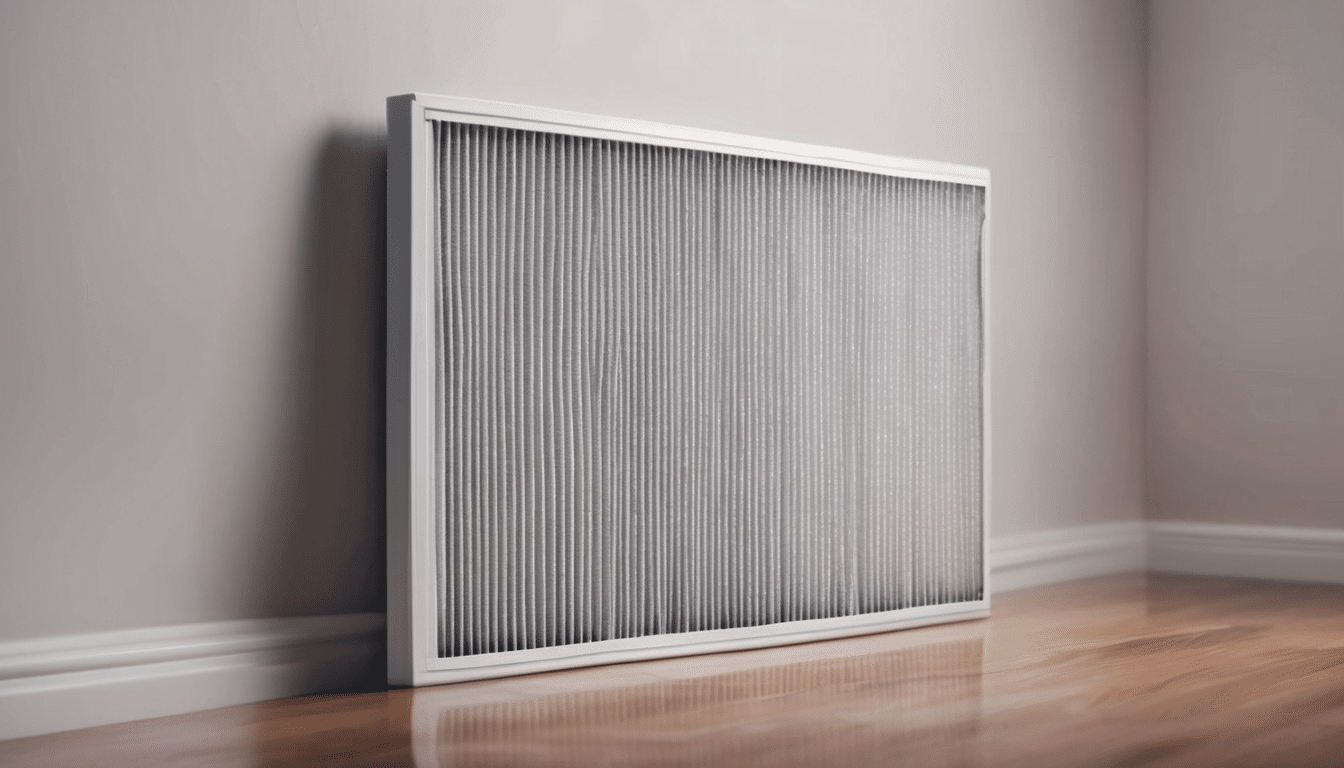
Clean Hvac Filters For Optimal Air Quality: How To Clean
Understanding Clean Hvac Filters For Optimal Air Quality is essential. —
Understanding How to Clean HVAC Filters for Optimal Air Quality
Contents
- 1 Understanding How to Clean HVAC Filters for Optimal Air Quality
- 2 Clean Hvac Filters For Optimal Air Quality: What You Will Need for Cleaning
- 3 Clean Hvac Filters For Optimal Air Quality – Step-by-Step Guide on How to Clean HVAC Filters
- 4 Choosing Between Washable and Disposable Filters for Homes
- 5 Advanced Filtration Techniques to Reduce Allergens in HVAC Systems
- 6 Mold Growth Prevention Tips Inside Your HVAC System
- 7 Expert Tips for Maintaining Healthy Air Quality
- 8 Frequently Asked Questions About HVAC Filter Cleaning
- 9 Conclusion
How to clean HVAC filters is a crucial step in maintaining optimal indoor air quality, particularly in the United Arab Emirates where year-round AC usage and high humidity are common. Poor filter maintenance can lead to reduced airflow, increased energy consumption, and compromised health for occupants. This relates directly to Clean Hvac Filters For Optimal Air Quality.
Why Clean HVAC Filters
Dirty filters not only affect system performance but also contribute to the circulation of allergens, dust mites, and other contaminants. Regular cleaning ensures that your air conditioning or heating system operates efficiently, reducing energy costs while providing a cleaner, healthier environment.
Clean Hvac Filters For Optimal Air Quality: What You Will Need for Cleaning
To clean HVAC filters effectively, you’ll need the following items:
- Replacement filter if your current one is disposable (check the manufacturer’s recommendations)
- Vacuum cleaner with a brush attachment or compressed air canister
- Gloves and a mask for protection during cleaning
- Water and mild detergent for washable filters (if applicable)
- A soft cloth or sponge for washing filters (if applicable)
Clean Hvac Filters For Optimal Air Quality – Step-by-Step Guide on How to Clean HVAC Filters
Follow these steps to clean your HVAC filters:
- Turn Off the System and Allow It to Cool Down: Before you start, ensure that your air conditioning or heating system is turned off. Wait for a few minutes until it has completely cooled down.
- Locate the Filter: Find where your filter is located. Typically, it’s accessible through a panel near the return air vent in your HVAC unit.
- Remove the Dirty Filter: Carefully take out the old filter and set it aside for cleaning or disposal.
- Clean Washable Filters: If you have washable filters, gently rinse them with water to remove loose debris. Use a mild detergent if necessary, but avoid harsh chemicals that can damage the filter material.
- Wash and Dry Disposable Filters: For disposable filters, dispose of them properly and replace with a new one. Ensure you purchase the correct replacement size for your system to maintain optimal performance.
- Vacuum or Blow Off Contaminants: Use a vacuum cleaner with a brush attachment or compressed air canister to remove dust and debris from both washable and disposable filters. This step is crucial for maintaining airflow.
- Rinse Washable Filters Again: If you rinsed them earlier, give the filters another quick rinse under water before allowing them to dry completely.
- Reinstall Clean or New Filter: Place your clean filter back into the HVAC unit, ensuring it fits properly and is securely installed. Check that the system panel is closed correctly after installation.
Choosing Between Washable and Disposable Filters for Homes
The choice between washable and disposable filters depends on your specific needs:
- Washable Filters: These are more cost-effective in the long run as they can be reused multiple times. They are also better at capturing smaller particles, making them ideal for allergy sufferers or those with respiratory issues.
- Disposable Filters: Although these need to be replaced frequently, they are easier to handle and do not require any cleaning process. They are a good option if you don’t want the hassle of maintaining washable filters.
Consider your indoor air quality needs and your budget when deciding which type of filter is best for your home.
Advanced Filtration Techniques to Reduce Allergens in HVAC Systems
In addition to regular cleaning, you can enhance the filtration process with advanced techniques:
- High-Efficiency Particulate Air (HEPA) Filters: These filters are designed to capture up to 99.97% of airborne particles as small as 0.3 microns. They are particularly effective in reducing allergens, pollutants, and other fine particulates.
- Air Purifiers: Supplementing your HVAC system with air purifiers can further improve indoor air quality by removing additional contaminants from the air.
- MERV Ratings: Minimum Efficiency Reporting Value (MERV) ratings indicate a filter’s ability to capture particles. Filters with higher MERV ratings are more efficient at capturing smaller particles, including allergens and mold spores.
Mold Growth Prevention Tips Inside Your HVAC System
Mold growth can be a significant issue in HVAC systems, especially in humid climates like those found in the UAE. Here are some tips to prevent mold:
- Regular Cleaning and Maintenance: Regular cleaning of filters, coils, and ducts is essential to remove excess moisture that can lead to mold growth.
- Dry Ductwork: Ensure proper drainage in your HVAC system to prevent water from pooling inside. Check for condensation issues and address them promptly.
- Proper Ventilation: Adequate ventilation helps reduce moisture levels, making it harder for mold to grow. Open windows or use exhaust fans when possible.
- Circulate Air Regularly: Avoid keeping doors and vents closed for extended periods as this can trap moist air inside the system.
Expert Tips for Maintaining Healthy Air Quality
To ensure you maintain healthy indoor air quality, follow these expert tips:
- Regular Inspections and Cleaning: Have your HVAC system inspected by a professional at least once a year to identify any issues that could affect air quality.
- Clean Ducts Regularly: In addition to filters, cleaning ducts can help remove accumulated dust, mold, and other contaminants. Professional duct cleaning may be necessary every few years depending on the system’s use and environment.
- Use Humidifiers Sparingly: While humidifiers are useful in dry climates, overuse can lead to excess moisture that promotes mold growth. Use them only when necessary and monitor indoor humidity levels closely.
- Avoid Smoking Inside: Smoking indoors increases the number of pollutants and allergens in your home’s air, negatively impacting air quality.
Frequently Asked Questions About HVAC Filter Cleaning
Here are some common questions and their answers:
- How often should I clean or replace my filters?
- For washable filters, cleaning every two to four weeks is recommended. For disposable filters, replacing them monthly is generally sufficient.
- Can I reuse washable filters after they’re cleaned?
- Yes, you can reuse washable filters several times before they need replacement. However, ensure that they are thoroughly dried to prevent mold growth.
- What signs indicate a dirty filter?
- A clogged or dirty filter will restrict airflow and increase the workload on your HVAC system, leading to increased energy consumption and potentially reduced cooling efficiency.
Conclusion
Cleaning HVAC filters is an essential task for maintaining optimal indoor air quality in homes across Abu Dhabi, Dubai, Sharjah, Ajman, Fujairah, Ras Al Khaimah, United Arab Emirates. By following this comprehensive guide and implementing advanced filtration techniques, you can significantly improve the health of your home environment. Understanding Clean Hvac Filters For Optimal Air Quality is key to success in this area.

Leave a Reply