

Identify Hidden Mold Growth Inside Ac Systems: How To
<h2 id="introduction-to-hidden-mold-growth-inside-ac-systems”>Introduction to Hidden Mold Growth Inside AC Systems
Mold can grow inside air conditioning (AC) systems, leading to hidden threats to indoor air quality. In Dubai’s climate, this typically leads to persistent issues like musty odors and reduced cooling efficiency. This article will guide you through identifying these hidden mold growth signs in your AC system. This relates directly to Identify Hidden Mold Growth Inside Ac Systems.
Identify Hidden Mold Growth Inside Ac Systems – Signs of Hidden Mold Growth in AC Systems
Contents
- 1 Identify Hidden Mold Growth Inside Ac Systems – Signs of Hidden Mold Growth in AC Systems
- 2 How to Identify Hidden Mold Growth Inside AC Systems: A Step-by-Step Guide
- 3 Environmental Factors Contributing to Hidden Mold Growth
- 4 Preventing Hidden Mold Growth in AC Systems
- 5 Expert Tips for Identifying and Preventing Hidden Mold Growth
- 6 Frequently Asked Questions (FAQ)
- 7 Conclusion: How to Identify Hidden Mold Growth Inside AC Systems
Mold can grow unseen within the ductwork, coils, and other parts of an HVAC system. Identifying it early can save you from costly repairs and health risks.
Musty or Sour Odors
The most common sign is a musty or sour odor coming from your AC vents. This could indicate mold growth within the ductwork.
Visible Mold Spots on Coils and Ducts
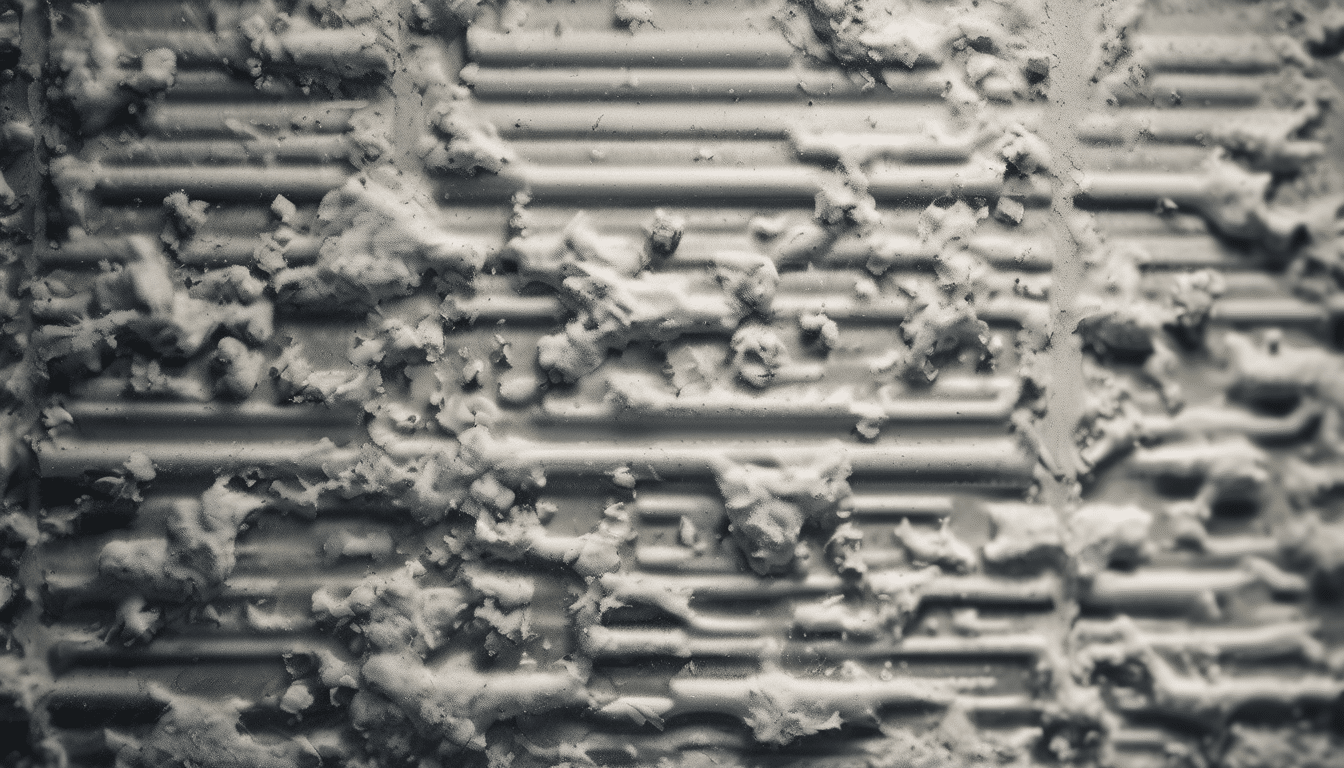
Inspect the evaporator coil, condenser coils, and interior of the ducts for any visible signs of mold spots. While these might be less common in well-maintained systems, they can still occur.
How to Identify Hidden Mold Growth Inside AC Systems: A Step-by-Step Guide
Follow these steps for a thorough inspection of your AC system:
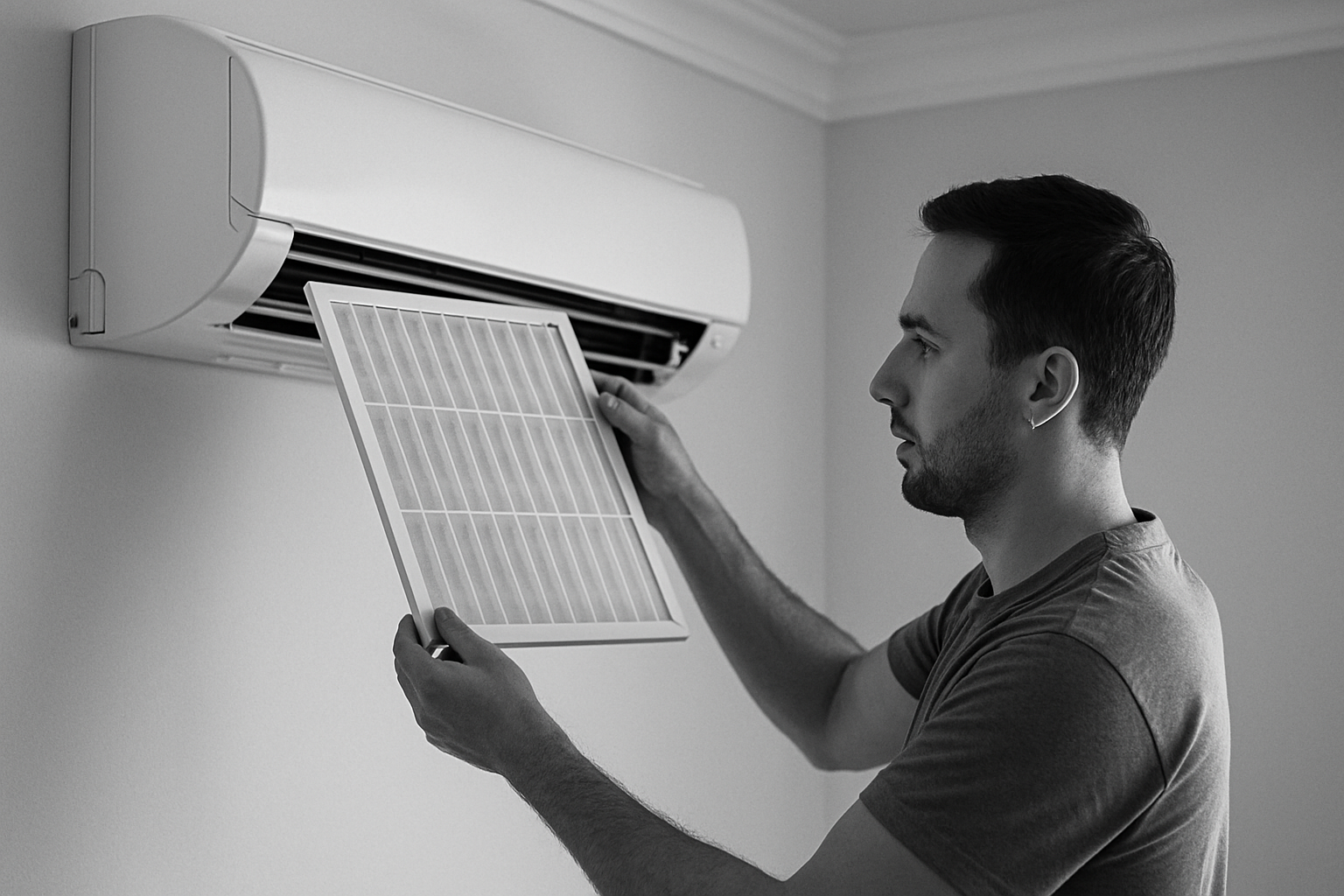
- Check the Filters Regularly: Replace or clean air filters at least every 3 months. Dirty filters can trap moisture and promote mold growth.
- Inspect Ductwork Visually: Use a mirror or camera to inspect the interior of ducts for any signs of discoloration, mustiness, or visible mold spots.
- Check Coil Surfaces: Inspect the evaporator and condenser coils for any discolored areas. A white or black coating on these surfaces could indicate mold growth.
- Listen to Ducts During Operation: Listen for unusual noises such as gurgling, hissing, or knocking sounds that might indicate water leakage, which can lead to mold growth.
- Use a Moisture Meter: Place the meter on various parts of your AC system, especially in areas with higher humidity. Mold thrives in damp environments.
- Inspect Drain Pan and Lines: Check for any water leakage or standing water around the drain pan, as this can lead to mold growth.
- Use a Fibreoptic Duct Camera: For a more thorough inspection, use a fibreoptic duct camera to look inside the ductwork from end to end. This will help identify any hidden areas of concern.
Environmental Factors Contributing to Hidden Mold Growth
Mold growth in AC systems is often linked to environmental factors such as high humidity, poor ventilation, and dust accumulation. In Dubai’s climate, these conditions are exacerbated by year-round air conditioning usage and desert dust.
High Humidity Levels
In Dubai’s warm and humid climate, AC systems can struggle to maintain optimal indoor temperatures, leading to increased humidity levels within the ductwork. This moisture provides a perfect environment for mold growth.
Dust Accumulation
The desert dust that accumulates in AC systems over time can create an ideal substrate for mold spores to thrive. Regular cleaning and maintenance are crucial to prevent this accumulation.
Preventing Hidden Mold Growth in AC Systems
To prevent hidden mold growth, follow these prevention strategies: When considering Identify Hidden Mold Growth Inside Ac Systems, this becomes clear.
- Regular Maintenance: Schedule professional cleaning and disinfection of your AC system at least twice a year.
- Proper Ventilation: Ensure that the AC system is properly ventilated to prevent moisture buildup.
- Dust Management: Regularly clean the air filters and inspect for any visible dust accumulation. Use HEPA filters if necessary to trap fine particles.
- Water Drainage Checks: Inspect the drain pan and lines regularly for leaks or blockages that can lead to mold growth.
- Mold-Resistant Materials: Where possible, use materials in AC systems that are resistant to moisture and mold growth.
Expert Tips for Identifying and Preventing Hidden Mold Growth
Here are some actionable tips from an experienced AC specialist:
- Use Professional Services: Regular inspections by a professional can help detect hidden mold growth early.
- Monitor Air Quality: Use air quality monitors to track changes in indoor humidity and temperature, which can indicate potential mold issues.
- Keep System Dry: Ensure that water from the condensate drain is properly directed away from the AC system to prevent moisture accumulation.
- Use Humidity Controls: Consider installing dehumidifiers or other humidity control devices in areas prone to high indoor humidity.
- Install Air Purifiers: Use air purifiers with HEPA filters to remove mold spores from the air before they can settle and grow inside your AC system.
Frequently Asked Questions (FAQ)
Here are some common questions about hidden mold growth in AC systems:
- Q: Can I prevent mold growth on my own?
A: Yes, regular maintenance and inspection can help. However, professional services may be necessary for thorough inspections. - Q: How often should I clean my AC system?
A: At least twice a year is recommended to prevent mold growth and ensure optimal performance. - Q: What signs indicate severe mold issues?
A: Severe mold issues can be indicated by persistent odors, visible mold spots, or health complaints like allergies or respiratory issues.
Conclusion: How to Identify Hidden Mold Growth Inside AC Systems
Identifying hidden mold growth in your AC system is crucial for maintaining indoor air quality and preventing health risks. By following the steps outlined in this guide, you can detect potential issues early and take preventive measures to protect your family’s well-being. Understanding Identify Hidden Mold Growth Inside Ac Systems is key to success in this area.



Leave a Reply