

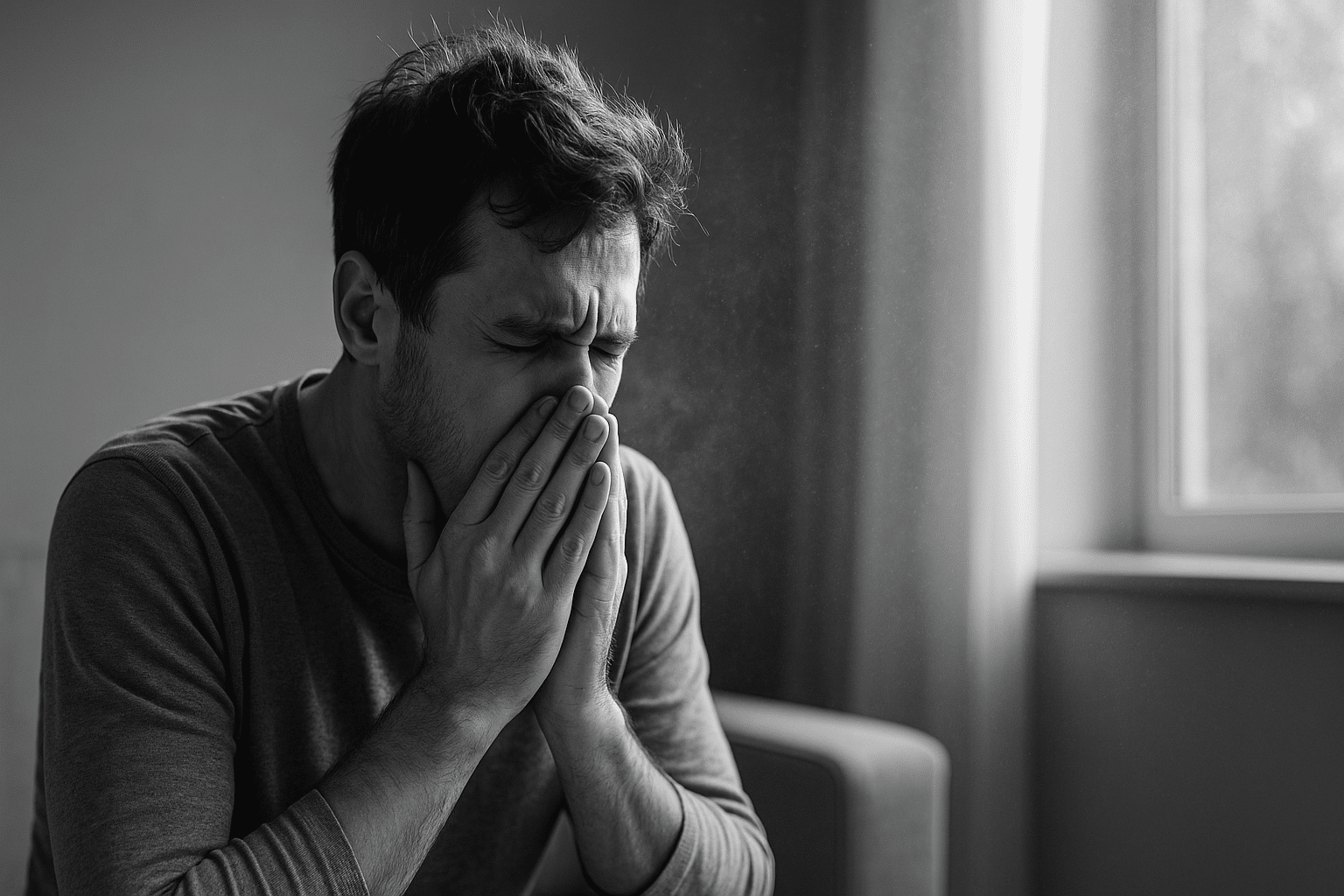
9 Critical Insights into the Health Risks of Poor Indoor Air Quality in Dubai
Table of Contents
Contents
- 1 Table of Contents
- 2 Introduction
- 3 Causes of Poor Indoor Air Quality
- 4 Health Risks of Poor Indoor Air Quality
- 4.1 Common Indoor Pollutants and Their Impact on Health
- 4.2 Respiratory Issues
- 4.3 Allergic Reactions and Asthma
- 4.4 Cardiovascular Effects
- 4.5 Headaches and Fatigue
- 4.6 Infections and Immune System Impact
- 4.7 Impact on Children and Sensitive Groups
- 4.8 Short- and Long-Term Consequences of Indoor Air Pollution
- 5 How to Improve Indoor Air Quality Effectively
- 6 Monitoring Indoor Air Quality
- 7 Regulatory Framework Supporting Indoor Air Quality in Dubai
- 8 Frequently Asked Questions (FAQ)
- 8.1 What are the main pollutants causing poor indoor air quality in Dubai?
- 8.2 How often should I have my HVAC system cleaned in Dubai?
- 8.3 Does indoor air quality affect children differently?
- 8.4 Can indoor plants help reduce health risks of poor indoor air quality?
- 8.5 Are there UAE government guidelines on indoor air quality?
- 9 Conclusion and CTA
Introduction
The health risks of poor indoor air quality remain a growing concern for residents and businesses across Dubai. Whether at home, in offices, or in public spaces, exposure to polluted indoor air can lead to severe health consequences. Understanding these health risks and learning how to improve indoor air quality effectively is essential for protecting yourself and your family.
Causes of Poor Indoor Air Quality
Indoor air quality (IAQ) in Dubai is affected by various factors, particularly due to the city’s unique climate and urban environment. Several contributors to poor indoor air quality include:
- Dust and Sandstorms: Frequent desert dust and sand can enter indoor spaces, raising particulate matter levels significantly.
- Humidity and Mold: Despite Dubai’s arid climate, high indoor humidity from cooling systems can promote mold growth, affecting air quality.
- Building Materials and Furnishings: Volatile organic compounds (VOCs) from paints, adhesives, and furniture released into the air may cause irritation and allergies.
- Cooking and Heating Appliances: Emissions from gas stoves and poorly ventilated appliances increase indoor pollutants.
- Lack of Ventilation: Tight sealing in modern buildings often traps pollutants indoors, decreasing fresh air exchange.
- Cleaning Products and Pesticides: Chemicals used in cleaning and pest control can contribute to indoor air contamination.
Understanding these causes helps frame the importance of addressing the health risks of poor indoor air quality in Dubai’s residences and workplaces.
Key Factors Contributing to Poor Indoor Air Quality in Dubai
Several factors unique to Dubai’s environment and lifestyle impact indoor air quality and increase health risks. Recognizing these factors is key to understanding the health risks of poor indoor air quality in the region:
- Climate and Building Design: The ultra-hot climate encourages sealed window designs and constant air conditioning, which, without proper maintenance, can recirculate pollutants and reduce fresh air exchange.
- High Urban Density: The concentration of vehicles, construction activities, and industrial facilities release external air pollutants that often infiltrate indoor environments.
- Use of Cleaning Agents and Scented Products: Many popular household products available in Dubai retail markets emit VOCs, contributing to indoor air pollution.
- Humidity and Water Damage: Despite the arid climate, localized water leaks and poor insulation can cause mold growth, especially in areas like Nad Al Sheba where older buildings sometimes experience maintenance issues.
Health Risks of Poor Indoor Air Quality
The health risks of poor indoor air quality range from immediate discomfort to chronic diseases. Exposure to pollutants such as particulate matter (PM2.5 and PM10), VOCs, carbon monoxide, and biological contaminants can lead to various health problems:
Common Indoor Pollutants and Their Impact on Health
Poor indoor air quality primarily arises from the accumulation of pollutants that originate from various sources inside buildings. These pollutants include particulate matter (PM), volatile organic compounds (VOCs), carbon monoxide, mold spores, and allergens such as dust mites and pet dander. In Dubai’s high-rise apartments and commercial towers, the use of air-conditioning systems, cooking fumes, and off-gassing from construction materials or furniture can amplify pollutant levels.
Exposure to these pollutants has been linked to an array of health problems, often grouped under respiratory, cardiovascular, and neurological effects. Addressing the health risks of poor indoor air quality is paramount for public well-being in Dubai.
Respiratory Issues
Polluted indoor air triggers respiratory symptoms such as coughing, wheezing, shortness of breath, and exacerbation of asthma. For Dubai residents, frequent dust intrusion and air-conditioned environments increase vulnerability to these conditions. Particulate matter and allergens can trigger or worsen respiratory conditions such as asthma, bronchitis, and chronic obstructive pulmonary disease (COPD). In children and the elderly, who are more vulnerable, poor air quality can lead to increased hospital visits due to breathing difficulties. These issues underscore the significant health risks of poor indoor air quality.
Allergic Reactions and Asthma
Allergens like mold spores, dust mites, and chemical irritants can worsen allergies and asthma attacks. Children and elderly residents in Dubai are particularly susceptible. Recognizing these specific vulnerabilities is part of understanding the broader health risks of poor indoor air quality.
Cardiovascular Effects
Long-term exposure to indoor air pollutants is linked to an increased risk of heart disease and hypertension. Fine particles and chemical pollutants have been associated with elevated risks of heart attacks, irregular heartbeats, and strokes. These conditions are particularly concerning for Dubai’s growing population with lifestyle-related health challenges, emphasizing the severe health risks of poor indoor air quality.
Headaches and Fatigue
Poor indoor air quality often leads to symptoms such as headaches, dizziness, and chronic fatigue, reducing productivity and well-being. Prolonged exposure to certain VOCs like formaldehyde or benzene—common in paints, adhesives, and cleaning products—can cause headaches, dizziness, fatigue, and in some cases, long-term cognitive impairments. These symptoms are clear indicators of the health risks of poor indoor air quality.
Infections and Immune System Impact
Contaminated air can carry bacteria and viruses, increasing the risk of infections and weakening immune defenses. This further contributes to the overall health risks of poor indoor air quality.
Impact on Children and Sensitive Groups
Children, pregnant women, and individuals with pre-existing health conditions face heightened risks when exposed to poor indoor air quality. Children’s immune and respiratory systems are still developing, making them more prone to infections and long-term lung damage. Elderly residents and people with chronic conditions also experience worsened symptoms. Pregnant women’s exposure to toxic air indoors may result in adverse birth outcomes. Given Dubai’s diverse population, with many households employing domestic workers exposed to indoor pollutants daily, it is important to raise public awareness and encourage preventive measures to protect these vulnerable groups and mitigate the health risks of poor indoor air quality.
Short- and Long-Term Consequences of Indoor Air Pollution
It is important to differentiate between the short-term and chronic health risks associated with poor indoor air quality, as both have significant implications for personal health and public safety. Understanding these distinctions helps clarify the full spectrum of the health risks of poor indoor air quality.
Short-Term Effects: These usually present immediately or within hours of exposure to polluted indoor air. Individuals might experience irritation of the eyes, nose, and throat, coughing, sneezing, headaches, and allergic reactions. Such symptoms are frequently reported in offices or residential buildings in Dubai during the hot summer months when windows remain closed, and HVAC systems circulate contaminated air.
Notably, acute exposure to carbon monoxide, which can accumulate in poorly ventilated areas or faulty gas appliances, poses a serious health threat including nausea, confusion, and in severe cases, unconsciousness or death. The Dubai Civil Defence and Dubai Municipality regularly emphasize the importance of proper installation and upkeep of gas systems to mitigate this risk.
Long-Term Effects: Chronic exposure to polluted indoor air magnifies the risk of developing severe health conditions over time. Lung cancer, chronic respiratory diseases, and cardiovascular ailments are among the most concerning outcomes. Children growing up in homes or schools with poor ventilation and high chemical pollutant concentrations can suffer from impaired lung development and increased susceptibility to respiratory infections.
Furthermore, ongoing exposure to indoor mold and fungal spores, especially in poorly maintained buildings in areas like Business Bay or Dubai Marina with high humidity levels, can lead to chronic sinus infections and allergic bronchopulmonary aspergillosis. The Dubai Health Authority (DHA) and Dubai Municipality’s building codes now require enhanced ventilation systems in residential and commercial developments to address these persistent risks.
Due to these risks, Dubai authorities like the Dubai Municipality and Dubai Health Authority (DHA) emphasize the importance of maintaining good indoor air quality. The Dubai Health Authority (DHA) emphasizes the importance of understanding the health risks of poor indoor air quality, providing guidelines to reduce exposure to indoor pollutants and recommending routine monitoring for homes and workplaces.
How to Improve Indoor Air Quality Effectively
Addressing the health risks of poor indoor air quality in Dubai requires practical and effective measures tailored to local conditions. Here are actionable steps to enhance indoor air quality in your living or working space:
Improve Ventilation
- Open windows and doors whenever possible to allow fresh air circulation, especially in the cooler months when outdoor air quality is better.
- Use exhaust fans in kitchens and bathrooms to remove contaminants at the source.
- Consider installing energy recovery ventilators (ERVs) compatible with Dubai’s climate to maintain airflow without excessive energy losses.
- Integrating natural ventilation where feasible or installing high-efficiency ventilation systems can boost fresh air supply and dilute indoor contaminants, thereby reducing the health risks of poor indoor air quality.
Choose Air Purifiers Wisely
High-efficiency particulate air (HEPA) filters can effectively reduce airborne particles in enclosed spaces. When selecting an air purifier in Dubai, prioritize units that remove dust, VOCs, and allergens common in the region. Affordable indoor air quality monitors and HEPA or activated carbon air purifiers can be particularly valuable in homes with children or elderly residents in densely populated neighborhoods like Arabian Ranches or Dubai Marina. These tools are key to managing the health risks of poor indoor air quality.
Control Humidity Levels
- Maintain indoor humidity around 40-50% to prevent mold growth.
- Use dehumidifiers in areas prone to dampness, such as basements or bathrooms.
Regular Cleaning
Routine cleaning reduces dust accumulation and microbial contaminants. Use vacuum cleaners with HEPA filters and damp dusting methods to minimize airborne dust. This simple practice significantly lowers the health risks of poor indoor air quality.
Limit Use of Chemicals
Opt for low-VOC paints, natural cleaning agents, and avoid aerosol sprays where possible. Dubai’s environmental product standards encourage the use of safe materials indoors. Selecting paints, adhesives, and furniture certified by the Emirates Authority for Standardization and Metrology (ESMA) to have low VOC emissions helps reduce indoor chemical risks. Limiting these chemicals is vital to combat the health risks of poor indoor air quality.
Maintain HVAC Systems
Schedule regular inspections and cleaning of air conditioning and ventilation systems to prevent buildup of pollutants and microbial growth. Dubai’s hot climate makes air conditioning essential, but neglecting regular cleaning and servicing can lead to contaminated filters and ducts. Dubai Municipality and Dubai Health & Safety recommend routine inspections to reduce pollutant recirculation.
Indoor Plants
Certain indoor plants can improve air quality by absorbing pollutants. However, choose species suited for Dubai’s indoor conditions and maintain them properly to avoid mold.
Smoking Policies
Implement strict no-smoking rules indoors. Smoking drastically worsens indoor air quality and poses serious health hazards.
Educating building managers, facility operators, and residents about the sources and health effects of indoor air pollution enhances proactive risk management.
Monitoring Indoor Air Quality
Consistent monitoring helps identify and mitigate risks associated with poor indoor air quality. Dubai residents can use:
- Portable indoor air quality monitors measuring particulate matter, CO2, VOCs, and humidity.
- Smart home systems that adjust ventilation based on air pollution levels.
- Professional indoor air audits conducted by certified companies specialized in Dubai’s conditions.
Data from these tools enable informed decisions to improve air quality and reduce health risks.
Regulatory Framework Supporting Indoor Air Quality in Dubai
Dubai’s government agencies actively work to mitigate indoor air pollution and its health impacts. The Dubai Municipality enforces building codes that include air quality criteria, while the Dubai Health Authority incorporates indoor environmental factors in public health guidelines. Dubai Civil Defence enforces safety standards addressing carbon monoxide risks, and the Dubai Electricity & Water Authority (DEWA) promotes sustainable building practices that indirectly influence indoor environment quality.
The UAE Fire & Life Safety Code also stipulates ventilation and smoke control requirements for buildings in Dubai, aiming to limit occupants’ exposure to hazardous air during emergencies. Compliance with these regulations helps reduce the overall health risks of poor indoor air quality across residential and commercial spaces.
Frequently Asked Questions (FAQ)
What are the main pollutants causing poor indoor air quality in Dubai?
Common pollutants include dust and sand particles, VOCs from building materials and furnishings, mold spores due to humidity, and emissions from cooking or cooling appliances.
How often should I have my HVAC system cleaned in Dubai?
It is advised to have HVAC systems inspected and cleaned at least twice a year to ensure effective filtration and prevent microbial growth.
Does indoor air quality affect children differently?
Yes. Children’s developing lungs and immune systems make them more vulnerable to pollutants, increasing risks of asthma, allergies, and respiratory infections.
Can indoor plants help reduce health risks of poor indoor air quality?
Certain plants can remove specific toxins, but they are supplementary to ventilation and air filtration systems rather than a standalone solution.
Are there UAE government guidelines on indoor air quality?
Yes. Dubai Municipality and Dubai Health Authority provide standards and recommendations tailored to local climate and building designs, focusing on reducing pollutants indoors.
Conclusion and CTA
Understanding the health risks of poor indoor air quality in Dubai is crucial for safeguarding your well-being. By recognizing the causes, health impacts, and actionable improvement strategies, residents and businesses can create healthier indoor environments.
The health risks of poor indoor air quality are a pressing concern in Dubai, where rapid urban development and climatic factors create challenges for maintaining safe indoor environments. Understanding the sources and health implications of indoor pollutants allows residents, employers, and policymakers to implement effective strategies that protect vulnerable groups and improve quality of life. Through coordinated efforts involving infrastructure improvements, regulatory compliance, and public education, Dubai continues to work toward healthier and more breathable indoor spaces for all.
Take proactive measures today: improve ventilation, control humidity, limit chemical usage, and consider professional inspections. For specialized services to mitigate the health risks of poor indoor air quality in Dubai, contact Saniservice to help you breathe cleaner, healthier air indoors.
Related articles


Leave a Reply