

5 Critical Health Risks of Poor Indoor Air Quality Dubai and How to Improve It
Table of Contents
Contents
- 1 Table of Contents
- 2 Health Risks of Poor Indoor Air Quality Dubai
- 3 Main Causes of Poor Indoor Air Quality
- 4 Symptoms Linked to Indoor Air Pollution
- 5 Practical Tips for Improving Indoor Air Quality
- 6 FAQ on Health Risks of Poor Indoor Air Quality Dubai
- 7 Conclusion & Call to Action
- 8 Understanding the Health Risks of Poor Indoor Air Quality Dubai
- 8.1 Common Pollutants Impacting Indoor Air in Dubai
- 8.2 Short-Term Health Effects From Poor Indoor Air Quality
- 8.3 Long-Term Health Risks and Chronic Conditions
- 8.4 Special Considerations for Dubai’s Indoor Environments
- 8.5 Vulnerable Groups and Workplace Considerations
- 8.6 Key Indicators and Symptoms to Watch For
- 8.7 How Dubai Authorities Address Indoor Air Quality Risks
- 8.8 Practical Steps to Mitigate Health Risks in Dubai Homes and Offices
- 9 Conclusion
Health Risks of Poor Indoor Air Quality Dubai
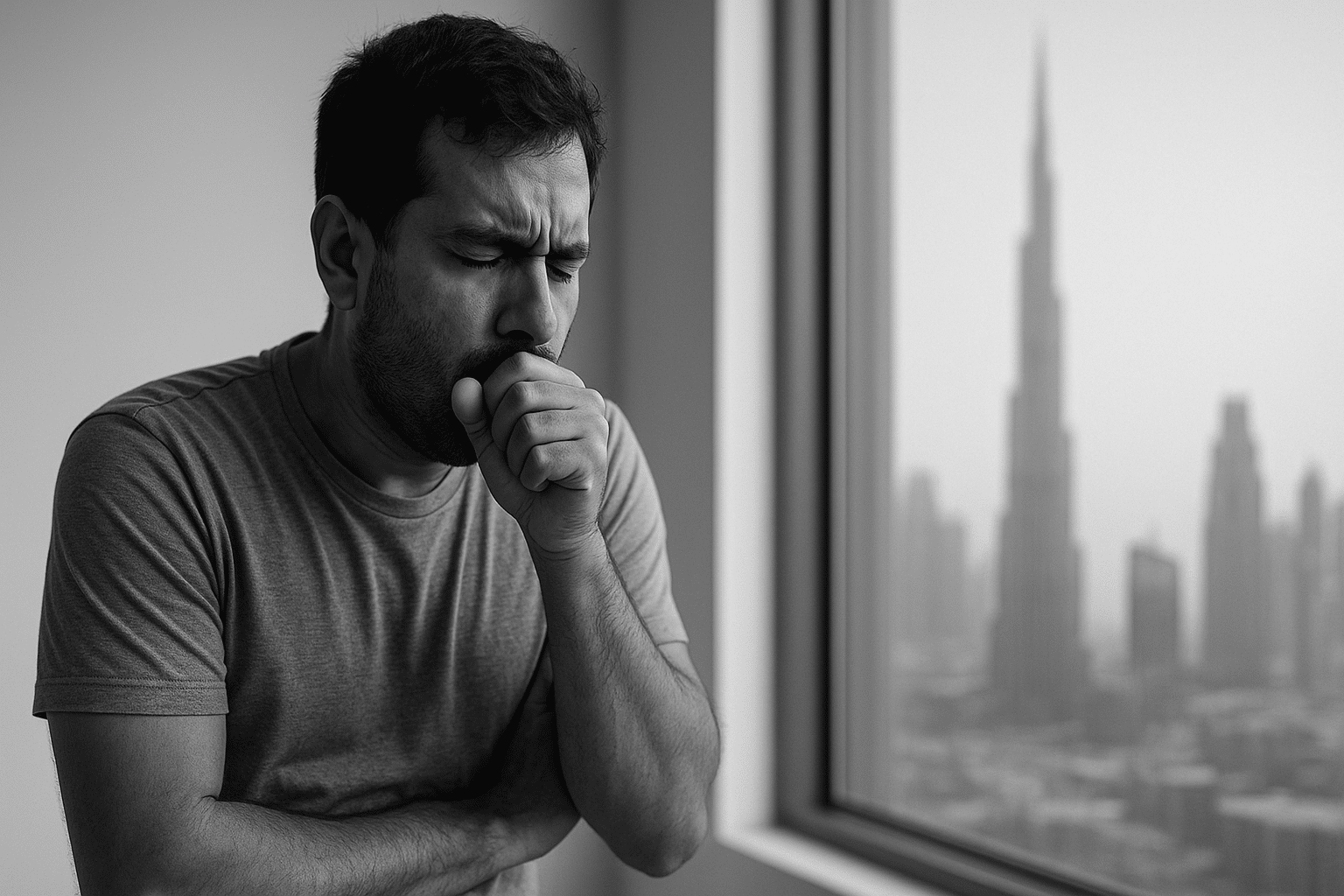
The health risks of poor indoor air quality dubai affect thousands of residents daily in homes, offices, and public places. In Dubai’s hot climate, where indoor environments are heavily relied upon, poor air quality can compromise health significantly. Pollutants trapped indoors cause respiratory problems, allergies, and in extreme cases, chronic conditions that reduce life quality.
Understanding these risks is especially important as urban living in Dubai continues expanding. Buildings in Dubai Marina, Downtown Dubai, and Business Bay often have sealed environments that can trap pollutants, increasing the impact of poor indoor air quality and elevating the health risks of poor indoor air quality dubai for residents.
Main Causes of Poor Indoor Air Quality
Identifying the causes of poor indoor air quality is the first step toward reducing the health risks of poor indoor air quality dubai. In Dubai, several unique factors contribute:
- Dust and Sand: Frequent dust storms carry fine particulate matter indoors, especially in areas like Nad Al Sheba.
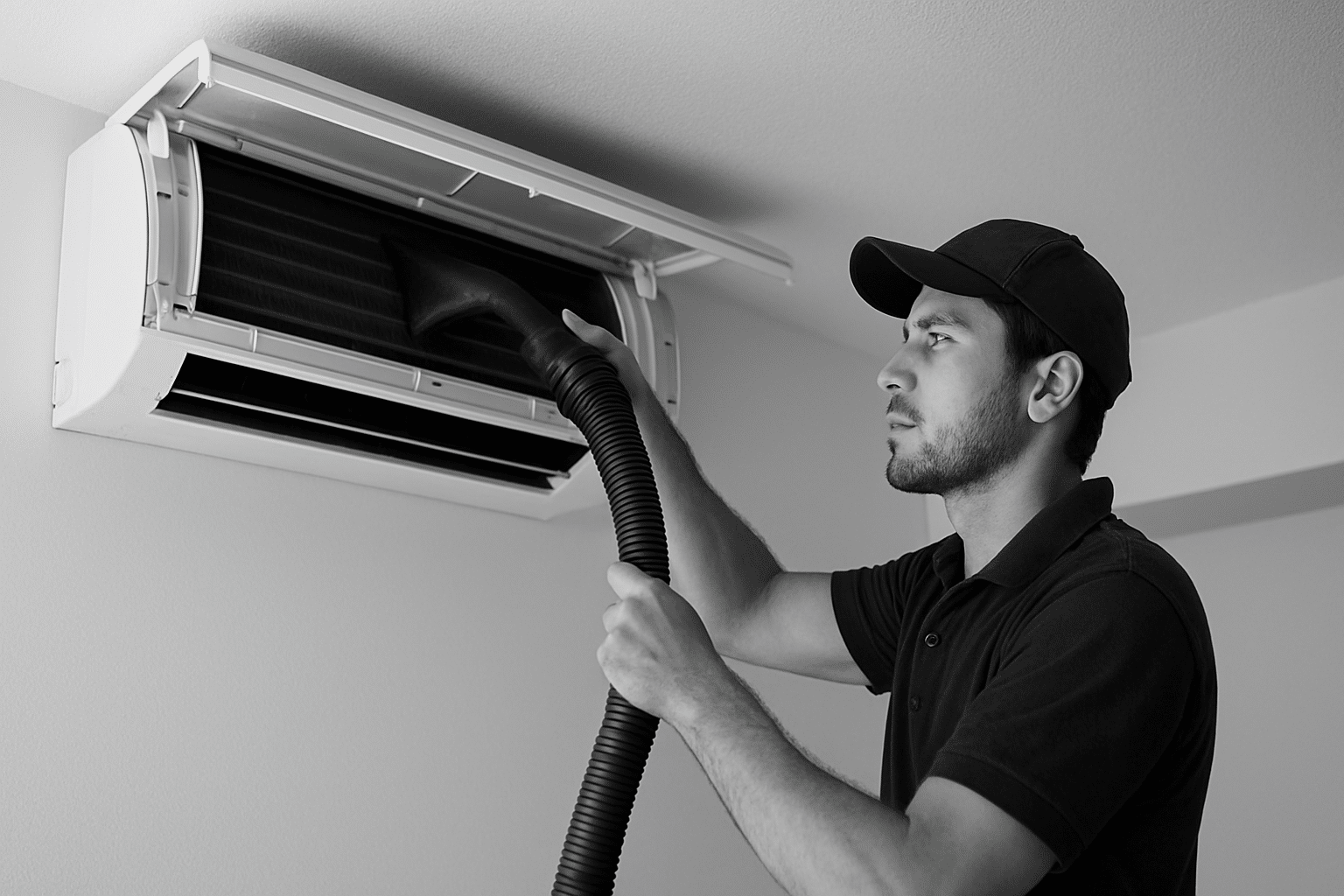
- Air Conditioning Systems: Inadequate maintenance of HVAC systems in buildings like office towers in Business Bay can circulate mold, bacteria, and accumulated contaminants.
- Building Materials and Furnishings: Some construction materials and furniture emit VOCs (volatile organic compounds), intensifying indoor air pollutants.
- Humidity and Mold Growth: Excess moisture from poorly ventilated bathrooms or kitchens in apartments contributes to mold, worsening respiratory issues.
- Tobacco Smoke and Indoor Activities: Smoking indoors or extensive use of certain cleaning products with strong chemicals can degrade air quality drastically. These factors collectively contribute to the significant health risks of poor indoor air quality dubai.
Symptoms Linked to Indoor Air Pollution
Recognizing symptoms caused by poor indoor air quality helps residents and businesses act swiftly. The health risks of poor indoor air quality dubai range from mild irritations to serious health effects. Common symptoms include:
- Persistent coughing, sneezing, or throat irritation
- Eye irritation, redness, or watery eyes
- Headaches, dizziness, or fatigue
- Worsening of asthma or allergy symptoms
- Difficulty concentrating or increased stress levels
More severe exposure can lead to long-term effects such as chronic respiratory diseases, heart conditions, or even increased risk of lung infections, a concern for vulnerable groups in Dubai such as children, the elderly, and people with pre-existing conditions. Addressing these concerns is vital to mitigate the full spectrum of health risks of poor indoor air quality dubai.
Practical Tips for Improving Indoor Air Quality
Reducing the health risks of poor indoor air quality dubai requires smart interventions at home, work, and public spaces. Here are effective actionable tips:
Maintain Clean HVAC Systems
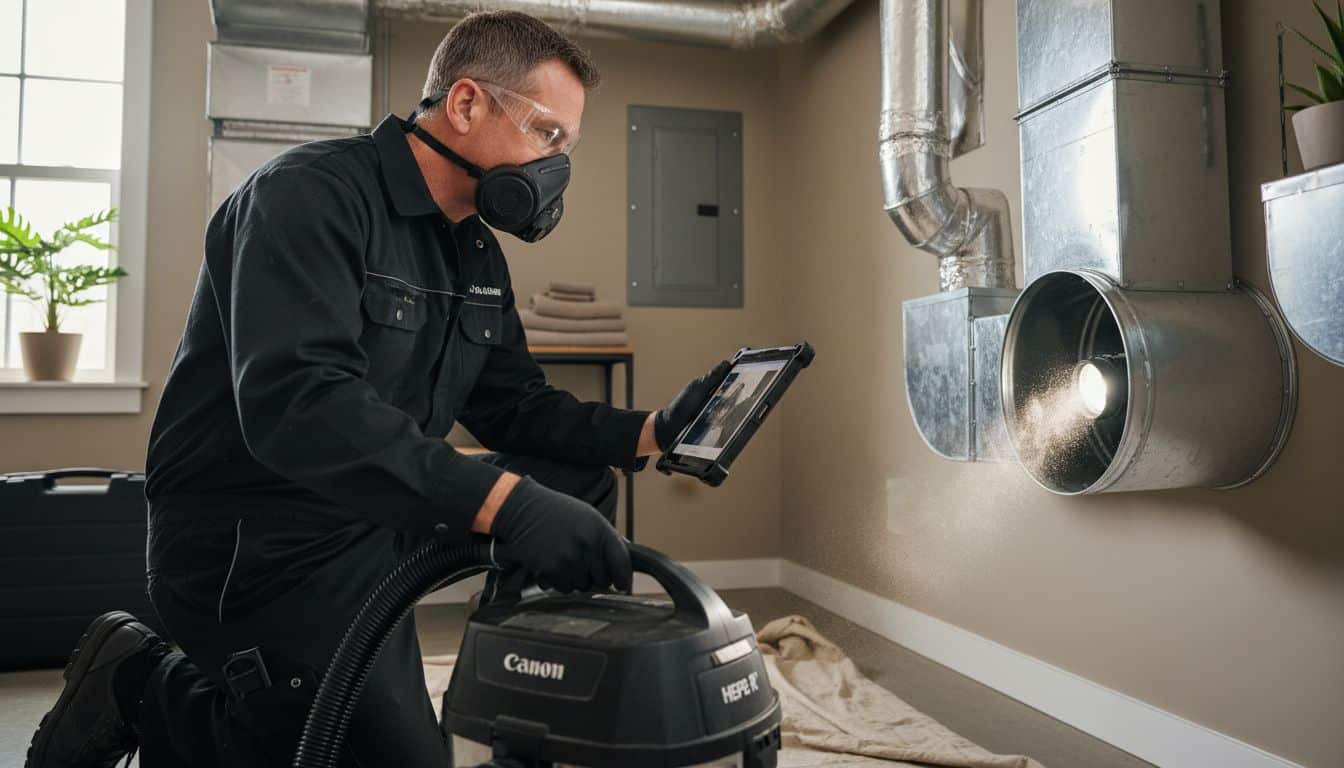
Regular cleaning and servicing of air conditioning units help reduce dust, mold, and allergens circulating indoors. Certified providers like Saniservice in Dubai, specialists in addressing the health risks of poor indoor air quality Dubai, specialize in improving indoor air environments through comprehensive cleaning.
Use HEPA Air Purifiers
HEPA filters trap fine particulate matter and allergens effectively, improving indoor air quality and reducing the health risks of poor indoor air quality dubai especially in high-pollution zones such as Business Bay or Arabian Ranches.
Control Humidity Levels
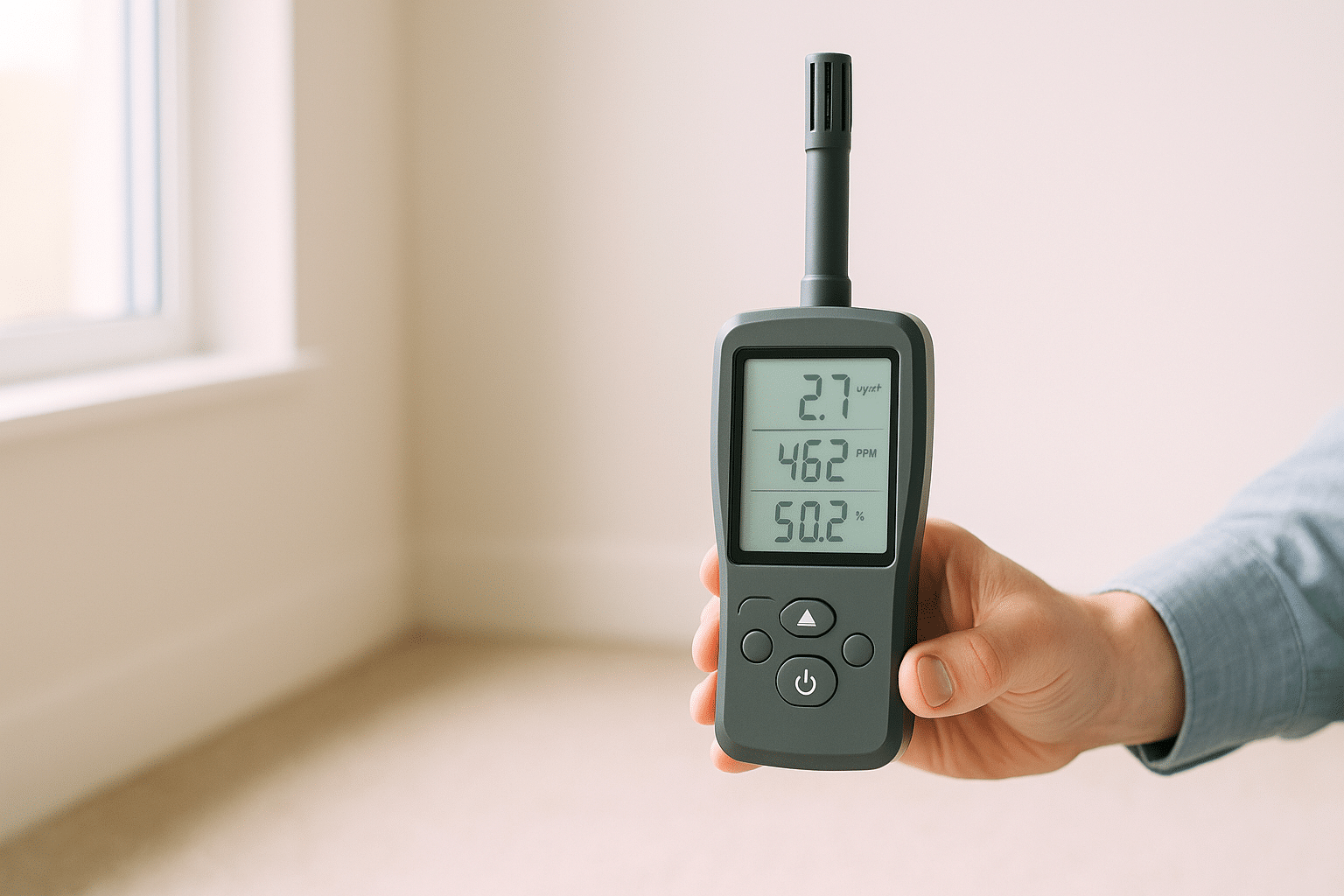
In Dubai’s climate, controlling indoor humidity around 40-60% prevents mold growth. Dehumidifiers or adequate ventilation in bathrooms and kitchens are critical.
Introduce Green Plants
Certain indoor plants naturally filter air toxins while adding humidity balance. Popular selections include spider plants and snake plants suited for Dubai homes and offices.
Reduce Use of Chemical Pollutants
Choose low-VOC paints and cleaning products. Avoid indoor smoking and limit heavily scented products that release harmful fumes.
Increase Ventilation
Whenever possible, open windows or use mechanical ventilation to exchange stale indoor air with fresh outdoor air, even in Dubai’s warmer months with smart timing. This action directly helps in mitigating the health risks of poor indoor air quality dubai.
| Improvement Action | Benefits |
|---|---|
| Regular HVAC cleaning | Reduced allergens and bacteria circulation |
| HEPA air purifiers | Capture of fine dust and PM2.5 particles |
| Humidity control | Prevention of mold and mildew growth |
| Use of green plants | Natural air toxin absorption and oxygenation |
| Low-VOC products | Minimized chemical exposure |
FAQ on Health Risks of Poor Indoor Air Quality Dubai
What are the main indoor air pollutants in Dubai?
Indoor air pollutants in Dubai commonly include dust from sand storms, VOCs from building materials, mold spores from humidity, and smoke particulates.
How does poor indoor air quality affect children in Dubai?
Children are particularly vulnerable; exposure can lead to increased asthma attacks, respiratory infections, and impaired lung development.
How often should air conditioning systems be cleaned?
Experts recommend servicing AC systems at least twice a year, with filter changes every 3-6 months depending on usage and pollution levels.
Can improving indoor air quality reduce healthcare costs?
Yes, mitigating indoor pollutants lowers respiratory-related illnesses and absenteeism, improving general wellbeing and productivity.
Are there Dubai regulations for indoor air quality?
Dubai Municipality and other authorities have guidelines focusing on ventilation, building materials, and environmental hygiene to ensure safer indoor air.
For commercial spaces, refer to Dubai Municipality building regulations for addressing the health risks of poor indoor air quality Dubai to understand compliance requirements related to indoor environments.
Conclusion & Call to Action
Awareness of the health risks of poor indoor air quality dubai and active steps to improve air cleanliness are vital for safeguarding health in Dubai’s urban lifestyle. Regular cleaning, proper ventilation, and adopting smart indoor air quality solutions can transform living and working spaces into healthier environments, thereby minimizing the health risks of poor indoor air quality dubai.
If you want to take action today, consider consulting Saniservice, Dubai’s trusted partner specializing in professional indoor air quality and cleaning services, tailored to the unique needs of Dubai’s climate and buildings.
Understanding the Health Risks of Poor Indoor Air Quality Dubai
Indoor air quality (IAQ) is a critical aspect of a healthy living and working environment, particularly in Dubai’s unique climatic and urban landscape. The health risks of poor indoor air quality dubai are significant and often exacerbated by the city’s rapid urbanization, high-density residential areas, and reliance on air conditioning systems due to the hot climate. Understanding the health risks of poor indoor air quality Dubai helps residents and businesses take proactive steps to maintain healthier indoor environments and comply with local regulations established by Dubai Municipality and the Dubai Health Authority (DHA).
Common Pollutants Impacting Indoor Air in Dubai
Unlike outdoor air pollution primarily driven by traffic and industrial activities, indoor air pollution is often associated with specific sources that may be overlooked. In Dubai, household and commercial indoor spaces frequently contend with:
- Particulate matter (PM) from dust, construction activities nearby, and infiltration of desert sand.
- Volatile organic compounds (VOCs) emitted from common materials such as paints, carpets, cleaning agents, furniture, and air fresheners.
- Biological contaminants like mold, bacteria, and dust mites, often resulting from insufficient ventilation or high humidity in certain areas.
- Carbon monoxide (CO) and radon, though less common, may occur due to faulty appliances or improper ventilation.
The interplay of these pollutants creates a cocktail of indoor air hazards that directly affect human health in varied and sometimes subtle ways. This interplay of pollutants significantly increases the health risks of poor indoor air quality dubai.
Short-Term Health Effects From Poor Indoor Air Quality
Exposure to poor indoor air quality can result in immediate, noticeable health symptoms that generally worsen with prolonged exposure. These are often experienced in offices, schools, shopping malls, and homes in areas like Downtown Dubai, Business Bay, and Arabian Ranches, where air circulation issues or maintenance lapses might occur.
- Respiratory irritation: Many individuals report coughing, sneezing, runny nose, and throat irritation, especially in the initial stages.
- Eye and skin discomfort: Dryness, itching, and redness of eyes and skin are common complaints linked to dust and VOCs.
- Headaches and dizziness: VOCs and carbon monoxide can contribute to headaches, fatigue, and reduced concentration, particularly in workplaces.
- Allergic reactions: Elevated levels of dust mites and mold spores indoors can trigger asthma attacks or worsen allergies in sensitive individuals.
These symptoms may appear mild initially, but if poor air conditions persist, they can severely impact well-being and daily productivity. Therefore, addressing these short-term effects is crucial to mitigate the broader health risks of poor indoor air quality dubai.
Long-Term Health Risks and Chronic Conditions
Extended exposure to polluted indoor air in Dubai can lead to more severe and chronic health conditions. The health risks of poor indoor air quality Dubai are particularly concerning for vulnerable groups such as children, elderly residents, pregnant women, and people with pre-existing respiratory illnesses or cardiovascular diseases.
- Chronic respiratory diseases: Persistent exposure can contribute to the development or worsening of bronchitis, chronic obstructive pulmonary disease (COPD), and asthma. This is especially relevant in densely built localities like Dubai Marina and Nad Al Sheba where indoor pollutants can accumulate without proper ventilation.
- Cardiovascular complications: Fine particulate matter (PM2.5) can penetrate deep into the lungs and enter the bloodstream, increasing risks of heart disease, hypertension, and stroke.
- Neurological effects: Emerging studies suggest indoor air pollutants may influence cognitive decline and neurological disorders, including memory loss and diminished motor skills.
- Cancer risk: Certain VOCs and radon gas are classified as carcinogens. Long-term exposure to these substances indoors increases the risk of various cancers, notably lung cancer.
Special Considerations for Dubai’s Indoor Environments
Dubai’s hot desert climate and urban structure impose unique challenges to managing indoor air quality effectively:
- Heavy reliance on air conditioning: Due to extreme heat, almost all indoor environments depend on air conditioning systems. If these systems are not regularly cleaned or maintained, they can become breeding grounds for mold, bacteria, and dust accumulation, circulating contaminants throughout buildings.
- Tight building envelopes: Modern, energy-efficient buildings designed to reduce outdoor heat ingress may inadvertently trap indoor pollutants, making proper ventilation and air purification critical.
- Dust storms and sand infiltration: Frequent dust storms introduce a high load of fine sand particles that can penetrate indoor spaces through gaps, vents, or during door openings, worsening particulate pollution indoors.
- Rapid urban development: Construction activities in prominent districts such as Business Bay and Dubai Marina contribute to increased indoor dust levels and VOC pollution during the building and finishing phases.
Vulnerable Groups and Workplace Considerations
Certain populations in Dubai’s indoor environments face heightened risks from poor IAQ.
- Children and elderly: Schools and elder care facilities in areas like Arabian Ranches and Medos must monitor IAQ closely because developing lungs and weakened immune systems increase susceptibility to pollutants.
- Office workers: Prolonged hours in offices with poor ventilation and unmaintained HVAC systems can trigger “sick building syndrome,” lowering productivity and increasing absenteeism.
- Healthcare facilities: Hospitals and clinics overseen by the Dubai Health Authority (DHA) follow strict IAQ protocols because compromised air quality can exacerbate patient health conditions and increase hospital-acquired infections.
Key Indicators and Symptoms to Watch For
Awareness of common signs associated with poor indoor air quality can help Dubai residents and employers identify problems early.
- Persistent coughing, wheezing, or shortness of breath without a clear cause.
- Frequent headaches, fatigue, or difficulty concentrating during or after time spent indoors.
- Increased allergy or asthma symptoms that worsen in certain buildings or rooms.
- Noticeable stale or chemical odors.
- Visible mold growth or excessive dust accumulation indoors.
How Dubai Authorities Address Indoor Air Quality Risks
The health risks of poor indoor air quality Dubai have prompted regulatory bodies like Dubai Municipality and the DHA to implement guidelines aimed at mitigating indoor air pollution impacts:
- Building codes and design standards: The Dubai Municipality enforces ventilation and material safety standards aligned with the UAE Fire & Life Safety Code to ensure new constructions meet minimum IAQ benchmarks.
- HVAC maintenance regulations: Mandates require regular inspection and cleaning of air conditioning systems, vital in Dubai’s hot climate, to reduce microbial growth and filter dust.
- Awareness campaigns and inspections: Municipal authorities periodically conduct inspections of commercial and residential buildings in popular neighborhoods such as Dubai Marina and Downtown Dubai to raise awareness and enforce best practices.
- Compliance with ESMA standards: The Emirates Authority for Standardization and Metrology (ESMA) oversees the certification of products like paints, adhesives, and cleaning agents, ensuring low VOC emissions to improve indoor environments.
Practical Steps to Mitigate Health Risks in Dubai Homes and Offices
Residents and businesses in Dubai can adopt practical strategies to improve indoor air quality and reduce health risks:
- Regular HVAC servicing: Schedule professional cleaning and filter replacement for air conditioning units, especially in areas like Business Bay or Medos where air circulation depends fully on mechanical systems.
- Improve ventilation: When possible, allow natural air exchange or install energy-efficient air purifiers that meet Dubai Municipality guidelines.
- Control indoor humidity: Use dehumidifiers in basements or enclosed spaces to prevent mold growth.
- Choose low-emission products: Opt for certified furniture, paints, and cleaning products approved by ESMA to limit VOC exposure.
- Minimize indoor smoking and chemical use: Smoking indoors and excessive spraying of air fresheners elevate pollutant levels.
- Regular cleaning: Frequent dusting and vacuuming with HEPA-filter-equipped appliances reduce allergens and particulates indoors.
Conclusion
The health risks of poor indoor air quality Dubai are significant but manageable with informed actions and adherence to local standards. Given Dubai’s climatic and urban factors, maintaining effective indoor air quality is crucial for protecting the wellbeing of residents and workers. With increased awareness, quality control of construction and maintenance practices, and regulatory support from Dubai Municipality and the DHA, indoor environments across Dubai can become safer and healthier spaces for all. Staying alert to symptoms, prioritizing ventilation, and ensuring regular system upkeep will help reduce the burden of indoor air pollution on health in this dynamic city.

Leave a Reply