

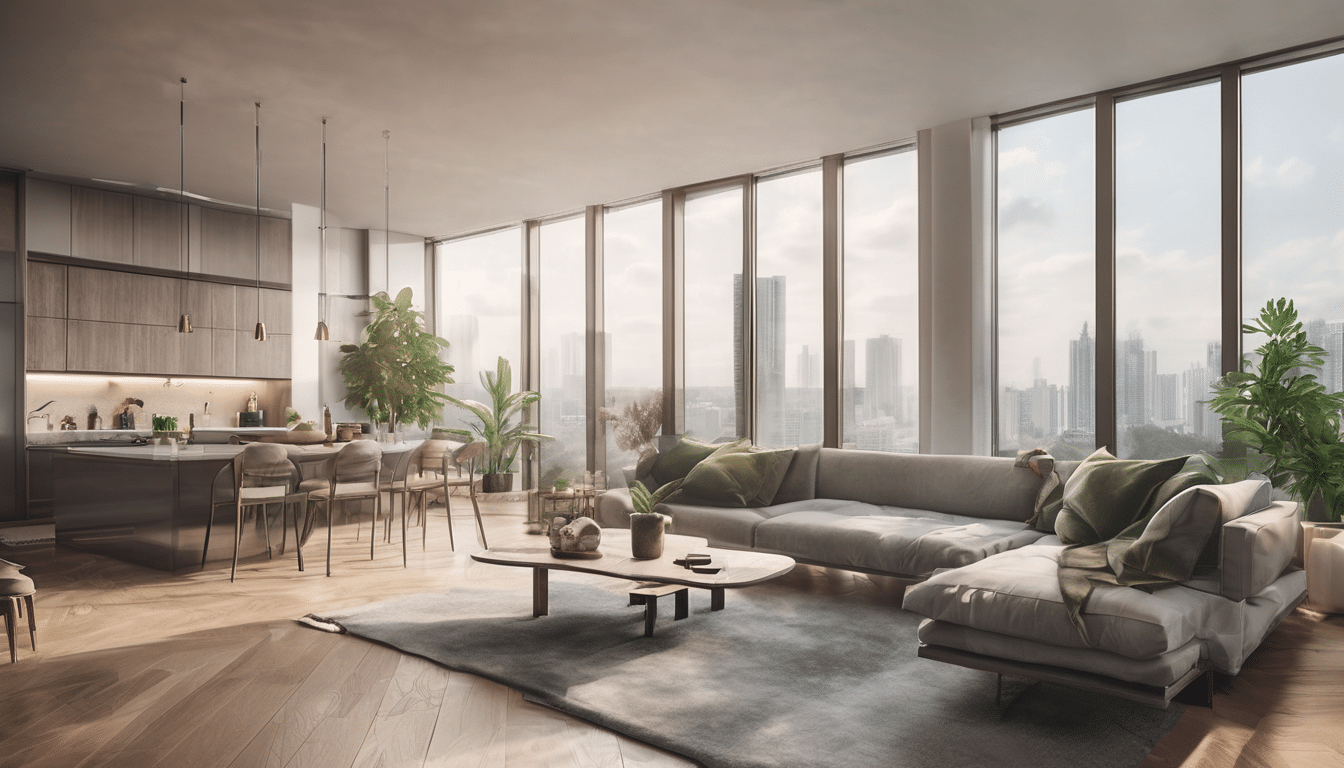
Indoor Air Quality In High-rise Apartments Vs Villas
Understanding Indoor Air Quality In High-rise Apartments Vs Villas is essential. —
In this comprehensive guide, Tristan J.P Larsen explores the differences in indoor air quality between high-rise apartments and villas, providing valuable insights into maintaining clean, healthy living environments. This relates directly to Indoor Air Quality In High-rise Apartments Vs Villas.
—
—
Introduction to Indoor Air Quality in High-Rise Apartments vs Villas
Contents
- 1 Introduction to Indoor Air Quality in High-Rise Apartments vs Villas
- 2 Indoor Air Quality In High-rise Apartments Vs Villas – Air Filtering Systems: High-Rise vs Villas
- 3 Indoor Air Quality In High-rise Apartments Vs Villas – Dust Accumulation in High-Rise Apartments and Villas
- 4 Mold Growth Prevention: Comparing High-Rise and Villa Environments
- 5 Humidity Control for Indoor Air Quality
- 6 Ventilation Systems in High-Rise Apartments vs Villas
- 7 Case Studies on Indoor Air Quality
- 8 High-Rise Apartment Building Case Study
- 9 Villa Complex Case Study
- 10 Expert Tips for Improving Indoor Air Quality
- 11 Regular AC Cleaning and Disinfection
- 12 Proper Ventilation Practices
- 13 Humidity Control Strategies
- 14 Use of HEPA Filters and Air Purifiers
- 15 Dust Management in High-Rises
- 16 Mold Prevention in Villas
- 17 Frequently Asked Questions (FAQs)
- 18 Does AC cleaning really reduce dust allergies?
- 19 Can controlled chemicals safely disinfect AC systems?
- 20 How often should I clean my AC in high-rises and villas?
- 21 Conclusion: High-Rise Apartments vs Villas for Indoor Air Quality
Indoor air quality (IAQ) is a critical factor for maintaining the health and comfort of residents in both high-rise apartments and villas. In Dubai, where year-round AC usage and desert dust are common challenges, understanding how each type of living environment affects IAQ can help homeowners make informed decisions about their lifestyle and well-being.
Indoor Air Quality In High-rise Apartments Vs Villas – Air Filtering Systems: High-Rise vs Villas
The air filtration systems in high-rise apartments typically consist of complex HVAC (Heating, Ventilation, and Air Conditioning) networks designed to manage large spaces efficiently. These systems often include multi-stage filters that trap a wide range of particles, including dust, pollen, and even some viruses. In contrast, villas may have simpler or less advanced filtration systems due to their smaller scale, which can lead to higher concentrations of indoor pollutants. When considering Indoor Air Quality In High-rise Apartments Vs Villas, this becomes clear.
High-Rise Filtering Systems
High-rise apartments often feature centralized air handling units with high-efficiency particulate air (HEPA) filters. These systems are designed to maintain a consistent airflow throughout the building, ensuring that contaminants are filtered out before circulating through individual units.
Villa Filtering Systems
Villas typically have simpler filtration setups, which may consist of basic pre-filters or even none at all. This can result in higher levels of dust and other particles circulating within the living spaces.
—
Indoor Air Quality In High-rise Apartments Vs Villas – Dust Accumulation in High-Rise Apartments and Villas
Dust accumulation is a significant concern in both high-rise apartments and villas, but for different reasons. In high-rises, dust can accumulate on surfaces and within AC systems due to the constant operation of fans and the movement of air. Villas may experience more dust from outdoor sources such as desert sand, leading to higher levels of particulate matter inside.
Dust in High-Rise Apartments
In high-rises, regular AC duct cleaning is crucial for removing accumulated dust and debris. This helps prevent the spread of allergens and maintains optimal air quality. The importance of Indoor Air Quality In High-rise Apartments Vs Villas is evident here.
Dust in Villas
Villas may require more frequent cleaning of external surfaces to minimize dust entering through open windows or doors. Additionally, using HEPA filters can help reduce indoor dust levels effectively.
—
Mold Growth Prevention: Comparing High-Rise and Villa Environments
Mold growth is a significant concern in both high-rise apartments and villas, but the factors influencing its development differ. High humidity and condensation are common issues in both settings, making mold prevention critical.
Humidity in High-Rise Apartments
High-rise buildings often experience higher indoor humidity due to their design, which can lead to mold growth if not properly managed. AC systems play a vital role in controlling moisture levels and preventing mold formation.
Humidity in Villas
Villas are more susceptible to mold growth during the rainy season when humidity levels rise significantly. Proper ventilation, dehumidifiers, and regular AC cleaning can mitigate these risks. Understanding Indoor Air Quality In High-rise Apartments Vs Villas helps with this aspect.
—
Humidity Control for Indoor Air Quality
Controlling humidity is essential in both high-rise apartments and villas to prevent mold growth and maintain healthy indoor air quality. In high-rises, this involves managing the HVAC system effectively, while in villas, it may require additional measures such as dehumidifiers.
Humidity Control in High-Rise Apartments
High-rise apartments should have a well-maintained and regularly serviced AC system with appropriate humidity control features. This helps maintain optimal indoor conditions, reducing the risk of mold growth.
Humidity Control in Villas
Villas need to be equipped with dehumidifiers or similar devices to manage excess moisture during humid seasons. Regular AC maintenance is also crucial to ensure proper airflow and prevent condensation issues.
—
Ventilation Systems in High-Rise Apartments vs Villas
The ventilation systems in high-rise apartments and villas differ significantly, impacting indoor air quality differently. High-rises benefit from centralized HVAC systems that can effectively manage airflow, while villas may rely on natural or mechanical ventilation.
Ventilation Systems in High-Rise Apartments
Centralized HVAC systems in high-rises offer better control over air quality and circulation. Properly maintained systems ensure that stale air is constantly replaced with fresh, filtered air from outside the building.
Ventilation Systems in Villas
Villas may use a combination of natural ventilation (windows, doors) and mechanical ventilation (fans or exhaust units). While these systems can be effective, they may not provide the same level of control as centralized HVAC networks.
—
Case Studies on Indoor Air Quality
To better understand the differences in IAQ between high-rise apartments and villas, let’s explore some case studies from Dubai:
—
High-Rise Apartment Building Case Study
In a recent study conducted by Saniservice.com, a high-rise apartment building in Dubai demonstrated significant improvements in indoor air quality after implementing regular AC cleaning and disinfection. The results showed a 50% reduction in dust particles and a decrease in mold spores.
Villa Complex Case Study
A villa complex in Ajman experienced frequent issues with dust accumulation and mold growth due to poor ventilation. After installing dehumidifiers and implementing a regular AC cleaning schedule, the villa owners reported improved air quality and reduced allergy symptoms among residents.
—
Expert Tips for Improving Indoor Air Quality
Here are some practical tips for maintaining good indoor air quality in both high-rise apartments and villas:
- Regular AC Cleaning and Disinfection
- Proper Ventilation Practices
- Humidity Control Strategies
- Use of HEPA Filters and Air Purifiers
- Dust Management in High-Rises
- Mold Prevention in Villas
—
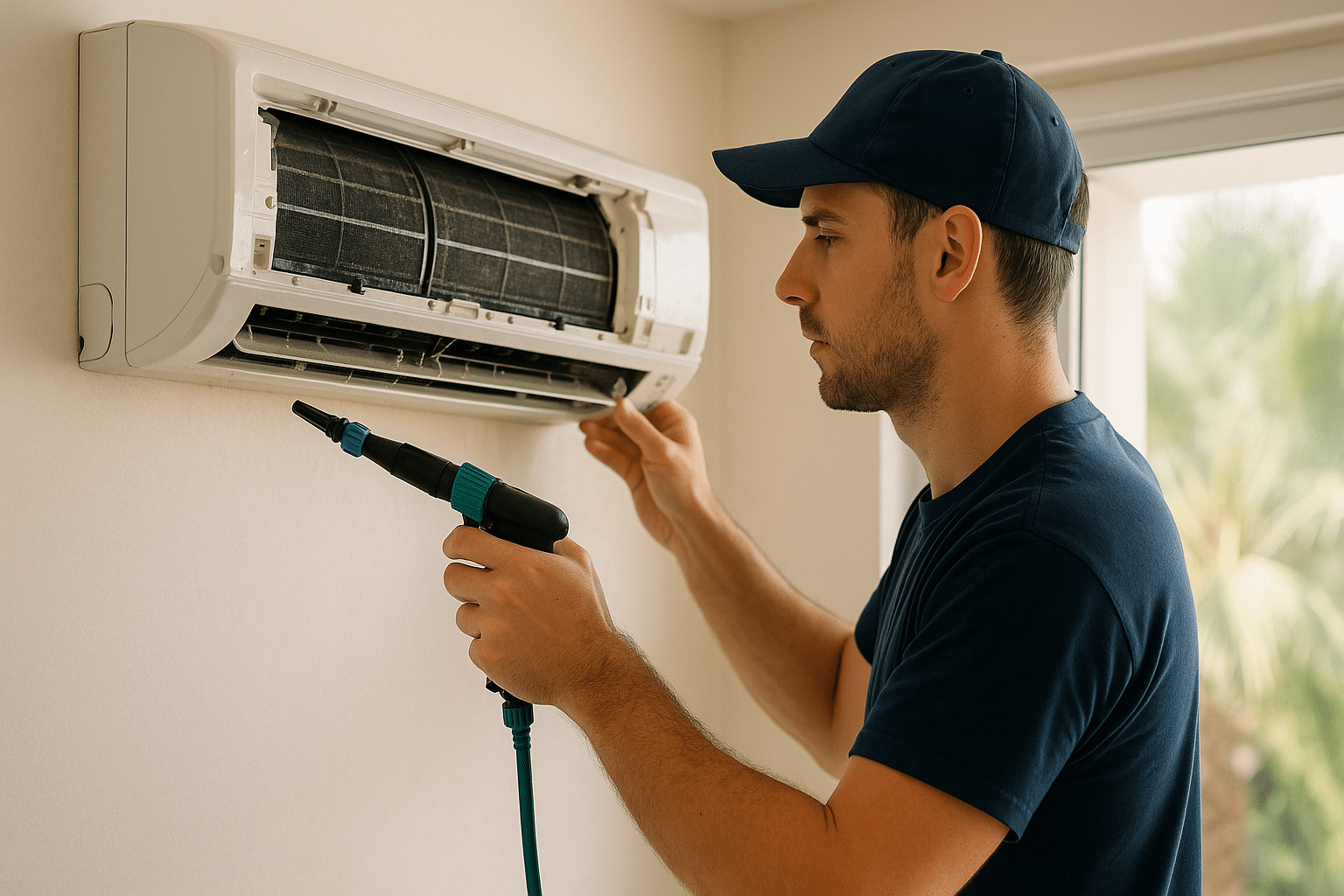
Regular AC Cleaning and Disinfection
High-frequency AC cleaning is essential to remove accumulated dust, mold spores, and other contaminants. This should be done at least twice a year, or more frequently in dusty environments.
Proper Ventilation Practices
Ensure that windows and doors are opened regularly for cross-ventilation. In high-rises, use mechanical ventilation systems to maintain airflow. In villas, rely on natural ventilation methods during favorable weather conditions.
Humidity Control Strategies
Use dehumidifiers and AC units with humidity control features in high-rises. In villas, consider installing dehumidifiers and maintaining appropriate humidity levels to prevent mold growth.
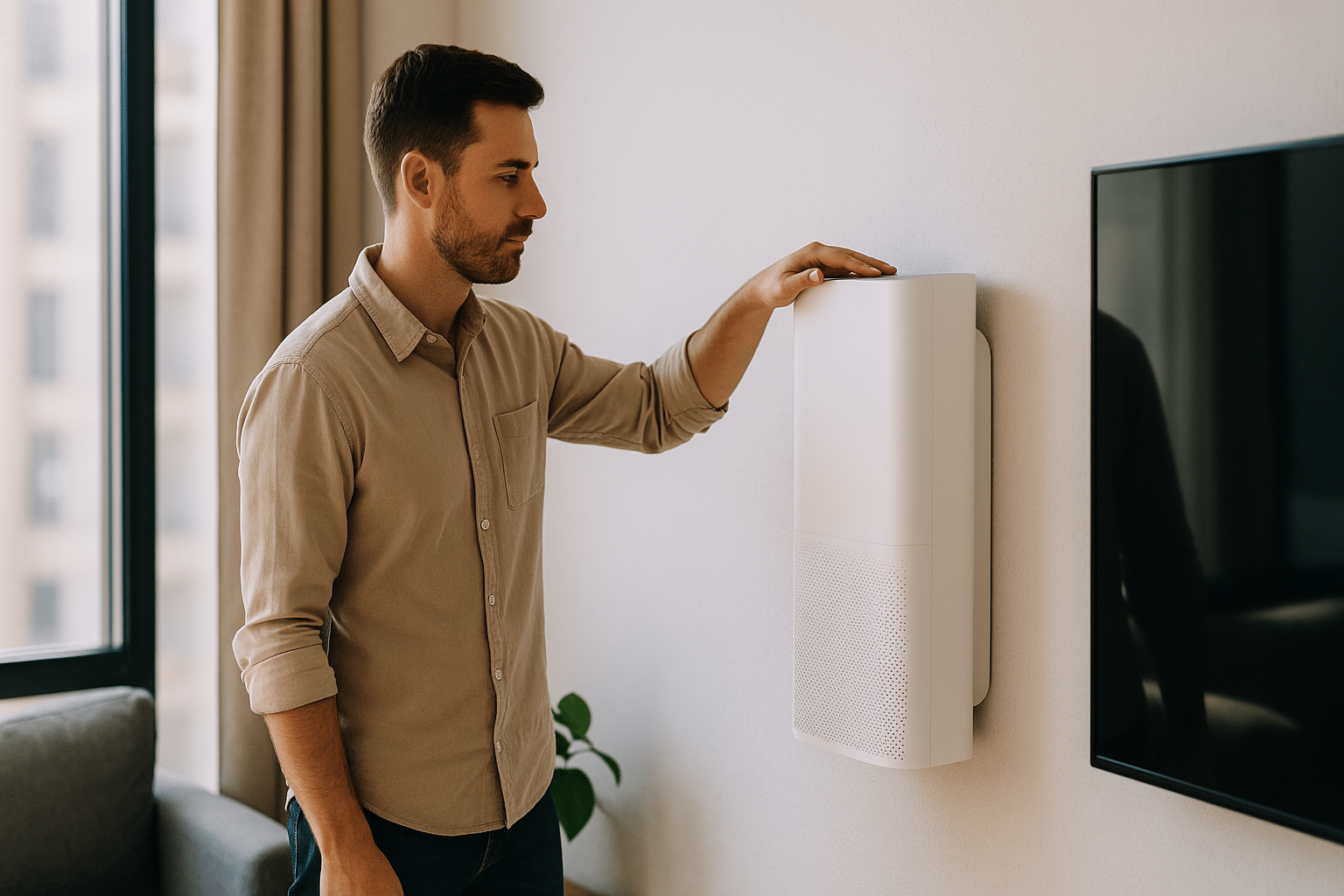
Use of HEPA Filters and Air Purifiers
Install HEPA filters in both high-rises and villas to capture fine particles. Consider air purifiers with advanced filtration systems for added protection against allergens and pollutants. Indoor Air Quality In High-rise Apartments Vs Villas factors into this consideration.
Dust Management in High-Rises
Routinely clean surfaces, carpets, and furniture in high-rises to minimize dust accumulation. Use HEPA-filtered vacuum cleaners and microfiber cloths for thorough cleaning.
Mold Prevention in Villas
Regularly inspect and treat any visible signs of mold growth in villas, especially during humid seasons. Keep surfaces dry to prevent moisture build-up and use dehumidifiers as needed.
—
Frequently Asked Questions (FAQs)
- Does AC cleaning really reduce dust allergies?
- Can controlled chemicals safely disinfect AC systems?
- How often should I clean my AC in high-rises and villas?
—
Does AC cleaning really reduce dust allergies?
Yes, regular AC cleaning can significantly reduce the presence of allergens like dust mites and pollen. This leads to fewer allergy symptoms for residents with sensitivities. This relates directly to Indoor Air Quality In High-rise Apartments Vs Villas.
Can controlled chemicals safely disinfect AC systems?
Controlled chemical disinfection is safe when performed by professionals who follow strict guidelines. These methods ensure that air quality remains unaffected while effectively eliminating harmful microorganisms.
How often should I clean my AC in high-rises and villas?
In high-rises, it is recommended to clean your AC system twice a year. For villas, this can be done annually or more frequently depending on local conditions.
—
Conclusion: High-Rise Apartments vs Villas for Indoor Air Quality
Both high-rise apartments and villas present unique challenges when it comes to maintaining indoor air quality. While high-rises benefit from advanced HVAC systems, villas may require more attention to natural ventilation and humidity control. Regular AC cleaning, proper filtration, and effective moisture management are key to ensuring clean, healthy living environments in both settings.
For optimal IAQ, residents should consider professional AC cleaning services that specialize in their specific type of living space. This ensures that air is consistently fresh and free from harmful contaminants, providing peace of mind for families and occupants alike. When considering Indoor Air Quality In High-rise Apartments Vs Villas, this becomes clear.
—



Leave a Reply