

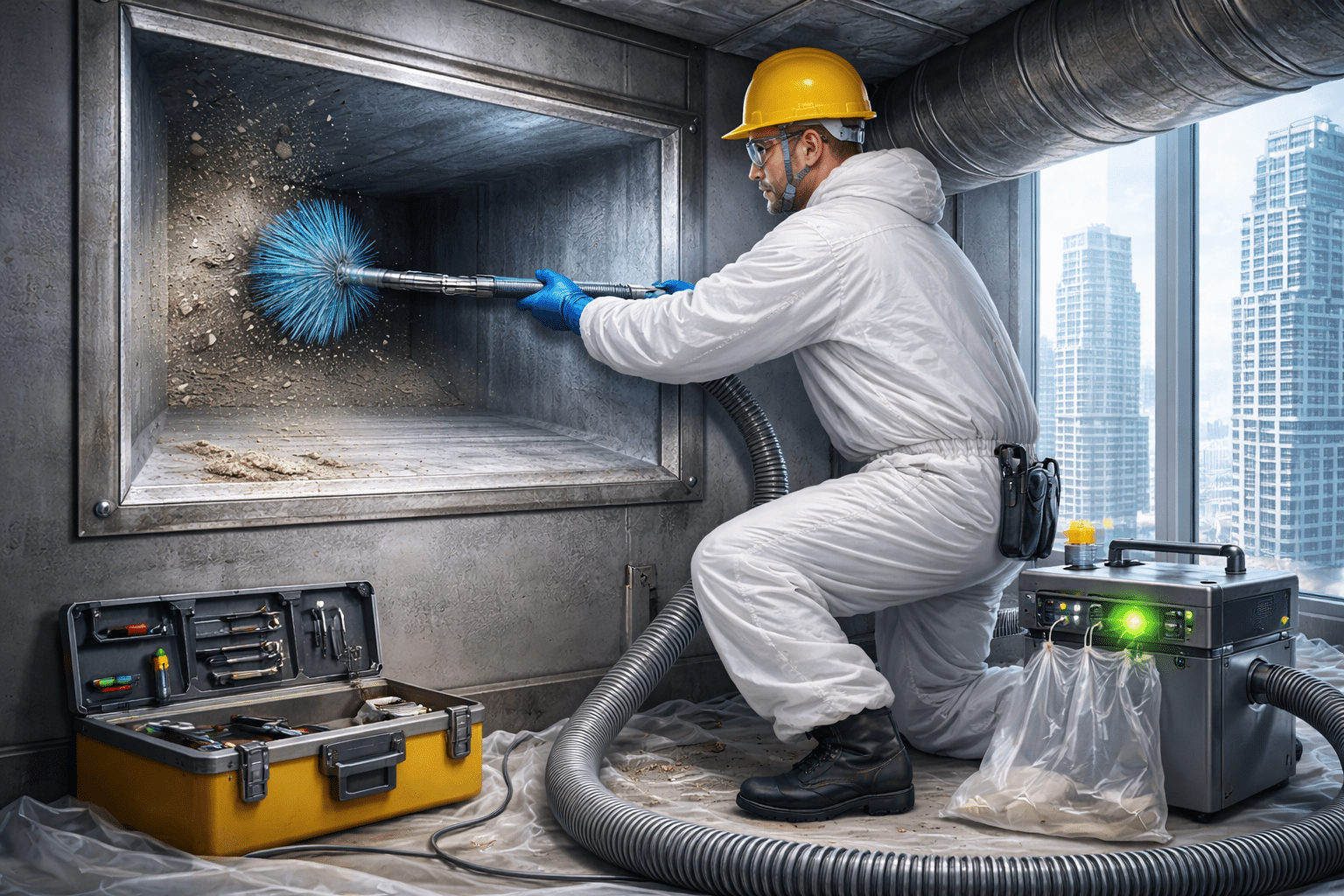
High-rise Building Air: Deep Cleaning Techniques For High-Rise Building Air Ducts
Understanding Deep Cleaning Techniques for High-Rise Building Air Ducts
Contents
- 1 Understanding Deep Cleaning Techniques for High-Rise Building Air Ducts
- 2 Deep Cleaning Techniques For High-rise Building Air Ducts – Preparing for Deep Cleaning
- 3 Deep Cleaning Techniques For High-rise Building Air Ducts – Executing the Deep Cleaning
- 4 Post-Cleaning Maintenance
- 5 Expert Tips for Deep Cleaning High-Rise Building Air Ducts
- 6 Frequently Asked Questions (FAQ)
- 7 Conclusion
High-rise building air ducts are complex systems that can harbor dust, dirt, mold, and bacteria. These contaminants reduce the efficiency of HVAC systems, leading to increased energy consumption, reduced comfort, and potential health risks. This relates directly to Deep Cleaning Techniques For High-rise Building Air Ducts.
Key Points for Advanced Air Duct Cleaning
High-rise buildings present unique challenges due to their structure and the continuous operation of air conditioning systems. Understanding these points will help in formulating a comprehensive cleaning plan:
- Dust Accumulation: High dust levels can affect airflow, leading to reduced cooling efficiency.
- Mold Growth: Humidity and condensation are common triggers for mold growth inside air ducts.
- Bacteria and Viruses: Contaminants like bacteria and viruses can spread through the HVAC system, impacting indoor air quality.
Deep Cleaning Techniques For High-rise Building Air Ducts – Preparing for Deep Cleaning
Before diving into deep cleaning techniques, it’s essential to prepare both the equipment and the space:
- Gather Equipment: Ensure you have all necessary tools, including a negative pressure vacuum cleaner, duct brushes, and disinfectants suitable for occupied spaces.
- Plan the Route: Map out the air ducts to identify any areas that require special attention. High-rise buildings often have multiple levels with unique duct configurations.
- Secure Occupied Spaces: For high-rise buildings, secure access and ensure occupants are aware of the cleaning schedule to minimize disruption.
Air Duct System Specificities for High-Rise Buildings
High-rise building air duct systems can be complex. Understanding their unique features helps in formulating a more effective deep-cleaning strategy:
- Multiple Zones: High-rise buildings often have multiple zones, each with its own HVAC system and air ducts.
- Metal vs. Flex Ducts: Different materials require different cleaning methods. Metal ducts can be cleaned more aggressively than flexible ones.
Deep Cleaning Techniques For High-rise Building Air Ducts – Executing the Deep Cleaning
The actual deep cleaning process involves several steps to ensure thorough and effective results:
- Initial Inspection: Conduct a visual inspection of the air ducts to identify any visible contaminants or damage.
- Pre-Cleaning: Use a negative pressure system to remove large debris before cleaning. This prevents dust from spreading throughout the building.
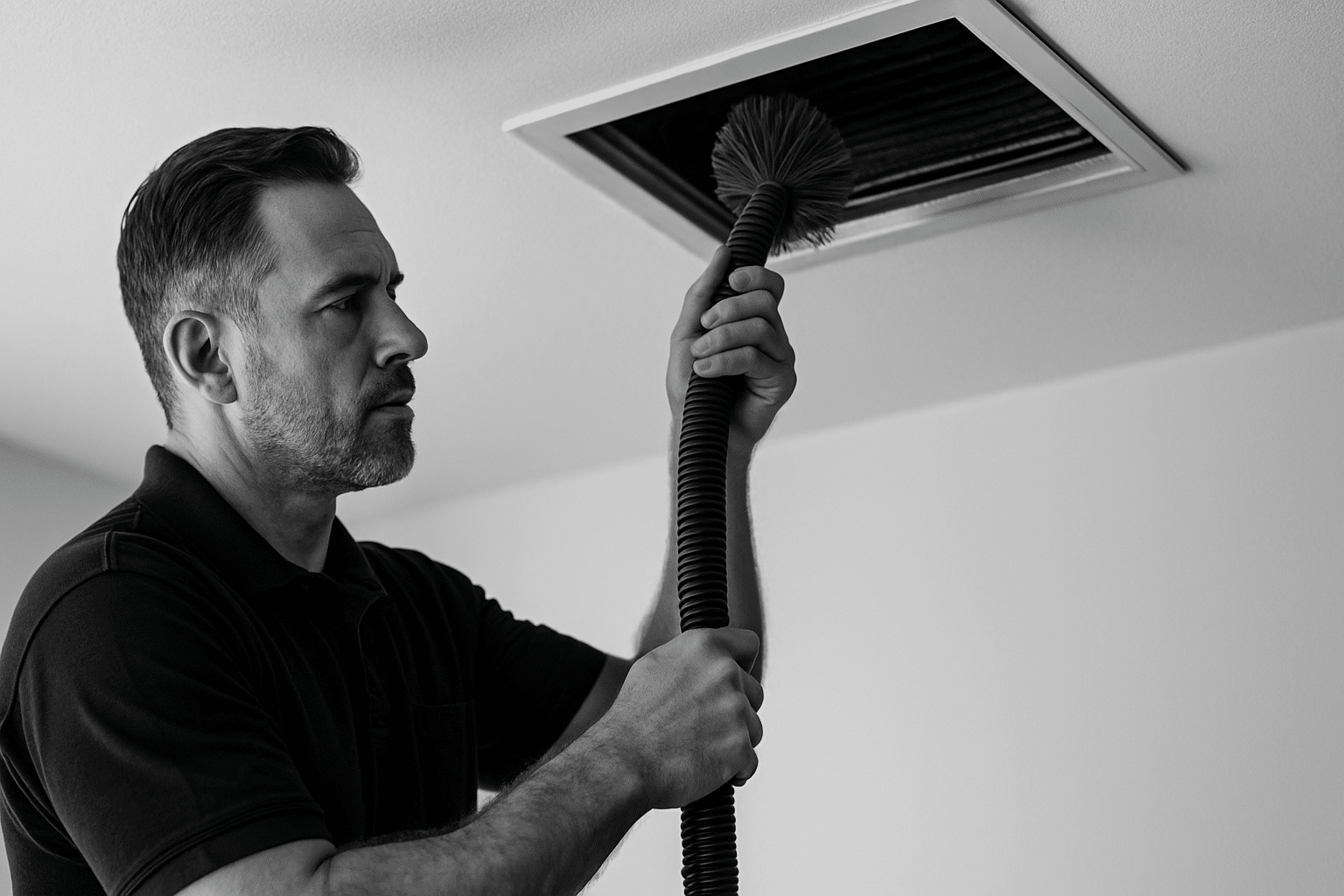
- Detailed Cleaning: Utilize specialized brushes and tools to clean both the interior and exterior surfaces of the air ducts, focusing on areas with high contamination levels.
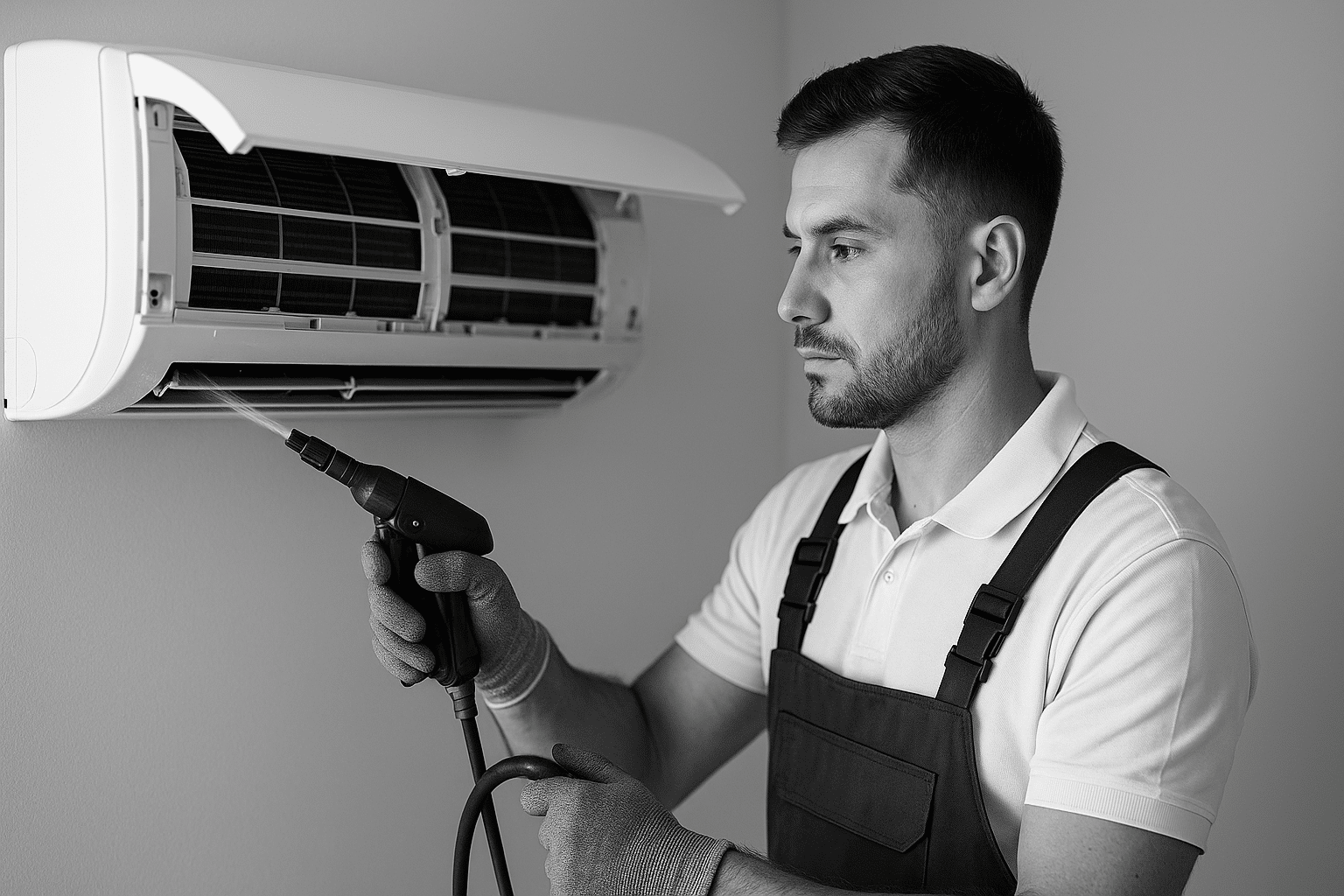
- Disinfection: Apply human-safe disinfectants to kill bacteria and viruses. Ensure proper dwell time for maximum effectiveness.
- Filtration: Replace or clean HVAC filters to remove any remaining debris caught in the system.
Common Challenges and Solutions
Mastering deep cleaning techniques often involves addressing common challenges. Here are some solutions:
- Access Issues: Use ladder extensions or specialized equipment to reach high sections of the air ducts.
- Contaminant Spread: Employ negative pressure systems and HEPA-filtered vacuums to minimize dust spread during cleaning.
Post-Cleaning Maintenance
Deep cleaning is just the first step. Implementing a maintenance plan ensures long-term hygiene and system performance:
- Regular Inspections: Schedule periodic inspections to monitor air duct health and identify any new issues early.
- Filter Replacement: Replace HVAC filters regularly based on usage, typically every 3-6 months or sooner if heavily soiled.
- Moisture Control: Address sources of moisture that can lead to mold growth. Ensure proper drainage and ventilation in humid environments.
Expert Tips for Deep Cleaning High-Rise Building Air Ducts
To achieve optimal results, consider these expert tips:
- Professional Training: Ensure all personnel involved in the cleaning process are trained to handle sensitive areas and equipment.
- Use of Advanced Tools: Invest in high-quality tools designed for deep cleaning tasks. This includes specialized brushes, vacuums, and disinfectants.
- Documentation: Keep detailed records of each cleaning session, including dates, methods used, and any observations made. This helps track progress and identify trends.
Frequently Asked Questions (FAQ)
- How often should I clean my air ducts?
Generally, deep cleaning every 3 to 5 years is recommended. However, this can vary based on usage and local environmental conditions.
2. What are the signs of poor air duct hygiene?
Signs include reduced cooling efficiency, musty odors, and visible dust accumulation inside vents.
3. Can I clean my air ducts myself?
While it’s possible, professional cleaning is recommended to ensure thoroughness and safety. DIY methods may not cover all areas effectively.
Conclusion
Mastering deep cleaning techniques for high-rise building air ducts is crucial for maintaining optimal HVAC performance and indoor air quality. By following these steps, you can ensure your building’s air conditioning systems operate efficiently and hygienically, providing a comfortable environment for occupants while reducing energy consumption.


Leave a Reply