


How to Detect Mold in AC for Cleaner Indoor Air
Mold detection in AC systems is a serious concern for luxury villa owners in Dubai. With humidity levels soaring, hidden mold can spread quickly and compromise indoor air quality. American environmental studies reveal that even minimal mold exposure can trigger respiratory problems and allergies. If you manage high end properties, understanding expert strategies for identifying mold risk in your AC system helps safeguard your investment and the well being of everyone inside.
Table of Contents
Contents
- 1 Table of Contents
- 2 Quick Summary
- 3 Step 1: Prepare Your Space and Safety Gear
- 4 Step 2: Identify Common Mold Warning Signs
- 5 Step 3: Inspect Key AC Components Carefully
- 6 Step 4: Test for Mold Using Reliable Methods
- 7 Step 5: Confirm Findings and Plan Next Actions
- 8 Ensure Your AC Is Truly Mold-Free with Expert Care
- 9 Frequently Asked Questions
- 9.0.1 How can I prepare my space for inspecting mold in my AC system?
- 9.0.2 What are common signs of mold in my AC system?
- 9.0.3 What components should I inspect for mold in my AC system?
- 9.0.4 How can I test for mold in my AC system?
- 9.0.5 What should I do if I find mold in my AC system?
- 9.0.6 How can I prevent mold from returning in my AC system?
- 10 Recommended
- Step 1: Prepare Your Space and Safety Gear
- Step 2: Identify Common Mold Warning Signs
- Step 3: Inspect Key AC Components Carefully
- Step 4: Test for Mold Using Reliable Methods
- Step 5: Confirm Findings and Plan Next Actions
Quick Summary
| Key Point | Explanation |
|---|---|
| 1. Use Proper Safety Gear | Always wear gloves, goggles, N95 masks, and protective clothing during mold inspections. |
| 2. Identify Common Mold Signs | Look for discoloration, musty odors, and moisture issues in your AC system to detect mold early. |
| 3. Inspect AC Components | Carefully examine evaporator coils, drip pans, ductwork, and filters for mold indicators. |
| 4. Conduct Professional Testing | Engage professionals for accurate mold testing using air and surface sampling methods. |
| 5. Develop a Remediation Plan | Create a strategy for moisture control and mold cleanup based on inspection findings. |
Step 1: Prepare Your Space and Safety Gear
Before diving into mold detection within your AC system, protecting yourself is absolutely critical. Proper safety protocols are essential when inspecting potential mold contamination, especially in Dubai’s humid climate where mold growth can proliferate rapidly.
You will need specific personal protective equipment (PPE) to safeguard against potential health risks. Gather these essential items before beginning your inspection: high quality disposable gloves, safety goggles that provide complete eye coverage, an N95 respirator mask rated for particles, protective clothing like long sleeves and pants, and shoe covers. Work in a well ventilated area with open windows or external ventilation to minimize exposure. Consider having a dust mask and hand sanitizer nearby as additional precautions.
Organize your workspace strategically by clearing the area around your AC unit and placing cleaning materials within easy reach. Lay down disposable drop cloths or plastic sheeting to catch any potential debris or moisture. Keep a garbage bag nearby for immediate disposal of contaminated materials. Visual inspection remains the most reliable method for identifying mold presence, so ensure you have adequate lighting and potentially a flashlight for examining tight spaces.
Pro tip: Always work methodically and avoid disturbing potential mold areas too aggressively to prevent releasing additional spores into the air.
Step 2: Identify Common Mold Warning Signs
Detecting mold early in your AC system can prevent extensive damage and potential health risks. Mold spores thrive in environments with consistent moisture and suitable temperatures, making your AC system a potential breeding ground for these microscopic invaders.
Look for specific visual and sensory indicators that suggest mold contamination. Visible signs include discoloration around vents, fuzzy or slimy textures on surfaces, and dark or greenish spots on AC components. Pay close attention to musty or earthy odors, which often indicate hidden mold growth. Check for moisture problems like condensation, water stains, or standing water in drip pans and drainage areas. Areas with consistent dampness provide ideal conditions for mold proliferation.
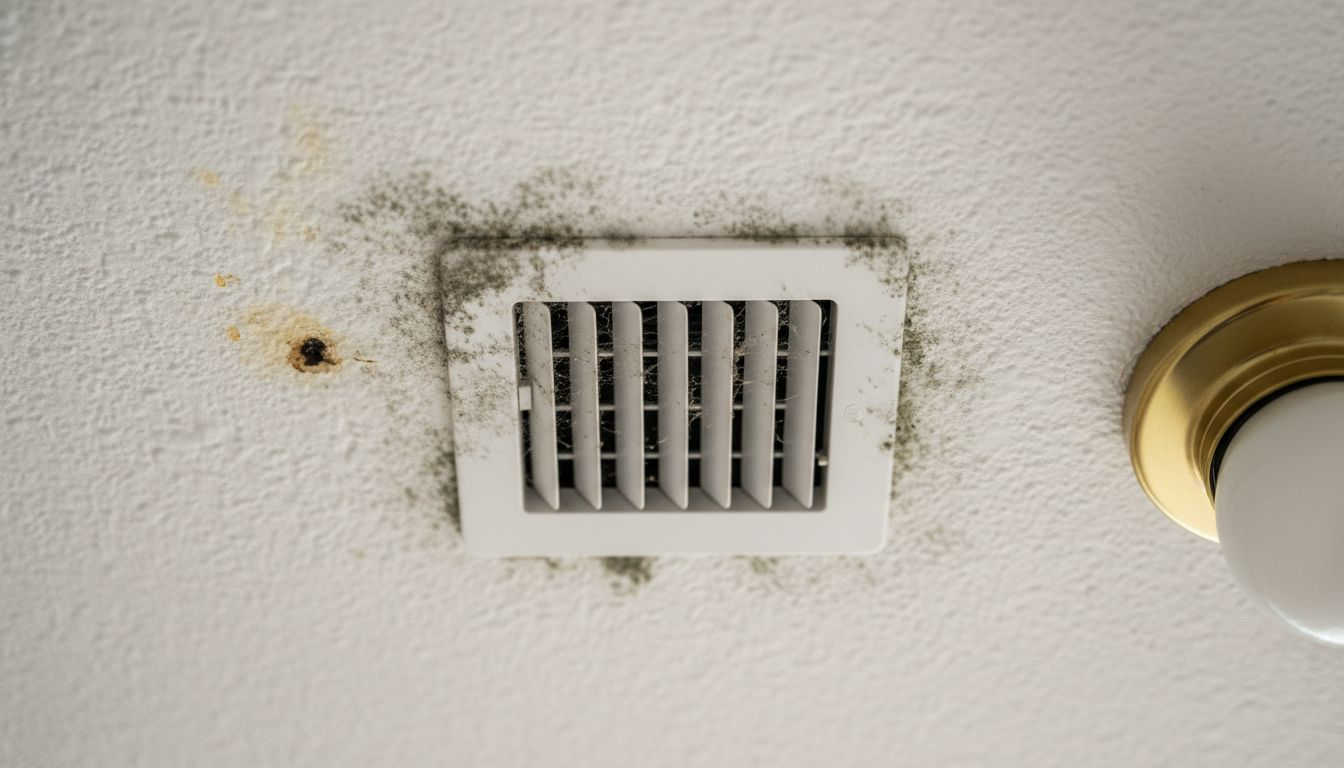
In Dubai’s humid climate, your AC system requires extra vigilance. Routine inspection and maintenance are critical for identifying potential moisture intrusion points where mold can develop. Examine air vents, drainage systems, and interior AC components for any signs of water accumulation or unexplained staining. Remember that early detection can prevent more extensive and costly remediation efforts.
Pro tip: Use a bright flashlight and wear white or light colored clothing during inspection to help you spot even subtle mold discolorations more effectively.
Step 3: Inspect Key AC Components Carefully
Your thorough AC inspection requires systematic examination of critical components where mold most frequently develops. Key inspection areas include evaporator coils, drip pans, insulation, ductwork, and air filters, each presenting unique challenges for potential moisture accumulation.
Begin by carefully removing the AC cover and accessing internal components. Inspect the evaporator coils for any signs of discoloration, slime, or unusual growth patterns. Check the drip pan meticulously for standing water, rust, or dark stains that could indicate prolonged moisture exposure. Examine the insulation surrounding the coils for dampness or visible mold patches. In Dubai’s humid environment, these areas are particularly susceptible to rapid microbial growth.
Next, focus on your ductwork and air filters. Look for any blockages in drainage lines that might prevent proper water flow and create stagnant moisture zones. Air filters should be checked for discoloration, unusual odors, or visible contamination. Pay special attention to areas where condensation tends to collect, as these regions provide ideal conditions for mold proliferation. Remember that early detection can prevent extensive system damage and potential health risks associated with airborne mold spores.

Here’s a summary of key AC components and where mold is most likely to develop:
| AC Component | Mold Risk Level | Common Mold Indicators |
|---|---|---|
| Evaporator coils | High | Slime, discoloration |
| Drip pan | Very high | Standing water, rust |
| Insulation | Moderate | Dampness, visible patches |
| Ductwork | Moderate to high | Condensation, buildup |
| Air filters | Moderate | Odors, staining |
Pro tip: Use a bright LED flashlight with adjustable brightness and a small mirror to help you inspect hard to reach areas and corners of your AC system more effectively.
Step 4: Test for Mold Using Reliable Methods
Detecting mold in your AC system requires more than visual inspection. Professional mold testing incorporates precise techniques like air sampling, surface sampling, and moisture measurement to determine contamination extent, providing a comprehensive understanding of potential health risks.
Air sampling involves collecting airborne spore samples using specialized equipment that captures microscopic particles. This method helps identify the concentration and types of mold spores present in your indoor environment. Surface sampling requires carefully collecting samples from suspected contaminated areas using sterile swabs or tape lifts. Moisture meters can pinpoint areas with excessive humidity that might promote mold growth, which is particularly crucial in Dubai’s high humidity climate.
Here’s a comparison of mold detection methods used in AC systems:
| Detection Method | What It Measures | Ideal Use Case |
|---|---|---|
| Air sampling | Airborne spore levels | Assessing indoor air quality |
| Surface sampling | Mold on surfaces | Identifying contaminated spots |
| Moisture meters | Humidity/moisture zones | Locating potential growth areas |
While home testing kits are available, they often provide unreliable results. Professional testing ensures accurate identification of mold species, spore count, and potential health implications. Expert technicians can differentiate between background environmental spores and problematic mold concentrations that might require immediate remediation. Understanding the specific characteristics of mold in your AC system allows for targeted and effective cleaning strategies.
Pro tip: Consider scheduling professional mold testing during seasonal AC maintenance to catch potential issues before they become extensive problems.
Step 5: Confirm Findings and Plan Next Actions
After completing your detailed AC mold inspection, the critical next phase involves carefully evaluating your findings and developing a strategic remediation plan. Immediate actions should focus on addressing moisture sources and planning targeted cleanup strategies, which will help restore your indoor air quality and prevent future contamination.
Review the test results and inspection notes thoroughly to understand the specific type and extent of mold growth in your AC system. Categorize the findings based on severity levels which will determine your next steps. Minor contamination might require professional cleaning and targeted moisture control, while extensive mold growth could necessitate partial system replacement or comprehensive professional remediation. In Dubai’s high humidity environment, consider consulting HVAC specialists who understand the unique challenges of maintaining indoor air quality in tropical climates.
Develop a comprehensive action plan that addresses both immediate mold removal and long term prevention. This includes identifying and fixing moisture sources, scheduling professional cleaning, improving ventilation, and implementing regular maintenance protocols. Document your findings and proposed solutions, which will be valuable for tracking your AC system’s health and potentially for insurance or maintenance records.
Pro tip: Take clear photographs of mold affected areas during your inspection to provide visual documentation and help professionals understand the exact scope of contamination.
Ensure Your AC Is Truly Mold-Free with Expert Care
Detecting mold in your AC system is crucial for preserving clean indoor air and protecting your health. If you have noticed musty odors, visible mold spots, or moisture buildup as highlighted in the article, you understand the urgent need for comprehensive cleaning and moisture control. Mold contamination can hide deep within evaporator coils, drip pans, and ductwork requiring specialized knowledge and equipment for effective removal.
Saniservice brings you advanced, scientific solutions to these exact challenges with our AC Cleaning & Maintenance – Saniservice AC Cleaning services.
Our NADCA-certified technicians meticulously dismantle and disinfect every AC component using hospital-grade, chemical-free biosanitisers proven to eradicate mold, bacteria, and allergens. With in-house microbiology expertise and a commitment to evidence-based practices, Saniservice ensures your system is not only cleaned but restored to a healthier state, minimizing future mold risks common in Dubai’s humid climate.
Don’t wait until mold spreads further and compromises your family’s well-being. Discover how our real-world Case Studies – Saniservice AC Cleaning demonstrate successful mold remediation across homes and commercial sites. Visit Saniservice today and schedule your professional AC inspection and cleaning. Cleaner air is just a call away.
Frequently Asked Questions
How can I prepare my space for inspecting mold in my AC system?
Before inspecting your AC system for mold, ensure you have the right safety gear, including gloves, goggles, and an N95 mask. Clear the area around your AC unit and have cleaning materials within reach to maintain an organized workspace.
What are common signs of mold in my AC system?
Key indicators of mold in your AC include visible discoloration around vents, fuzzy or slimy textures on surfaces, and musty odors. Regularly check for water stains or standing water in drip pans to identify potential moisture issues that promote mold growth.
What components should I inspect for mold in my AC system?
Inspect critical AC components such as the evaporator coils, drip pan, insulation, ductwork, and air filters. Pay special attention to any areas with moisture accumulation, as these are prime locations for mold development.
How can I test for mold in my AC system?
Testing for mold typically involves air sampling, surface sampling, and moisture measurement. Utilize these methods to determine the extent of contamination and identify specific problem areas that might require remediation.
What should I do if I find mold in my AC system?
If you discover mold, first address the sources of moisture to prevent further growth. Next, develop a remediation plan that includes professional cleaning and maintenance to ensure your indoor air quality is restored and protected going forward.
How can I prevent mold from returning in my AC system?
To prevent mold recurrence, maintain proper ventilation and routinely inspect your AC system for moisture issues. Implement a consistent maintenance schedule, checking components regularly, to reduce the risk of mold growth by around 20%.


Leave a Reply