

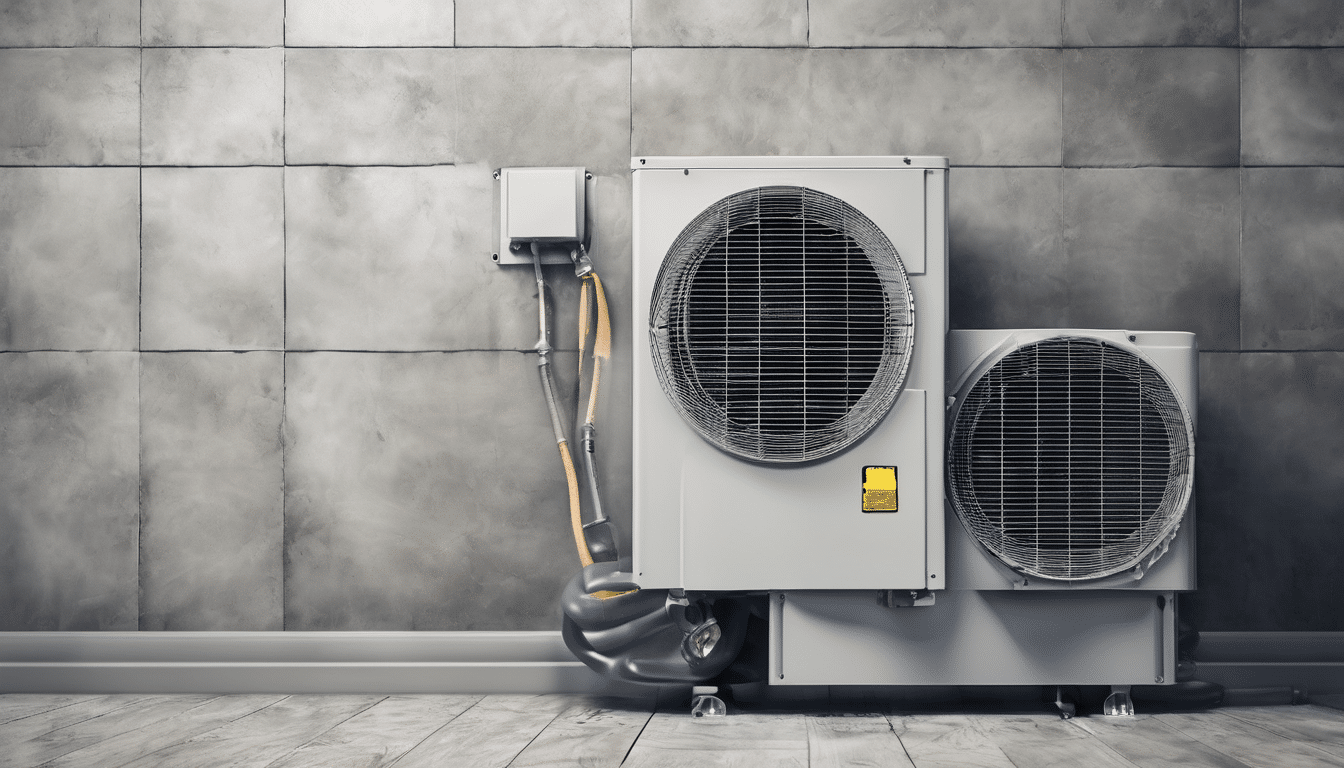
Preventive Maintenance For HVAC Mold Prevention
Understanding Preventive Maintenance for HVAC Mold Prevention in
Contents
- 1 Understanding Preventive Maintenance for HVAC Mold Prevention in
- 2 Dust and Moisture Management Strategies
- 3 Regular Inspections and Cleanings
- 4 Chemical Disinfection Tips for Mold Prevention
- 5 Airflow and Drainage Improvements
- 6 Case Studies on Mold Prevention in HVAC Systems
- 7 Expert Tips for Homeowners
- 8 FAQ Section
- 9 Conclusion
Preventive maintenance is the cornerstone of mold prevention in HVAC systems. By addressing potential issues before they escalate, you can maintain a clean and healthy indoor environment. In Dubai’s climate, this typically leads to year-round AC usage, desert dust accumulation, and high humidity levels that promote mold growth. This relates directly to Preventive Maintenance For Hvac Mold Prevention In.
In long-operating AC systems, this often indicates the need for regular deep cleaning and disinfection. Mold thrives in damp conditions, so understanding how it develops is essential. Mold spores can be present in air conditioning systems due to poor ventilation, condensation, or water leaks.
Dust and Moisture Management Strategies
Mold requires both dust and moisture to thrive. Effective management of these elements is crucial for preventing mold growth inside HVAC systems.
- Regular Duct Cleaning: Deep cleaning of AC ducts can remove accumulated debris, reducing the likelihood of mold spores settling in damp areas.
- Maintain Proper Humidity Levels: Using dehumidifiers or air conditioners with built-in humidity control features helps maintain optimal indoor conditions that are inhospitable to mold growth.
Additionally, ensuring proper sealing of ducts and checking for leaks can prevent moisture from accumulating inside the system. Regularly inspecting and cleaning the evaporator coils and drain pans is also essential to remove excess water and reduce humidity levels. When considering Preventive Maintenance For Hvac Mold Prevention In, this becomes clear.
Regular Inspections and Cleanings
Regular inspections of your HVAC system are vital for identifying potential issues early on. Here’s how often you should consider professional cleaning:
- Residential Homes: Every 3-5 years, especially in regions with high humidity or frequent use.
- Commercial Buildings: Every 1-2 years, depending on system age and usage frequency.
During these inspections, look for signs of mold growth such as discoloration, musty odors, or visible spores. Professional cleaning involves using HEPA-filtered negative pressure systems to minimize disruption and ensure thorough removal of contaminants.
Chemical Disinfection Tips for Mold Prevention
Using the right chemicals is crucial in preventing mold growth inside HVAC systems. Here are some recommended practices:
- Safe Chemical Selection: Choose human-safe disinfectants that do not compromise indoor air quality. For example, using solutions with quaternary ammonium compounds (quats) or hydrogen peroxide can be effective while being safe for occupants.
- Dwell Time and Ventilation: Follow the manufacturer’s guidelines on dwell time to ensure thorough disinfection. Proper ventilation during and after service is essential to prevent chemical residues from lingering in the air.
It’s important to note that some chemical treatments may require specialized equipment or training, so always consult a professional HVAC technician for guidance.
Airflow and Drainage Improvements
Mold growth can be exacerbated by poor airflow and drainage within the system. Addressing these issues can significantly reduce the risk of mold:
- Improve Airflow: Ensure that filters are clean and replace them regularly to maintain efficient airflow. Blocked or dirty filters can lead to moisture buildup, creating an ideal environment for mold growth.
- Drain Pan Inspection: Regularly inspect drain pans for signs of water leakage or clogs. Clogged drains allow water to accumulate, promoting mold growth. Clean and replace drain pans as needed to maintain proper drainage.
Additionally, sealing gaps in ductwork can prevent moisture from entering the system, while using appropriate insulation helps manage temperature fluctuations that could contribute to condensation. The importance of Preventive Maintenance For Hvac Mold Prevention In is evident here.
Case Studies on Mold Prevention in HVAC Systems
To illustrate the effectiveness of preventive maintenance, here are a couple of case studies:
- Residential Case Study: A villa owner in Dubai noticed persistent musty odors coming from their AC vents. Upon inspection by an expert, it was discovered that mold had grown inside the system due to inadequate cleaning and insufficient humidity control. After a thorough deep clean using HEPA-filtered negative pressure systems and regular maintenance, the issue was resolved.
- Commercial Case Study: A business center in Abu Dhabi experienced frequent issues with musty odors and reduced cooling efficiency. Through a combination of regular inspections, chemical disinfections, and improvements to airflow and drainage, the facility management team successfully mitigated mold growth and restored optimal system performance.
These case studies demonstrate that comprehensive preventive maintenance can address mold issues effectively, leading to improved indoor air quality and energy efficiency.
Expert Tips for Homeowners
- Annual Inspections: Schedule annual professional inspections of your HVAC system to catch potential issues early. This can help prevent mold growth before it becomes a serious problem.
- Humidity Control: Use dehumidifiers or air conditioners with built-in humidity control features to maintain optimal indoor conditions.
- Regular Filter Changes: Replace filters every three months, or more frequently in high-use environments. Dirty filters can trap moisture and contribute to mold growth.
By following these expert tips, you can significantly reduce the risk of mold growth inside your HVAC system and maintain clean, healthy air in your home or office. Understanding Preventive Maintenance For Hvac Mold Prevention In helps with this aspect.
FAQ Section
- Q: How often should I have my HVAC system inspected?
- A: For most residential homes, an inspection every 3-5 years is recommended. Commercial buildings may require more frequent inspections, typically every 1-2 years.
- Q: Can mold in my HVAC system affect my family’s health?
- A: Yes, mold can produce allergens and irritants that can exacerbate respiratory conditions such as asthma. It is important to address mold issues promptly.
- Q: Are there any DIY solutions for preventing HVAC mold?
- A: While some basic maintenance tasks like changing filters and cleaning visible areas can be done by homeowners, more comprehensive measures such as deep duct cleaning and chemical disinfections are best handled by professionals to ensure safety and effectiveness.
Conclusion
Preventive maintenance is a critical aspect of mold prevention in HVAC systems. By understanding the factors that contribute to mold growth, regularly inspecting your system, and implementing effective cleaning and disinfection practices, you can maintain clean, healthy air in your home or office. Preventive Maintenance For Hvac Mold Prevention In factors into this consideration.
Contact a professional HVAC technician for expert advice and services tailored to your specific needs. Remember, addressing mold issues early on is key to preventing long-term damage and ensuring optimal indoor air quality. Understanding Preventive Maintenance For HVAC Mold Prevention In is key to success in this area.


Leave a Reply