

Mold Growth Inside HVAC Systems
Recognizing HVAC systems signs symptoms of mold growth is essential in Dubai where year-round AC usage creates ideal conditions. From musty odors to visible patches, understanding HVAC systems signs symptoms protects indoor air quality and health. This complete guide reveals 7 critical HVAC systems signs symptoms of mold growth in Dubai properties.
Table of Contents
- Introduction to Mold in HVAC Systems
- Understanding HVAC Systems Signs Symptoms
- Causes of Mold Growth in AC Systems
- Common Symptoms and Affected Areas
- Impact on Indoor Air Quality
- Preventing Mold Growth
- Taking Action Against Mold Growth
- Expert Tips for Preventive Maintenance
- Frequently Asked Questions
- Conclusion on Mold Prevention
Introduction to Mold in HVAC Systems
Contents
- 1 Introduction to Mold in HVAC Systems
- 2 Understanding HVAC Systems Signs Symptoms
- 3 Causes of Mold Growth in AC Systems
- 4 Common Symptoms and Affected Areas
- 5 Impact on Indoor Air Quality
- 6 Preventing Mold Growth
- 7 Taking Action Against Mold Growth
- 8 Expert Tips for Preventive Maintenance
- 9 Frequently Asked Questions
- 10 Conclusion on Mold Prevention
Mold growth inside HVAC systems can significantly impact air quality in residential and commercial spaces, particularly in Dubai where year-round AC usage is common. This article provides a comprehensive guide to recognizing HVAC systems signs symptoms, its effects on indoor air quality, and practical steps to prevent or address it.
Understanding HVAC Systems Signs Symptoms
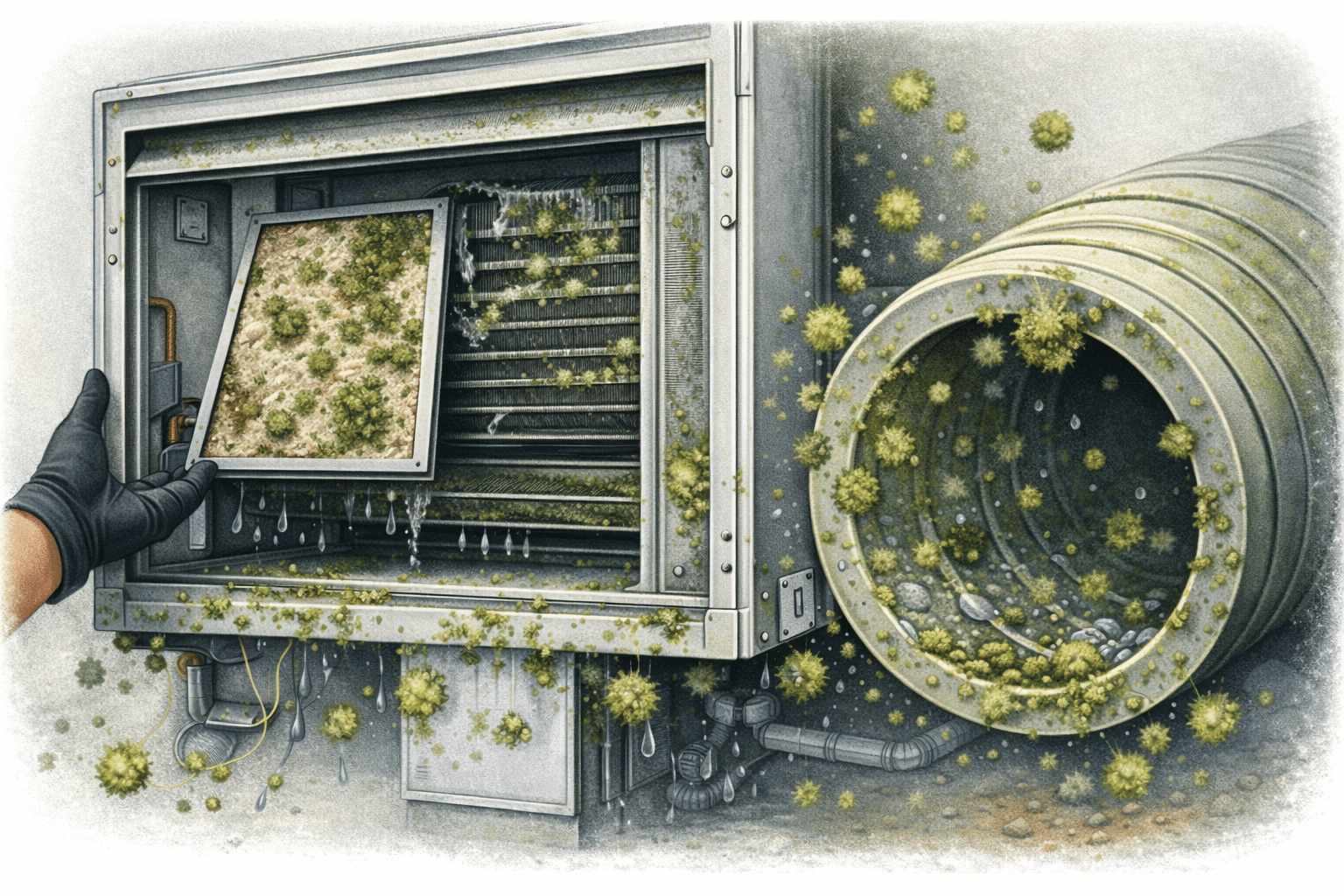
Mold growth inside HVAC systems is a significant concern, especially in the UAE where high humidity and dust levels are common. Mold spores can thrive in damp environments within HVAC components such as evaporator coils, drain pans, and ducts. Recognizing HVAC systems signs symptoms early can help prevent further damage to your indoor air quality.
HVAC Systems Signs Symptoms Include:
- Visible black or greenish patches on HVAC components
- A musty or sour odor emanating from the vents or throughout Dubai buildings
- Increased dust accumulation in areas served by your AC system
- Visible water stains or discoloration around coils and drain pans
- Recurring respiratory issues, allergies, or asthma symptoms among occupants
Causes of Mold Growth in AC Systems
Mold growth inside HVAC systems is often the result of several factors affecting HVAC systems signs symptoms:
- High humidity levels, which are common in Dubai due to its coastal location and air conditioning usage patterns
- Dust accumulation within the system, particularly from desert dust that can enter through open windows
- Lack of proper drainage for condensate pans, leading to moisture retention
- Leaky or improperly maintained components, allowing water intrusion into the system
Common Symptoms and Affected Areas
The areas most commonly affected showing HVAC systems signs symptoms include:
Evaporator Coils
These components can become breeding grounds for mold due to their constant moisture exposure in Dubai.
Drain Pans
Deteriorated or clogged drain pans can lead to standing water, promoting mold growth as one of the HVAC systems signs symptoms.
Ductwork
Mold spores can accumulate in the ducts and be distributed throughout Dubai buildings via airflow.
Air Handlers
The housing of air handlers can also harbor mold if not properly maintained, showing HVAC systems signs symptoms.
Impact on Indoor Air Quality
The presence of mold within HVAC systems can severely impact indoor air quality in Dubai:
- Releasing spores into the air, which can trigger allergic reactions and respiratory issues
- Emitting toxic mycotoxins that can cause long-term health problems
- Degrading system performance, leading to reduced cooling efficiency and higher energy costs
Preventing Mold Growth
Regular maintenance and proper installation are key to preventing HVAC systems signs symptoms:
- Inspection: Regularly inspect the system for signs of moisture, leaks, or dust accumulation in Dubai
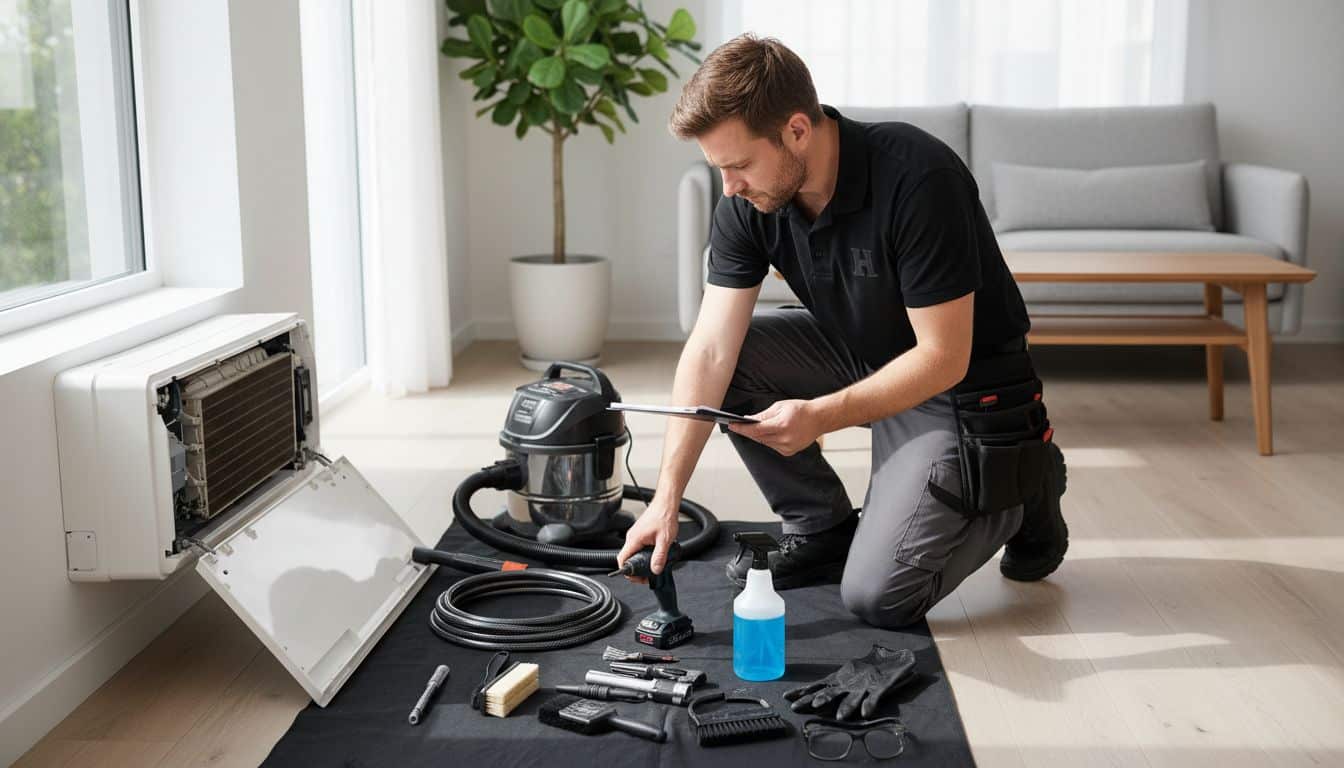
- Cleaning: Deep clean your HVAC system at least twice a year to remove accumulated dust and debris
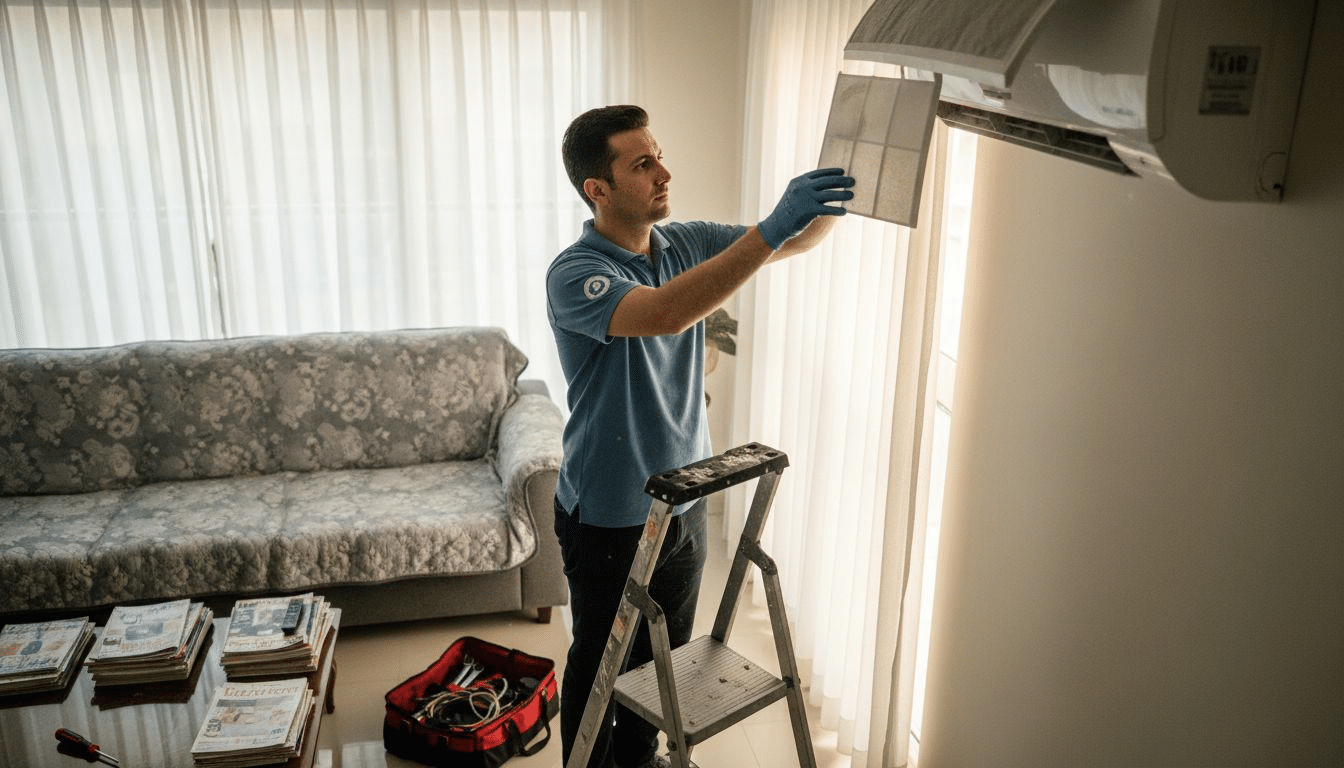
- Maintenance: Replace filters regularly and ensure proper drainage from condensate pans
- Sealing: Seal any gaps in ductwork to prevent dust ingress and ensure efficient airflow
Taking Action Against Mold Growth
If HVAC systems signs symptoms are identified, the following steps should be taken:
- Deep Cleaning: Hire a professional AC cleaning service to thoroughly clean and disinfect your HVAC system in Dubai
- Mold Removal: Use human-safe disinfectants approved for occupied spaces during cleaning procedures
- Dehumidification: Consider installing dehumidifiers in high-moisture areas to reduce humidity levels further
- Repairs: Address any water leaks or drainage issues causing moisture accumulation
Expert Tips for Preventive Maintenance
- Consult with a professional HVAC technician to assess your system’s hygiene needs in Dubai
- Implement a regular maintenance schedule, including seasonal deep cleanings and quarterly inspections
- Use HEPA filters in your AC units to capture fine dust particles before they reach the coils
- Monitor indoor air quality using professional-grade sensors to detect HVAC systems signs symptoms early
Frequently Asked Questions
Q: How often should I have my HVAC system cleaned to avoid HVAC systems signs symptoms?
A: Ideally, your HVAC system should be deep cleaned at least twice a year to prevent mold growth in Dubai.
Q: Can mold in an HVAC system affect my health in Dubai?
A: Yes, mold spores can trigger allergic reactions and respiratory issues. It’s important to address HVAC systems signs symptoms promptly.
Q: Are there specific chemicals that are safe for use during AC cleaning in Dubai?
A: Yes, human-safe disinfectants should be used in occupied spaces. Always follow manufacturer’s guidelines and ensure proper ventilation.
Conclusion on Mold Prevention
Mold growth inside HVAC systems is a serious issue that can significantly impact indoor air quality and occupant health in Dubai. By understanding HVAC systems signs symptoms, recognizing causes, and implementing preventive maintenance strategies, you can protect your home or building from these harmful effects.


Leave a Reply