


Post-Renovation HVAC Hygiene And Mold Prevention
Understanding Post-Renovation HVAC Hygiene and Mold Prevention
Contents
- 1 Understanding Post-Renovation HVAC Hygiene and Mold Prevention
- 2 Causes of Mold Growth in Ductwork During Renovations
- 3 Steps to Prevent Mold After Renovation
- 4 Professional HVAC Service for Maintenance
- 5 Long-Term Hygiene Strategies for Continued Protection
- 6 Expert Tips for Post-Renovation Mold Prevention
- 7 FAQs About Post-Renovation HVAC and Mold Prevention
- 8 Conclusion
Post-renovation HVAC hygiene is a critical aspect of maintaining indoor air quality. The introduction of construction dust, moisture, and other contaminants can create an environment conducive to mold growth in your HVAC system. This section explores the reasons why post-renovation HVAC systems are more prone to mold problems. This relates directly to Post-renovation Hvac Hygiene And Mold Prevention.
Post-Renovation Mold Growth Triggers
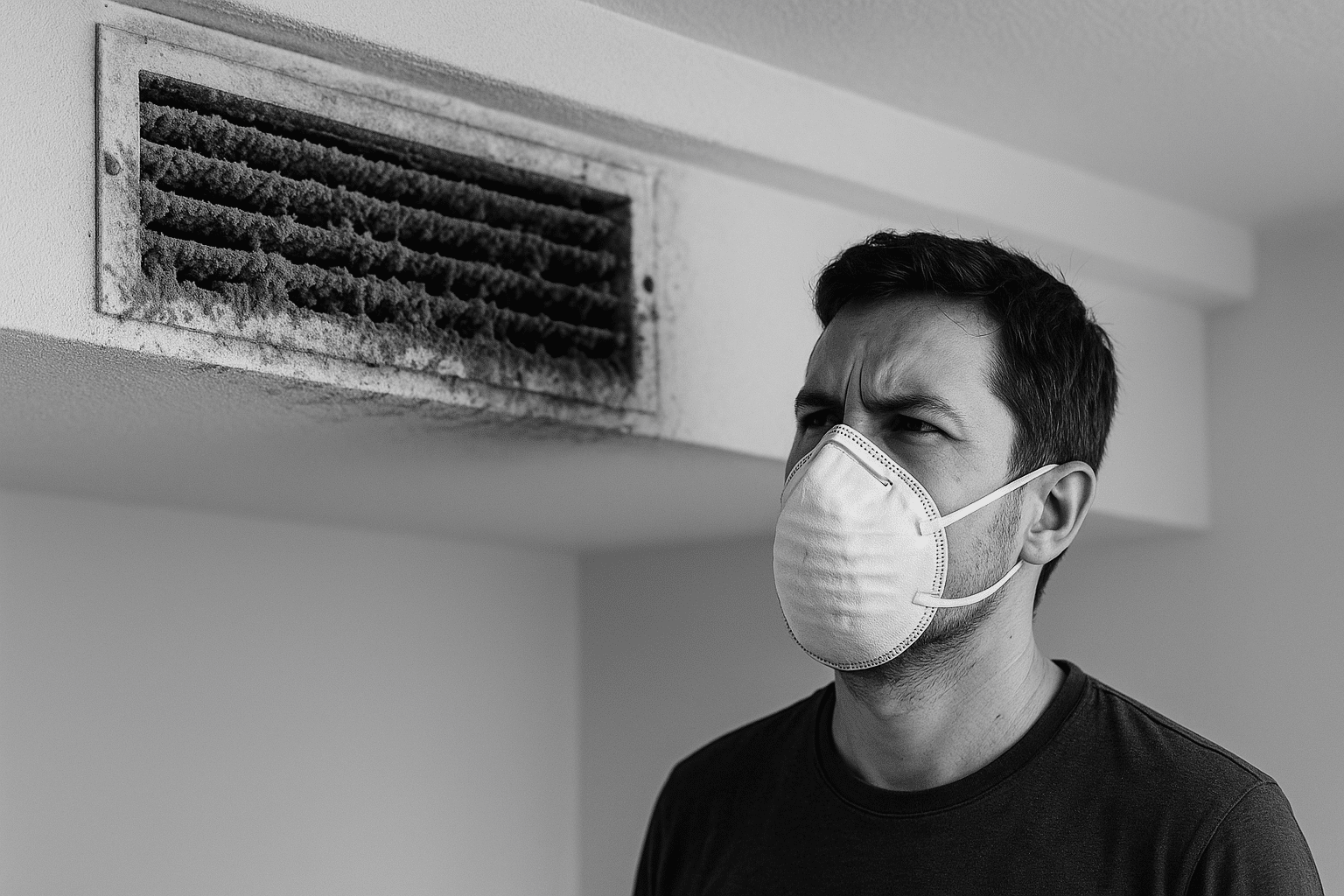
The primary triggers for mold growth after a renovation include increased humidity, moisture from construction materials and water damage, dust and debris, and the presence of nutrients such as wood fiber. The warm and humid conditions inside HVAC systems can facilitate rapid mold proliferation.
Causes of Mold Growth in Ductwork During Renovations
During renovations, various factors contribute to the growth of molds within ductwork. Construction debris and dust particles are often introduced into HVAC systems, which can settle on damp surfaces, promoting mold development. Additionally, water damage from leaks or improper handling of wet materials can lead to increased moisture levels in the system.
Dust and Moisture Combo
The combination of dust and moisture is a primary breeding ground for molds. As construction work progresses, airborne particles mix with water vapor, creating an ideal environment for mold spores to germinate and spread.
Steps to Prevent Mold After Renovation
To mitigate the risk of post-renovation mold growth in your HVAC system, follow these essential steps:
- Professional Cleaning: Engage a professional AC cleaning service to thoroughly clean and disinfect all components of the HVAC system. This includes ductwork, coils, fans, and filters.
- Dry and Dehumidify: Use dehumidifiers or air conditioners to reduce humidity levels in the home during and after renovation activities.
- Seal Gaps: Ensure that all gaps and openings are sealed properly to prevent moisture intrusion. This includes inspecting the ductwork for any damage caused by construction.
Professional HVAC Service for Maintenance
A reliable professional HVAC service provider can offer comprehensive maintenance services that address post-renovation issues effectively. Here’s what to expect:
- Pre- and Post-Cleaning: A thorough cleaning before and after the renovation process helps remove accumulated dust, debris, and moisture.
- Mold Inspection: Regular inspections can identify early signs of mold growth, allowing for prompt action to prevent further spread.
- Humidity Control: HVAC systems equipped with advanced dehumidification features can help manage indoor humidity levels more effectively.
Long-Term Hygiene Strategies for Continued Protection
To ensure long-lasting protection against mold, consider implementing these strategies:
- Regular Duct Cleaning: Schedule regular professional duct cleaning every 5-10 years to maintain optimal indoor air quality.
- Moisture Management: Install moisture sensors and address any leaks promptly to prevent water damage in the HVAC system.
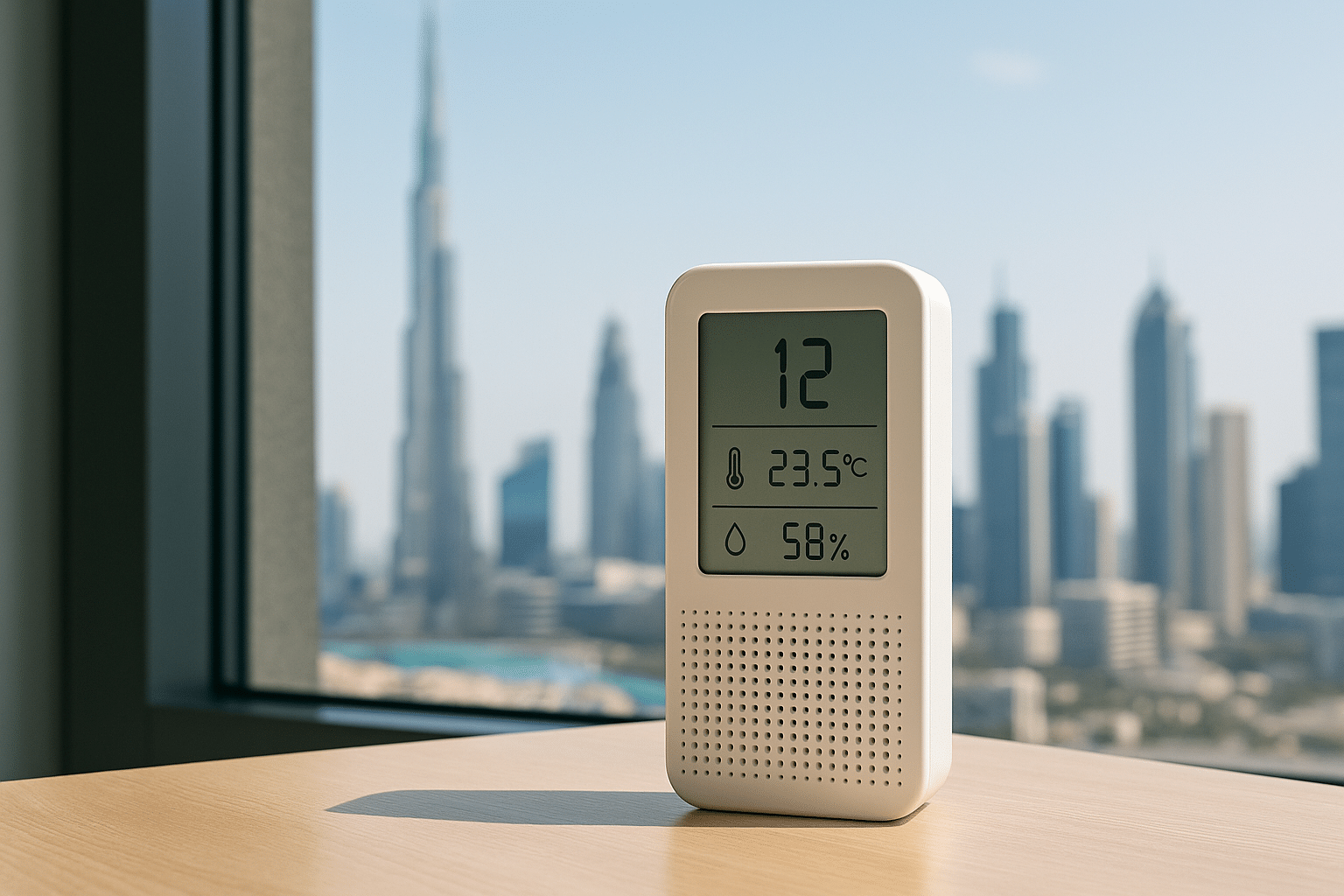
- Humidity Monitoring: Use smart home devices that monitor humidity levels and alert you when they reach critical thresholds.
Expert Tips for Post-Renovation Mold Prevention
To further safeguard your HVAC system from mold, here are some expert tips:
- Avoid Overloading Filters: Ensure that air filters are not overly loaded with dust and debris. Regularly check and clean or replace them as needed.
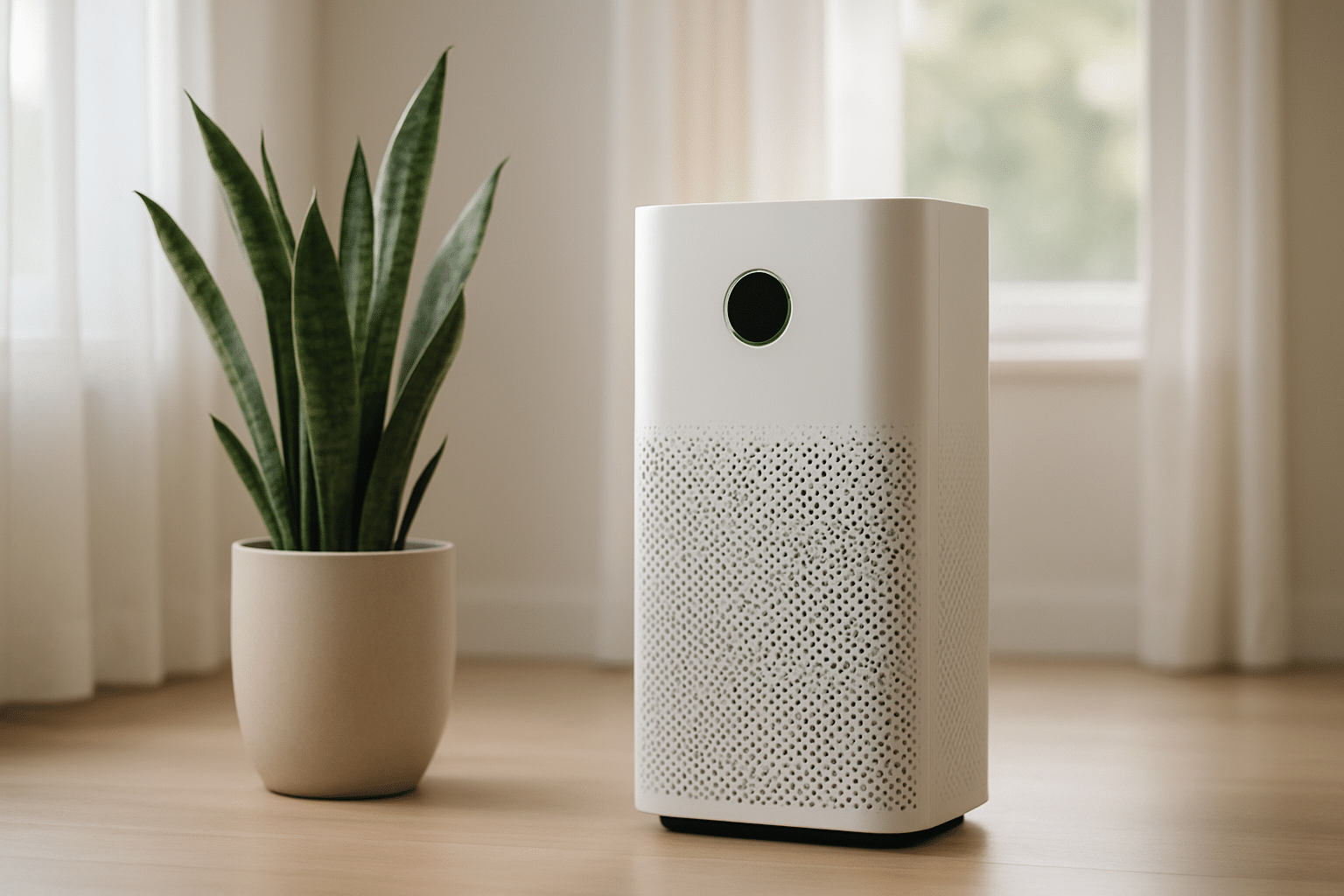
- Utilize HEPA Filters: High-efficiency particulate air (HEPA) filters can capture smaller particles, reducing the risk of mold growth in your HVAC system.
- Keep Ducts Sealed: Ensure that all ductwork connections are properly sealed to prevent leaks and unwanted moisture entry.
FAQs About Post-Renovation HVAC and Mold Prevention
Here are some common questions about post-renovation HVAC hygiene and mold prevention:
Q: How often should I clean my HVAC system after renovation?
- A: It is recommended to have a professional cleaning done before and after the renovation process. Additional cleanings may be necessary depending on the extent of the work.
Q: Can I do the duct cleaning myself?
- A: While you can perform some basic maintenance tasks, professional cleaning is recommended to ensure thoroughness and safety. Professionals have the right tools and knowledge to address complex issues.
Q: Is mold always visible? How can I tell if there’s a problem?
- A: Mold may not always be visible, but you can look for signs such as musty odors, discoloration, or water damage. Regular inspections and moisture monitoring can help detect issues early.
Conclusion
Post-renovation HVAC hygiene is a critical aspect of maintaining indoor air quality in your home. By understanding the causes of mold growth and taking proactive steps to prevent it, you can ensure that your family remains healthy and comfortable. Regular professional maintenance and long-term hygiene strategies are key to preventing recurring issues and ensuring clean, breathable air for years to come. Understanding Post-renovation Hvac Hygiene And Mold Prevention is key to success in this area.

Leave a Reply