


Improve Indoor Air: Is Duct Cleaning The Best Way To
Understanding Is Duct Cleaning The Best Way To Improve Indoor Air Quality is essential. —
Introduction to Duct Cleaning and Indoor Air Quality
Contents
- 1 Introduction to Duct Cleaning and Indoor Air Quality
- 2 Understanding Is Duct Cleaning the Best Way to Improve Indoor Air Quality
- 3 Benefits of Duct Cleaning
- 4 Alternatives to Duct Cleaning
- 5 Best Practices for Duct Cleaning
- 6 Expert Tips on Improving Indoor Air Quality
- 7 Frequently Asked Questions (FAQs)
- 8 Conclusion: Is Duct Cleaning the Best Way to Improve Indoor Air Quality?
- 9 Understanding Is Duct Cleaning the Best Way to Improve Indoor Air Quality
- 10 Benefits of Duct Cleaning
- 11 Alternatives to Duct Cleaning
- 12 Best Practices for Duct Cleaning
- 13 Expert Tips on Improving Indoor Air Quality
- 14 Frequently Asked Questions (FAQs)
- 15 Conclusion: Is Duct Cleaning the Best Way to Improve Indoor Air Quality?
Indoor air quality (IAQ) is a critical component of maintaining a healthy living or working environment. As we spend more time indoors, the importance of clean and fresh air has never been greater. One common method many homeowners and building managers turn to for improving IAQ is duct cleaning.
The question often arises: Is duct cleaning the best way to improve indoor air quality? This comprehensive guide will explore the benefits and limitations of duct cleaning, alternative methods, and expert advice from a senior AC cleaning specialist based in Dubai, UAE.
Understanding Is Duct Cleaning the Best Way to Improve Indoor Air Quality
The term “duct cleaning” refers to the process of removing accumulated dust, debris, and microorganisms from air ducts. While it is a crucial step in maintaining HVAC systems, many wonder if it is the best way to improve indoor air quality.
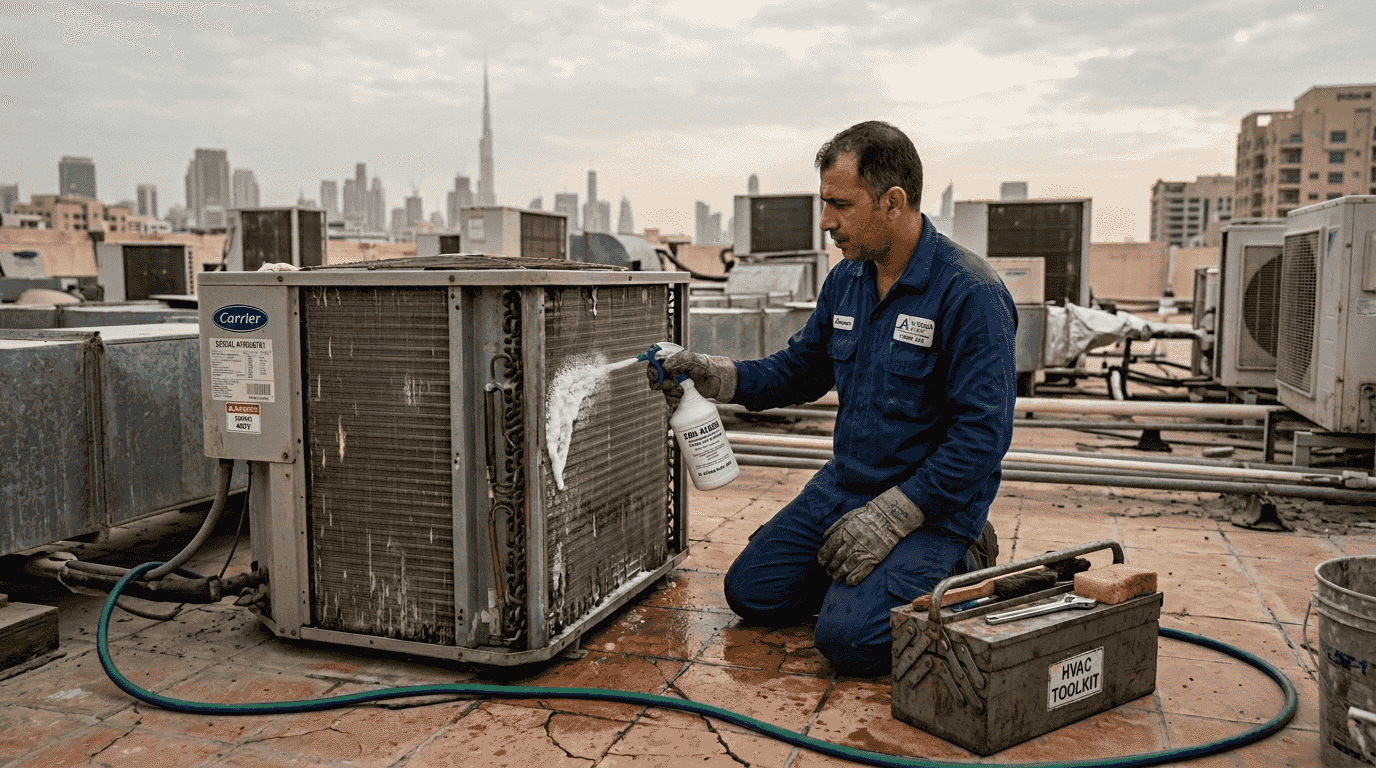
In Dubai’s climate, year-round AC usage, desert dust accumulation, high humidity, and condensation can lead to significant issues such as mold growth, bacterial contamination, and reduced system efficiency. Duct cleaning aims to address these problems by removing hidden contaminants that accumulate inside the air conditioning systems. This relates directly to Is Duct Cleaning The Best Way To Improve Indoor Air Quality.
Benefits of Duct Cleaning
Regular duct cleaning offers several benefits for improving indoor air quality:
- Reduces allergens and irritants: Dust, mold spores, and pet dander can accumulate in ducts, contributing to allergic reactions and respiratory issues.
- Better system efficiency: Clean ducts allow air conditioning systems to operate more efficiently, reducing energy consumption and costs.
- Eliminates odors: Mold growth and bacterial colonies can cause musty or sour smells. Duct cleaning helps eliminate these odors by removing the sources of contamination.
- Prolongs system lifespan: By preventing buildup, duct cleaning can extend the life of HVAC systems and improve overall performance.
Alternatives to Duct Cleaning
While duct cleaning is effective, there are alternative methods that can complement or replace it:
- Filter replacement and maintenance: High-efficiency filters trap particles and microorganisms before they enter the ductwork.
- Mold remediation: Addressing moisture sources and removing mold from affected areas is crucial for preventing further growth.
- Biofilm treatment: Anti-bacterial and anti-fungal treatments can be applied to surfaces inside air ducts to control microbial contamination.
Best Practices for Duct Cleaning
To ensure the best results from duct cleaning, follow these practices:
- Choose a professional service: A reputable company with experience in your local climate can provide the necessary expertise.
- Regular cleaning schedule: Depending on system use and environmental conditions, clean every 3-5 years or as needed to maintain optimal IAQ.
- Use human-safe disinfectants: Ensure that any chemicals used are safe for occupied spaces with minimal disruption.
- Verify results: After cleaning, conduct a thorough inspection to ensure all contaminants have been removed.
Expert Tips on Improving Indoor Air Quality
Beyond duct cleaning, there are several steps you can take to enhance IAQ in your home or office:
- Proper ventilation: Ensure adequate airflow and consider using air purifiers with HEPA filters.
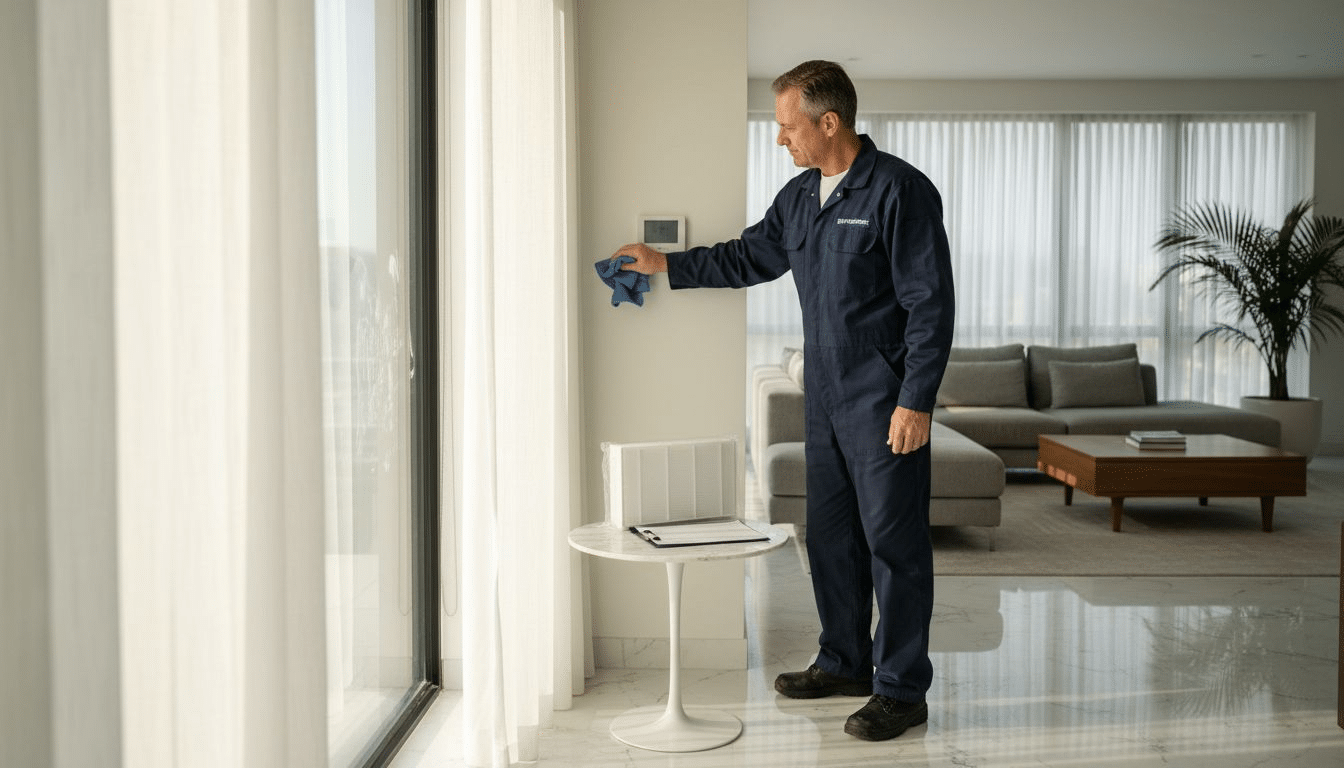
- Dust-free surfaces: Regularly clean and maintain surfaces to reduce dust accumulation, which can re-enter the HVAC system.
- Humidity control: Use dehumidifiers in high-humidity areas to prevent mold growth and ensure optimal IAQ.
Frequently Asked Questions (FAQs)
Here are answers to some common questions about duct cleaning and indoor air quality:
- Is it necessary to clean all ductwork? Clean only the sections that show visible buildup or where contaminants have been identified.
- How often should I clean my ducts? Every 3-5 years is a general guideline, but this can vary based on system use and environmental conditions.
- Are there any DIY methods for duct cleaning? While some basic maintenance tasks can be performed by homeowners, professional cleaning ensures thoroughness and safety.
Conclusion: Is Duct Cleaning the Best Way to Improve Indoor Air Quality?
In conclusion, while duct cleaning is an effective method for improving indoor air quality, it should be part of a comprehensive IAQ management plan. Regular maintenance, proper ventilation, and addressing moisture issues are equally important. By working with experienced professionals and following best practices, you can achieve clean, breathable air in your home or office. When considering Is Duct Cleaning The Best Way To Improve Indoor Air Quality, this becomes clear.
—
Understanding Is Duct Cleaning the Best Way to Improve Indoor Air Quality
Duct cleaning is a process designed to remove accumulated dust, debris, and microorganisms from air ducts. This helps improve indoor air quality (IAQ) by reducing allergens and irritants that can cause respiratory issues. However, in Dubai’s climate, year-round AC usage, desert dust accumulation, high humidity, and condensation can lead to significant issues such as mold growth, bacterial contamination, and reduced system efficiency.
The effectiveness of duct cleaning depends on the specific conditions within your HVAC system and building environment. This section will explore how duct cleaning addresses these challenges and whether it is indeed the best way to improve IAQ in residential or commercial settings.
—
Benefits of Duct Cleaning
Regular duct cleaning offers several benefits for improving indoor air quality:
- Reduces allergens and irritants: Dust, mold spores, and pet dander can accumulate in ducts, contributing to allergic reactions and respiratory issues.
- Better system efficiency: Clean ducts allow air conditioning systems to operate more efficiently, reducing energy consumption and costs.
- Eliminates odors: Mold growth and bacterial colonies can cause musty or sour smells. Duct cleaning helps eliminate these odors by removing the sources of contamination.
- Prolongs system lifespan: By preventing buildup, duct cleaning can extend the life of HVAC systems and improve overall performance.
—
Alternatives to Duct Cleaning
While duct cleaning is effective, there are alternative methods that can complement or replace it:
- Filter replacement and maintenance: High-efficiency filters trap particles and microorganisms before they enter the ductwork.
- Mold remediation: Addressing moisture sources and removing mold from affected areas is crucial for preventing further growth.
- Biofilm treatment: Anti-bacterial and anti-fungal treatments can be applied to surfaces inside air ducts to control microbial contamination.
—
Best Practices for Duct Cleaning
To ensure the best results from duct cleaning, follow these practices:
- Choose a professional service: A reputable company with experience in your local climate can provide the necessary expertise.
- Regular cleaning schedule: Depending on system use and environmental conditions, clean every 3-5 years or as needed to maintain optimal IAQ.
- Use human-safe disinfectants: Ensure that any chemicals used are safe for occupied spaces with minimal disruption.
- Verify results: After cleaning, conduct a thorough inspection to ensure all contaminants have been removed.
—
Expert Tips on Improving Indoor Air Quality
Beyond duct cleaning, there are several steps you can take to enhance IAQ in your home or office:
- Proper ventilation: Ensure adequate airflow and consider using air purifiers with HEPA filters.
- Dust-free surfaces: Regularly clean and maintain surfaces to reduce dust accumulation, which can re-enter the HVAC system.
- Humidity control: Use dehumidifiers in high-humidity areas to prevent mold growth and ensure optimal IAQ.
—
Frequently Asked Questions (FAQs)
Here are answers to some common questions about duct cleaning and indoor air quality:
- Is it necessary to clean all ductwork? Clean only the sections that show visible buildup or where contaminants have been identified.
- How often should I clean my ducts? Every 3-5 years is a general guideline, but this can vary based on system use and environmental conditions.
- Are there any DIY methods for duct cleaning? While some basic maintenance tasks can be performed by homeowners, professional cleaning ensures thoroughness and safety.
—
Conclusion: Is Duct Cleaning the Best Way to Improve Indoor Air Quality?
In conclusion, while duct cleaning is an effective method for improving indoor air quality, it should be part of a comprehensive IAQ management plan. Regular maintenance, proper ventilation, and addressing moisture issues are equally important. By working with experienced professionals and following best practices, you can achieve clean, breathable air in your home or office. Understanding Is Duct Cleaning The Best Way To Improve Indoor Air Quality is key to success in this area.


Leave a Reply