

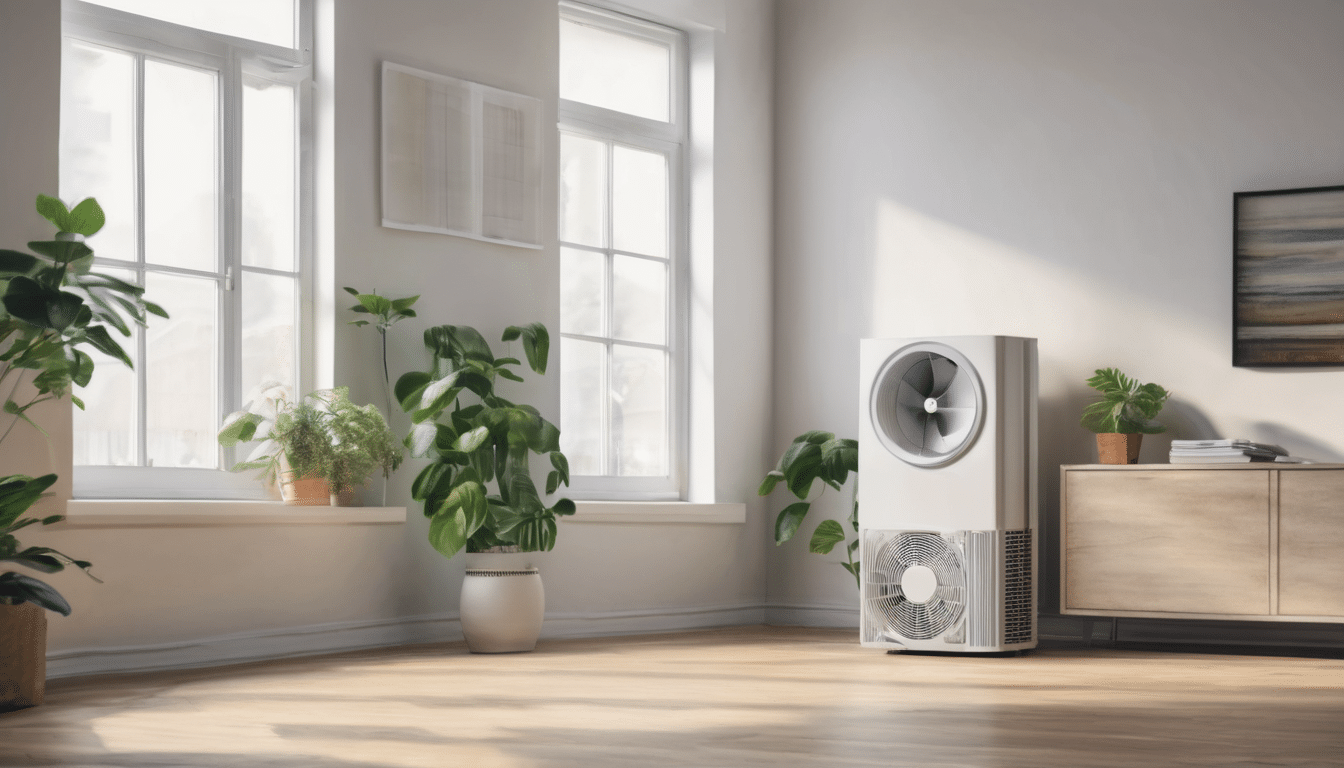
Does Running Central Air Improve Indoor Air Quality?
Understanding Does Running Central Air Improve Indoor Air Quality is essential. —
Introduction to Indoor Air Quality (IAQ)
Contents
- 1 Introduction to Indoor Air Quality (IAQ)
- 2 Understanding Does Running Central Air Improve Indoor Air Quality?
- 3 Does Running Central Air Improve Indoor Air Quality – How Cold Air Affects Dust and Microbes
- 4 Does Running Central Air Improve Indoor Air Quality – The Role of Humidity in Indoor Environments
- 5 Dust and Fine Particles Impact on Air Quality
- 6 Maintaining Clean Air Systems for Optimal Health
- 7 Does Running Central Air Improve IAQ for All Environments?
- 8 Examples of Clean-Air Systems and Their Benefits
- 9 Expert Tips on Improving Indoor Air Quality
- 10 Frequently Asked Questions About Air Quality
- 11 Conclusion
Indoor air quality is a critical aspect of our daily lives, especially in regions with year-round air conditioning use. In the United Arab Emirates, particularly in Abu Dhabi, Dubai, and Sharjah, central air systems play a significant role in maintaining comfortable indoor environments while also affecting IAQ. This guide aims to clarify whether running your central air improves indoor air quality, exploring various factors involved.
Understanding Does Running Central Air Improve Indoor Air Quality?
Running a central air system can have both positive and negative impacts on IAQ. The key lies in the effectiveness of your AC unit, its maintenance, and the overall indoor environment.
Does Running Central Air Improve Indoor Air Quality – How Cold Air Affects Dust and Microbes
Cold air has a drying effect on dust particles, causing them to settle rather than circulating. However, this can also lead to an increase in microbial activity as the moisture content drops. Understanding these dynamics is crucial for maintaining good IAQ.
Does Running Central Air Improve Indoor Air Quality – The Role of Humidity in Indoor Environments
Humidity levels significantly influence indoor air quality. High humidity promotes mold growth and bacterial proliferation, while low humidity can dry out the air, causing respiratory issues. Balancing humidity is essential for optimal IAQ.
Dust and Fine Particles Impact on Air Quality
Dust and fine particles are major contributors to poor indoor air quality. Central air systems can help remove these contaminants, but only if they are properly maintained and equipped with efficient filters.
<h2 id="how-air-conditioners-remove-contaminants”>How Air Conditioners Remove Contaminants
Modern air conditioners use various methods to improve IAQ, including HEPA filtration, UV sterilization, and moisture control. Understanding these technologies can help you make informed decisions about your AC system’s maintenance.
Maintaining Clean Air Systems for Optimal Health
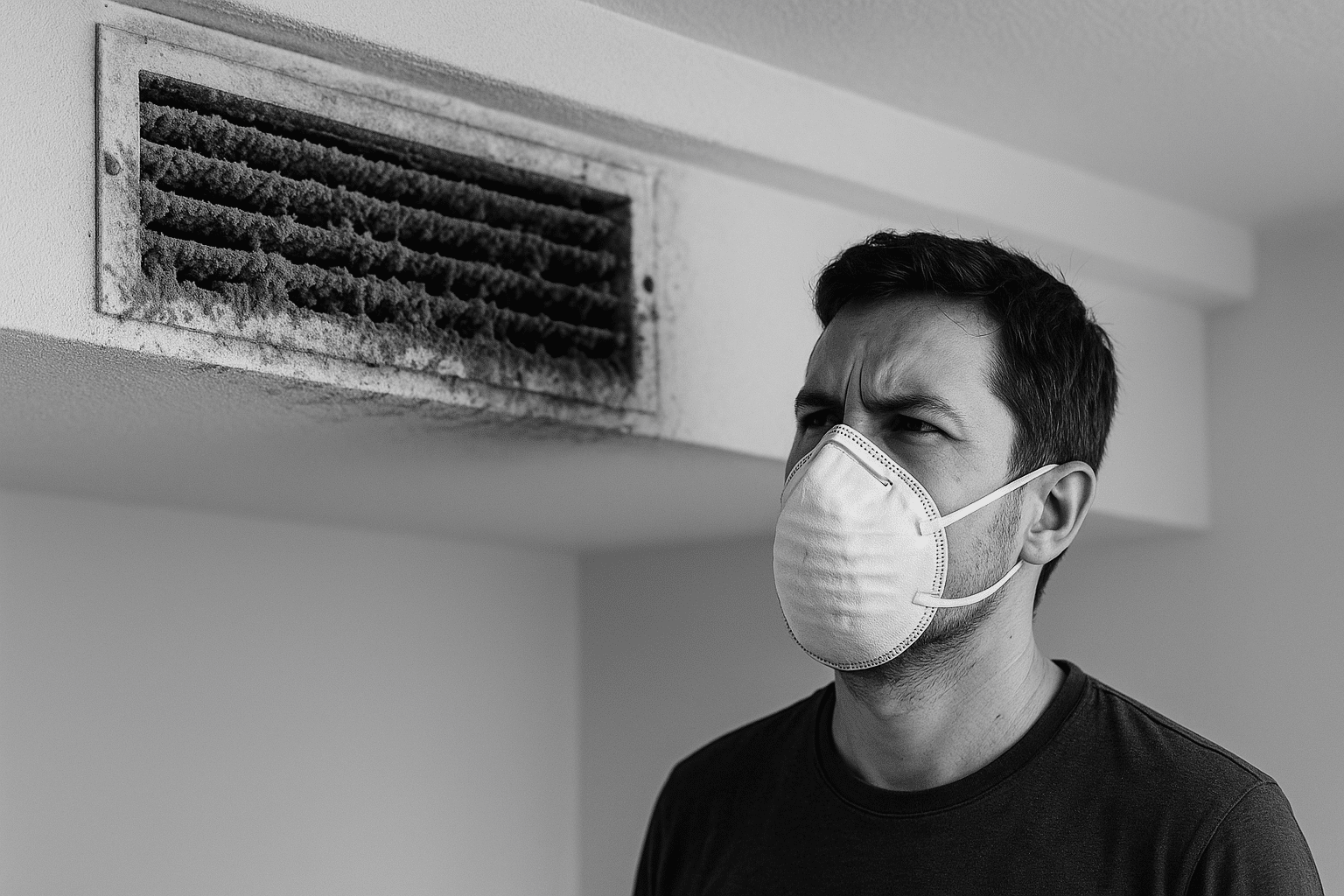
Proper maintenance is key to ensuring that your central air system effectively improves IAQ. Regular cleaning, filter replacements, and disinfection can significantly enhance the performance of your AC unit.
Does Running Central Air Improve IAQ for All Environments?
The impact of running central air on IAQ varies depending on factors such as the building’s layout, usage patterns, and overall maintenance. In high-occupancy environments like schools or hospitals, regular AC cleaning is crucial to maintaining a healthy indoor environment.
Examples of Clean-Air Systems and Their Benefits
Some advanced air conditioning systems incorporate features such as electrostatic filters, air purification technology, and smart monitoring. These systems can significantly improve IAQ and provide a healthier living or working environment.
Expert Tips on Improving Indoor Air Quality
- Regularly clean your AC filters to remove dust and debris.
- Consider installing HEPA filters for better particle removal.
- Use air purifiers in high-pollution areas or during renovation.
- Monitor humidity levels with dehumidifiers to prevent mold growth.
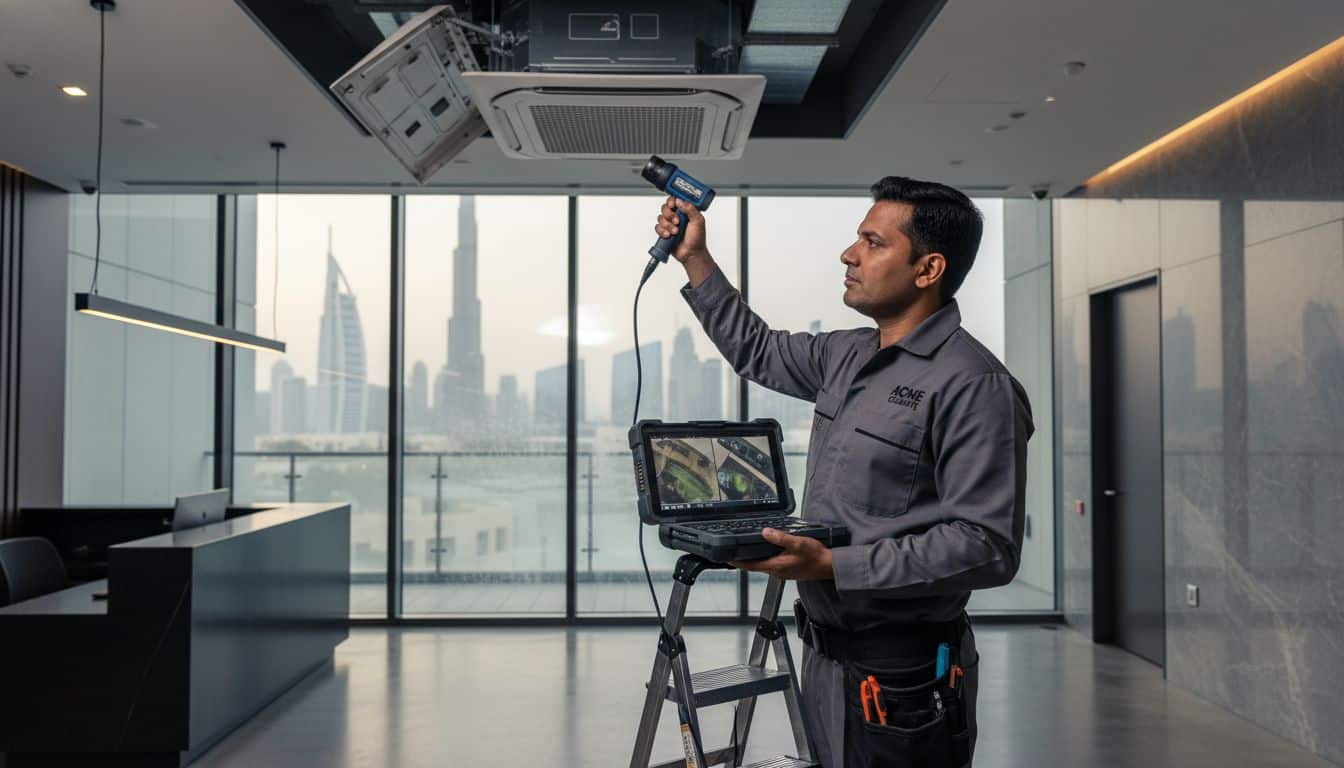
- Schedule professional AC cleaning and disinfection services annually.
Frequently Asked Questions About Air Quality
- Q: Can central air improve IAQ in all buildings?
- Q: How often should I clean my AC filters?
- Q: Are there specific humidity levels that are best for IAQ?
A: Central air can improve IAQ, but its effectiveness depends on the building’s design and maintenance practices. Regular cleaning and filter replacements are essential.
A: Filters should be cleaned or replaced every one to three months, depending on usage and air quality conditions.
A: Ideal indoor relative humidity ranges between 30% and 50%. This range helps prevent mold growth while maintaining comfortable conditions.
Conclusion
Running central air can improve indoor air quality, but it is not a one-size-fits-all solution. Regular maintenance, proper filter usage, and humidity control are crucial for ensuring optimal IAQ in your home or workplace. By understanding the factors involved and implementing best practices, you can create healthier living conditions in Abu Dhabi, Dubai, Sharjah, and other regions with similar climates.
—
Understanding Does Running Central Air Improve Indoor Air Quality is key to success in this area.

Leave a Reply