


Indoor Air Quality Improvement Through Safe Chemical
<h2 id="understanding-indoor-air-quality-improvement”>Understanding Indoor Air Quality Improvement Through Safe Chemical
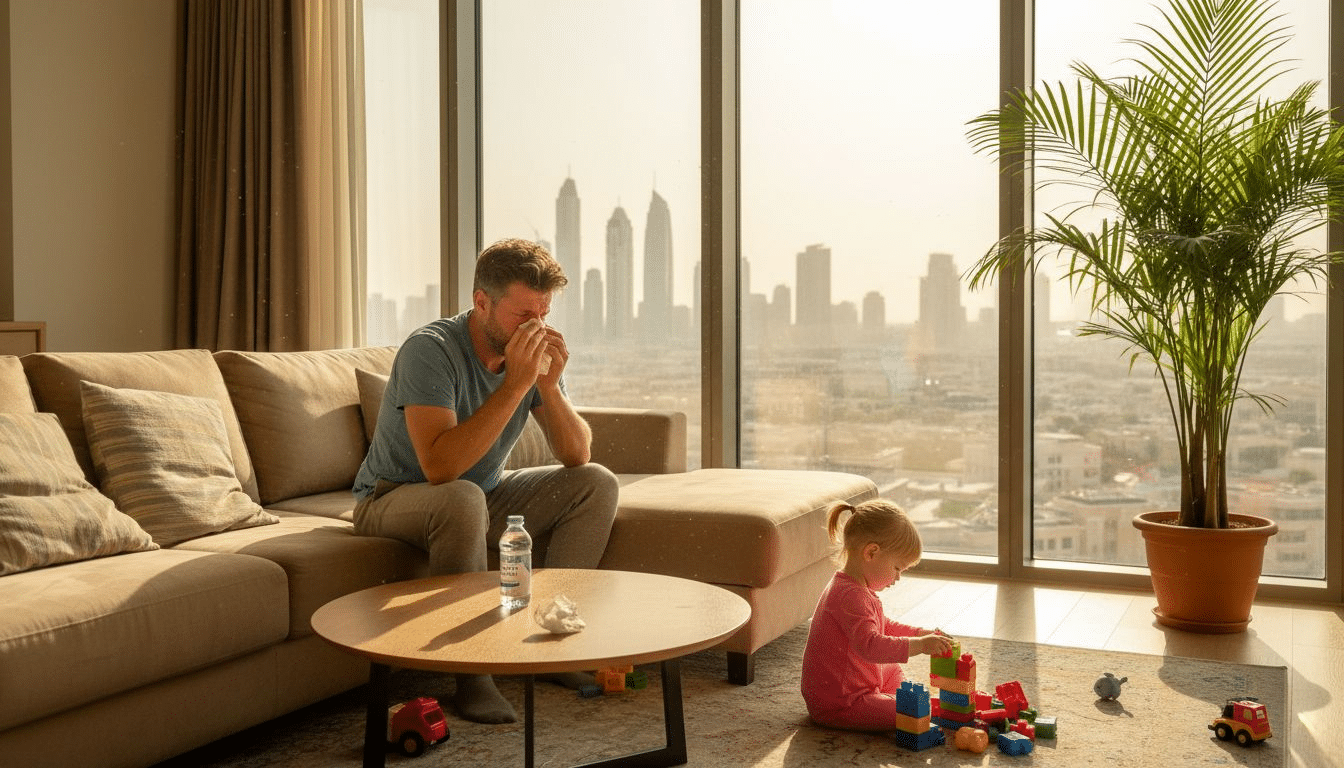
Understanding Indoor Air Quality Improvement Through Safe Chemical is essential. Indoor air quality (IAQ) is a critical aspect of home comfort and health. In Dubai’s climate, where year-round AC usage and high humidity contribute to mold growth and dust accumulation, maintaining clean indoor air becomes paramount. Safe chemicals play an essential role in this process by effectively removing contaminants without posing significant risks.
Indoor Air Quality Improvement Through Safe Chemical – Selecting Safe Chemicals for IAQ
Contents
- 1 Indoor Air Quality Improvement Through Safe Chemical – Selecting Safe Chemicals for IAQ
- 2 Indoor Air Quality Improvement Through Safe Chemical – Best Practices for Using Safe Chemicals
- 3 Examples of Safe Chemical Products
- 4 Advantages and Disadvantages of Safe Chemical Solutions
- 5 Expert Tips for Improving Air Quality
- 6 Frequently Asked Questions (FAQ)
- 7 Conclusion
When choosing chemicals to improve indoor air quality, it’s essential to prioritize safety. Look for products that are:
- Hypoallergenic and non-toxic.
- Approved by recognized health organizations such as the Environmental Protection Agency (EPA).
- Biodegradable and environmentally friendly.
Examples include ozone-free air purifiers, essential oils for natural odor removal, and specialized mold inhibitors. These products are designed to neutralize contaminants without leaving harmful residues.
Indoor Air Quality Improvement Through Safe Chemical – Best Practices for Using Safe Chemicals
- Follow instructions carefully. Always read the label before using any chemical product.
- Use in well-ventilated areas. Proper ventilation reduces inhalation risks and helps distribute the chemicals evenly throughout the space.
- Wear personal protective equipment (PPE). This includes gloves, masks, and eye protection to minimize direct contact with the chemicals.
- Test products in a small area first. This ensures that you don’t experience adverse reactions before full-scale application.
Examples of Safe Chemical Products
- Ozone-free air purifiers: These devices use advanced technologies like HEPA filters and activated carbon to remove allergens, bacteria, and viruses from the air. They are safe for continuous operation in occupied spaces.
- Mold inhibitors: Products containing borate-based ingredients can prevent mold growth on surfaces such as walls and ceilings. These are particularly useful in high-humidity environments like Dubai’s climate.
- Essential oils: Oils like tea tree, lavender, and eucalyptus have natural antifungal properties that help eliminate odors and microorganisms. They can be used in diffusers or added to cleaning solutions for a fresh scent without harsh chemicals.
Advantages and Disadvantages of Safe Chemical Solutions
Advantages:
- No harmful residues.
- Safe for use in occupied spaces.
- Easily available from reputable suppliers.
Disadvantages:
- May require repeated application due to continuous usage.
- Initial cost of specialized equipment can be high.
- Potential for allergic reactions in some individuals.
Expert Tips for Improving Air Quality
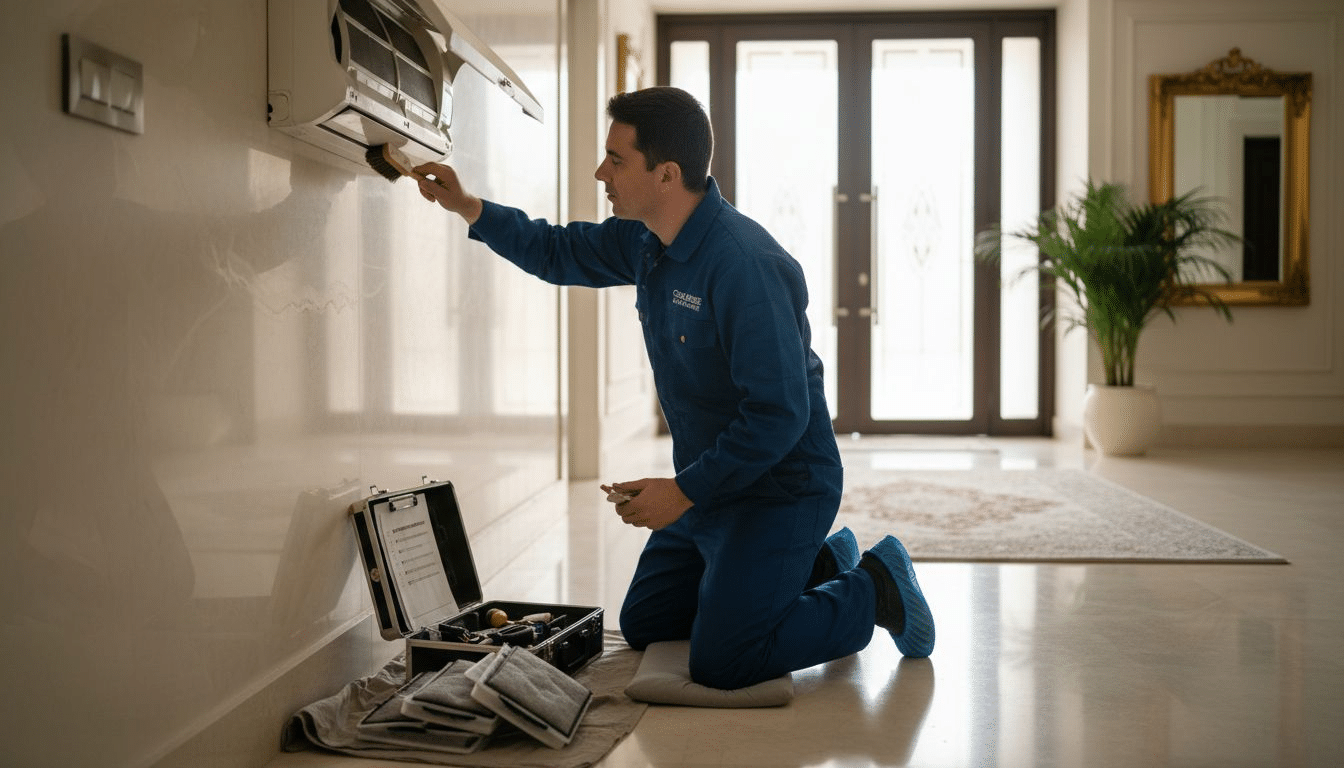
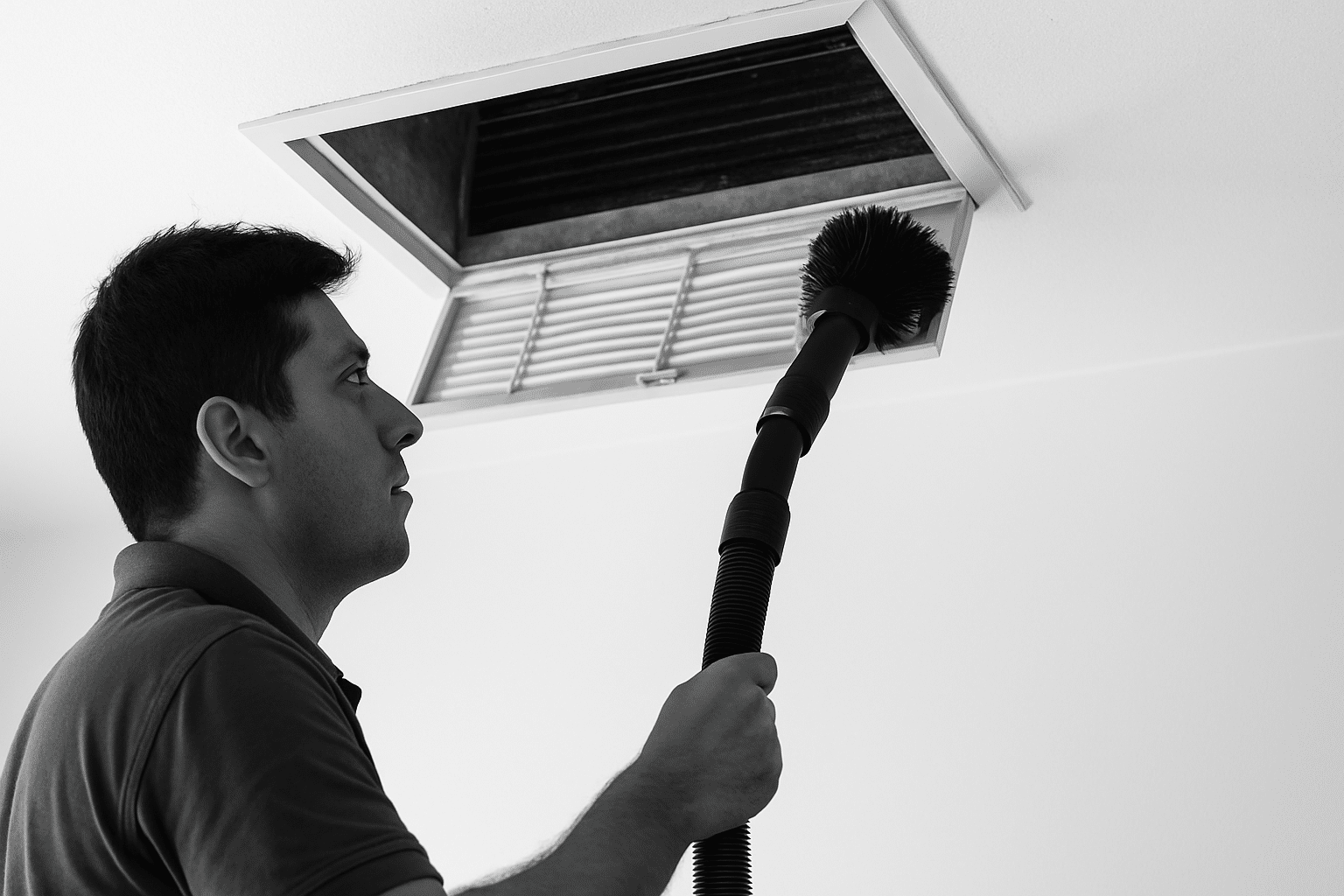
- Regular maintenance: Schedule routine cleaning and disinfection of AC systems to prevent dust, mold, and bacterial growth.
- Use HEPA filters: High-efficiency particulate air (HEPA) filters can capture fine particles that are difficult for standard filters to remove.
- Control humidity levels: Use dehumidifiers or AC units with built-in moisture control features to maintain optimal indoor humidity levels. Excess moisture is a primary cause of mold growth in Dubai’s climate.
- Avoid smoking indoors: Smoking releases harmful particles and chemicals into the air, compromising IAQ.
- Use natural ventilation: Whenever possible, open windows to allow fresh air circulation, especially during cooler periods when AC usage is lower.
Frequently Asked Questions (FAQ)
- Q: Can I use household cleaning products for IAQ improvement?
- No. Many common household cleaners contain harsh chemicals that can irritate the respiratory system and contribute to poor indoor air quality.
- Q: How often should I clean my AC units?
- A deep cleaning every six months is recommended, especially in high-use areas where humidity levels are high. This prevents mold growth and ensures efficient operation.
- Q: Are there any natural methods to improve IAQ?
- Yes, natural methods like using essential oils for air fresheners or planting indoor plants that can purify the air (e.g., snake plant, spider plant) are effective and safe alternatives.
Conclusion
Improving indoor air quality through safe chemical solutions is a crucial step towards creating healthier living environments in Dubai. By selecting appropriate products, following best practices, and maintaining regular maintenance schedules, you can effectively enhance the IAQ of your home or office while ensuring minimal risk to health. Understanding Indoor Air Quality Improvement Through Safe Chemical is key to success in this area.

Leave a Reply