

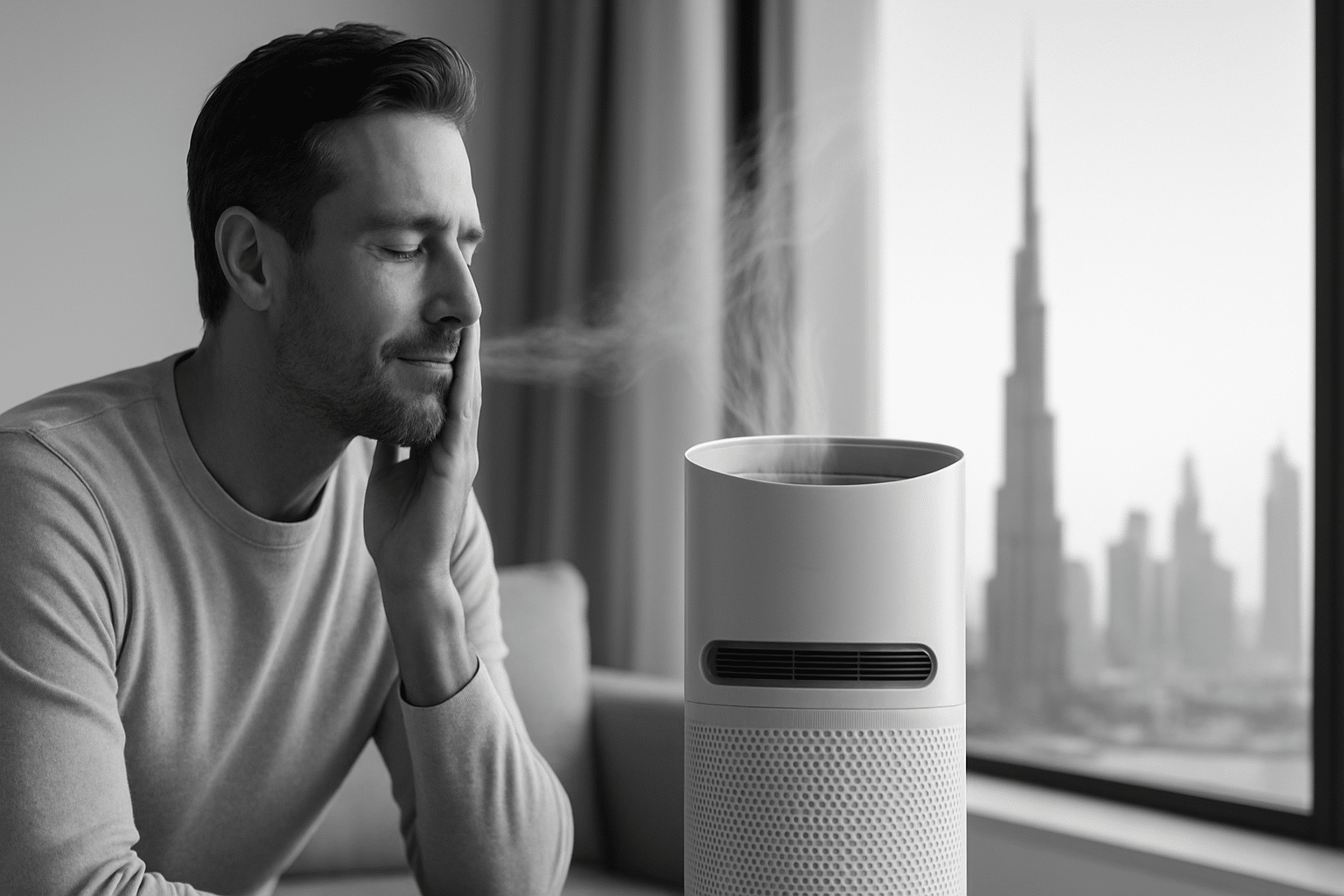
9 Effective Ways to Improving Indoor Air Quality Solutions Dubai
Table of Contents
Contents
- 1 Table of Contents
- 2 Understanding Indoor Air Quality in Dubai
- 3 Common Indoor Air Pollutants in Dubai Homes
- 4 Role of Local AC Care Providers in Palm Jumeirah
- 5 Top Improving Indoor Air Quality Solutions Dubai
- 6 Importance of Regular Maintenance for Air Quality
- 7 Technology and Innovations in Air Purification
- 8 Compliance with Dubai Health and Safety Standards
- 9 Tips for Homeowners to Sustain Healthy Air
- 10 Conclusion: Improving Dubai Indoor Air Quality
- 11 Advanced Strategies for Improving Indoor Air Quality Solutions Dubai
“`html
Understanding Indoor Air Quality in Dubai
Improving indoor air quality solutions Dubai is a critical topic due to the unique climate and urban environment of this vibrant city. Residents and businesses alike face challenges from dust, humidity, and indoor pollutants that compromise health and comfort. Indoor air quality (IAQ) refers to the air conditions inside buildings and how they affect the occupants’ well-being. With Dubai’s rapid urbanization and heavy reliance on air conditioning, maintaining good IAQ requires targeted solutions suited to local conditions.
Dubai’s desert climate brings elevated dust levels and high temperatures, which lead to extensive use of air conditioning systems. These systems, if not properly maintained, can become breeding grounds for bacteria, allergens, and mold. Therefore, improving indoor air quality solutions Dubai demands expertise that understands local environmental factors as well as Dubai Municipality health guidelines.
Common Indoor Air Pollutants in Dubai Homes
The indoor air in many Dubai homes and commercial buildings may carry a mixture of pollutants. Common culprits include:
- Particulate matter: Fine dust from desert winds infiltrates indoors despite sealing efforts.
- Volatile Organic Compounds (VOCs): Emitted from paints, cleaning agents, and furnishings.
- Biological contaminants: Mold, fungi, pollen, and dust mites thrive in humid or poorly ventilated areas.
- Carbon dioxide and other gases: Resulting from poor ventilation and overcrowded spaces.
Addressing these pollutants requires advanced filtration and ventilation techniques. Hence, improving indoor air quality solutions Dubai must incorporate strategies tailored to these specific indoor air contaminants.
Role of Local AC Care Providers in Palm Jumeirah
One of the essential partners in improving indoor air quality solutions Dubai are the local AC care providers operating in premium locations like Palm Jumeirah. These specialists offer maintenance, cleaning, and upgrading services for air conditioning systems, ensuring they operate efficiently and do not contribute to indoor pollution. Properly serviced AC units can filter dust, control humidity, and circulate fresh air, significantly improving indoor air quality.
For example, regular cleaning of AC filters and ductwork removes accumulated dust and microbes. Palm Jumeirah residents benefit from providers who understand the local environment and use solutions compliant with Dubai Municipality standards. Leveraging providers specializing in these areas helps sustain long-term indoor air quality in luxury residences and commercial properties alike.
Top Improving Indoor Air Quality Solutions Dubai
To effectively improve indoor air quality solutions Dubai, certain approaches have proven very effective. These include:
- High-efficiency particulate air (HEPA) filters: Capture pollutants as small as 0.3 microns, reducing allergens and dust significantly.
- UV light air purification: Installed within HVAC systems, UV light destroys bacteria and mold spores.
- Humidity control systems: Manage indoor moisture levels to reduce mold growth in Dubai’s humid microclimates.
- Ventilation upgrades: Introducing fresh air exchange methods compatible with desert climate control.
- Use of low-VOC materials: Choosing paints and furnishings certified to emit fewer harmful chemicals.
- Regular professional HVAC cleaning: Prevents microbial growth and assists in pollutant removal.
These solutions combined offer a comprehensive approach to improving indoor air quality solutions Dubai, especially when delivered by experienced local professionals.
Importance of Regular Maintenance for Air Quality
Regular maintenance of air conditioning and ventilation systems is vital in enhancing indoor air quality. In Dubai, where AC units run extensively year-round, ignoring upkeep leads to reduced system efficiency and increased contaminant build-up. Local AC care providers in Palm Jumeirah emphasize scheduled checkups to clean filters, inspect ducts, and verify system functionality to avoid indoor air contamination.
Dubai residents are advised to schedule maintenance at least twice a year to ensure optimal operation. These practices align with Dubai Municipality’s recommendations and Dubai Health & Safety regulations, supporting healthier indoor environments.
Technology and Innovations in Air Purification
In Dubai’s competitive and technology-driven environment, innovations have transformed improving indoor air quality solutions Dubai. Smart sensors now monitor air quality in real-time, providing data that triggers adjustments in ventilation and filtration automatically. Advanced purification systems combine ionization, photocatalytic oxidation, and electrostatic precipitation to cleanse air thoroughly.
Additionally, IoT-enabled devices allow homeowners and building managers to track air quality through apps, ensuring continuous monitoring. Such innovations are increasingly incorporated by local service providers, enhancing responsiveness and effectiveness in managing indoor air quality across Dubai.
Compliance with Dubai Health and Safety Standards
Improving indoor air quality solutions Dubai must also observe compliance with relevant Dubai authorities. The Dubai Municipality and Dubai Health Authority set standards and regulations to safeguard residents by ensuring air quality measures meet minimum thresholds. Service providers must adhere to these guidelines, guaranteeing that all indoor air quality interventions promote occupant health.
For example, Dubai Municipality enforces rules on ventilation rates and pollutant concentrations, driving demand for professional local AC care providers who maintain system integrity and ensure air quality benchmarks are met. Partnering with certified providers is a key strategy for Dubai homeowners and businesses aiming to achieve compliant air quality solutions.
Tips for Homeowners to Sustain Healthy Air
Beyond technical solutions, homeowners in Dubai can adopt several practical habits to maintain indoor air quality:
- Regularly clean or replace AC filters as recommended by providers.
- Ventilate spaces during cooler night hours to reduce indoor pollutant buildup.
- Limit use of products with strong chemical odors or VOC emissions.
- Keep indoor plants that can mildly improve air quality, suitable for the Dubai climate.
- Control indoor humidity with dehumidifiers to prevent mold growth.
- Avoid smoking indoors to maintain a pollutant-free environment.
These actions, combined with professional interventions, create a healthier lifestyle aligned with Dubai’s environmental context.
Conclusion: Improving Dubai Indoor Air Quality
Improving indoor air quality solutions Dubai is an achievable goal that requires a holistic approach involving advanced technology, professional local AC care providers in Palm Jumeirah, and informed homeowner practices. Dubai’s unique environmental challenges mean that customized solutions compliant with city regulations provide the most effective results. By investing in regular maintenance, adopting innovative purification methods, and following recommended habits, residents can protect their health and comfort indoors.
To explore trusted providers and learn more about improving indoor air quality solutions Dubai, visit leading AC care services in Palm Jumeirah or check our comprehensive home air-quality tips guide for Dubai residents. Breathe better today with action tuned to Dubai’s needs!
Advanced Strategies for Improving Indoor Air Quality Solutions Dubai
As awareness of health and environmental impacts grows, improving indoor air quality solutions Dubai has become a critical priority for homeowners, businesses, and public facilities across the city. With Dubai’s hot desert climate, high-density urban environments, and increasing reliance on air conditioning, indoor spaces are vulnerable to pollutants like dust, VOCs (volatile organic compounds), and biological contaminants. Addressing these challenges requires an integrated approach that combines technology, regular maintenance, and adherence to local regulations set forth by authorities such as Dubai Municipality and the Dubai Health Authority (DHA).
Understanding Key Pollutants and Their Sources in Dubai Indoor Environments
Dubai’s indoor air quality issues are multifaceted due to a combination of environmental factors and lifestyle elements common to the emirate. Dust intrusion, chemical off-gassing from building materials, and inadequate ventilation are prominent contributors. Some of the typical indoor air pollutants to consider when improving indoor air quality solutions Dubai include:
- Particulate Matter (PM): Fine dust and sand particles from the desert environment easily infiltrate buildings without proper seals and air filtration systems. These particulates can exacerbate respiratory issues, especially for vulnerable populations such as children and the elderly.
- Volatile Organic Compounds (VOCs): Emitted from paint, adhesives, carpets, and furnishings commonly used in Dubai’s modern construction, VOCs impact air freshness and have long-term health effects.
- Biological Contaminants: Mold, mildew, and bacteria thrive in poorly ventilated, humid areas. Despite Dubai’s arid climate, cooling systems can introduce moisture and create the ideal environment for microbial growth if not cleaned regularly.
- Carbon Dioxide and Other Gases: In buildings with high occupancy or insufficient fresh air exchanges, CO₂ concentrations can rise, reducing cognitive performance and comfort.
Understanding these sources enables facility managers and residents in Dubai to customize their mitigation strategies effectively.
Core Techniques to Enhance Indoor Air in Dubai’s Built Environment
Improving indoor air quality solutions Dubai involves a combination of technological upgrades and behavioral changes adapted to local environmental conditions. Here are several critical techniques used in Dubai’s indoor air quality improvement plans:
1. Optimized HVAC and Air Filtration Systems
Heating, ventilation, and air conditioning (HVAC) systems are the backbone of indoor climate control in Dubai, given the extreme temperatures. Modern HVAC units equipped with high-efficiency particulate air (HEPA) or ultra-low penetration air (ULPA) filters can capture fine particles, dust, and allergens effectively. By implementing these optimized HVAC and filtration systems, Dubai properties can significantly enhance their efforts in improving indoor air quality solutions Dubai. Additionally, the Dubai Municipality’s guidelines emphasize the importance of regular maintenance and scheduled filter replacements to prevent contaminants from recirculating indoors.
Advanced HVAC controls that integrate smart sensors can dynamically adjust ventilation rates based on occupancy levels and pollutant concentrations. This ensures optimal air exchange, energy efficiency, and improved occupant comfort in Dubai’s residential complexes such as Arabian Ranches, Business Bay offices, and hospitality venues in Dubai Marina.
2. Incorporation of Natural Ventilation and Green Building Practices
While mechanical ventilation remains essential in Dubai due to the climate, solutions incorporating filtered natural ventilation are gaining traction to reduce reliance on air conditioning and promote fresher indoor air. Architectural designs that maximize airflow while minimizing dust ingress can remarkably improve air quality. For example, installing mesh screens and louvered windows combined with mechanical filtration systems provides a balanced, healthy indoor environment.
Green building initiatives under the Dubai Municipality’s Al Sa’fat green building rating system encourage the use of low-emission materials, indoor plants, and energy-efficient ventilation designs. Indoor plants, particularly those native or well-adapted to the UAE environment, naturally absorb certain VOCs and contribute to improved humidity regulation, thereby enhancing air quality.
3. Regular Indoor Air Quality Assessments and Monitoring
To maintain effective control over indoor air quality, continuous monitoring systems are increasingly used in Dubai’s commercial and residential developments. These technologies allow remote tracking of parameters such as particulate levels, humidity, temperature, and VOC concentrations. When integrated with building management systems, alerts can notify facility managers or residents when air quality degradation occurs, prompting timely interventions.
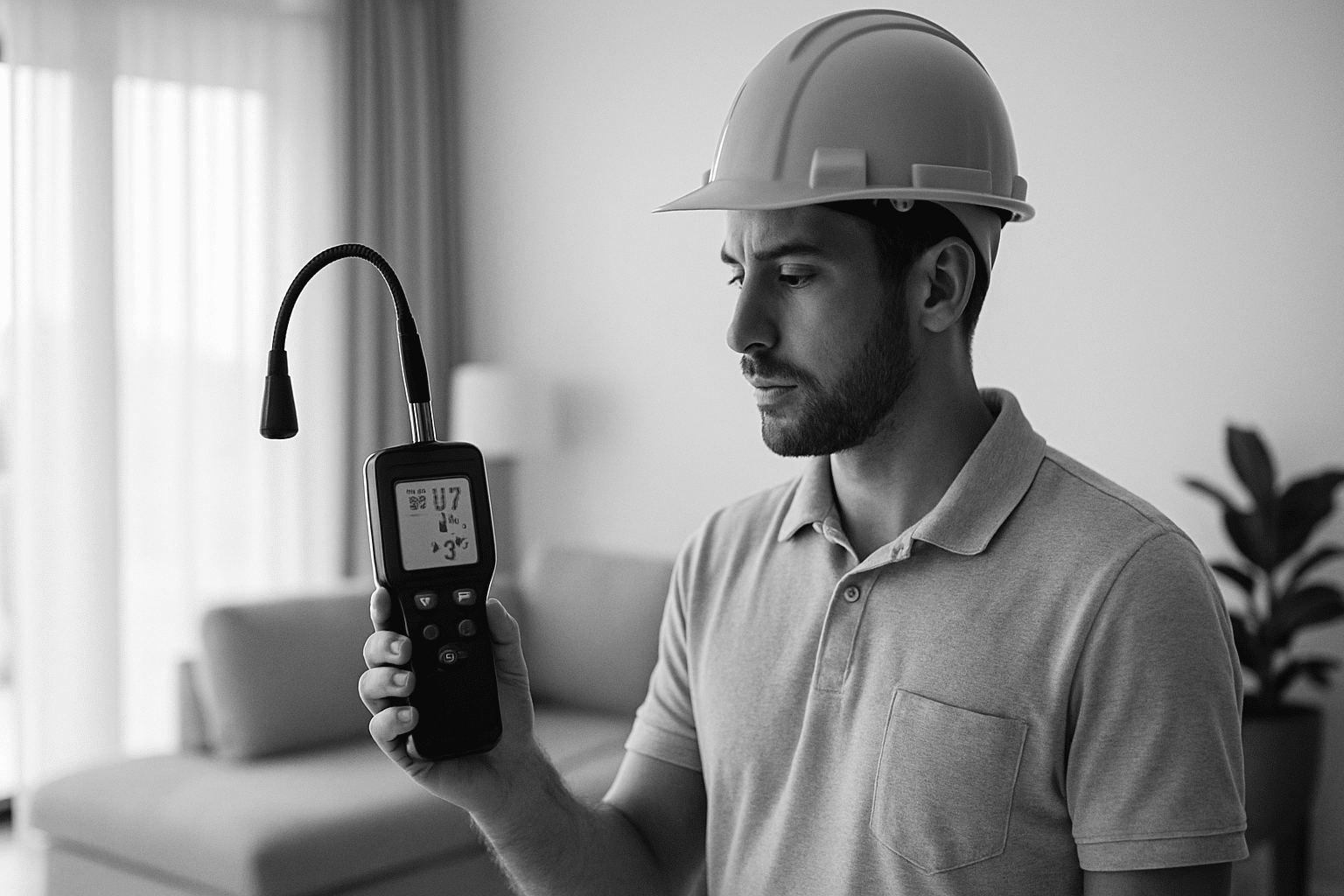
Dubai’s building code and health safety protocols issued by Dubai Health Authority recommend periodic air quality assessments especially in high-occupancy or sensitive environments such as hospitals in Medos or schools in Downtown Dubai. Utilizing portable indoor air quality meters for spot checks or installing fixed air quality stations within buildings ensures compliance and healthier living/working conditions.
4. Behavioral and Maintenance Practices Supporting Air Quality
No high-tech solution completely substitutes for proactive behavioral and maintenance practices that minimize pollutant sources indoors. Activities such as:
- Regular cleaning with non-toxic, low-VOC products
- Minimizing indoor smoking and scented candles
- Ensuring HVAC ductwork is professionally cleaned on schedule
- Using door mats and shoe-free zones to reduce dust entry
- Proper storage of chemicals and household products
…significantly contribute to improving indoor air quality solutions Dubai. Such habits complement technical measures and align with public health campaigns run by Dubai Municipality and DHA.
Regulatory Framework and Compliance in Dubai
Successfully improving indoor air quality solutions Dubai also involves navigating local regulatory frameworks designed to safeguard public health and environmental sustainability. Key regulations and guidelines include:
- Dubai Municipality Building Code: Specifies ventilation standards, allowable pollutant levels, and mandates installation of appropriate filtration systems in residential and commercial buildings.
- Dubai Health Authority (DHA) Health & Safety Guidelines: Focus on monitoring and maintaining safe indoor environments in healthcare and hospitality sectors, with periodic audits.
- Dubai Environment Department Initiatives: Promote awareness campaigns on indoor pollution sources and best practices to help residents improve home air quality.
Engaging with certified indoor air quality service providers in Dubai who are familiar with these guidelines can ease compliance and optimize outcomes. Companies such as Saniservice specialize in extensive air quality evaluations and remediation tailored to Dubai buildings.
Future Trends Supporting Indoor Air Quality in Dubai
Looking ahead, improving indoor air quality solutions Dubai will increasingly leverage cutting-edge technologies and data-driven approaches. Ongoing research and investments focus on:
- Smart IoT-enabled Air Quality Devices: Enabling real-time interaction with HVAC systems and personal devices to customize air quality according to user preferences and health profiles.
- Photocatalytic Air Purification: New materials that can break down VOCs and pathogens using light-activated processes are promising in Dubai’s sunny environment.
- Energy-Efficient Air Cleaning Solutions: Combining sustainability with indoor health, essential for Dubai’s green building initiatives.
- Community-Level Indoor Air Quality Awareness: Through collaboration between government, private sector, and residents in communities like Nad Al Sheba and Arabian Ranches, encouraging shared responsibility and continued improvement.
“`
In summary, improving indoor air quality solutions Dubai demands a holistic approach that integrates technology, education, regulatory compliance, and environmental sensitivity. Residents and businesses who invest in these strategies can improve comfort, reduce health risks, and contribute to Dubai’s reputation as a forward-looking, livable city.
Related articles



Leave a Reply