


Early Signs Of Mold Growth In Dubai Ac Systems: 7 Guide
Dubai’s year-round air conditioning usage and high humidity levels create ideal conditions for mold development within HVAC systems. Understanding the Early Signs of mold growth in Dubai AC systems is crucial for maintaining healthy indoor air quality and preventing costly remediation. In Dubai’s climate, where air conditioning operates continuously for most of the year, even small moisture accumulations can quickly develop into significant mold problems if left unaddressed.
The combination of constant cooling, occasional condensation, and minimal natural ventilation means that early signs of mold growth in Dubai AC systems often appear before property owners realise there’s an issue. Recognising these warning signs early can prevent extensive contamination, protect occupant health, and avoid expensive system replacements or extensive cleaning procedures.
Understanding Early Signs of Mold Growth in Dubai AC Systems
Contents
- 1 Understanding Early Signs of Mold Growth in Dubai AC Systems
- 2 Early Signs Of Mold Growth In Dubai Ac Systems – Visual Indicators of Mold Development
- 3 Early Signs Of Mold Growth In Dubai Ac Systems: Odour-Based Warning Signs
- 4 Performance-Related Symptoms
- 5 Health Symptoms in Occupants
- 6 Moisture and Humidity Indicators
- 7 System-Specific Warning Signs
- 8 Professional Assessment Recommendations
The early signs of mold growth in Dubai AC systems typically manifest in several distinct categories: visual, olfactory, performance-related, and health-related indicators. Dubai’s desert climate creates unique challenges, as outdoor dust combines with indoor humidity to create environments where mold can establish quickly once moisture is present.
Mold growth inside AC systems often begins in areas where condensation naturally occurs: drain pans, evaporator coils, and ductwork near cooling components. In Dubai’s continuous-use environment, these areas rarely have opportunity to completely dry, making them prime locations for initial mold establishment. The early signs of mold growth in Dubai AC systems often appear subtly at first, making regular monitoring essential.
Property owners should understand that mold can establish within 24-48 hours of moisture exposure, but visible signs may not appear for several days or weeks. This delayed visibility means that other early indicators, such as odours or performance changes, often precede visible confirmation of mold presence.
Climate-Specific Risk Factors
Dubai’s climate presents several unique factors that accelerate the early signs of mold growth in Dubai AC systems. The extreme outdoor temperatures mean AC systems operate at maximum capacity for extended periods, creating more condensation than systems in moderate climates. Additionally, the high outdoor humidity during summer months increases the moisture load that AC systems must handle.
The minimal seasonal variation in Dubai means AC systems rarely experience extended periods of inactivity where natural drying could occur. This constant operation, combined with occasional sandstorms that can introduce organic matter into systems, creates ideal conditions for mold establishment. Understanding these regional factors helps property owners recognise when conditions are particularly conducive to mold development.
Early Signs Of Mold Growth In Dubai Ac Systems – Visual Indicators of Mold Development
Visual signs represent the most obvious early signs of mold growth in Dubai AC systems, though they often appear after mold has already established. The most common visual indicators include dark spots, discolouration, or fuzzy growths on accessible system components such as vents, registers, and visible ductwork sections.
In Dubai’s environment, mold often appears as black, green, or brown spots initially concentrated around areas of highest moisture accumulation. Evaporator coils may show discolouration or unusual buildup, while drain pans might display dark films or unusual residue. These visual early signs of mold growth in Dubai AC systems require immediate attention, as visible mold indicates established colonies.
Accessible Component Inspection
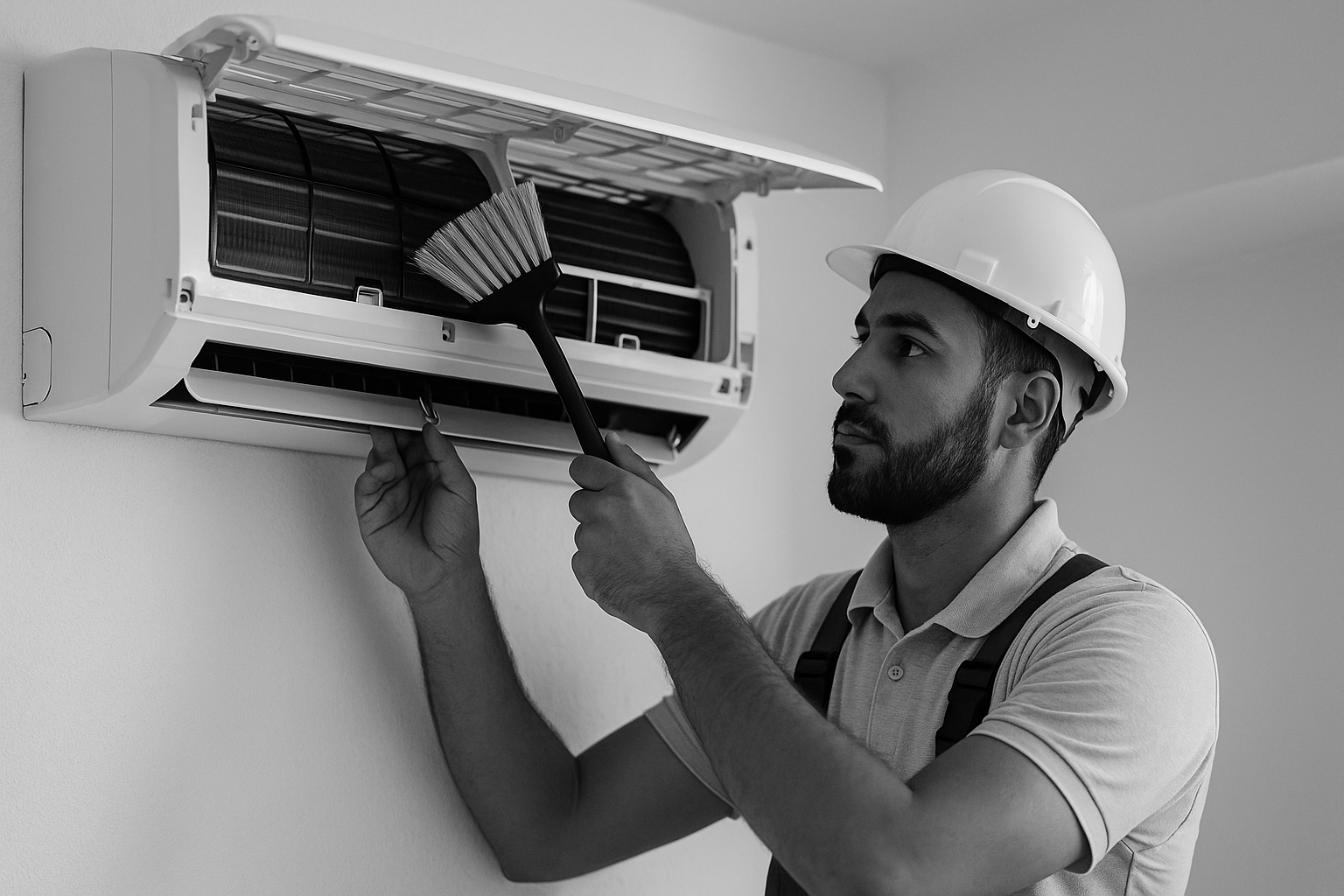
Property owners can inspect several accessible areas for visual signs without requiring professional equipment. Air vents and registers often show the first visible signs, particularly around edges where condensation might accumulate. Return air grilles may display discolouration or spotted patterns, especially in high-humidity areas such as kitchens or bathrooms.
Ceiling-mounted units in apartments or villas may show water staining around the unit, which often precedes visible mold growth. Filter compartments, when accessible, may display unusual discolouration or growths on filter surfaces or surrounding areas. These accessible inspections should be conducted monthly to catch early signs of mold growth in Dubai AC systems before extensive contamination occurs.
Hidden Area Concerns
Many early signs of mold growth in Dubai AC systems occur in areas not readily visible to property owners. Ductwork interiors, particularly flexible ducts common in Dubai construction, can harbour extensive mold growth before any visible signs appear at vents or registers. Similarly, mold can establish on the backside of evaporator coils or in drain pan areas that require system disassembly to inspect.
Professional inspection becomes essential when accessible areas show no visible signs but other indicators suggest mold presence. Thermal imaging and borescope inspection can reveal mold growth in hidden areas, particularly useful for identifying early signs of mold growth in Dubai AC systems before contamination spreads throughout the system.
Early Signs Of Mold Growth In Dubai Ac Systems: Odour-Based Warning Signs
Musty or unusual odours represent some of the earliest detectable signs of mold growth in Dubai AC systems. These odours often precede visible signs by several days or weeks, making them valuable early warning indicators. Mold produces distinctive compounds that create characteristic musty, earthy, or sometimes sweet odours that become noticeable when the AC system operates.
The early signs of mold growth in Dubai AC systems often include odours that seem stronger when the system first starts or after periods of inactivity. These odours typically intensify in humidity or when the system operates at higher capacity. Property owners should pay particular attention to odours that weren’t present previously or that seem to originate from specific vents or areas.
Identifying Mold-Related Odours
Distinguishing mold odours from other AC system smells requires understanding the characteristic qualities of mold-produced compounds. Mold typically creates persistent musty odours that don’t dissipate with continued system operation, unlike temporary odours from dust or system startup. The early signs of mold growth in Dubai AC systems include odours described as damp, earthy, or reminiscent of wet cardboard.
These odours often become more pronounced in areas with poor air circulation or where humidity levels remain elevated. Property owners should be particularly alert to odours that seem to follow air movement patterns or that intensify when certain zones or rooms are being cooled. Professional-grade air sampling can confirm whether detected odours indicate actual mold presence.
Odour Pattern Recognition
The timing and distribution of odours provides important clues about potential mold locations within AC systems. Odours present immediately upon system startup often indicate mold growth near the air handler or in main ductwork. Odours that develop after extended operation may suggest mold growth in areas that become humid during system operation.
Seasonal patterns in odour intensity can also indicate developing mold issues. Early signs of mold growth in Dubai AC systems may include odours that intensify during high-humidity periods or after system maintenance that introduces moisture. Tracking these patterns helps identify developing problems before they require extensive remediation.
Performance-Related Symptoms
Changes in AC system performance often represent early signs of mold growth in Dubai AC systems, as mold can affect airflow, efficiency, and cooling capacity. Reduced airflow from vents may indicate mold growth on filters, coils, or within ductwork that restricts air movement. Similarly, decreased cooling efficiency might result from mold growth on evaporator coils reducing heat transfer.
Unusual cycling patterns, where the system runs longer to achieve set temperatures, can indicate mold-related efficiency losses. The early signs of mold growth in Dubai AC systems may include increased energy consumption as the system works harder to maintain comfortable temperatures. Property owners should monitor utility bills for unexplained increases in energy usage.
Airflow and Distribution Changes
Mold growth can significantly impact airflow patterns within AC systems. Reduced airflow from specific vents may indicate localised mold growth within branch ductwork, while overall system airflow reduction might suggest main duct contamination or coil blockage. Uneven cooling between rooms or zones can also indicate mold-related airflow restrictions.
The early signs of mold growth in Dubai AC systems include changes in air velocity that property owners can detect by hand testing at vents. Professional airflow measurement can quantify these changes and help locate specific areas of concern. Additionally, unusual pressure differences between rooms may indicate blocked or contaminated ductwork sections.
System Efficiency Indicators
Mold growth on heat exchange surfaces directly impacts system efficiency, creating measurable performance changes. Evaporator coils with mold growth cannot transfer heat effectively, leading to increased run times and higher energy consumption. These efficiency losses represent early signs of mold growth in Dubai AC systems that property owners can monitor through utility usage patterns.
Temperature differential measurements between supply and return air can indicate coil contamination issues. Professional technicians can measure these differentials during routine maintenance to identify developing problems before they become extensive. Similarly, monitoring system runtime patterns can reveal efficiency losses that suggest mold-related contamination.
Health Symptoms in Occupants
Health symptoms in building occupants often serve as early warning signs of mold growth in Dubai AC systems, particularly for individuals with allergies, asthma, or respiratory sensitivities. Common symptoms include increased sneezing, coughing, throat irritation, or eye irritation that seems to correlate with time spent indoors or in specific areas of the building.
The early signs of mold growth in Dubai AC systems may manifest through health symptoms that improve when occupants leave the building and worsen upon return. Children, elderly individuals, and those with compromised immune systems often show symptoms before healthy adults, making them valuable early warning indicators of indoor air quality issues.
Respiratory Symptom Patterns
Respiratory symptoms related to mold exposure typically follow specific patterns that can help identify AC system contamination. Symptoms that worsen in air-conditioned spaces or that intensify when the AC system operates suggest mold growth within the system rather than other indoor sources. The early signs of mold growth in Dubai AC systems include respiratory symptoms that seem seasonal or that correlate with humidity levels.
Persistent coughing, particularly dry coughing that doesn’t respond to typical treatments, may indicate ongoing mold exposure from contaminated AC systems. Similarly, throat irritation or voice changes that occur primarily in indoor environments can suggest airborne mold exposure from HVAC distribution.
Allergy and Sensitivity Indicators
Increased allergy symptoms in individuals without known environmental allergies can indicate mold exposure from AC systems. New-onset allergies or worsening of existing allergic conditions may represent early signs of mold growth in Dubai AC systems, particularly when symptoms seem confined to specific buildings or indoor environments.
Skin irritation, headaches, or fatigue that improve with time away from the building can also indicate mold exposure. These symptoms often develop gradually as mold colonies establish and release increasing amounts of spores and volatile compounds into the air distribution system.
Moisture and Humidity Indicators
Excess moisture and humidity create the conditions necessary for mold growth and often represent the earliest detectable signs of developing problems. Visible condensation on vents, registers, or nearby surfaces indicates that the system is producing more moisture than it can effectively remove. The early signs of mold growth in Dubai AC systems often include humidity levels that remain elevated despite continuous AC operation.
Water staining around AC units, ceiling discolouration near vents, or persistent humidity in normally dry areas all suggest moisture control problems that precede mold establishment. In Dubai’s climate, any uncontrolled moisture quickly creates conditions for rapid mold development within AC systems.
Condensation and Water Issues
Visible water accumulation or condensation around AC system components indicates immediate risk for mold development. Drain pan overflow, condensate line blockages, or water staining near indoor units represent conditions where mold establishment can occur within hours. The early signs of mold growth in Dubai AC systems include any uncontrolled moisture that doesn’t dissipate quickly.
Humidity levels that remain above 60% in air-conditioned spaces suggest that the system isn’t effectively controlling moisture, creating ideal conditions for mold growth. Professional humidity monitoring can identify areas where moisture control is inadequate before visible mold appears.
Drainage System Problems
Blocked or inadequate drainage systems create standing water conditions ideal for mold establishment. Gurgling sounds from drain lines, water backups, or overflow conditions all indicate drainage problems that lead to mold growth. The early signs of mold growth in Dubai AC systems often trace back to drainage issues that allow moisture accumulation in system components.
Regular drain line maintenance and inspection can prevent moisture accumulation that leads to mold establishment. Property owners should ensure that condensate drains flow freely and that drain pans empty completely during system operation.
System-Specific Warning Signs
Different types of AC systems common in Dubai present unique early signs of mold growth that property owners should recognise. Central ducted systems may show mold indicators at multiple vents simultaneously, while split systems typically display localised signs near the indoor unit. The early signs of mold growth in Dubai AC systems vary based on system design and installation characteristics.
Package units serving multiple zones may show mold indicators that appear in specific areas first, often those with highest humidity loads or poorest air circulation. Understanding system-specific patterns helps property owners identify developing problems before they affect entire buildings.
Central System Indicators
Central AC systems with extensive ductwork may show early signs of mold growth in remote areas first, particularly in ductwork sections with poor insulation or air leakage. Basement or utility room installations common in Dubai villas may develop mold in air handler compartments before distribution systems show contamination.
The early signs of mold growth in Dubai AC systems with central distribution include odours or particles that appear throughout the building simultaneously. Main duct contamination often produces symptoms in multiple rooms, while branch duct issues may affect only specific areas.
Split System Considerations
Individual split systems common in Dubai apartments may show mold growth concentrated around indoor units, particularly in drain pan areas or on evaporator coils. These systems often develop mold in concealed areas that require professional inspection to identify.
Wall-mounted or ceiling-mounted splits may show water staining or discolouration around the unit before actual mold becomes visible. The early signs of mold growth in Dubai AC systems include any moisture indicators around individual units that suggest drainage or humidity control problems.
Professional Assessment Recommendations
Professional assessment becomes essential when early signs of mold growth in Dubai AC systems are detected, as proper identification and remediation require specialised knowledge and equipment. Professional inspections can confirm mold presence, identify contamination extent, and develop appropriate remediation strategies before problems become extensive.
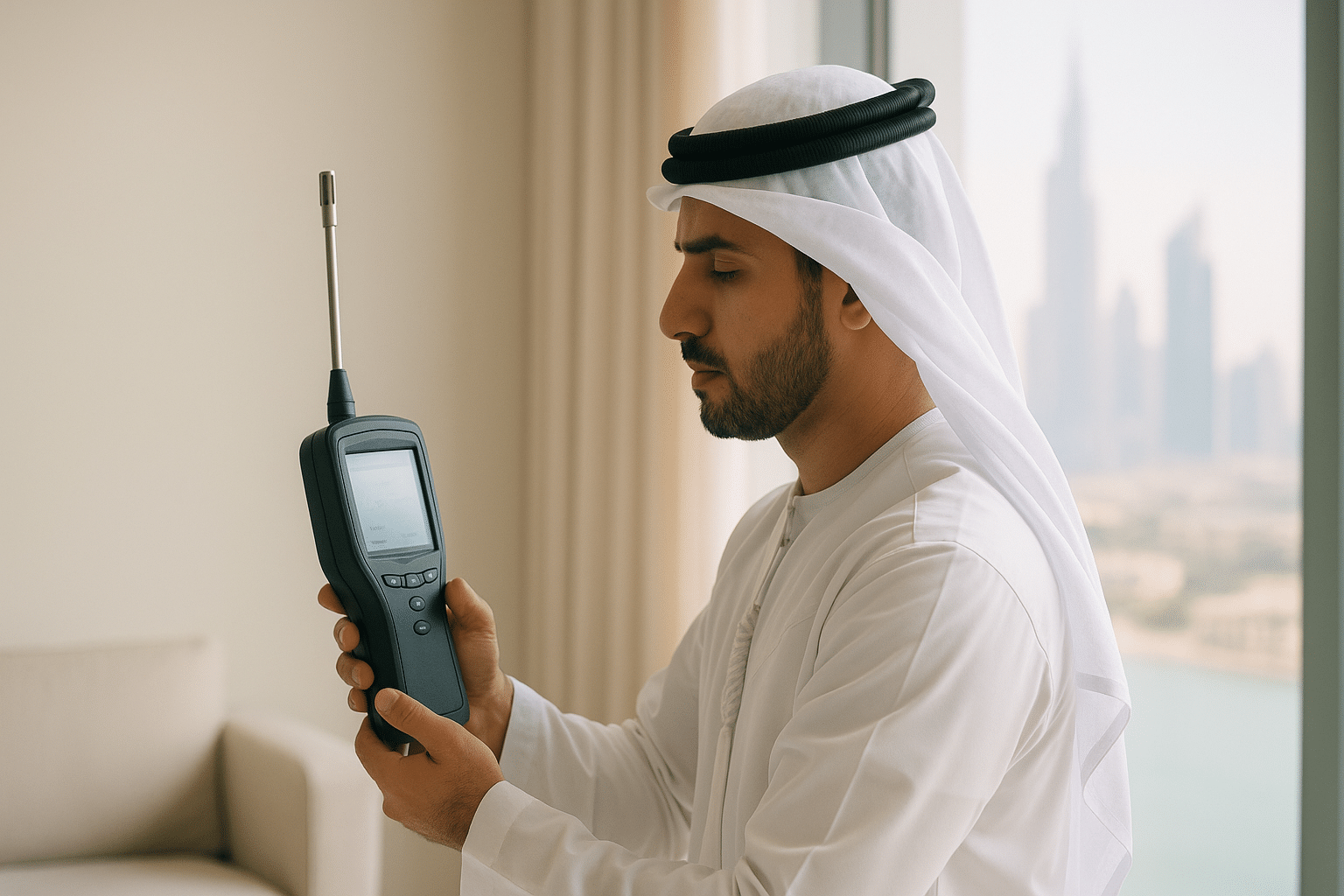
In Dubai’s climate, professional assessment should include air sampling, surface testing, and moisture measurement to comprehensively evaluate system contamination. These assessments provide definitive identification of mold species present and guide targeted remediation efforts that prevent recurrence.
When to Seek Professional Help
Property owners should seek professional assessment when multiple early signs of mold growth in Dubai AC systems are present, when health symptoms correlate with indoor air exposure, or when visible mold appears in accessible areas. Early professional intervention typically results in less extensive and costly remediation than delayed action.
Professional assessment is particularly important for commercial properties, schools, or healthcare facilities where occupant safety and regulatory compliance require documented indoor air quality. Additionally, properties with previous mold issues should receive professional monitoring to ensure that remediation efforts remain effective.
Assessment Scope and Methods
Comprehensive professional assessment of early signs of mold growth in Dubai AC systems includes visual inspection of accessible components, air sampling to detect airborne spores, and surface sampling to confirm mold presence on suspected surfaces. Moisture mapping identifies areas of elevated humidity that support mold growth.
Advanced diagnostic methods such as thermal imaging can reveal moisture accumulation in concealed areas, while borescope inspection allows evaluation of internal ductwork without system disassembly. These methods provide complete assessment of system contamination and guide effective remediation strategies.
Professional assessment should also include evaluation of system design and operation to identify factors that contributed to mold establishment. Addressing root causes prevents recurring contamination and ensures long-term system hygiene. Property owners should expect comprehensive reports that document findings and recommend specific corrective actions.
The early signs of mold growth in Dubai AC systems require immediate attention to prevent extensive contamination and health impacts. Regular monitoring, prompt professional assessment when warning signs appear, and proactive maintenance provide the best protection against mold-related problems in Dubai’s challenging climate. Understanding these early indicators empowers property owners to maintain healthy indoor environments while protecting their AC system investments.


Leave a Reply