


Identify Mold Growth In Office Hvac Systems: How To
—
TITLE—
How to Identify Mold Growth in Office HVAC Systems – Guide for 10 Common Signs and Solutions
—
META—
Identify mold growth in office HVAC systems early with this comprehensive guide. Discover the signs, causes, and steps to take.
—
EXCERPT—
Mold can pose significant health risks in your office environment. Learn how to identify its presence in your HVAC system through these 10 common signs and practical solutions.
—
CONTENT—
Understanding How to Identify Mold Growth in Office HVAC Systems
Contents
- 1 Understanding How to Identify Mold Growth in Office HVAC Systems
- 2 Identify Mold Growth In Office Hvac Systems: Common Symptoms of Mold Growth
- 3 Identify Mold Growth In Office Hvac Systems – Causes of Mold Growth Inside the Office HVAC System
- 4 How to Identify Mold Growth in Air Conditioning Coils
- 5 Signs of Mold Growth in the Drain Pans
- 6 Checking for Mold on Air Handlers and Ductwork
- 7 Professional Inspection and Disinfection Services
- 8 Expert Tips for Preventing Mold Growth in HVAC Systems
- 9 Frequently Asked Questions
- 10 Conclusion
In Dubai’s climate, this typically leads to mold growth inside the HVAC system. It is essential to understand that mold can thrive due to moisture and poor air quality within these systems. This guide will help you recognize the signs of mold growth and take necessary steps to address it.
Identify Mold Growth In Office Hvac Systems: Common Symptoms of Mold Growth
Mold is not always visible, but its presence can be indicated by certain symptoms in your office. These include:
- Musty or earthy odors that are persistent and hard to pinpoint.
- Tingling sensations or sneezing, especially when near the HVAC system intake vents.
- A decrease in air quality leading to fatigue, coughing, or irritated eyes among employees.
If you notice any of these symptoms, it is important to investigate further. Mold can cause respiratory issues and other health problems, making it crucial to address the issue promptly.
Identify Mold Growth In Office Hvac Systems – Causes of Mold Growth Inside the Office HVAC System
Mold growth in office HVAC systems is often linked to several factors. These include:
- High Humidity Levels: Dubai’s climate can lead to high humidity, which creates an ideal environment for mold.
- Poor Ventilation: Insufficient ventilation can trap moisture and allow it to accumulate within the HVAC system.
- Inadequate Maintenance: Lack of regular cleaning and maintenance can result in the buildup of dust, debris, and moisture.
Identifying these causes is essential for addressing mold growth effectively. Proper maintenance and monitoring are key to preventing further issues.
How to Identify Mold Growth in Air Conditioning Coils
Air conditioning coils can become breeding grounds for mold if not regularly cleaned. Here’s how to identify it:
- Look for discoloration or dark spots on the coils.
- Check for a slimy, fuzzy texture that may indicate mold presence.
- Feel the surface of the coil; if it is damp to the touch, there might be hidden mold growth.
If you suspect mold in your air conditioning coils, it is advisable to have them inspected by a professional. Regular cleaning and disinfection can help prevent future issues.
Signs of Mold Growth in the Drain Pans
Mold often grows in drain pans due to standing water or condensation. Here are signs to look out for:
- A musty odor emanating from the drain pan area.
- Visible green, black, or brown spots on the surface of the drain pan.
- Moldy growth within the drainage system, leading to water discoloration.
If you notice any of these signs, it is crucial to address them promptly. Drain pans should be cleaned and disinfected regularly to prevent mold from spreading throughout the HVAC system.
Checking for Mold on Air Handlers and Ductwork
Inspecting air handlers and ductwork is essential in identifying hidden mold growth. Here’s how:
- Observe the appearance of the air handler and ductwork for signs of discoloration or dark patches.
- Look for slimy, fuzzy textures that may indicate mold presence on surfaces like filters or insulation.
- Feel the ducts; dampness can be a clear sign of hidden mold growth.
Professional inspection tools and techniques are recommended to ensure thorough checking. Regular cleaning and maintenance schedules can help prevent mold from taking hold in these areas.
Professional Inspection and Disinfection Services
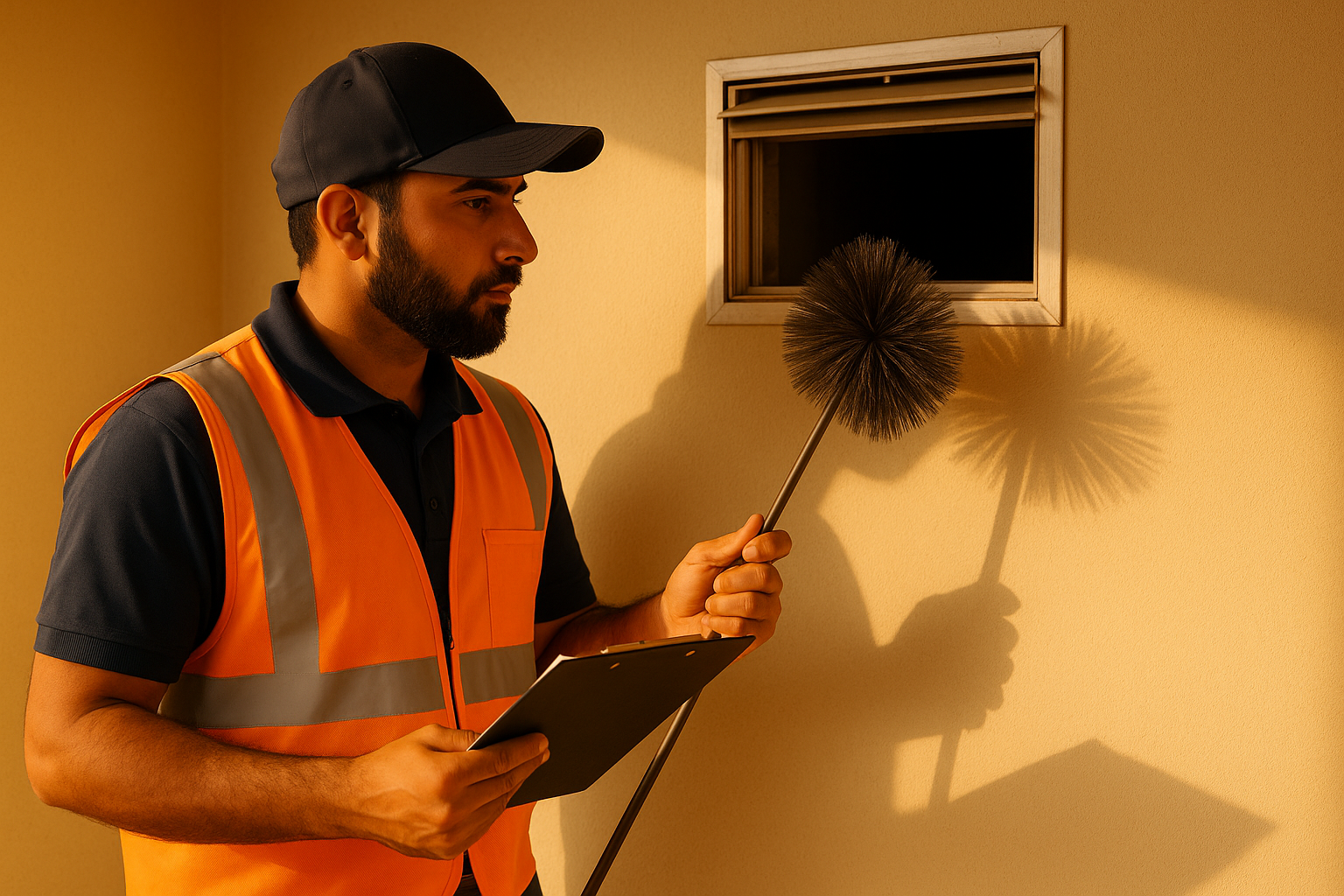
To address mold growth effectively, professional services should be considered. Here’s what you need to know:
- Inspection Services: A thorough inspection identifies the extent of mold growth and suggests appropriate solutions.
- Disinfection Services: Professional disinfection treatments eliminate existing mold colonies, ensuring long-term prevention.
- Maintenance Plans: Regular maintenance services help prevent future mold issues by keeping HVAC systems clean and hygienic.
Contacting a professional can provide peace of mind and ensure that the issue is handled with expertise. Consider scheduling regular inspections to maintain optimal air quality in your office environment.
Expert Tips for Preventing Mold Growth in HVAC Systems
Prevention is key when it comes to mold growth in HVAC systems. Here are some tips:
- Regular Maintenance: Schedule routine cleaning and inspection of your HVAC system every 6-12 months.
- Poor Ventilation: Ensure proper ventilation to reduce moisture levels in the air.
- Dry Air: Use dehumidifiers or humidistats to maintain optimal humidity levels within the office environment.
Implementing these tips can significantly reduce the risk of mold growth and improve indoor air quality. Regular maintenance not only prevents issues but also extends the lifespan of your HVAC system, saving you money in the long run.
Frequently Asked Questions
- Q: How often should I inspect my HVAC system for mold growth?
- A: It is recommended to have your HVAC system inspected every 6-12 months, especially in humid climates like Dubai’s.
- Q: Can I clean the air conditioning coils myself?
- A: Yes, but it is important to follow proper procedures. If you are unsure, a professional can handle the task effectively and safely.
Regular inspections and maintenance play a crucial role in preventing mold growth and maintaining optimal indoor air quality in your office environment.
Conclusion
Mold growth in office HVAC systems can have serious health implications. By understanding the common symptoms, causes, and preventive measures, you can take steps to address this issue effectively. Regular inspections, proper maintenance, and professional services are key to ensuring a clean, healthy indoor environment for your employees.
—
TAGS—
How to Identify Mold Growth in Office HVAC Systems, Indoor Air Quality, HVAC Maintenance, Mold Prevention
—
ALT_TEXT—
How to Identify Mold Growth in Office HVAC Systems – Professional AC cleaning and disinfection tips to maintain healthy indoor air quality.


Leave a Reply