

Identify Mold Growth In Your Hvac System Complete Guide
<h2 id="introduction”>Introduction
Understanding Identify Mold Growth In Your Hvac System is essential. Mold growth within an HVAC (Heating, Ventilation, and Air Conditioning) system is a significant concern for homeowners in Abu Dhabi and Dubai. Mold not only compromises the air quality but can also lead to health issues such as respiratory problems and allergies. This guide will provide you with the tools and knowledge needed to identify mold growth effectively.
Understanding How to Identify Mold Growth in Your HVAC System
Mold growth within an HVAC system is often invisible until it becomes a noticeable issue. Recognizing the signs and understanding how mold develops are crucial steps toward maintaining clean indoor air quality.
Humidity and Moisture Conditions
In Abu Dhabi and Dubai, high humidity levels can contribute to mold growth inside HVAC systems. Humid environments provide the perfect conditions for mold spores to thrive. It is essential to monitor the moisture levels within your system to prevent fungal growth. This relates directly to Identify Mold Growth In Your Hvac System.
Temperature Considerations
Mold thrives in temperatures between 70°F and 100°F (21°C and 38°C). In Dubai, which experiences high humidity year-round, the risk of mold is significantly higher due to these temperature ranges. Regularly checking the temperature within your HVAC system can help identify potential mold issues.
Identify Mold Growth In Your Hvac System – Common Signs of Mold in Your HVAC System
Identifying mold growth in your HVAC system is crucial for maintaining indoor air quality and preventing health problems. Here are some common signs to look out for: When considering Identify Mold Growth In Your Hvac System, this becomes clear.
- Musty Odors: A persistent musty smell coming from the vents could indicate mold growth.
- Damp Sounds: Listen for sounds of water dripping or condensation within your HVAC system, which can be a sign of moisture buildup.
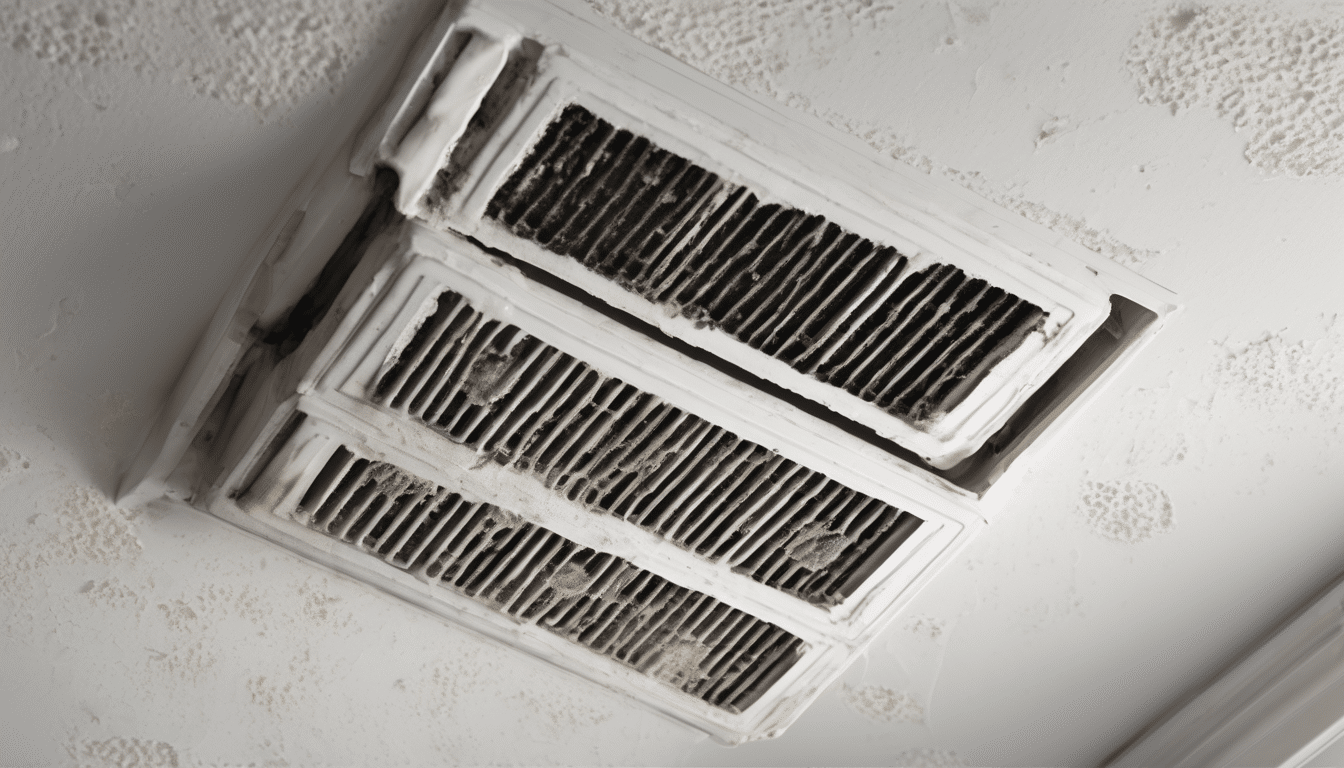
- Visible Spots: Check for visible black, green, or white spots in the air ducts and components. These are telltale signs of mold growth.
- Discoloration: Mold can cause discoloration on surfaces such as evaporator coils, which may appear dark or discolored.
How to Inspect Your Air Conditioning Ducts for Mold Growth
Regular inspections of your air conditioning ducts can help identify mold growth before it becomes a significant issue. Follow these steps:
- Cleaning the Ducts: Dust and debris accumulation can create ideal conditions for mold to grow. Clean your ducts using appropriate methods, such as HEPA-filtered vacuuming or specialized brushes.
- Inspecting Components: Check all components of the HVAC system, including evaporator coils, air filters, and drain pans, for signs of moisture or discoloration.
- Checking Seals and Connections: Ensure that seals and connections are not leaking, as this can cause moisture to accumulate and lead to mold growth.
Professional Assessment and Disinfection Services
If you suspect mold growth in your HVAC system or find visible signs of it, consider scheduling a professional assessment. A qualified AC cleaning specialist can conduct thorough inspections and provide appropriate disinfection services: The importance of Identify Mold Growth In Your Hvac System is evident here.
- Disinfectant Selection: Choose human-safe disinfectants that are effective against mold without causing harm to your HVAC system.
- Controlled Chemical Dwell Time: Ensure the selected disinfectant is allowed to work for the recommended dwell time, which can vary based on the product used.
- Post-Service Ventilation: Proper ventilation during and after cleaning helps prevent the spread of mold spores and ensures a safe environment.
Prevention Strategies for Mold Growth in HVAC Systems
To minimize the risk of mold growth, implement these prevention strategies:
- Regular Maintenance: Schedule regular inspections and cleaning to remove dust, debris, and moisture buildup.
- Mold-Resistant Materials: Upgrade your HVAC system with mold-resistant materials where possible. This includes using antimicrobial filters and coatings on components.
- Proper Ventilation: Ensure proper ventilation in the space surrounding the HVAC unit to maintain a consistent temperature and reduce humidity levels.
- Drain Pan Maintenance: Regularly inspect and clean drain pans to prevent water accumulation that can lead to mold growth.
Expert Tips on Identifying Mold Growth in Your HVAC System
To further enhance your ability to identify mold growth, follow these expert tips:
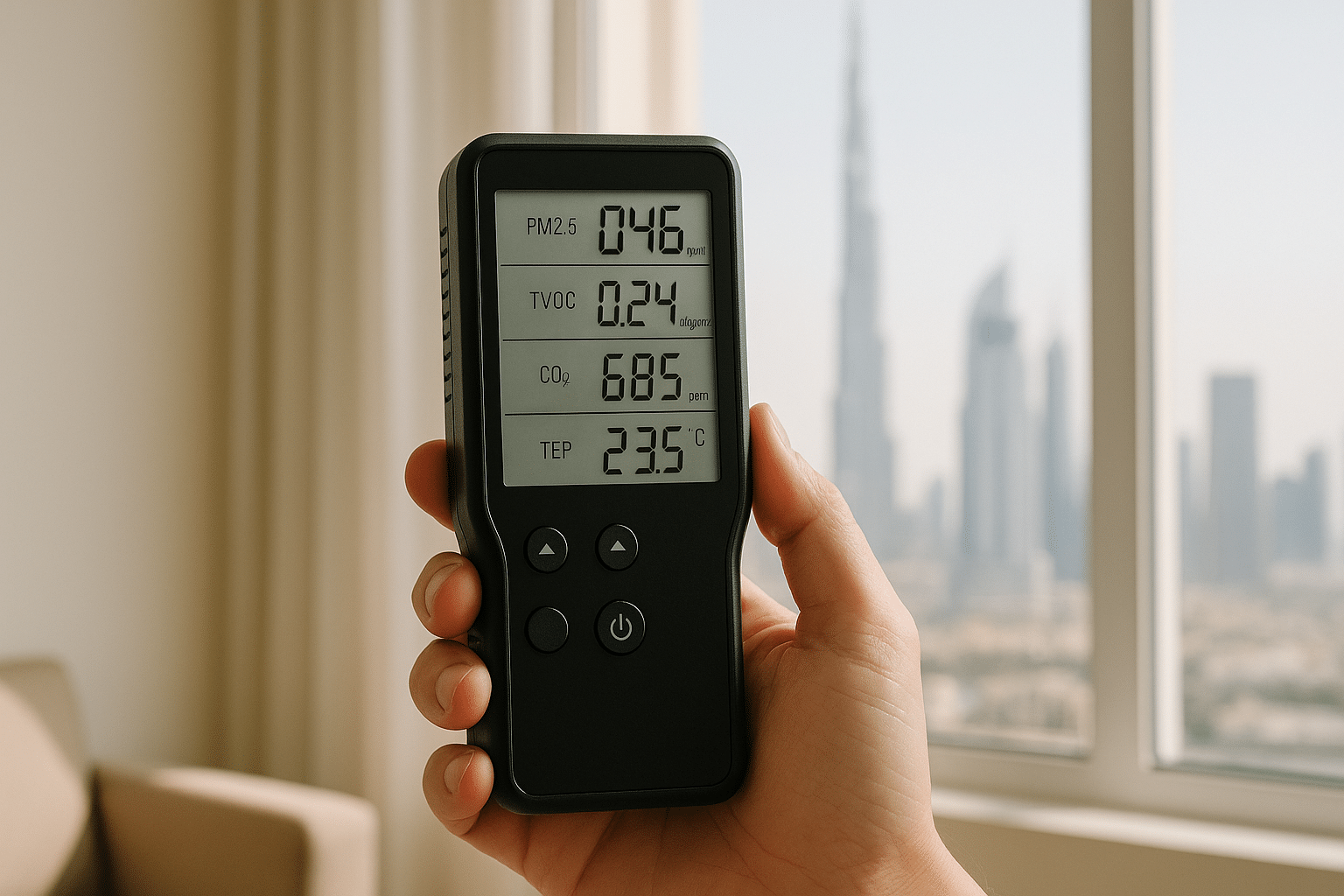
- Use an Air Quality Monitor: Invest in a professional air quality monitor to detect changes in indoor air quality that may indicate the presence of mold spores.
- Hire a Professional: Consider hiring a professional HVAC maintenance service for regular inspections and cleaning. They can identify issues you might miss.
- Check Drain Lines: Inspect drain lines regularly, as clogs or blockages can lead to moisture accumulation and mold growth.
FAQ Section
Here are some common questions about identifying and dealing with mold in your HVAC system:
- Q: How often should I inspect my HVAC for mold?
- A: It is recommended to perform inspections at least once a year, especially if you notice any unusual odors or visible signs of moisture.
- Q: Can I clean the ducts myself?
- A: While it’s possible to clean your ducts yourself, professional services are generally more effective and safer. They can also ensure that all areas are thoroughly cleaned without causing damage.
- Q: Are there any DIY methods to remove mold from my HVAC system?
- A: For minor cases, you might be able to clean the visible mold with a solution of water and bleach. However, severe cases require professional intervention to prevent damage.
Understanding Identify Mold Growth In Your Hvac System helps with this aspect.
Identify Mold Growth In Your Hvac System factors into this consideration.
Conclusion
Identifying mold growth in your HVAC system is crucial for maintaining clean indoor air quality. By understanding common signs, conducting regular inspections, and seeking professional assistance when needed, you can effectively manage the risk of mold. Implementing prevention strategies will help reduce the likelihood of mold growth, ensuring a healthier living environment. Understanding Identify Mold Growth In Your Hvac System is key to success in this area.



Leave a Reply